How Many Gallons Does a Toyota Camry Gas Tank Hold
The Toyota Camry gas tank typically holds between 15.8 and 16 gallons for most recent gas-only models. The hybrid Camry has a smaller fuel tank of around 11.3 gallons since it relies partly on electric power. Knowing your fuel tank capacity helps you plan road trips, estimate fuel costs, and avoid running low on fuel.
If you own a Toyota Camry or are thinking about buying one, a common question comes up: how many gallons does a Toyota Camry gas tank hold? It might seem like a simple question, but the answer depends on the model year, trim level, and whether you drive the gas or hybrid version. Knowing your fuel tank capacity is more useful than most people think. It helps you plan road trips, budget for fuel costs, and avoid getting stranded with an empty gauge.
The Toyota Camry has been one of the most popular sedans in America for decades. Millions of drivers trust it for daily commutes, family trips, and everything in between. Part of that trust comes from knowing the car is reliable, efficient, and easy to maintain. But the gas tank size plays a bigger role in your daily driving experience than you might realize. A larger tank means fewer stops. A smaller tank might mean more frequent trips to the gas station. Either way, understanding your Camry fuel capacity puts you in control.
In this guide, we break down the Toyota Camry gas tank capacity across every major generation and trim. We also cover driving range, fuel efficiency, maintenance tips, and common mistakes Camry owners make with their fuel system. By the end, you will know exactly what your tank holds and how to get the most out of every gallon.
Key Takeaways
- Standard Gas Tank Size: Most Toyota Camry models from 2012 onward hold 15.8 gallons of fuel in the gas tank.
- Hybrid Models Differ: The hybrid Camry usually has a smaller tank of around 11.3 gallons due to the battery placement.
- Driving Range: A full tank can take you 450 to 600 miles depending on the trim, engine type, and fuel economy.
- Fuel Efficiency Matters: The Camry delivers between 28 and 40 MPG combined, which directly affects how far you can go per tank.
- Regular Maintenance Helps: Keeping your fuel system clean and checking the fuel gauge regularly extends tank life and engine health.
- Cost Savings Add Up: Understanding your tank size lets you budget fuel costs more accurately for daily commutes and long trips.
📑 Table of Contents
Toyota Camry Gas Tank Capacity Explained
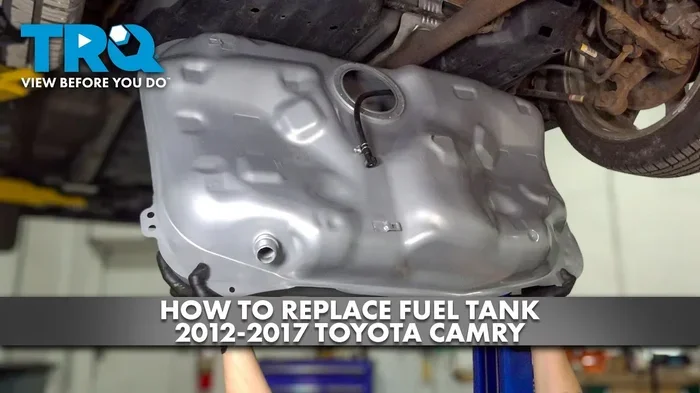
The Toyota Camry gas tank has not changed dramatically over the years, but there are important differences between gas and hybrid models. The standard gas-powered Camry has a fuel tank that holds approximately 15.8 gallons. This number has been consistent across most model years from 2012 to the latest 2024 models. The fuel tank capacity is designed to balance range, weight, and interior space. Toyota engineers sized the tank to give drivers a solid driving range without taking up too much trunk or cabin room.
For the hybrid Camry, the story is a little different. The hybrid version typically has a fuel tank that holds around 11.3 gallons. This is because the hybrid system includes a battery pack that is stored under the rear seat. That battery takes up space that would otherwise be used for fuel. But the trade-off is worth it. The hybrid Camry uses less fuel overall, so the smaller tank still gives you a respectable driving range.
Why Does Tank Size Matter?
Your Camry gas tank size directly affects your driving range. Driving range is how far you can travel on a full tank. A 15.8-gallon tank with a fuel economy of 32 MPG gives you roughly 505 miles of range. That is a serious distance. It means you can drive from city to city without stopping for fuel very often. For daily commuters, a larger tank means fewer fill-ups during the week. For road trippers, it means more time on the highway and less time at the pump.
Tank size also affects how you plan your fuel stops. If you know your Camry fuel capacity, you can estimate how much fuel you need for a trip. You can also avoid the stress of watching the fuel gauge drop too low. Running on empty is never a good idea. It can damage the fuel pump and leave you stranded. So knowing your exact gas tank size is a practical advantage every Camry owner should have.
Quick Tip
Keep your fuel level above a quarter tank at all times. This protects the fuel pump from overheating and gives you a buffer for unexpected delays or detours.
Gas Tank Size Across Different Camry Trims and Years
Not all Toyota Camry models have the same fuel tank capacity. The trim level and model year can change the tank size slightly. Below is a breakdown of the most common Camry gas tank sizes across different trims and generations.
| Model Year | Trim | Engine Type | Tank Capacity (Gallons) |
|---|---|---|---|
| 2024 | LE, SE, XLE, XSE | 2.5L Gas | 15.8 |
| 2024 | Hybrid LE, SE, XLE | 2.5L Hybrid | 11.3 |
| 2020 | LE, SE, XLE, XSE | 2.5L Gas | 15.8 |
| 2018 | LE, SE, XLE, XSE | 2.5L Gas | 15.8 |
| 2015 | LE, SE, XLE, XSE | 2.5L Gas | 15.8 |
| 2012 | LE, SE, XLE, XSE | 2.5L Gas | 15.8 |
| 2007 | LE, SE, XLE, XSE | 2.4L Gas | 18.5 |
| 2002 | LE, SE, XLE | 2.4L Gas | 18.5 |
As you can see, older Camry models from the early 2000s had larger tanks, around 18.5 gallons. This was common for sedans of that era. Toyota reduced the tank size slightly in later years to improve weight distribution and interior packaging. The 15.8-gallon tank became the standard for the modern Camry and has stayed consistent through the latest model years.
If you drive a Camry SE or Camry XSE, the tank size is the same as the base LE model. The trim level does not change the fuel tank capacity. What changes is the engine and fuel economy. The Camry TRD and sport-oriented trims may have slightly different fuel economy ratings, but the gas tank size remains at 15.8 gallons for gas models.
How to Find Your Exact Tank Capacity
If you are not sure about your specific Camry, there are a few easy ways to find the exact fuel tank capacity. First, check your owner’s manual. It lists the vehicle specifications including tank size. Second, look at the driver’s side door jamb. There is often a sticker with fuel capacity and recommended fuel type. Third, you can check the Toyota website and enter your specific model year and trim. The online specifications page will give you the exact numbers.
Expert Insight
According to Toyota’s official specifications, the Toyota Camry gas tank is designed with a reserve fuel capacity built in. Even when the fuel gauge hits empty, there is usually about 1 to 2 gallons of fuel left. However, you should never rely on this reserve. Always refuel well before the gauge reaches empty to protect your engine and fuel system.
How Far Can a Toyota Camry Go on a Full Tank
Now that you know the Camry fuel capacity, the next question is obvious: how far can you actually drive on a full tank? The answer depends on your driving habits, the trim you own, and the engine type. The Camry gas mileage plays a huge role in determining your total driving range.
For the gas-powered Camry with a 15.8-gallon tank, here is what you can expect:
- City Driving: At around 28 MPG in the city, a full tank gives you about 442 miles of range.
- Highway Driving: At around 39 MPG on the highway, a full tank gives you about 616 miles of range.
- Combined Driving: At around 32 MPG combined, a full tank gives you about 505 miles of range.
For the hybrid Camry with an 11.3-gallon tank, the numbers are different but still impressive:
- City Driving: At around 51 MPG in the city, a full tank gives you about 576 miles of range.
- Highway Driving: At around 53 MPG on the highway, a full tank gives you about 599 miles of range.
- Combined Driving: At around 52 MPG combined, a full tank gives you about 588 miles of range.
These numbers show something interesting. The hybrid Camry has a smaller tank, but it often achieves a longer driving range than the gas-only model. This is the power of fuel efficiency. The hybrid system recovers energy during braking and uses it to assist the engine. That means less fuel is wasted and more miles are covered per gallon.
Planning Road Trips with Your Camry
If you are planning a road trip, knowing your tank range is essential. Let us say you are driving a gas Camry with a combined fuel economy of 32 MPG. Your 15.8-gallon tank gives you about 505 miles of range. If your trip is 800 miles long, you will need to stop for fuel at least once, possibly twice depending on driving conditions. Planning your stops around gas station locations and rest areas makes the trip more comfortable and safer.
For hybrid Camry owners, the math works out even better. With a range of nearly 590 miles on a full tank, you might only need one fuel stop on an 800-mile trip. This makes the hybrid Camry an excellent choice for long-distance driving. The fuel costs are also lower because the hybrid uses less gas overall.
Quick Tip
Use a fuel tracking app on your phone to monitor your MPG in real time. This helps you understand how your driving habits affect fuel economy and range. You can also set reminders for your next tank fill up based on your average consumption.
Tips to Get the Most Out of Your Camry Fuel Tank
Everyone wants to squeeze more miles out of every gallon. The good news is that there are simple, proven ways to improve your fuel efficiency and get the most from your Toyota Camry gas tank. These tips work for both gas and hybrid models.
1. Keep Your Tires Properly Inflated
Underinflated tires create more rolling resistance. This means your engine has to work harder to keep the car moving. Check your tire pressure at least once a month. The recommended pressure is listed on the driver’s side door jamb. Properly inflated tires can improve your MPG by up to 3 percent. That might not sound like much, but over thousands of miles, it adds up to significant fuel savings.
2. Avoid Aggressive Driving
Rapid acceleration and hard braking waste fuel. They also put extra stress on your engine and brakes. Instead, accelerate smoothly and coast to a stop when possible. This style of driving, often called hypermiling, can boost your fuel economy by 10 to 20 percent. It also makes your drive safer and more comfortable.
3. Reduce Excess Weight
Every extra pound in your car requires more fuel to move. Clean out your trunk and back seat. Remove heavy items you do not need. A lighter car uses less fuel. This is a simple change that many Camry owners overlook. Even removing a few bags of items you carry around all the time can make a noticeable difference.
4. Use Cruise Control on Highways
Maintaining a steady speed on the highway improves fuel economy. Cruise control helps you do this automatically. It prevents unnecessary speed changes that burn extra fuel. Just be sure to stay alert and ready to take control when needed. Cruise control is a great tool, but it is not a replacement for attentive driving.
5. Keep Up with Regular Maintenance
A well-maintained engine runs more efficiently. Change your oil on schedule. Replace your air filters when they get dirty. Keep your fuel system clean with quality fuel and occasional additives. All of these steps help your Camry gas mileage stay at its best. They also extend the life of your engine and fuel system components.
Common Mistakes
Many Camry owners make the mistake of ignoring the fuel gauge until it hits empty. This can damage the fuel pump over time. Another common error is overfilling the tank past the first click of the pump. This can flood the charcoal canister and cause expensive repairs. Always let the pump stop on its own and never try to top off the tank.
Common Mistakes That Waste Fuel and Damage Your Tank
Your Toyota Camry gas tank is built to last, but certain habits can shorten its lifespan and waste fuel. Understanding these mistakes helps you avoid costly repairs and keep your car running smoothly for years.
Running on Empty Too Often
This is the number one mistake Camry owners make. When you consistently drive with very low fuel, sediment from the bottom of the tank gets pulled into the fuel system. This sediment can clog the fuel filter and damage the fuel pump. The fuel pump also relies on fuel to stay cool. Running on empty means the pump works harder and can overheat. Make it a habit to refuel when your tank hits a quarter full.
Using the Wrong Fuel Type
The Toyota Camry is designed to run on regular unleaded gasoline with an octane rating of 87. Using higher octane fuel will not improve performance or fuel economy in a standard Camry. It will only cost you more money. However, if you own a high-performance variant like the Camry TRD, check your owner’s manual for the recommended fuel type. Using the wrong fuel can cause engine knocking and long-term damage.
Ignoring Fuel System Warning Signs
If you notice a decrease in fuel economy, difficulty starting the car, or a check engine light, do not ignore it. These could be signs of a failing fuel pump, clogged fuel filter, or leaking fuel injector. Addressing these issues early prevents more serious and expensive repairs down the road.
Leaving the Tank Nearly Empty for Long Periods
If you store a Camry for an extended period, do not leave the tank nearly empty. Moisture can condense inside an almost-empty tank and cause rust or fuel contamination. Keep the tank at least half full when storing the vehicle for more than a few weeks. Adding a fuel stabilizer can also help preserve the fuel during long storage periods.
Expert Insight
Toyota engineers recommend using Top Tier gasoline whenever possible. Top Tier fuels contain higher levels of detergents that keep your fuel injectors clean. Clean injectors deliver fuel more efficiently, which improves your fuel efficiency and protects your engine over the long term. This small habit can make a big difference for your Toyota Camry gas tank and overall engine health.
Expert Tips for Long-Term Fuel Tank Maintenance
Taking care of your Camry fuel system goes beyond just filling up the tank. Regular attention to the fuel tank and related components keeps your car running at its best for years. Here are some expert-recommended maintenance practices every Camry owner should follow.
Inspect the Fuel Tank Regularly
Look under your Camry for any signs of fuel leaks. Puddles under the car, a strong fuel smell, or a sudden drop in fuel level without explanation can all indicate a leak. If you notice any of these signs, have your car inspected by a qualified mechanic right away. Fuel leaks are not only wasteful but also a safety hazard.
Replace the Fuel Filter on Schedule
The fuel filter prevents dirt and debris from reaching your engine. Over time, it gets clogged and needs to be replaced. Most Toyota Camry models have a fuel filter that should be replaced every 30,000 to 40,000 miles. Check your owner’s manual for the exact interval. A clean fuel filter ensures smooth fuel flow and protects your engine.
Keep the Fuel Pump Cool
The fuel pump is located inside the tank. It relies on fuel to stay cool during operation. Consistently running your tank low can cause the pump to overheat and wear out prematurely. To extend the life of your fuel pump, try to keep at least a quarter of a tank of fuel at all times. This simple habit can save you from an expensive fuel pump replacement.
Use Quality Fuel
Not all gasoline is created equal. Lower-quality fuels may contain more impurities and fewer detergents. Over time, these impurities can build up in your fuel system and reduce efficiency. Stick to reputable gas stations and consider using Top Tier fuels. Your Toyota Camry gas tank and engine will thank you with better performance and longer life.
Address Rust and Corrosion Promptly
While modern Camry fuel tanks are made from durable materials, rust can still occur over time, especially in areas with harsh winters or road salt. If you notice any rust spots on the outside of your tank, have them treated early. Small rust spots can be sealed, but left untreated, they can lead to leaks and more serious damage.
Key Takeaways
- Your Toyota Camry gas tank holds 15.8 gallons for most gas models and about 11.3 gallons for the hybrid.
- A full tank gives you between 450 and 600 miles of range depending on the engine type and driving conditions.
- Keeping your tank above a quarter full protects the fuel pump and prevents sediment from entering the fuel system.
- Regular maintenance like filter replacement and using quality fuel keeps your fuel tank capacity performing at its best.
- Avoiding common mistakes like running on empty or using the wrong fuel type saves you money and prevents costly repairs.
Conclusion
The Toyota Camry gas tank is a well-designed component that gives you reliable range and excellent fuel economy. Whether you drive the gas or hybrid version, understanding your fuel tank capacity helps you drive smarter, save money, and avoid problems on the road. The standard 15.8-gallon tank in gas models and the 11.3-gallon tank in the hybrid both offer solid performance for daily commuting and long road trips alike.
By following the tips in this guide, you can get the most out of every tank of fuel. Keep your tires inflated, drive smoothly, use quality fuel, and stay on top of maintenance. These simple habits protect your Camry fuel system and keep your car running strong for years to come. The more you know about your vehicle, the better equipped you are to take care of it. And a well-maintained Camry will reward you with dependable performance and excellent fuel efficiency mile after mile.
So the next time you pull into a gas station, take a moment to think about your Toyota Camry gas tank. Know exactly what it holds, how far it can take you, and how to keep it in top shape. That knowledge is one of the simplest and most valuable things you can have as a Camry owner. Drive safe, fill up smart, and enjoy every mile in your reliable Toyota Camry.
Frequently Asked Questions
How many gallons does a 2024 Toyota Camry gas tank hold?
The 2024 Toyota Camry gas-only models have a fuel tank that holds 15.8 gallons. The hybrid version of the 2024 Camry has a smaller tank of approximately 11.3 gallons. The exact capacity may vary slightly depending on the specific trim and engine configuration.
Can you upgrade the fuel tank in a Toyota Camry?
While it is technically possible to modify the fuel system, Toyota does not offer an official larger tank option for the Camry. Aftermarket tank upgrades are rare and can void your warranty. It is best to work with the factory tank size and focus on improving fuel efficiency instead.
How often should I fill up my Toyota Camry tank?
This depends on your daily driving distance and fuel economy. Most Camry owners with a 15.8-gallon tank fill up once every one to two weeks for average commuting. Hybrid Camry owners may fill up less often because of their superior fuel economy and smaller tank size.
What is the driving range of a Toyota Camry on a full tank?
A gas-powered Camry with a 15.8-gallon tank can travel between 450 and 600 miles on a full tank depending on driving conditions and fuel economy. The hybrid Camry can travel up to 590 miles on a full tank thanks to its excellent fuel efficiency.
Does the Toyota Camry TRD have a different gas tank size?
No, the Camry TRD has the same 15.8-gallon fuel tank as other gas-powered Camry trims. The TRD trim focuses on sportier styling and handling upgrades rather than changes to the fuel system or tank capacity.
What type of fuel does the Toyota Camry require?
The Toyota Camry is designed to run on regular unleaded gasoline with an octane rating of 87. Using higher octane fuel will not improve performance in a standard Camry. Always check your owner’s manual for the recommended fuel type for your specific trim and engine.