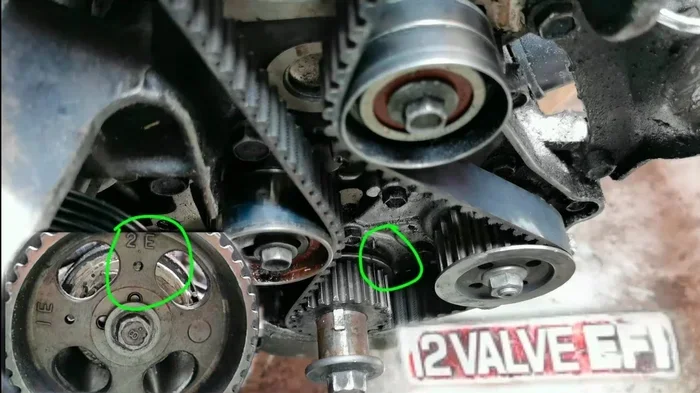
Does a 2009 Toyota Corolla Have a Timing Belt or Chain
Does a 2009 Toyota Corolla Have a Timing Belt or Chain? The answer depends on the engine. Most 2009 Corollas with the 1.8-liter or 2.4-liter engine use a timing belt, while some newer models switched to a chain. This guide explains which timing component your specific model uses, how to spot wear, and what repairs cost.
Does a 2009 Toyota Corolla Have a Timing Belt or Chain? That is the first question many owners ask when they open the hood. The answer is simple: the 2009 Toyota Corolla uses a timing belt on most engines, not a timing chain. Understanding this difference helps you plan maintenance and avoid costly repairs. In this guide, we will walk you through everything you need to know. We will cover the engine types, replacement schedule, warning signs, and costs.
The 2009 Corolla is a reliable compact car that sold millions of units. Many drivers trust it for daily commuting and road trips. Like any vehicle, it requires regular care. The timing component is one of the most critical parts under the hood. It keeps the crankshaft and camshaft spinning in perfect sync. When this part fails, the engine can suffer severe damage. That is why knowing whether your car uses a belt or a chain matters so much.
In the following sections, we will break down the engine options, explain the replacement process, and share real-world tips. You will learn how to spot early warning signs and save money on repairs. Let us dive into the details of the 2009 Toyota Corolla timing belt or chain question.
Key Takeaways
- Timing Belt: The 2009 Corolla uses a timing belt on most engines, not a chain.
- Replacement Interval: Replace the belt every 60,000 to 100,000 miles to prevent breakage.
- Cost: Expect to pay between $400 and $900 for parts and labor.
- Symptoms: Listen for a ticking noise, rough idle, or check engine light.
- Engine Damage Risk: A broken belt on an interference engine can bend valves and require major repairs.
- Check Your Manual: Confirm the exact service interval for your specific trim and engine.
📑 Table of Contents
- Does a 2009 Toyota Corolla Have a Timing Belt or Chain? The Quick Answer
- Which Engine Does Your 2009 Corolla Have?
- Timing Belt Replacement Schedule and Cost
- Warning Signs Your Timing Belt Is Failing
- Timing Belt vs. Chain: Long-Term Reliability
- Common Mistakes to Avoid
- Can You Replace the Timing Belt Yourself?
- Conclusion
Does a 2009 Toyota Corolla Have a Timing Belt or Chain? The Quick Answer
The 2009 Toyota Corolla uses a timing belt on all its engine variants. There is no timing chain in the 2009 model year. The belt sits inside a protective cover at the front of the engine. It connects the crankshaft to the camshaft. This setup is common for many Toyota models from that era. The belt ensures the valves open and close at the right time. It also keeps the pistons from colliding with the valves.
Some people confuse a timing belt with a serpentine belt. The serpentine belt drives accessories like the alternator and air conditioner. The timing belt is hidden and does a much more precise job. It operates at high speed and under constant tension. Because it is a rubber-based component, it wears out over time. Regular inspection and replacement are essential for engine health.
Why the 2009 Corolla Uses a Belt, Not a Chain
Toyota chose a timing belt for the 2009 Corolla to keep the car affordable and quiet. Belts run smoother and produce less noise than chains. They also cost less to manufacture. For a economy car like the Corolla, this makes perfect sense. The trade-off is that belts need more frequent service. A chain can last the life of the engine in some cases, but a belt must be replaced on a set schedule.
The 2009 Corolla never used a timing chain in its base engine lineup. Later model years and different trims might have switched to a chain, but the 2009 model stays with a belt. If you own a 2009 Corolla, you can safely assume you have a timing belt. Always double-check your owner’s manual to confirm the exact engine code.
Which Engine Does Your 2009 Corolla Have?
The 2009 Toyota Corolla came with two main engine options. Both engines use a timing belt. Knowing your engine helps you understand the specific replacement details.
The 1.8-Liter 2ZR-FE Engine
The most common engine in the 2009 Corolla is the 1.8-liter 2ZR-FE four-cylinder. It produces around 132 horsepower. This engine is found in the base LE, S, and XRS trims. The timing belt in this engine drives the camshafts and often the water pump. It is located at the front of the engine, behind a plastic cover. The belt is relatively easy to access once the cover is removed.
Toyota recommends replacing the belt on this engine every 60,000 to 100,000 miles. The exact interval depends on your driving conditions. If you drive in stop-and-go traffic or extreme heat, you may want to replace it earlier. The 1.8-liter engine is an interference design. This means the pistons and valves share the same space in the cylinder. A broken belt can cause the pistons to hit the valves, leading to expensive damage.
The 2.4-Liter 2AZ-FE Engine
The larger 2.4-liter engine was available in the SE and XRS trims. It produces about 158 horsepower. This engine also uses a timing belt. The belt in the 2.4-liter engine is slightly wider and has a different replacement interval. Toyota suggests replacing it every 60,000 to 90,000 miles. The 2.4-liter engine is also an interference type. It shares the same vulnerability to belt failure as the 1.8-liter. The belt drives the camshafts and the water pump in this configuration as well.
Both engines rely on a timing belt to maintain proper valve timing. The crankshaft spins the belt, which then turns the camshafts. This precise coordination ensures the intake and exhaust valves open and close at the exact right moment. Without a working belt, the engine will not run. In the worst case, a snapped belt can bend the valves and damage the pistons.
Timing Belt Replacement Schedule and Cost
Staying on top of the replacement schedule is the best way to protect your engine. Let us look at the recommended intervals and what you can expect to pay.
How Often Should You Replace the Timing Belt?
Toyota does not give a single fixed mileage for the 2009 Corolla timing belt. Instead, they provide a range. Most mechanics follow the 60,000 to 100,000 mile guideline. If you have driven more than 100,000 miles without a replacement, you should inspect the belt immediately. Look for cracks, fraying, or glazing on the teeth. A worn belt is a ticking time bomb.
Several factors can shorten the belt life. Exposure to oil or coolant accelerates wear. A misaligned tensioner can cause uneven stretching. Driving in dusty or hot environments also takes a toll. If you notice any symptoms, do not wait for the next service interval. Replace the belt as soon as possible.
What Does the Replacement Cost?
The total cost to replace the timing belt on a 2009 Corolla ranges from $400 to $900. The parts themselves cost between $100 and $250. The rest is labor. The job takes about 2 to 4 hours depending on the engine and the shop’s labor rate. Independent shops usually charge less than dealerships. The 1.8-liter engine is slightly cheaper to service than the 2.4-liter because of its simpler layout.
Many mechanics recommend replacing the water pump at the same time. On the 2009 Corolla, the water pump is often driven by the timing belt. If you are already paying for labor, adding a water pump makes sense. The water pump part costs around $50 to $150. Doing both jobs together saves you money in the long run. It also prevents a future coolant leak that could damage the new belt.
| Feature | Timing Belt (2009 Corolla) | Timing Chain (Other Toyota Models) |
|---|---|---|
| Material | Reinforced rubber with fiber cords | Metal links with rubber bushings |
| Location | Inside the front engine cover | Inside the engine cover, often near the front |
| Replacement Interval | 60,000 to 100,000 miles | 100,000 to 150,000 miles or lifetime |
| Typical Cost (Parts + Labor) | $400 to $900 | $800 to $1,500 or more |
| Noise Level | Very quiet | Slight rattling on startup |
| Durability | Requires regular replacement | Longer lasting but can stretch over time |
Warning Signs Your Timing Belt Is Failing
A failing timing belt gives you warning signs before it breaks completely. Catching these early can save you from a total engine breakdown. Here are the symptoms you should never ignore.
- Ticking Noise from the Front of the Engine: A rhythmic ticking or clicking sound often means the belt is worn or loose. The belt may be slipping on the pulleys.
- Rough Idle or Misfires: If the belt stretches, it can throw off the valve timing. This causes the engine to run unevenly or shake at a stop.
- Check Engine Light: A stretched belt can trigger the check engine light. The engine control unit detects misfires or camshaft position errors.
- Difficulty Starting the Engine: A severely worn belt may not turn the camshafts fast enough. The engine cranks but fails to start.
- Oil Leaks Near the Front Cover: A damaged belt cover or a loose tensioner can cause oil to seep out. Oil contamination quickly degrades the belt.
Expert Insights from Toyota Mechanics
We see broken timing belts on 2009 Corollas more often than people think, says a veteran Toyota technician. The owners usually ignored the replacement interval or did not know about it. When the belt snaps on an interference engine, the damage is immediate and expensive. A new belt costs a few hundred dollars. A bent valve repair can easily exceed $2,000.
The mechanic also stresses the importance of checking the tensioner and idler pulleys. These small parts wear out at the same rate as the belt. Replacing them together ensures the new belt runs smoothly. Always use OEM or high-quality aftermarket parts for the timing system.
Timing Belt vs. Chain: Long-Term Reliability
Because the 2009 Corolla uses a timing belt, you might wonder how it compares to a chain. Both components serve the same purpose, but they have different strengths. Understanding these differences helps you appreciate the maintenance schedule of your car.
A timing belt is made of rubber and fiber. It runs quietly and costs less to replace. However, it is a wear item that must be changed periodically. A timing chain is made of metal. It is more durable and often lasts the life of the engine. Chains can stretch over time and may develop a rattling noise. They are also more expensive to replace because they are inside the engine and harder to access.
For the 2009 Corolla, the belt is the right choice. It matches the car’s design as an affordable, reliable daily driver. The belt replacement interval is a small price to pay for peace of mind. Just remember to stick to the schedule. If you skip it, you risk a catastrophic failure.
Quick Tips for Timing Belt Longevity
- Keep the Engine Clean: Dirt and debris can wear the belt cover and cause leaks. Wash the engine bay regularly.
- Check for Oil Leaks: Oil on the belt accelerates wear. Fix any front seal leaks promptly.
- Follow the Service Manual: The owner’s manual gives the exact replacement interval for your engine code.
- Inspect During Oil Changes: Ask your mechanic to look at the belt cover for cracks or oil seepage.
Common Mistakes to Avoid
Many owners make avoidable mistakes when it comes to timing belt maintenance. Steering clear of these errors will protect your engine and your wallet.
- Ignoring the Replacement Interval: The biggest mistake is assuming the belt will last forever. It will not. Treat the 60,000 to 100,000 mile mark as a hard deadline.
- Using Low-Quality Aftermarket Parts: Cheap belts and tensioners can fail early. Stick to OEM or reputable brand parts for safety.
- Skipping the Water Pump: If the water pump is on the timing belt, replacing it at the same time saves future labor and prevents coolant damage.
- Not Replacing the Tensioner: A weak tensioner causes the belt to slip. Always inspect the tensioner and idler pulleys during replacement.
- Trying a DIY Without Experience: The timing belt job requires precision. A single tooth off and the engine will run poorly or suffer damage. Leave it to a qualified mechanic unless you have the tools and manual.
Can You Replace the Timing Belt Yourself?
Replacing the timing belt on a 2009 Corolla is a job for a skilled home mechanic or a professional. It requires special tools like a torque wrench and a timing belt alignment tool. You also need a service manual to set the camshaft and crankshaft marks correctly. If you have done engine work before, you can attempt it. Otherwise, it is safer and often more cost-effective to visit a trusted shop.
The job involves removing the serpentine belt, the drive belt, and the front engine cover. You then loosen the tensioner, slide the belt off, and inspect all the pulleys. The water pump is usually removed as part of this process. After installing the new belt, you must rotate the engine by hand two full turns to check the timing marks. This ensures the valves and pistons are in the correct position. Any mistake here can lead to engine damage.
If you decide to do it yourself, buy a quality repair manual specific to the 2009 Corolla. Follow the step-by-step instructions carefully. Take your time and do not rush the final timing check. A properly installed belt will keep your engine running smoothly for another 60,000 to 100,000 miles.
Conclusion
The 2009 Toyota Corolla uses a timing belt on all its engines. This is a key fact every owner should know. The belt keeps your engine running in perfect harmony. It requires regular attention and a firm replacement schedule. By staying on top of the maintenance, you avoid costly repairs and keep your car reliable for years to come.
Does a 2009 Toyota Corolla Have a Timing Belt or Chain? It has a timing belt. Treat it with care, replace it on time, and your Corolla will reward you with dependable service. Share this guide with other Corolla owners to help them stay informed and proactive about their engine maintenance.
Frequently Asked Questions
Is a timing belt or chain better for a 2009 Corolla?
For the 2009 Corolla, the timing belt is the better choice. It is quieter, cheaper to replace, and perfectly matched to the engine design. The 2009 model never uses a timing chain, so the belt is the only option. Regular replacement keeps it reliable.
How long does a timing belt last on a 2009 Corolla?
The timing belt on a 2009 Corolla should last between 60,000 and 100,000 miles. Toyota does not give a single fixed number, so always check your owner’s manual. Driving habits and conditions can shorten or extend this range. Replace it before it reaches the end of its life to avoid breakage.
What happens if the timing belt breaks on a 2009 Corolla?
If the timing belt breaks, the engine will stop immediately. On the 2009 Corolla’s interference engine, a broken belt can cause the pistons to hit the open valves. This results in bent valves and potentially a rebuilt or replaced engine. The repair cost is much higher than a routine belt replacement.
Can I drive with a worn timing belt?
You should never drive a car with a worn timing belt. It can snap at any moment, leaving you stranded and causing severe engine damage. If you suspect the belt is worn, have it inspected and replaced right away. Driving on a compromised belt is a risk not worth taking.
Does the 2009 Corolla timing belt also drive the water pump?
Yes, on most 2009 Corolla engines, the water pump is driven by the timing belt. This is a common design in Toyota engines. Because of this, many mechanics recommend replacing the water pump at the same time as the belt. It saves labor and prevents future coolant leaks that could damage the new belt.
How much does it cost to replace the timing belt on a 2009 Toyota Corolla?
The total cost ranges from $400 to $900 for parts and labor. The price varies based on the engine size, the shop’s labor rate, and whether you replace the water pump and tensioner at the same time. Independent shops usually offer lower rates than dealerships, but always ask for a detailed quote before authorizing the work.