How Alfa Romeo Handles Curves With Style and Precision
Alfa Romeo has long been celebrated for its ability to handle curves with breathtaking style and precision. From its heritage in Italian racing to modern engineering innovations, every Alfa Romeo is designed to give drivers an unmatched connection to the road. Whether you’re a new owner or a curious enthusiast, understanding how Alfa Romeo handles curves will deepen your appreciation for these remarkable machines.
Key Takeaways
- Alfa Romeo’s rear-wheel-drive DNA: Most Alfa Romeo models are built with a rear-wheel-drive layout that naturally enhances cornering feel and driver engagement on curves.
- Precision steering is a hallmark: Alfa Romeo’s steering systems are widely regarded as some of the most responsive in the automotive industry, giving drivers confidence through every turn.
- Chassis and suspension design matter: The brand’s focus on weight distribution, rigid chassis, and adaptive suspension directly contributes to superior curve-handling performance.
- Different models, different strengths: From the Giulia Quadrifoglio to the Stelvio, each Alfa Romeo model brings its own unique curve-handling character to the driving experience.
- Maintenance keeps performance alive: Regular attention to tires, suspension components, and alignment ensures your Alfa Romeo continues to handle curves at its best.
- Driver technique plays a big role: Smooth inputs, proper braking, and throttle control are essential for unlocking the full curve-handling potential of any Alfa Romeo.
📑 Table of Contents
What Makes Alfa Romeo’s Curve Handling So Special
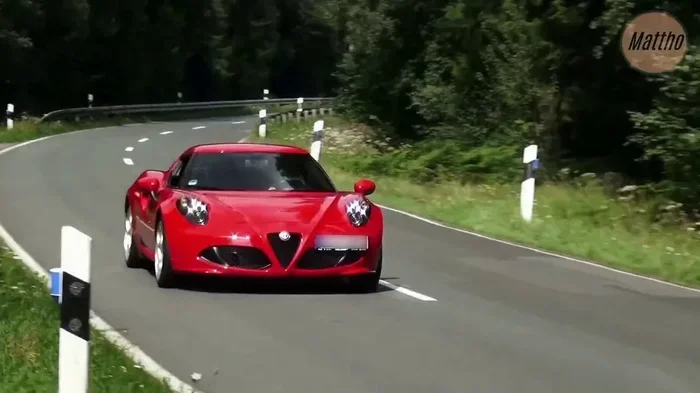
There is something almost magical about watching an Alfa Romeo sweep through a curve. The car seems to read the road before the driver does. It leans into the turn with poise, stays flat through the apex, and powers out with grace. This is not accidental. It is the result of decades of racing heritage and obsessive engineering.
Alfa Romeo has always placed a premium on cornering performance. Unlike some manufacturers that focus primarily on straight-line speed, Alfa Romeo engineers start with the curve. They ask, “How does this car feel when it changes direction?” That question shapes everything from chassis design to steering feel. The answer, consistently, is that Alfa Romeo vehicles feel alive and connected to the pavement.
This focus on sports car handling comes from Alfa Romeo’s deep roots in Italian motorsport. The brand competed in some of the earliest Grand Prix races, where navigating curves at high speed was the difference between winning and crashing. That DNA still lives in every modern Alfa Romeo on the road today.
Another factor that sets Alfa Romeo apart is responsive steering. Many modern cars use electric power steering that feels numb or artificial. Alfa Romeo takes a different approach. Their systems are tuned to deliver real feedback. Drivers can feel the road surface, the tire grip level, and the weight transferring through the chassis. This connection is what makes how Alfa Romeo handles curves so special and so rewarding.
The Role of Rear-Wheel Drive
Most Alfa Romeo models use a rear-wheel-drive layout. This is significant because rear-wheel drive offers a more dynamic driving experience when cornering. The front wheels handle steering while the rear wheels deliver power. This separation of tasks allows for more precise control through curves.
When you steer an Alfa Romeo into a turn, the rear end responds to throttle inputs in a predictable way. Skilled drivers can modulate the gas pedal to adjust the car’s line through the curve. This is often called power oversteer, and it is a hallmark of Italian sports car engineering. It gives drivers a sense of control that front-wheel-drive cars simply cannot match.
Of course, rear-wheel drive requires skill. But Alfa Romeo builds in safety nets like traction control and dynamic stability systems. These technologies help less experienced drivers enjoy the same curve negotiation without losing control. The result is a car that is both thrilling and safe.
Driver Engagement and Confidence
One thing that stands out about Alfa Romeo’s approach to driver confidence is how the car communicates. Every input you make is acknowledged. Turn the wheel, and the car responds immediately. Apply throttle mid-corner, and the car adjusts its posture. This constant dialogue between machine and driver builds a level of trust that is rare in the automotive world.
This engagement is not just about performance. It is about enjoyment. Driving an Alfa Romeo through a winding mountain road feels like a partnership. The car wants to go where you point it. And you want to keep exploring. That emotional connection is at the heart of how Alfa Romeo handles curves with style and precision.
The Engineering Behind Alfa Romeo’s Precision
Behind every great curve-handling car is a team of engineers who obsess over the smallest details. Alfa Romeo’s engineers focus on several key areas that come together to create their signature handling feel. Understanding these elements helps you appreciate the engineering miracle that sits beneath the bodywork.
Chassis Design and Rigidity
The chassis design of an Alfa Romeo is built for stiffness. A rigid chassis ensures that the car does not flex or flex under cornering loads. When the car enters a curve, all the forces are channeled through the structure in a predictable way. This means the suspension and tires can do their jobs without interference.
Alfa Romeo uses advanced materials and construction techniques to achieve this rigidity. High-strength steel, aluminum panels, and structural adhesives all play a role. The result is a platform that feels planted and secure, even when forces are pushing the car hard through a sequence of curves.
Weight Distribution
Weight distribution is one of the most important factors in cornering performance. Alfa Romeo engineers work hard to achieve a near-perfect balance. Many models aim for a front-to-rear weight distribution close to 50/50.
Why does this matter? Because balanced weight means balanced grip. The car does not suddenly snap understeer or oversteer in an unexpected way. Instead, it transitions smoothly from one direction to another. This balance is what gives Alfa Romeo its smooth, predictable handling balance through curves.
The placement of the engine, transmission, and other components is carefully considered. In some models, the engine is mounted behind the front axle to improve front-end bite. In others, weight is distributed low and centered to reduce body roll. Every gram counts.
Suspension Systems
Alfa Romeo uses sophisticated suspension systems to manage how the car interacts with the road. Most models feature double-wishbone or multi-link setups at both ends. These designs allow engineers to control camber, toe, and caster with great precision.
During a curve, the suspension keeps the tires in contact with the road surface. Even on bumpy roads, the car maintains its composure. Some Alfa Romeo models also offer adaptive suspension that adjusts damping in real time. This means the car can be stiff for cornering yet comfortable on straight roads. It is a remarkable feat of engineering.
Additionally, Alfa Romeo’s vehicle dynamics systems integrate sensors that monitor speed, yaw rate, and lateral acceleration. These systems constantly adjust brake pressure and engine output to keep the car stable. It is like having an engineer riding along, making micro-adjustments hundreds of times per second.
Performance Tires and Road Grip
No matter how good the chassis is, it all comes down to the tires. Alfa Romeo equips its cars with performance tires designed for maximum grip. These tires have stiff sidewalls that resist deformation during cornering. The tread patterns are optimized for dry and wet conditions, giving drivers confidence in most scenarios.
Choosing the right tire for your Alfa Romeo is important. If you frequently drive on winding roads, consider a tire with a sport-oriented compound. It will provide better edge grip and more responsive cornering. Just remember that sport tires may wear faster. Balancing performance and longevity is part of the ownership experience.
How Alfa Romeo Models Handle Curves Differently
Alfa Romeo offers several models, and each one handles curves in its own unique way. Let us look at some of the most popular models and explore their individual cornering performance characteristics.
Alfa Romeo Giulia Quadrifoglio
The Giulia Quadrifoglio is the crown jewel of the Alfa Romeo lineup. Powered by a 2.9-liter twin-turbo V6, this sedan delivers 505 horsepower. But power is only part of the story. The Quadrifoglio features a carbon fiber driveshaft, aluminum suspension components, and a torque vectoring system.
When you take the Giulia Quadrifoglio through a curve, it feels more like a track car than a sedan. The steering is incredibly direct. The car rotates quickly around its center, and the power delivery is smooth and controllable. It is widely regarded as one of the best-handling sedans in the world. For enthusiasts who want to experience precision driving on a daily basis, the Giulia Quadrifoglio is hard to beat.
Alfa Romeo Stelvio Quadrifoglio
The Stelvio Quadrifoglio brings the same engineering philosophy to an SUV platform. This is remarkable because SUVs typically struggle with automotive agility. The Stelvio, however, features a lower center of gravity than many sports cars. Its weight distribution and suspension tuning give it handling that defies its size.
On curves, the Stelvio stays remarkably flat. The body does not pitch or roll excessively. Drivers report feeling like they are in a smaller, lighter car. It is a testament to Alfa Romeo’s engineering that an SUV can deliver this level of curve-handling character.
Alfa Romeo Giulia and Veloce Models
The standard Giulia and the Veloce trim offer a more accessible take on Alfa Romeo’s curve-handling prowess. These models use a 2.0-liter turbocharged four-cylinder engine. They are lighter than the Quadrifoglio, which actually helps with agility.
The steering is still sharp and communicative. The suspension is balanced for comfort and sport. While they do not have the raw power of the Quadrifoglio, they offer a more playful feel on twisty roads. For many drivers, these models hit the sweet spot between daily usability and dynamic stability on curves.
Comparing Alfa Romeo Models on Curves
| Model | Drive Type | Steering Feel | Cornering Grip | Best For |
|---|---|---|---|---|
| Giulia Quadrifoglio | RWD | Ultra-sharp | Exceptional | Track and spirited road driving |
| Stelvio Quadrifoglio | RWD | Very sharp | Excellent for SUV | Performance SUV driving |
| Giulia Veloce | RWD | Sharp | Strong | Daily driving with sport feel |
| Stelvio Veloce | RWD | Sharp | Strong | Versatile performance SUV |
Tips for Mastering Curves in Your Alfa Romeo
Owning an Alfa Romeo is one thing. Knowing how to fully exploit its curve-handling ability is another. Here are some practical tips that will help you get the most from your car on winding roads.
Smooth Is Fast
The golden rule of driving a rear-wheel-drive sports car is to be smooth. Jerky inputs cause weight transfers that upset the car’s balance. Instead, make gradual steering inputs. Ease onto the throttle mid-corner. Apply the brakes gently before the turn, not during it.
This approach allows the power delivery to remain predictable. The car will rotate through the curve without any sudden surprises. Over time, this smooth style becomes second nature. And it is genuinely faster than aggressive, sawing at the wheel.
Look Where You Want to Go
This tip sounds simple, but it is incredibly effective. Your eyes guide your hands. If you look at the curb on the inside of a curve, you will naturally steer toward it. Instead, focus your gaze on the exit of the turn. This helps you judge the optimal line and keeps your steering inputs smooth.
Alfa Romeo’s responsive steering amplifies this effect. Because the car responds so quickly to wheel inputs, looking ahead gives you a significant advantage. You can plan your turns before you reach them, which builds driver confidence and makes the whole experience more enjoyable.
Use Braking to Your Advantage
Braking before a curve, not during it, is essential. As you brake, weight shifts to the front wheels. This increases front grip and helps the car turn in. Once you are at the apex, release the brake and apply throttle. This sequence uses weight distribution to your advantage.
Practice this technique on safe, open roads. Start with gentle braking and gradually increase the pressure. You will feel the car settle into the turn more effectively. This is one of the biggest differences between a good driver and a great one.
Throttle Control Mid-Corner
In a rear-wheel-drive Alfa Romeo, throttle input mid-corner affects how the rear end behaves. A gentle application of gas helps the car rotate. Too much, and the rear end may step out. Too little, and the car may understeer.
Finding the balance takes practice. Start on a familiar curve and experiment with small throttle changes. Pay attention to how the car responds. Over time, you will develop a feel for the handling balance that is unique to your Alfa Romeo.
Quick Tips for Curve Driving
- Always brake before the turn — never during it.
- Keep your hands steady on the wheel — avoid sawing back and forth.
- Accelerate gradually after the apex — let the car straighten before giving it full gas.
- Stay relaxed — tension in your arms and hands transmits directly to the steering.
- Enjoy the process — precision driving is as much about feel as it is about technique.
Common Mistakes That Hurt Curve Performance
Even the best cars can be compromised by poor habits. Here are some common mistakes that hurt curve negotiation in Alfa Romeo vehicles.
Braking in the Curve
This is the number one mistake. Braking while turning puts stress on the tires and suspension in two directions at once. The car loses grip and becomes unpredictable. Always complete your braking before you start the turn. This is non-negotiable for safe, fast cornering.
Overloading the Car
Carrying too much weight changes how the car handles. Extra weight in the trunk shifts the weight distribution rearward. This can reduce front-end grip and cause understeer. If you are carrying passengers or cargo, be aware that the car will handle differently. Adjust your driving style accordingly.
Ignoring Tire Maintenance
Tires are the only contact your car has with the road. Underinflated tires reduce grip and increase body roll. Worn tires lose their ability to channel water and grip the pavement. Check your tire pressure monthly. Inspect tread depth regularly. This simple maintenance has a huge impact on road grip and curve handling.
Neglecting Alignment
If your Alfa Romeo pulls to one side or feels unstable on curves, the alignment may be off. Correct camber, toe, and caster settings are essential for optimal cornering performance. Have your alignment checked at least once a year or after hitting a significant pothole or curb.
Driving Beyond Your Skill Level
This is not about the car. It is about the driver. Pushing too hard on a curve you are not ready for is dangerous. Build your skills gradually. Start with gentle curves and work your way up. Let your driver confidence grow naturally. The car will reward your patience with a truly exhilarating experience.
Maintaining Your Alfa Romeo for Optimal Curve Handling
Owning an Alfa Romeo is a commitment. These cars reward attention to detail. Regular maintenance ensures that your vehicle continues to handle curves at its peak. Here is what you need to focus on.
Suspension Components
Over time, bushings, shocks, and springs wear out. Worn suspension components introduce looseness into the chassis. The car may feel less precise through curves. Inspect your suspension regularly. Replace worn parts promptly. Premium aftermarket options from brands like Bilstein, Öhlins, or Eibach can also enhance vehicle dynamics.
Steering System Care
Alfa Romeo’s steering is one of its greatest assets. Protect it. Check for fluid leaks in hydraulic power steering systems. Ensure electric steering units are functioning properly. Any unusual noise or play in the wheel should be addressed immediately. A well-maintained steering system is central to how Alfa Romeo handles curves.
Brake System Health
Brakes are critical for curve entry. Worn brake pads or warped rotors reduce stopping power and confidence. Replace brake pads when they get thin. Use high-quality brake fluid and have the system bled periodically. Good brakes give you the courage to brake later and harder, which improves your overall curve-handling performance.
Engine and Transmission Tuning
While engine tuning is not strictly necessary for curve handling, a well-tuned powertrain contributes to power delivery consistency. Keep up with scheduled oil changes, spark plug replacements, and transmission fluid changes. A smooth-running engine responds more predictably when you ask it for power mid-corner.
Expert Insight on Alfa Romeo Ownership
Many Alfa Romeo enthusiasts say the same thing: these cars are not just transportation. They are an experience. Maintaining an Alfa Romeo is part of the joy. When you invest time and care into your vehicle, it pays you back with a driving experience that few other brands can match. The connection between owner and machine becomes deeply personal.
Mechanics who specialize in Italian cars often note that Alfa Romeos are more forgiving than people think. With proper care, they are reliable and incredibly rewarding. Do not be intimidated by the reputation for being high-maintenance. Instead, embrace it as part of the ownership culture. The effort is worth every mile.
Conclusion
How Alfa Romeo handles curves is a topic that deserves attention from any car enthusiast. The combination of rear-wheel-drive architecture, precision engineering, responsive steering, and driver-focused design creates a cornering experience that is truly world-class. Whether you drive a Giulia Quadrifoglio on the track or a Stelvio on mountain roads, the principles remain the same.
Understanding the engineering behind curve handling with style and precision helps you appreciate your car more. And applying smart driving techniques lets you unlock its full potential. Regular maintenance keeps everything operating at its best. Together, these elements create a driving experience that is thrilling, satisfying, and safe.
So the next time you find yourself on a winding road, take your time. Feel the steering. Notice the weight transfer. Enjoy the connection between you and your Alfa Romeo. This is what driving was meant to be. And no other brand does it quite the same way.
Frequently Asked Questions
Why does Alfa Romeo handle curves so well?
Alfa Romeo handles curves well because of its rear-wheel-drive layout, precise steering, balanced weight distribution, and rigid chassis design. These elements work together to give drivers excellent control and feel through every turn. The brand’s racing heritage also plays a big role in shaping its handling character.
Is an Alfa Romeo good for everyday curve driving?
Yes, Alfa Romeo models like the Giulia and Stelvio are perfectly suited for everyday driving on curves. They offer a comfortable ride on straight roads while still delivering sharp cornering performance when you want it. The adaptive suspension options help balance comfort and sportiness effectively.
How can I improve my Alfa Romeo’s curve handling?
You can improve curve handling by maintaining your tires, keeping alignment in check, and replacing worn suspension components. Driver technique also matters. Practice smooth braking before turns, gradual steering inputs, and gentle throttle application mid-corner. These steps make a noticeable difference.
Are Alfa Romeos better on curves than German sports cars?
Alfa Romeos offer a different style of curve handling compared to German sports cars. They tend to feel more playful and connected due to their Italian engineering philosophy. German cars often prioritize technical precision and comfort. Both approaches are excellent, but Alfa Romeo delivers a uniquely engaging experience on winding roads.
What tire pressure is best for cornering in an Alfa Romeo?
Tire pressure depends on your specific model and driving conditions. Generally, follow the manufacturer’s recommended pressure listed on the door jamb. For spirited cornering, some drivers prefer slightly lower front pressure and slightly higher rear pressure. This helps improve front-end grip while maintaining rear stability. Always consult your owner’s manual.
Does Alfa Romeo offer all-wheel drive for better curve grip?
Some Alfa Romeo models offer Q4 all-wheel drive, which provides additional traction in wet or slippery conditions. However, rear-wheel drive remains the preferred setup for enthusiasts who want the most engaging curve-handling experience. All-wheel drive adds security but changes the car’s character slightly compared to pure rear-wheel-drive models.