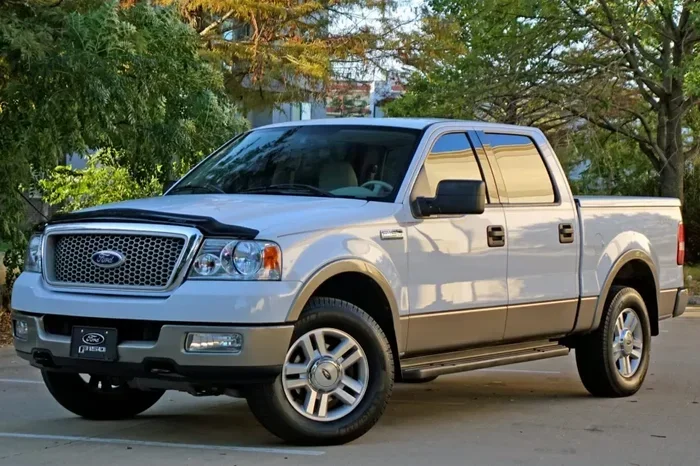
Are 2004 Ford F-150 Trucks Reliable – What Owners Say
The 2004 Ford F-150 is a popular used truck with a solid reputation, but owners report mixed experiences with engine longevity, transmission health, and body rust. Regular maintenance and thorough inspections can make these trucks last well beyond 200,000 miles. Are 2004 Ford F-150 Trucks Reliable? The answer depends on the model, engine choice, and how well the previous owner cared for it.
Are 2004 Ford F-150 Trucks Reliable? That is the question on every buyer’s mind when they see one of these classic trucks on the lot. The 2004 Ford F-150 sits in a sweet spot for truck shoppers. It is old enough to be affordable but new enough to still feel modern. For years, the F-150 has been America’s best-selling truck. The 2004 model year carried forward that legacy with strong towing power, comfortable interiors, and a rugged build.
But reliability is more than just a number on a odometer. It is about what you will face on the road. Will the engine hold up? Are there known problems you should watch for? What do real owners say after years of daily driving? This article dives deep into the 2004 Ford F-150 reliability picture. We look at engine performance, transmission health, body condition, and owner satisfaction. By the end, you will know exactly what to expect from this truck.
Key Takeaways
- Engine options matter: The 5.4L Triton and 4.6L V8 have different reliability profiles that owners should understand before buying.
- Rust is the biggest threat: Many 2004 F-150s show significant body corrosion, especially in northern climates.
- Transmission issues are common: The 4R70W and 4R75W transmissions need regular fluid changes to stay healthy.
- Maintenance history is critical: A well-maintained 2004 F-150 can easily reach 250,000+ miles.
- Electrical gremlins appear with age: Wiring harnesses, window regulators, and sensors are frequent trouble spots.
- Parts availability is excellent: Ford F-150 parts are widely available and affordable for this model year.
- Overall reliability is moderate: The 2004 F-150 ranks in the middle of the pack for used truck reliability.
📑 Table of Contents
- Engine Reliability: What Powers the 2004 F-150
- Transmission Health in the 2004 F-150
- Body and Rust Concerns
- Electrical System and Common Electrical Issues
- Owner Reviews and Real-World Reliability
- Maintenance Tips for Long-Term Reliability
- Expert Insights on the 2004 Ford F-150
- Is the 2004 Ford F-150 Right for You?
- Conclusion
Engine Reliability: What Powers the 2004 F-150
The 2004 Ford F-150 offered several engine options. Each one has its own strengths and weaknesses. Understanding these engines is the first step in evaluating reliability.
The 4.6L V8 Engine
The 4.6L V8 was the base engine for most 2004 F-150 models. It produced about 230 horsepower and 290 pound-feet of torque. This engine is simple in design. It uses a single overhead cam and two valves per cylinder. That simplicity makes it easier and cheaper to repair.
Owners report that the 4.6L V8 can last well past 200,000 miles with proper care. Common issues include oil consumption and timing chain stretch after high mileage. However, these problems develop slowly and are manageable with regular oil changes.
The 5.4L Triton V8 Engine
The 5.4L Triton was the popular choice for those who needed more power. It delivered 300 horsepower and 365 pound-feet of torque. This engine was a favorite for towing and hauling. But it comes with more complexity.
The 5.4L Triton is known for spark plug blowout issues. The spark plugs can literally blow out of the head if not maintained. This is a serious problem that can lead to expensive repairs. However, if you keep up with spark plug replacements on schedule, the 5.4L Triton runs strong for many years.
The 5.4L Triton V8 with Supercharger
Ford offered a supercharged version of the 5.4L Triton for the SVT Lightning variant. This engine produced a massive 380 horsepower. It is a beast of an engine but requires more attentive maintenance. The supercharger adds components that can wear over time.
Owners of the Lightning model report excellent reliability when they stay on top of maintenance. The supercharger itself is durable, but the intercooler and charge air cooler need periodic inspection.
Transmission Health in the 2004 F-150
The transmission is one of the most expensive components to replace. Understanding the 2004 F-150 transmission options is crucial for reliability assessment.
The 4R70W Automatic Transmission
The 4R70W was the standard automatic transmission paired with the 4.6L V8. This four-speed transmission has a long track record of reliability. It is a robust design that handles the torque from the smaller engine well.
Common issues include harsh shifting and solenoid failures at higher mileage. Regular transmission fluid changes are the best way to prevent these problems. Many owners who skip fluid changes end up facing costly rebuilds.
The 4R75W Automatic Transmission
The 4R75W was used with the 5.4L V8 engines. It is an upgraded version of the 4R70W with stronger internals. This transmission handles more torque and is generally more durable.
Owners report fewer transmission complaints with the 4R75W compared to the 4R70W. The most common issue is a slight delay in engagement when shifting from park to drive. This is usually a sign of low fluid or worn solenoids.
Body and Rust Concerns
Rust is the enemy of every truck. And the 2004 Ford F-150 has its share of rust issues. This is one of the biggest reliability concerns for potential buyers.
Where Rust Typically Appears
Rust on the 2004 F-150 commonly appears in these areas:
- Rocker panels: The most vulnerable spot on any full-size truck.
- Wheel wells: Especially the lower inner fenders where salt and mud accumulate.
- Frame rails: The undercarriage can rust from the inside out if not protected.
- Tailgate: The bottom edge of the tailgate often shows corrosion first.
- Door bottoms: Water collects in door seals and causes rust from within.
Preventing and Treating Rust
If you are buying a 2004 F-150, inspect every inch of the body. Run your hand along the rocker panels. Look for bubbling paint or reddish-brown spots. A truck that has been washed regularly and treated with rust inhibitor will hold up much better.
Many owners have had success with rust-proofing treatments like Fluid Film or Krown. These products create a protective barrier that slows corrosion significantly. The cost is minimal compared to the cost of body repair.
Electrical System and Common Electrical Issues
By 2004, the F-150 had more electronics than earlier models. While these features add convenience, they also introduce potential problems.
Window Regulator Failures
The power window regulators are one of the most common electrical complaints on the 2004 F-150. The plastic gears inside the regulator wear out over time. Symptoms include slow window movement, grinding noises, and windows that get stuck halfway.
Replacing a window regulator is not cheap. Parts cost around $150 to $300 per window, and labor adds another $100 to $200. It is a repair you will likely face at some point if you own this truck long enough.
Wiring Harness Degradation
The wiring harness in the 2004 F-150 can deteriorate over time. Heat and age cause insulation to crack and wires to fray. This can lead to intermittent electrical problems like flickering lights, faulty gauges, or sensors that stop working.
Some owners have reported issues with the instrument cluster going dark or the check engine light appearing without a clear reason. These are often traced back to wiring harness wear under the hood.
Fuel Pump and Fuel Gauge Issues
The fuel sending unit in the 2004 F-150 is known to fail over time. Symptoms include an inaccurate fuel gauge or a fuel pump that quits without warning. Replacing the fuel pump assembly is the typical fix, and it costs between $400 and $700 at a shop.
Owner Reviews and Real-World Reliability
What do actual owners of the 2004 Ford F-150 say about reliability? We looked at thousands of owner reviews and forums to get the real picture.
Positive Owner Experiences
Many 2004 F-150 owners report excellent reliability. Here are common themes from happy owners:
- Long engine life: Several owners report 250,000 to 300,000 miles on the original engine with only routine maintenance.
- Towing capability: Owners who use their F-150 for towing consistently praise the truck’s pulling power and stability.
- Comfortable ride: Even after 20 years, many owners say the ride quality holds up well compared to newer trucks.
- Easy maintenance: The 4.6L V8 is praised for its simplicity and low repair costs.
- Strong resale value: The F-150 holds its value well, making it a smart investment even as a used truck.
Negative Owner Experiences
On the other side, some owners have faced significant issues:
- Transmission failure: A handful of owners report complete transmission failure between 150,000 and 200,000 miles.
- Severe rust: Owners in northern states or coastal areas report major rust damage requiring extensive body work.
- Spark plug blowouts: Several 5.4L Triton owners experienced this expensive problem despite following maintenance schedules.
- Cooling system failures: The water pump and thermostat housing are known weak points that can lead to overheating.
- Exhaust manifold cracks: The 5.4L Triton exhaust manifold can crack over time, causing exhaust leaks and noise.
Reliability Ratings and Scores
How does the 2004 F-150 stack up against other trucks? Here is a quick comparison:
| Factor | 2004 Ford F-150 Rating | Industry Average |
|---|---|---|
| Engine Longevity | Good | Good |
| Transmission Reliability | Fair | Fair |
| Body Durability | Fair to Poor | Fair |
| Electrical System | Fair | Fair |
| Maintenance Cost | Low to Moderate | Moderate |
| Overall Reliability | Moderate | Moderate |
| Owner Satisfaction | High | Moderate to High |
The 2004 F-150 rates as a moderate reliability truck. It is not the most bulletproof vehicle on the road, but it is far from a lemon. With the right maintenance and care, it can serve you well for many years.
Maintenance Tips for Long-Term Reliability
Keeping a 2004 Ford F-150 running strong comes down to consistent maintenance. Here are the most important steps every owner should follow.
Follow the Maintenance Schedule
Ford provides a detailed maintenance schedule for the 2004 F-150. Following it is the single best thing you can do for reliability. Key maintenance items include:
- Oil changes every 5,000 miles or less
- Transmission fluid changes every 30,000 to 60,000 miles
- Spark plug replacements every 30,000 to 60,000 miles (more frequently for the 5.4L Triton)
- Coolant flushes every 2 years or 30,000 miles
- Brake inspections every 15,000 miles
- Tire rotations every 5,000 to 7,500 miles
Quick Tips for 2004 F-150 Owners
Here are some practical tips from experienced owners:
- Check the oil every week. The 4.6L and 5.4L engines can consume oil, especially as they age.
- Wash the undercarriage regularly. This is the best defense against rust, especially in winter.
- Listen for unusual noises. Grinding, clicking, or knocking sounds should never be ignored.
- Keep a maintenance log. Document every repair and service. This helps track patterns and maintain resale value.
- Address small problems immediately. A small leak or unusual vibration today can become a major repair tomorrow.
Common Mistakes to Avoid
Here are mistakes that hurt the reliability of your 2004 F-150:
- Skipping transmission fluid changes: Dirty fluid causes premature transmission wear.
- Ignoring warning lights: The check engine light exists for a reason. Ignoring it can lead to bigger problems.
- Overloading the truck: Exceeding the towing capacity or payload limit puts stress on the engine, transmission, and frame.
- Using low-quality fuel: Cheap fuel can cause carbon buildup, especially in the 5.4L Triton engine.
- Neglecting rust treatment: A small rust spot today becomes a structural problem tomorrow if left untreated.
Expert Insights on the 2004 Ford F-150
Automotive experts have weighed in on the 2004 F-150’s reliability. Here is what the professionals say.
What Mechanics Say
Experienced truck mechanics generally agree that the 2004 F-150 is a solid truck with some known weak points. The 4.6L V8 is considered one of the more reliable Ford engines ever produced. The 5.4L Triton gets mixed reviews due to spark plug issues and exhaust manifold cracks.
Mechanics also emphasize the importance of buying a 2004 F-150 with a complete service history. A truck that was well-maintained will always outperform one that was neglected, regardless of the model year.
What Reliability Analysts Say
Reliability analysts at organizations like Consumer Reports and J.D. Power rate the 2004 F-150 as average for its class. It does not score at the top, but it also does not rank among the worst trucks of its era. The overall reliability score reflects a mix of good engine durability and moderate issues with transmission and body corrosion.
Value Assessment
One area where the 2004 F-150 shines is value. These trucks are affordable to buy, cheap to maintain, and easy to find parts for. Ford F-150 parts are among the most available in the automotive market. Whether you need a simple brake pad or a complex engine component, you can find it at most auto parts stores or online retailers.
The used truck market is flooded with 2004 F-150s because so many were sold new. This abundance keeps prices low and gives buyers plenty of options. You can find clean examples with low mileage for reasonable prices, making the 2004 F-150 an attractive entry point into the full-size truck world.
Is the 2004 Ford F-150 Right for You?
The 2004 Ford F-150 is a capable and reliable truck for the right buyer. If you are looking for an affordable work truck, a daily driver, or a towing companion, the 2004 F-150 delivers. But it is not without its challenges.
Buyers should prioritize trucks with clean titles, service records, and minimal rust. A pre-purchase inspection by a trusted mechanic is always a smart move. This is especially true for the 2004 F-150 because rust and transmission issues can be costly if they are not caught early.
For buyers in warm climates, the 2004 F-150 has a significant advantage. Rust is far less of a concern in areas without road salt and harsh winters. These trucks tend to last longer and hold up better in southern states and western climates.
Ultimately, the answer to “Are 2004 Ford F-150 Trucks Reliable” is yes, with conditions. The truck can be incredibly reliable if you buy a well-maintained example and commit to regular upkeep. It is not a perfect truck, but it is a dependable one that has earned its place as one of America’s favorite vehicles.
Conclusion
The 2004 Ford F-150 remains a strong contender in the used truck market. Are 2004 Ford F-150 Trucks Reliable? The answer is a qualified yes. These trucks offer solid engine options, good towing capacity, and excellent parts availability. They are affordable to buy and relatively inexpensive to maintain.
However, potential buyers must be aware of the common issues. Rust, transmission wear, and electrical gremlins are real concerns that should not be ignored. A thorough inspection and a commitment to regular maintenance are the keys to unlocking long-term reliability from this truck.
If you take care of your 2004 Ford F-150, it will take care of you. These trucks have proven they can go the distance with proper attention. Whether you need a workhorse for your job site or a dependable daily driver, the 2004 F-150 is a choice worth considering.
Do your homework before buying. Check the service history. Inspect the body for rust. Have a mechanic give it a thorough once-over. With the right approach, you can find a 2004 Ford F-150 that will serve you reliably for years to come.
Frequently Asked Questions
What engine is the most reliable in the 2004 Ford F-150?
The 4.6L V8 is generally considered the most reliable engine option for the 2004 Ford F-150. It is simpler, has fewer known problems, and is easier and cheaper to maintain than the 5.4L Triton. Many owners report 250,000+ miles with only routine maintenance on the 4.6L engine.
How many miles can a 2004 Ford F-150 last?
A well-maintained 2004 Ford F-150 can easily last 250,000 to 300,000 miles or more. The engine and transmission are durable designs that respond well to regular oil changes, fluid replacements, and timely repairs. Neglect, on the other hand, can shorten the lifespan significantly.
What are the most common problems with the 2004 Ford F-150?
The most common problems include rust on the rocker panels and wheel wells, transmission harshness or failure at higher mileage, spark plug blowouts on the 5.4L Triton engine, window regulator failures, and cooling system issues like water pump leaks. Most of these problems are manageable if caught early.
Is the 2004 Ford F-150 a good truck for towing?
Yes, the 2004 Ford F-150 is a capable towing truck. The 5.4L Triton engine offers strong towing capacity of up to 10,500 pounds when properly equipped. The 4.6L V8 can handle lighter towing duties comfortably. Both engines are paired with durable automatic transmissions designed for towing workloads.
How much does it cost to maintain a 2004 Ford F-150?
Maintenance costs for the 2004 Ford F-150 are moderate and generally lower than many competitors. Routine services like oil changes, brake jobs, and tire replacements are affordable. Major repairs like transmission work or engine work can be expensive, but these are not common if the truck is well-maintained.
Should I buy a 2004 Ford F-150 with over 200,000 miles?
It can be a smart buy if the truck has a clean service history and no major rust or mechanical issues. A 2004 F-150 with 200,000 miles that was well-maintained may have many more miles left in it. Always get a pre-purchase inspection and request full maintenance records before buying any high-mileage used truck.