How Heavy Is a Jeep Hardtop Everything You Should Know
The weight of a Jeep hardtop varies by model and material, typically ranging from 100 to 200 pounds. A standard Jeep hardtop weight for a two-door Wrangler falls around 100 to 120 pounds, while four-door Unlimited models can exceed 150 pounds. Understanding the Jeep hardtop pounds helps you plan for removal, storage, and upgrades with confidence.
So you have been thinking about adding or swapping a hardtop on your Jeep. Maybe you love the rugged look, or perhaps you want better insulation during winter drives. Whatever your reason, one question keeps popping up: how heavy is a Jeep hardtop?
The answer is not as simple as a single number. Jeep hardtop weight depends on several factors, including the model, the material, and the year of production. A hardtop for a classic two-door Wrangler weighs quite differently from a hardtop designed for a four-door Unlimited.
In this guide, we break down everything you need to know about Jeep hardtop pounds. We will look at specific weights, compare materials, and share practical tips for handling and storing your hardtop. Whether you are a seasoned Jeep owner or just starting your journey, this article has you covered.
Key Takeaways
- Jeep hardtop weight varies by model: Two-door Wrangler hardtops weigh around 100 to 120 pounds, while four-door Unlimited hardtops can reach 150 to 200 pounds.
- Material matters: Fiberglass hardtops are lighter than steel hardtops, and polycarbonate options offer a middle ground.
- Removal is manageable with the right technique: Most people can remove a hardtop in under 30 minutes with a helper.
- Storage considerations are important: A heavy hardtop needs proper support and a dry, climate-controlled space.
- Hardtop vs soft top weight difference is significant: A soft top weighs far less than a hardtop, affecting fuel economy and handling.
- Installation complexity depends on the model: Newer models with factory hardtops are easier to install than aftermarket options.
- Always check your specific model year: Weight specs change between generations and trim levels of Jeep vehicles.
📑 Table of Contents
- Why Does Jeep Hardtop Weight Matter?
- Material Matters: What Is Your Hardtop Made Of?
- Hardtop vs Soft Top Weight Comparison
- How to Safely Remove and Handle Your Jeep Hardtop
- Storage Tips for Your Jeep Hardtop
- Installing a New Jeep Hardtop: What to Expect
- How Much Does a Jeep Hardtop Cost?
- Key Takeaways
- Final Thoughts
Why Does Jeep Hardtop Weight Matter?
You might wonder why the weight of a hardtop is such a big deal. After all, it just sits on top of the vehicle, right? Well, not exactly. The weight of your hardtop affects several important aspects of your Jeep experience.
First, consider fuel economy. A heavier hardtop adds weight to the vehicle, which can reduce your miles per gallon. This is especially true if you frequently drive with the hardtop installed. Second, think about handling and balance. A heavy hardtop raises the center of gravity slightly, which matters during off-road adventures or sharp turns.
Third, removal and storage become more challenging with a heavier hardtop. If you plan to remove it for summer cruising, you need enough upper body strength and a helper. Fourth, roof rack compatibility depends on how much weight the rack can safely support.
Understanding the weight also helps when you are shopping for a new or used hardtop. You want to make sure the hardtop fits your vehicle and your lifestyle. Nobody wants to be surprised by a 180-pound slab of fiberglass or steel sitting on their garage floor.
How Heavy Is a Jeep Hardtop by Model
The Jeep hardtop weight varies quite a bit depending on which Jeep model you own. Here is a breakdown of the most popular models and their approximate hardtop weights.
- Jeep Wrangler two-door (JK/JL): A standard hardtop for a two-door Wrangler typically weighs between 100 and 120 pounds. The Jeep hardtop pounds for the JL generation are slightly higher due to updated design features.
- Jeep Wrangler four-door Unlimited (JK/JL): The four-door hardtop is significantly heavier, ranging from 140 to 200 pounds. The extra length of the roof adds substantial weight.
- Jeep Wrangler YJ (1987-1995): Older YJ hardtops tend to weigh around 100 to 110 pounds. These classic hardtops are often made from heavier gauge steel.
- Jeep Wrangler TJ (1997-2006): TJ hardtops fall in the 105 to 125-pound range, depending on whether they include a rear window or not.
- Jeep Gladiator: The Gladiator hardtop is similar to the Wrangler Unlimited, weighing around 150 to 190 pounds.
These numbers are approximate and can vary based on the manufacturer, the year, and any additional features like tinted windows or sunroof panels. Always check the specifications for your specific model year before purchasing a replacement hardtop.
Material Matters: What Is Your Hardtop Made Of?
The material of your hardtop plays a huge role in determining its weight. Not all hardtops are created equal, and the material affects everything from weight to durability to sound insulation.
Steel Hardtops
Steel hardtops are the traditional choice for many Jeep owners. They are durable, offer excellent security, and provide a classic look. However, they are also the heaviest option. A steel hardtop for a two-door Wrangler can weigh close to 120 pounds or more.
Older Jeep hardtops, like those for the YJ and TJ models, were often made from stamped steel. These tend to be heavier than modern steel hardtops. Newer steel hardtops use lighter gauge steel and sometimes include reinforcement ribs that add strength without adding too much extra weight.
The downside of steel is that it can rust over time if the paint gets chipped or scratched. It also transmits more road noise into the cabin compared to other materials.
Fiberglass Hardtops
Fiberglass hardtops are a popular aftermarket option. They are generally lighter than steel hardtops, with weights often falling in the 80 to 110-pound range for a two-door Wrangler. Fiberglass also offers better insulation and reduces road noise.
However, fiberglass can crack or chip upon impact. It is not as bulletproof as steel in terms of durability. If you plan to use your Jeep for serious off-roading, a fiberglass hardtop might not hold up as well as a steel one.
Polycarbonate Hardtops
Polycarbonate hardtops are the newest option on the market. They are lightweight, typically weighing between 70 and 90 pounds for a two-door Wrangler. Polycarbonate is essentially a high-grade plastic that is incredibly tough and resistant to impact.
The trade-off is that polycarbonate can scratch more easily than steel or fiberglass. It also offers less insulation, which means you might feel more heat or cold inside the cabin. For owners who prioritize weight savings, polycarbonate is an excellent choice.
Aluminum Hardtops
Aluminum hardtops are less common but worth mentioning. They are lighter than steel but heavier than fiberglass or polycarbonate. Weighing in at around 90 to 110 pounds for a two-door model, aluminum offers a good balance of durability and weight.
Aluminum does not rust, which is a major advantage. However, it can dent more easily than steel. Some premium aftermarket hardtops use aluminum construction for a sleek, modern look.
Hardtop vs Soft Top Weight Comparison
If you are deciding between a hardtop and a soft top, the weight difference is one of the biggest factors to consider. A soft top Jeep weight is significantly less than a hardtop setup.
A standard soft top for a two-door Wrangler weighs approximately 40 to 60 pounds. Compare that to a hardtop weighing 100 to 120 pounds, and the difference is clear. The soft top is roughly half the weight of a hardtop.
This weight difference affects several things. A lighter soft top puts less strain on the roof structure and brackets. It also makes removal and installation much easier for one person. On the other hand, a hardtop provides better insulation, security, and noise reduction.
For those who want the best of both worlds, some owners keep a soft top for warm weather and switch to a hardtop during winter months. This seasonal swap is easier when you understand the weight involved.
| Feature | Hardtop (Two-Door) | Soft Top (Two-Door) |
|---|---|---|
| Average Weight | 100 – 120 lbs | 40 – 60 lbs |
| Insulation | Excellent | Moderate |
| Security | High | Low |
| Noise Reduction | Very Good | Moderate |
| Ease of Removal | Requires 2 People | 1 Person Can Do It |
| Durability | Very High | Moderate |
| Cost (Average) | $800 – $2,500 | $300 – $1,200 |
How to Safely Remove and Handle Your Jeep Hardtop
Handling a hardtop that weighs over 100 pounds requires care and the right approach. Improper removal can damage the hardtop, the vehicle, or even cause injury.
Tools You Will Need
- A second person to help lift
- A soft blanket or moving pad
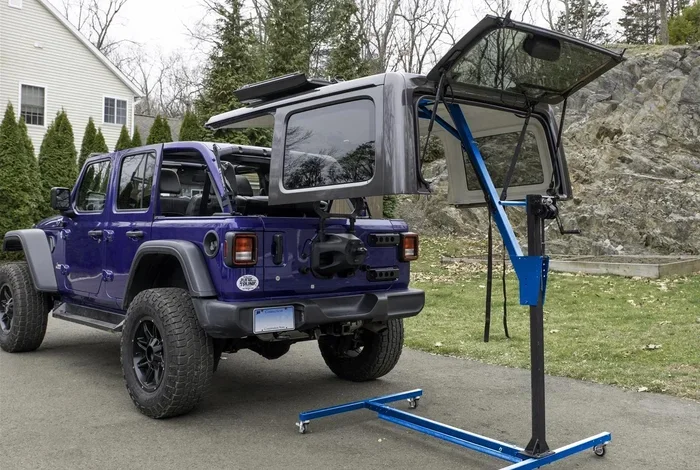
- A hardtop lift or hoist (optional but helpful)
- Socket wrench set for removing bolts
- Gloves for grip and protection
Step-by-Step Removal Process
- Find a flat, open area: Work on a level surface with plenty of room around the Jeep.
- Remove the rear glass: Most hardtops have a rear window that pops out. Set it aside carefully.
- Unbolt the hardtop: Locate the bolts along the front and sides of the hardtop. Use a socket wrench to loosen them.
- Lift with a partner: Have one person on each side. Lift straight up and away from the vehicle. Do not twist or bend the hardtop.
- Place on a soft surface: Lay the hardtop on a blanket or moving pad to prevent scratches.
Quick Tip: Label the bolts and keep them in a small bag taped to the hardtop. You will thank yourself during reinstallation.
Common Mistakes When Handling a Hardtop
- Trying to remove it alone: Even if you are strong, a hardtop is awkward to handle by yourself. Always have a helper.
- Lifting by the edges: Grip the hardtop from the sides, not the top or bottom edges, to avoid cracking or warping.
- Setting it on a hard surface: Concrete or gravel can scratch or chip the hardtop. Always use a blanket or foam pad.
- Forgetting to support the rear glass: The rear glass is fragile and should be removed and stored separately.
Storage Tips for Your Jeep Hardtop
Once you have removed your hardtop, proper storage is essential. A heavy hardtop stored incorrectly can crack, warp, or collect moisture damage.
First, find a dry, climate-controlled space. Garages are ideal. Avoid storing a hardtop outdoors where it is exposed to rain, sun, and temperature swings. Moisture can seep into seams and cause rust on steel hardtops or mold on the interior padding.
Second, store the hardtop upright or on a flat, padded surface. Never lean it against a wall without support, as it can tip over and crack. Some owners use a hardtop storage stand, which is a simple frame that holds the hardtop securely.
Third, cover the hardtop with a soft cloth or hardtop cover. This prevents dust buildup and protects the surface from scratches. If you have a fiberglass hardtop, be extra careful, as fiberglass is more prone to surface damage than steel.
Fourth, check the hardtop periodically for any signs of damage. Look for cracks, rust spots, or loose seals. Catching problems early saves you from costly repairs down the road.
Installing a New Jeep Hardtop: What to Expect
If you are replacing an old hardtop or upgrading to a new one, the installation process is straightforward but requires patience. Most factory hardtops bolt directly onto the existing roof brackets, making the process simpler than you might think.
For the Jeep Wrangler JL and Gladiator models, factory hardtops are designed for relatively easy removal and installation. The newer generation hardtops use a streamlined bracket system that reduces the number of bolts you need to handle.
Aftermarket hardtops from brands like Bestop, AM, and Rugged Ridge may require minor modifications. Always read the installation instructions carefully before starting. Some aftermarket hardtops include new brackets that need to be mounted to the roof.
Expert Insight: When installing a new hardtop, always torque the bolts to the manufacturer specifications. Over-tightening can crack the hardtop or strip the threads in the roof channel.
The entire installation process typically takes 30 to 60 minutes with two people. It is a great weekend project that does not require any special tools or mechanical expertise.
How Much Does a Jeep Hardtop Cost?
The cost of a Jeep hardtop varies widely based on the material, brand, and model. A basic steel hardtop for a two-door Wrangler can be found for around $800 to $1,200. Premium fiberglass hardtops with tinted windows and better insulation range from $1,200 to $2,000.
Polycarbonate hardtops from top brands like Bestop tend to cost between $1,000 and $1,800. The price reflects the lightweight material and advanced manufacturing process. Keep in mind that the Jeep hardtop weight and the price often go hand in hand, with lighter materials costing more.
Used hardtops are another option. You can find pre-owned hardtops on marketplaces and Jeep forums for 30 to 50 percent less than new. Just inspect the hardtop carefully for cracks, rust, and proper seal condition before purchasing.
Key Takeaways
- Jeep hardtop weight varies by model: Two-door Wrangler hardtops weigh around 100 to 120 pounds, while four-door Unlimited hardtops can reach 150 to 200 pounds.
- Material matters: Fiberglass hardtops are lighter than steel hardtops, and polycarbonate options offer a middle ground.
- Removal is manageable with the right technique: Most people can remove a hardtop in under 30 minutes with a helper.
- Storage considerations are important: A heavy hardtop needs proper support and a dry, climate-controlled space.
- Hardtop vs soft top weight difference is significant: A soft top weighs far less than a hardtop, affecting fuel economy and handling.
- Installation complexity depends on the model: Newer models with factory hardtops are easier to install than aftermarket options.
- Always check your specific model year: Weight specs change between generations and trim levels of Jeep vehicles.
Final Thoughts
The Jeep hardtop weight is an important factor that every Jeep owner should understand. Whether you are planning to remove your hardtop for summer driving, install a new one, or simply curious about the specs, knowing the weight helps you make better decisions.
From steel to fiberglass to polycarbonate, each material offers a different balance of weight, durability, and insulation. A two-door Wrangler hardtop weighs around 100 to 120 pounds, while a four-door Unlimited hardtop can exceed 150 pounds. Always check your specific model year for the most accurate numbers.
Handling a heavy hardtop safely requires a partner, the right tools, and a proper storage plan. With the tips in this guide, you are well-equipped to manage your hardtop with confidence. The weight may be a challenge, but the rugged, classic look and superior protection a hardtop provides make it all worth it.
So the next time someone asks you, how heavy is a Jeep hardtop, you will have a clear, detailed answer. Share this guide with fellow Jeep owners and help them make the best choice for their ride.
How Heavy Is a Jeep Hardtop?
A standard hardtop for a two-door Jeep Wrangler weighs between 100 and 120 pounds, while four-door Unlimited models can range from 140 to 200 pounds. The exact Jeep hardtop weight depends on the model year, material, and any additional features like tinted windows or sunroof panels.
What Is the Lightest Jeep Hardtop Material?
Polycarbonate hardtops are the lightest option, typically weighing between 70 and 90 pounds for a two-door Wrangler. They are made from a high-grade plastic that is tough and impact-resistant, making them a great choice for owners who want to reduce weight without sacrificing durability.
Can I Remove a Jeep Hardtop by Myself?
It is not recommended to remove a hardtop alone, especially since a typical hardtop weighs over 100 pounds. The hardtop is awkward to handle and can be difficult to balance. Having a helper makes the process safer and much easier. If you must do it alone, use a hardtop lift or hoist for support.
Does a Heavier Hardtop Affect Fuel Economy?
Yes, a heavier hardtop can slightly reduce fuel economy compared to a lighter one or a soft top. The added weight increases the load on the engine, which can lower your miles per gallon. However, the difference is usually small and may not be noticeable during normal daily driving.
How Do I Store My Hardtop When It Is Not on the Jeep?
Store your hardtop in a dry, climate-controlled garage. Place it upright on a flat surface or use a hardtop storage stand. Always lay it on a soft blanket or moving pad to prevent scratches. Avoid leaning it against a wall without support, and cover it with a cloth to keep dust off the surface.
Is It Hard to Install a New Jeep Hardtop?
No, installing a new hardtop is a straightforward process that most Jeep owners can complete in 30 to 60 minutes. Factory hardtops bolt directly onto existing roof brackets, and aftermarket hardtops usually come with clear installation instructions. You will need a socket wrench and a helper to lift the hardtop into place safely.
Frequently Asked Questions
What is How Heavy Is a Jeep Hardtop??
How Heavy Is a Jeep Hardtop? is an important topic with many practical applications.