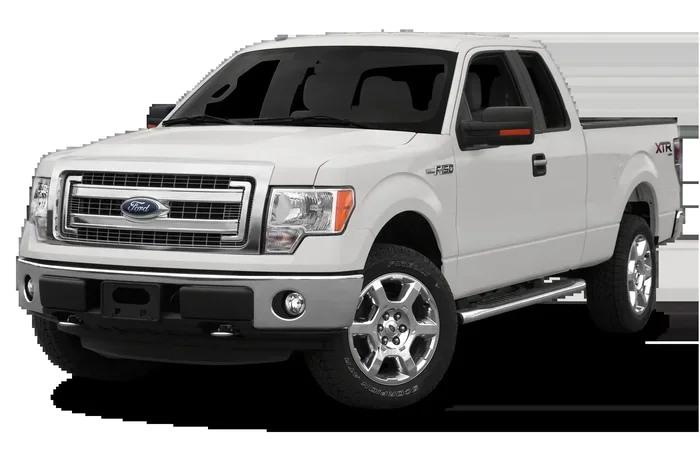
Are 2013 Ford F-150 Trucks Reliable – What Owners Say
The 2013 Ford F-150 has a solid reputation for reliability, but like any truck, it comes with its own set of quirks and concerns. Real owner feedback highlights both strong points and areas that need attention. This article breaks down what truck owners truly think about the 2013 Ford F-150 reliability, covering engine performance, common Ford F-150 problems, maintenance costs, and long-term durability. Whether you are buying used or already own one, you will find honest, practical insights here.
Let us talk about something that matters to a lot of truck buyers and current owners. Are 2013 Ford F-150 trucks reliable? That is the question on many minds, especially if you are shopping for a used truck or already own one. The 2013 model year sits in a sweet spot for the F-150 lineup. It came after Ford made some important changes but before some of the newer technology introduced more complexity. So what do real owners say? This guide digs deep into owner reviews, common issues, maintenance costs, and long-term durability. By the end, you will have a clear picture of what to expect from a 2013 Ford F-150.
When it comes to full-size pickup trucks, the Ford F-150 has been a top seller for decades. The 2013 model year is no exception. Thousands of owners take to forums, review sites, and social media to share their experiences. Some praise the truck endlessly. Others point out specific problems they wish they had known about earlier. The truth usually lies somewhere in between. Understanding both sides helps you make a smarter decision. Whether you use your truck for work, towing, or weekend adventures, reliability matters. And that is exactly what we will cover in this article.
Key Takeaways
- Generally Reliable Truck: The 2013 Ford F-150 earns strong marks from owners for overall dependability and daily driving performance.
- Engine Options Matter: The 5.0L V8 and 3.5L EcoBoost are the most praised engines, while some 3.7L V6 owners report minor issues.
- Common Problems Exist: Transmission hesitation, coolant leaks, and suspension wear are the most reported concerns by owners.
- Low Maintenance Costs: Compared to competitors, the 2013 F-150 offers affordable upkeep and widely available parts.
- Strong Towing and Hauling: Owners consistently praise the truck’s towing capacity and real-world work performance.
- Good Resale Value: The 2013 F-150 holds its value well in the used truck market.
- Owner Satisfaction Is High: Most owners would buy another F-150, citing trust in the Ford brand and truck durability.
📑 Table of Contents
- What Owners Say About 2013 Ford F-150 Reliability
- Engine Performance and Options
- Common Ford F-150 Problems in the 2013 Model
- Maintenance Costs and Ownership Expenses
- Towing and Hauling Performance
- Long-Term Durability and Lifespan
- Quick Tips for Keeping Your 2013 F-150 Reliable
- How the 2013 F-150 Compares to Other Years
- Expert Insights on 2013 Ford F-150 Reliability
- Key Takeaways
- Conclusion
What Owners Say About 2013 Ford F-150 Reliability
Real owner feedback is one of the best ways to judge reliability. Surveys and owner reviews consistently give the 2013 F-150 above-average ratings. Most owners report few major issues during the first 100,000 miles. The truck handles daily driving with ease. It starts every morning. It hauls cargo without complaint. These are the kinds of things that matter when you depend on your truck for work or family transport.
However, no truck is perfect. Some owners report specific concerns that are worth knowing about. The most common complaints involve the transmission, cooling system, and suspension components. These issues tend to appear after higher mileage, usually past 80,000 miles. But here is the good news. Most of these problems are fixable and not catastrophic. They do not take the truck off the road for long. Let us look at what owners are saying in more detail.
Owner Satisfaction Ratings
Multiple reliability surveys place the 2013 F-150 in the above-average range. J.D. Power and Consumer Reports both give it decent scores. Owners frequently mention the truck’s strong build quality and dependable performance. Many say they would buy another F-150 without hesitation. The truck earns high marks for comfort, hauling ability, and overall value. These satisfaction numbers are a strong signal that the 2013 F-150 is a solid choice.
Common Owner Complaints
No truck is flawless. Some owners report transmission hesitation, especially when shifting from park to drive. Others mention coolant leaks that develop over time. A few owners note suspension noises after crossing 100,000 miles. These are real concerns, but they are not dealbreakers for most people. Regular maintenance and timely repairs keep these issues under control. The key is staying on top of service intervals and addressing small problems before they grow.
Engine Performance and Options
The 2013 Ford F-150 offers several engine choices. Each one brings different strengths to the table. Your engine option can affect reliability, fuel economy, and overall driving experience. Let us break down what owners say about each engine.
5.0L V8 Engine
The 5.0L V8 is the most popular engine in the 2013 F-150 lineup. Owners love its raw power and smooth delivery. It pulls heavy loads with ease. Many truck owners say this engine just keeps going and going. The 5.0L V8 has a proven track record. It is simple in design, which makes it easier to maintain. Most owners report very few engine-specific problems with this option. If reliability and power matter most to you, the 5.0L V8 is a strong choice.
3.5L EcoBoost V6 Engine
The 3.5L EcoBoost is a turbocharged engine that delivers impressive power and better fuel economy than the V8. Owners appreciate its towing capability and modern technology. However, some EcoBoost owners have reported issues with the turbocharger and cooling system over time. These are not widespread problems, but they do come up in owner forums. Regular oil changes and proper warm-up routines help keep the EcoBoost running strong. Overall, owners rate this engine highly, but it does require more attentive maintenance.
3.7L V6 and 2.7L EcoBoost Engines
The 3.7L V6 is a workhorse engine that handles everyday tasks well. Some owners feel it lacks power for heavy towing, but it is generally dependable. The 2.7L EcoBoost is a smaller twin-turbo engine that offers a good balance of power and efficiency. Owners of both engines report satisfaction, though the 3.7L has fewer reported issues simply because of its simpler design. Both are solid options depending on your needs.
Common Ford F-150 Problems in the 2013 Model
Every truck has its quirks. The 2013 F-150 is no different. Knowing the common problems helps you stay ahead of issues and budget for repairs. Here are the most frequently reported concerns by owners.
Transmission Issues
The 2013 F-150 uses a 6-speed automatic transmission. Some owners report a slight hesitation when shifting from park to drive, especially in cold weather. This is usually a minor software issue that a dealer can fix with a transmission update. More serious transmission problems are rare but can occur after high mileage. Regular fluid changes are the best way to prevent transmission trouble.
Coolant Leaks
A number of owners have reported coolant leaks, often from the water pump or thermostat housing. These leaks tend to appear around 80,000 to 100,000 miles. Catching a leak early is important. Low coolant levels can lead to engine overheating, which causes much bigger problems. If you notice a green or orange puddle under your truck, get it checked right away.
Suspension Wear
The 2013 F-150 uses a solid front axle and rear leaf springs. After 100,000 miles, some owners notice squeaking or bouncing over bumps. Worn shocks, bushings, and ball joints are the usual culprits. Suspension repairs can be costly, but they are not unexpected for a truck with high mileage. Replacing these parts keeps the truck riding smooth and safe.
Electrical Gremlins
Some owners report minor electrical issues. These include flickering dashboard lights, power window malfunctions, and occasional sensor warnings. Most of these are simple fixes. A loose connection or a failing sensor usually causes them. They are annoying but rarely dangerous. Keeping your electrical system maintained helps prevent these small headaches.
Maintenance Costs and Ownership Expenses
One of the biggest questions owners have is about maintenance costs. How much does it really cost to keep a 2013 Ford F-150 running strong? The answer is generally good news. The F-150 is one of the more affordable full-size trucks to maintain. Parts are widely available and reasonably priced. Many independent shops can service the truck, not just Ford dealers.
Routine maintenance like oil changes, brake pads, and tire rotations fall within the average range for trucks of this size. Oil changes typically cost between $40 and $70. Brake pad replacements run around $200 to $350 per axle. Tires vary widely depending on the type you choose, but expect around $600 to $900 for a full set.
Major repairs like transmission work or engine work can be expensive, but they are not common before 150,000 miles on most 2013 F-150s. Owners who stay on top of regular service tend to avoid major repairs longer. The 2013 F-150 maintenance cost is competitive with other trucks in its class, including the Chevrolet Silverado and Ram 1500 from the same era.
Towing and Hauling Performance
The 2013 Ford F-150 is a capable workhorse. Owners consistently praise its towing and hauling abilities. The truck offers a towing capacity of up to 10,200 pounds when properly equipped. That is enough to pull a large travel trailer, a boat, or heavy equipment. Hauling capacity is equally impressive, with most configurations handling over 2,000 pounds in the bed.
Owners who use their F-150 for work or recreation report high satisfaction with its real-world performance. The truck handles heavy loads without excessive strain. The engine options provide plenty of torque for towing situations. Many owners say the 2013 F-150 makes their work easier and their adventures more enjoyable.
Real-World Towing Experiences
Owner forums are filled with stories of 2013 F-150s towing travel trailers across the country. Owners report that the truck handles highway cruising with stability and confidence. Some mention that the truck could benefit from a transmission cooler when towing heavy loads for extended periods. This is a common recommendation among experienced truck owners and is a smart upgrade for anyone who tows regularly.
Long-Term Durability and Lifespan
How long does a 2013 Ford F-150 last? This is one of the most common questions from buyers. The answer depends heavily on how well the truck is maintained. With regular oil changes, timely repairs, and proper care, a 2013 F-150 can easily reach 200,000 to 300,000 miles. Many owners report crossing the 200,000-mile mark with only minor issues along the way.
The 5.0L V8 engine is particularly known for its longevity. Owners who choose this engine and follow a consistent maintenance schedule report the best long-term results. The truck’s frame and body are built to last. Rust can be a concern in northern climates where salt is used on roads, but proper care and undercoating help prevent this.
When compared to the Chevrolet Silverado 1500 and Ram 1500 from the same year, the 2013 F-150 holds its own in terms of durability. All three trucks have their strengths and weaknesses. But the F-150’s long history of continuous improvement gives it an edge in many owner satisfaction surveys.
Quick Tips for Keeping Your 2013 F-150 Reliable
Want to keep your 2013 Ford F-150 running strong for years to come? Follow these practical tips from experienced owners and mechanics.
- Change your oil every 5,000 to 7,500 miles. Regular oil changes are the single most important thing you can do for engine longevity.
- Check your coolant levels monthly. Catching a coolant leak early prevents costly engine damage.
- Replace transmission fluid at 60,000 miles. Fresh transmission fluid keeps shifts smooth and extends transmission life.
- Inspect suspension components annually. Replacing worn shocks and bushings early saves you from bigger repairs later.
- Keep up with brake inspections. Brake pads and rotors wear faster when towing, so check them regularly.
- Use OEM or quality aftermarket parts. Cheaper parts may save money upfront but can lead to more problems down the road.
- Address small issues immediately. A small noise or warning light today could become a big repair tomorrow.
How the 2013 F-150 Compares to Other Years
The 2013 model year is part of the 10th generation Ford F-150, which ran from 2004 to 2014. Let us look at how it compares to a few other years.
- 2009-2010 F-150: Earlier models in this generation had more reported issues with the cooling system and electrical components. The 2013 model benefited from fixes and improvements made over those years.
- 2011-2012 F-150: These years introduced improvements but still had some of the early teething issues with the new engine options. The 2013 year refined these further.
- 2014 F-150: The 2014 model brought a major redesign with an aluminum body. This made the truck lighter and more fuel-efficient but introduced new concerns about body durability and repair costs.
Overall, the 2013 F-150 is often considered one of the best years in the 10th generation lineup. It balances proven reliability with updated features and improvements. For buyers looking at used trucks, the 2013 model year is a strong contender.
Expert Insights on 2013 Ford F-150 Reliability
Automotive experts generally agree that the 2013 Ford F-150 is a reliable truck. Mechanics who service these trucks regularly point to the solid engine options and straightforward design as key strengths. They also note that the 2013 model year avoided some of the more problematic features that appeared in other years.
Experts recommend buying a 2013 F-150 with a full service history. A well-documented maintenance record gives you confidence that the truck has been properly cared for. They also suggest getting a pre-purchase inspection from a trusted mechanic before buying a used truck. This simple step can reveal hidden issues and save you thousands of dollars in unexpected repairs.
When it comes to long-term ownership, experts emphasize the importance of following the manufacturer’s maintenance schedule. Skipping recommended services may save money in the short term but can lead to much larger expenses later. The 2013 F-150 rewards owners who take a proactive approach to maintenance.
Key Takeaways
- Generally Reliable Truck: The 2013 Ford F-150 earns strong marks from owners for overall dependability and daily driving performance.
- Engine Options Matter: The 5.0L V8 and 3.5L EcoBoost are the most praised engines, while some 3.7L V6 owners report minor issues.
- Common Problems Exist: Transmission hesitation, coolant leaks, and suspension wear are the most reported concerns by owners.
- Low Maintenance Costs: Compared to competitors, the 2013 F-150 offers affordable upkeep and widely available parts.
- Strong Towing and Hauling: Owners consistently praise the truck’s towing capacity and real-world work performance.
- Good Resale Value: The 2013 F-150 holds its value well in the used truck market.
- Owner Satisfaction Is High: Most owners would buy another F-150, citing trust in the Ford brand and truck durability.
Conclusion
So, are 2013 Ford F-150 trucks reliable? The answer is a clear yes for most owners. The 2013 F-150 is a dependable, capable truck that handles daily driving, work duties, and towing with confidence. Like any vehicle, it has its share of common problems, but most are manageable and well-documented. The 5.0L V8 engine stands out as the most reliable option, and the truck’s overall build quality has earned it a strong reputation among owners.
If you are considering buying a used 2013 Ford F-150, you are looking at one of the better years in the 10th generation lineup. The truck offers a great balance of power, reliability, and value. Staying on top of maintenance and addressing small issues promptly will keep your F-150 running strong for hundreds of thousands of miles. The real-world feedback from owners confirms what many truck enthusiasts have known for years. The Ford F-150 is a truck you can count on.
Whether you need a work truck, a family hauler, or a weekend warrior, the 2013 F-150 delivers. Its reliability record, affordable maintenance costs, and strong resale value make it a smart choice in the used truck market. Trust the owners. Trust the track record. The 2013 Ford F-150 is a truck built to last.
Frequently Asked Questions
What is the common problem with the 2013 Ford F-150?
The most commonly reported issue is transmission hesitation when shifting from park to drive, especially in cold weather. Coolant leaks and suspension wear after high mileage are also frequently mentioned by owners. Most of these problems are fixable and not serious safety concerns.
How many miles can a 2013 Ford F-150 last?
With proper maintenance, a 2013 Ford F-150 can last 200,000 to 300,000 miles or more. The 5.0L V8 engine is particularly known for its longevity. Regular oil changes, timely fluid replacements, and prompt attention to small issues all contribute to a longer lifespan.
Is the 2013 Ford F-150 a good used truck to buy?
Yes, the 2013 F-150 is widely considered a good used truck purchase. It offers strong reliability, good towing capacity, and affordable maintenance costs. Buyers should always request a full service history and get a pre-purchase inspection before buying.
How much does it cost to maintain a 2013 Ford F-150?
Annual maintenance costs for a 2013 F-150 typically range from $500 to $1,000 for routine services. Major repairs like transmission or engine work can cost more but are not common before 150,000 miles. Overall, maintenance costs are competitive with other full-size trucks in the same class.
Which engine is the most reliable in the 2013 Ford F-150?
The 5.0L V8 engine is widely regarded as the most reliable option. It has a simple design, proven track record, and fewer reported issues compared to the turbocharged engines. The 3.7L V6 is also a dependable choice for owners who do not need maximum towing power.
Does the 2013 Ford F-150 have any recalls?
The 2013 F-150 had a limited number of recalls, most of which addressed minor issues like transmission software updates and fuel sensor concerns. Owners should check the NHTSA website with their VIN to confirm whether any recall work was completed on their specific vehicle.