Can a 4Runner Be Considered a Truck or Just an SUV
The Toyota 4Runner has long sparked a debate: is it really a truck, or is it just a tough SUV? With its body-on-frame design, four-wheel drive system, and serious off-road chops, the 4Runner shares many traits with traditional trucks. However, its lack of a open cargo bed and manufacturer classification keep it in the SUV category. In this guide, we break down every reason why can a 4Runner be considered a truck and help you decide for yourself.
There is a question that sparks heated debates among truck enthusiasts and SUV lovers alike: can a 4Runner be considered a truck? The Toyota 4Runner has been a staple in the automotive world for decades. It has earned a reputation for being rugged, reliable, and built to handle just about anything you throw at it. But when you look at its official classification, it sits firmly in the SUV category. So what gives?
The truth is, the line between a truck and an SUV has gotten blurry over the years. Vehicles like the 4Runner challenge traditional definitions. They blend the durability of a body-on-frame truck with the comfort and convenience of a modern sport utility vehicle. In this article, we will dive deep into this debate. We will look at the specs, the design, the capabilities, and what the manufacturer itself says. By the end, you will have a clear answer to the question of whether the 4Runner truly earns the title of a truck.
Whether you are a first-time buyer, a seasoned off-roader, or just curious about vehicle categories, this guide has you covered. We will walk through every angle so you can understand exactly where the 4Runner stands in the SUV vs truck conversation.
Key Takeaways
- Body-on-Frame Build: The 4Runner uses a body-on-frame platform, a hallmark of traditional trucks and rugged utility vehicles.
- Strong Off-Road Credentials: TRD trims, high ground clearance, and locking differentors make it one of the best off-road SUVs on the market.
- Towing and Payload: It offers impressive towing capacity and payload for its class, rivaling some small pickup trucks.
- Official Classification: Toyota and the EPA classify the 4Runner as a SUV, not a truck, which affects pricing, emissions, and fuel economy ratings.
- Versatile Utility: The 4Runner fills the gap between a family SUV and a work-ready truck, making it a popular choice for outdoor enthusiasts.
- Longevity and Reliability: Known for lasting well over 200,000 miles, the 4Runner is a dependable daily driver and adventure vehicle.
- The Verdict: While it drives and performs like a truck in many ways, it is officially an SUV — but that doesn’t make it any less capable.
📑 Table of Contents
- What Is the Toyota 4Runner?
- Why People Debate Whether the 4Runner Is a Truck
- How the 4Runner Compares to Traditional Trucks
- What the Manufacturer Says About Its Classification
- So, Can a 4Runner Be Considered a Truck?
- Who Should Choose the 4Runner Over a Traditional Truck
- Key Features That Make the 4Runner Truck-Like
- Common Mistakes People Make When Comparing the 4Runner to Trucks
- Expert Insights: What Automotive Analysts Say
- Final Thoughts: Where Does the 4Runner Really Belong?
What Is the Toyota 4Runner?
The Toyota 4Runner is a mid-size sport utility vehicle that has been around since the mid-1980s. It was originally built as a compact pickup truck with a small enclosed rear section. Over the decades, it has evolved into a full-size SUV that still retains its rugged DNA. Today, it is one of the most popular off-road SUVs in America.
A Brief History of the 4Runner
The first generation 4Runner debuted in 1984. It was essentially a short-bed pickup truck with a bolt-on rear canopy. This design gave it the look and feel of a utility vehicle right from the start. Over the years, Toyota grew the 4Runner bigger and more refined. By the fourth generation in 2003, it had become a full-size SUV with a powerful V6 engine and serious four-wheel drive capability.
The current fifth generation, introduced in 2009 and updated in recent years, continues this legacy. It features a body-on-frame construction, a robust V6 engine, and advanced off-road technology. Toyota built the 4Runner to be tough. It was designed for people who needed a vehicle that could go anywhere and still serve as a daily driver.
Why the 4Runner Stands Out
What sets the 4Runner apart from most other SUVs? The answer lies in its construction and capability. Most modern SUVs use a unibody platform, which is lighter and more car-like. The 4Runner, however, uses a body-on-frame design. This is the same construction method used in traditional trucks and large SUVs. It makes the vehicle stronger, more durable, and better suited for heavy-duty tasks.
Here are some key features that make the 4Runner stand out:
- Body-on-frame chassis for superior durability and load handling
- Four-wheel drive system with multiple drive modes
- High ground clearance for navigating rough terrain
- V6 engine producing around 270 horsepower
- TRD off-road and TRD Pro trims with enhanced suspension and skid plates
- Solid rear axle for better traction off the pavement
- Impressive towing capacity of up to 5,000 pounds
- Cargo space that expands significantly with rear seats folded
These features give the 4Runner a rugged, truck-like feel that few other SUVs can match. It is no wonder so many people wonder whether it should be classified as a truck.
Why People Debate Whether the 4Runner Is a Truck
The debate around the 4Runner’s classification comes down to a few key factors. On paper, it checks many of the boxes that define a truck. But there are also reasons it falls short of the traditional truck label. Let us break down both sides.
The Body-on-Frame Construction
One of the biggest reasons people consider the 4Runner a truck is its body-on-frame construction. Unlike unibody SUVs that weld the body and frame into one piece, the 4Runner has a separate frame with the body mounted on top. This is the same approach used by full-size pickup trucks and heavy-duty work vehicles.
This design offers several advantages:
- Greater structural rigidity for hauling and towing
- Better durability under heavy loads and rough conditions
- Easier and cheaper to repair after damage
- Higher payload capacity compared to unibody SUVs
When you look at the drivetrain and frame design, the 4Runner is closer to a truck than most SUVs. This alone fuels a lot of the debate about its classification.
Off-Road Credentials
The 4Runner is legendary in the off-road community. Its off-road capability rivals many trucks built specifically for trail running. The TRD Off-Road and TRD Pro trims come with locking differentials, crawl control, multi-terrain select, and rock rails. These are features you typically find on off-road trucks and hardcore off-road SUVs alike.
With approach and departure angles that rival small pickup trucks, the 4Runner can tackle trails, river crossings, and rocky terrain with confidence. Its high ground clearance and solid rear axle make it one of the most capable rugged utility vehicles on the market. Many truck owners admit that the 4Runner handles off-road terrain just as well as their pickup.
Towing and Payload Capabilities
When it comes to pulling power, the 4Runner holds its own. With a towing capacity of up to 5,000 pounds, it can haul trailers, boats, and campers. The payload capacity is also respectable, typically ranging from 1,000 to 1,500 pounds depending on the trim and configuration.
Compare this to compact pickups like the Toyota Tacoma, and the 4Runner is not far behind. While it cannot match the hauling power of a full-size truck, it covers a lot of the same use cases. For many buyers, this level of capability is enough to justify thinking of the 4Runner as a truck alternative.
How the 4Runner Compares to Traditional Trucks
To really understand where the 4Runner fits, it helps to compare it directly against traditional trucks. Below is a comparison of the 4Runner against a compact pickup and a midsize truck.
| Feature | Toyota 4Runner | Toyota Tacoma | Ford Ranger |
|---|---|---|---|
| Vehicle Type | SUV | Pickup Truck | Pickup Truck |
| Construction | Body-on-frame | Body-on-frame | Body-on-frame |
| Engine | 4.0L V6 | 3.5L V6 | 2.3L EcoBoost I4 |
| Horsepower | ~270 hp | ~278 hp | ~270 hp |
| Towing Capacity | Up to 5,000 lbs | Up to 6,400 lbs | Up to 7,500 lbs |
| Payload Capacity | ~1,000-1,500 lbs | ~1,500-1,750 lbs | ~1,700-1,900 lbs |
| Ground Clearance | ~9.6 inches | ~9.4 inches | ~8.3 inches |
| Four-Wheel Drive | Standard on most trims | Available | Available |
| Open Cargo Bed | No | Yes | Yes |
| Enclosed Cargo Area | Yes | No (unless tonneau cover) | No (unless tonneau cover) |
| Fuel Economy (Combined) | ~16-17 mpg | ~19-20 mpg | ~21-22 mpg |
As you can see from the table, the 4Runner shares a lot of DNA with pickup trucks. It uses the same basic construction philosophy and offers similar drivetrain options. The main differences come down to cargo configuration and some capability metrics.
Key Differences in Design
The most obvious difference between the 4Runner and a traditional truck is the cargo area. A pickup truck has an open rear bed designed for hauling bulky items. The 4Runner has an enclosed rear cargo area with seats that fold down to create a flat load floor. This makes it more weather-resistant and secure for carrying gear, but it limits the size of items you can transport.
Another difference is overall length and maneuverability. The 4Runner is shorter than most full-size trucks, making it easier to park and navigate tight trails. However, this also means it has less total cargo volume when you need to haul long items like lumber or furniture.
Similarities That Blur the Line
Despite these differences, the similarities between the 4Runner and trucks are striking. Both use body-on-frame construction. Both offer four-wheel drive. Both deliver strong off-road capability and respectable towing numbers. Both are built with durability and utility in mind.
In everyday use, many 4Runner owners treat their vehicles exactly like a truck. They use them to haul gear, tow trailers, and explore remote locations. The utility vehicle purpose of the 4Runner overlaps significantly with what people expect from a pickup truck. This practical overlap is a big reason the debate continues.
What the Manufacturer Says About Its Classification
Toyota classifies the 4Runner as a sport utility vehicle. This is the official designation used in all marketing materials, owner’s manuals, and regulatory filings. But why does Toyota make this choice, and what does it mean for buyers?
Toyota’s Official Stance
Toyota has always marketed the 4Runner as an SUV. The company positions it alongside other SUVs in its lineup, not alongside the Tacoma or Tundra pickup trucks. This marketing decision affects pricing, branding, and how the vehicle is perceived by consumers.
By calling it an SUV, Toyota can offer the 4Runner with features and comfort levels that align with the SUV segment. This includes luxury trims, advanced infotainment systems, and comfort-oriented suspension tuning. At the same time, the rugged off-road trims keep the vehicle firmly rooted in the off-road SUV category.
How the EPA Classifies It
The Environmental Protection Agency also classifies the 4Runner as an SUV. This classification affects fuel economy ratings, emissions standards, and even tax implications in some cases. SUVs are subject to different regulations than light trucks, which can influence everything from fuel efficiency targets to safety requirements.
Interestingly, the EPA’s classification system is based on vehicle footprint and interior volume rather than body style alone. Because the 4Runner has a large interior volume and a substantial footprint, it falls into the SUV category by these metrics. This is another reason the manufacturer and regulators consider it an SUV, not a truck.
So, Can a 4Runner Be Considered a Truck?
Now we get to the heart of the matter. The answer is not a simple yes or no. It depends on how you define a truck and what criteria you prioritize.
The Case for Calling It a Truck
There is a strong case to be made that the 4Runner functions as a truck in many real-world scenarios. Here are the key arguments:
- Body-on-frame construction is the same as used in pickup trucks
- Four-wheel drive and high ground clearance rival many trucks
- Towing capacity of 5,000 pounds is comparable to compact trucks
- Drivetrain and mechanical components are truck-grade
- Rugged off-road capability that exceeds most traditional SUVs
- Utility-focused design built for work and adventure
If you define a truck by its capability, durability, and off-road performance, the 4Runner absolutely qualifies. It is a truck-like SUV that delivers the kind of rugged performance most people associate with pickup trucks.
The Case Against
On the other hand, there are valid reasons to keep the 4Runner in the SUV camp:
- Toyota officially classifies it as an SUV
- It lacks an open cargo bed, a defining feature of pickup trucks
- The EPA categorizes it as an SUV for regulatory purposes
- It does not have the payload or towing capacity of full-size trucks
- Its enclosed cargo area is designed more for passenger gear than freight
- It is priced and marketed as an SUV, not a truck
These points are hard to ignore. The 4Runner simply does not fit the traditional definition of a pickup truck. It is built more as a versatile family vehicle with strong off-road chops than as a workhorse hauling machine.
The Verdict
So, can a 4Runner be considered a truck? The honest answer is: it depends on your perspective. Technically and officially, it is an SUV. But functionally, it blurs the line between truck and SUV more than almost any other vehicle on the road. If you need a vehicle that can handle rough trails, tow moderate loads, and serve as a daily driver, the 4Runner delivers truck-level capability in an SUV package.
Many enthusiasts simply call it a truck anyway because it performs like one. And honestly, that is not really the wrong answer. The vehicle category labels we use are somewhat arbitrary. What matters most is what the vehicle can do for you.
Who Should Choose the 4Runner Over a Traditional Truck
The 4Runner is not for everyone. But for certain types of buyers, it is an ideal choice that fills a unique niche in the SUV vs truck debate.
Best Use Cases for the 4Runner
The 4Runner shines in situations where you need capability but also want everyday comfort and practicality. Here are the best use cases:
- Weekend adventurers who need to haul gear, bikes, or camping equipment
- Families who want a rugged vehicle that can handle off-road trips
- Daily drivers who need a dependable, long-lasting vehicle
- Light towing for boats, trailers, or small campers
- Urban and suburban drivers who occasionally venture off the pavement
- Buyers who want truck-like durability without the open bed
For these buyers, the 4Runner offers the perfect balance of ruggedness and refinement. It is tough enough for serious off-roading but comfortable enough for commuting and road trips.
When a Real Truck Makes More Sense
That said, there are situations where a traditional pickup truck is the better choice. If you regularly haul large loads, need an open bed for bulky cargo, or require maximum towing capacity, a truck like the Toyota Tacoma or Ford Ranger is the way to go. The 4Runner’s enclosed cargo area is a strength for weather protection, but it is a limitation for hauling oversized items.
Also, if fuel economy is a top priority, the 4Runner’s ratings are not as competitive as some smaller trucks or unibody SUVs. Its V6 engine and heavy frame mean it uses more fuel than lighter alternatives.
Key Features That Make the 4Runner Truck-Like
Let us take a closer look at the specific features that give the 4Runner its truck-like reputation.
The TRD Off-Road and TRD Pro Trims
Toyota’s TRD (Toyota Racing Development) division has created special trims that push the 4Runner’s off-road capability to the extreme. The TRD Off-Road trim adds locking differentials, crawl control, and multi-terrain select. The TRD Pro trim adds Fox shocks, rock rails, and special interior accents. These trims are designed for serious trail running and make the 4Runner feel every bit as capable as a dedicated off-road truck.
The 4.0L V6 Engine
The 4Runner is powered by a 4.0-liter V6 engine that produces 270 horsepower and 278 lb-ft of torque. This engine is known for its reliability and durability. It has been in production for nearly two decades with minimal changes, which speaks to its proven design. The V6 provides strong low-end torque, which is exactly what you want when towing capacity and off-road crawling are priorities.
Solid Rear Axle and Suspension
The 4Runner uses a solid rear axle with leaf springs in the rear. This is the same setup found in many pickup trucks and is ideal for maintaining wheel contact on uneven terrain. The front suspension uses double wishbones for better on-road handling while still providing excellent off-road articulation. This combination gives the 4Runner a unique blend of on-road comfort and off-road prowess.
Common Mistakes People Make When Comparing the 4Runner to Trucks
There are a few common errors people make when placing the 4Runner in the truck category. Being aware of these can help you make a more informed decision.
- Assuming body-on-frame means it is a truck: Many modern SUVs use body-on-frame construction, including the Chevy Tahoe and Ford Expedition. This alone does not make a vehicle a truck.
- Overlooking the enclosed cargo area: The lack of an open bed is a key difference. If you need to haul raw materials or oversized items, a pickup truck is a better fit.
- Ignoring official classification: Toyota, the EPA, and most automotive databases classify the 4Runner as an SUV. This has real implications for pricing, fuel economy standards, and regulatory compliance.
- Comparing towing numbers in isolation: Towing capacity alone does not define a truck. Many SUVs and crossovers can tow 5,000 pounds or more.
Avoiding these mistakes will help you evaluate the 4Runner on its own merits rather than through a biased lens.
Expert Insights: What Automotive Analysts Say
Automotive journalists and reviewers have weighed in on the 4Runner’s classification debate. Most agree that the 4Runner is a unique vehicle that defies easy categorization. Car and Driver, MotorTrend, and other outlets consistently call it an SUV, but they also highlight its truck-like qualities.
Many experts point out that the 4Runner occupies a niche that no other vehicle fills as well. It is more capable than most SUVs but more practical for daily use than most trucks. This makes it a compelling choice for buyers who want the best of both worlds. As one reviewer put it, the 4Runner is “the closest thing to a truck that you can drive to work without looking like you are going to a job site.”
Final Thoughts: Where Does the 4Runner Really Belong?
The question of whether can a 4Runner be considered a truck does not have a single definitive answer. It is a vehicle that sits at the intersection of two categories, borrowing strengths from both the truck and SUV worlds. Toyota built it to be a rugged, capable, and dependable utility vehicle that can handle almost any situation.
Officially, it is an SUV. Functionally, it often performs like a truck. And for many owners, the label matters far less than what the vehicle can actually do. The 4Runner has earned its reputation as one of the most capable and long-lasting vehicles on the road. Whether you call it a truck or an SUV, it delivers where it counts.
If you are in the market for a vehicle that combines off-road prowess, towing ability, and everyday practicality, the 4Runner deserves a spot at the top of your list. It may not check every box on the traditional truck checklist, but it comes closer than almost any other SUV. And for a lot of buyers, that is more than enough.
The next time someone asks you whether the 4Runner is a truck or an SUV, you can give them a confident answer. It is a body-on-frame, four-wheel-drive, off-road powerhouse that defies simple categorization. And honestly, that is exactly what makes it so special.
Frequently Asked Questions
Is the Toyota 4Runner officially classified as a truck?
No, Toyota and the EPA classify the 4Runner as a sport utility vehicle. The manufacturer markets it as an SUV, and its regulatory classification reflects that. However, its body-on-frame construction and capability features make it feel and perform like a truck in many ways.
What makes the 4Runner different from a pickup truck?
The main difference is the cargo area. The 4Runner has an enclosed rear cargo space with fold-down seats, while a pickup truck has an open rear bed. The 4Runner also has lower towing and payload capacity compared to most pickup trucks. Additionally, it is marketed and priced as an SUV, not a truck.
Can a 4Runner tow as much as a pickup truck?
Not quite. The 4Runner has a towing capacity of up to 5,000 pounds, which is respectable but lower than most compact and midsize pickup trucks. A Toyota Tacoma, for example, can tow up to 6,400 pounds, and full-size trucks can tow significantly more. The 4Runner is sufficient for towing small trailers, boats, and campers.
Is the 4Runner body-on-frame construction the same as trucks?
Yes, the 4Runner uses a body-on-frame platform, which is the same construction method used by most pickup trucks and large SUVs. This design provides superior durability, rigidity, and load-handling capability compared to unibody SUVs. It is one of the main reasons people consider the 4Runner truck-like.
Why do people consider the 4Runner a truck?
People consider the 4Runner a truck because of its rugged build, four-wheel drive system, high ground clearance, solid rear axle, and impressive off-road capability. Its body-on-frame design and durability also contribute to the truck-like perception. Many owners use it for the same tasks they would use a pickup truck for, such as hauling gear and towing trailers.
Should I buy a 4Runner if I need a truck for work?
If you need an open cargo bed for hauling materials or equipment, a pickup truck is a better choice. However, if your work involves transporting tools, gear, and supplies in an enclosed space, the 4Runner can work well. It also excels at towing and off-road tasks. Consider your specific needs before deciding between a truck and the 4Runner.
=== CONCLUSION ===
The debate over whether can a 4Runner be considered a truck is not going away anytime soon. And honestly, that is part of what makes this vehicle so interesting. The Toyota 4Runner sits in a unique space where the lines between SUV and truck blur significantly. It has the frame, the drivetrain, the off-road capability, and the durability of a truck. But it also has the comfort, the enclosed cargo area, and the official classification of an SUV.
For buyers, this means the 4Runner offers something rare: truck-grade capability wrapped in an SUV package. Whether you are navigating rocky trails, towing a small camper, or just commuting to work in a vehicle that feels bulletproof, the 4Runner delivers. It is a rugged utility vehicle that has earned its place as one of the most beloved and enduring models in the Toyota lineup.
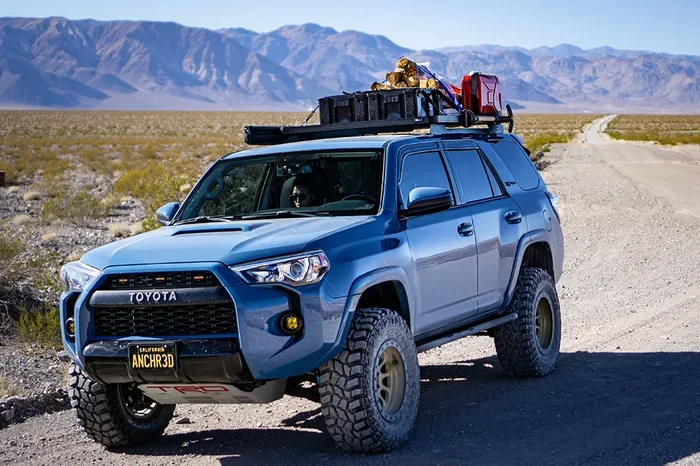
So the next time you see a 4Runner tearing up a trail or parked at a trailhead with gear piled on the roof, remember this: it might officially be an SUV, but it sure drives, works, and plays like a truck. And for thousands of owners across the country, that is exactly what matters most.