Can a Ford F-150 Pull a Camper – Everything You Need to Know
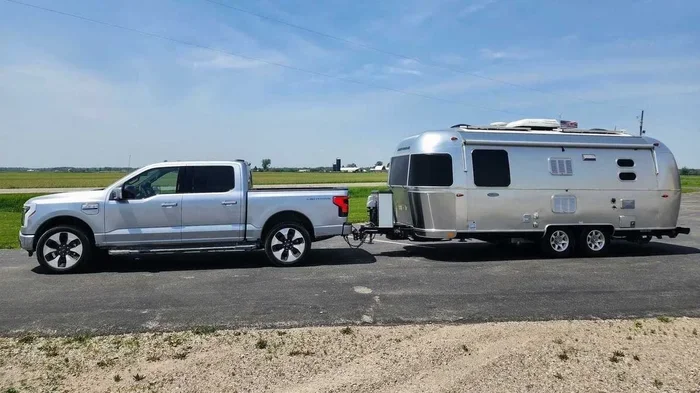
Yes, a Ford F-150 can pull a camper, and it’s one of the most popular trucks for the job. This guide covers towing capacity, hitch types, and safety tips for Ford F-150 towing. You’ll learn how to match your truck with the right camper and avoid common mistakes.
So, you’ve got a Ford F-150 and you’re dreaming of camping trips. That’s a fantastic idea. The F-150 is a workhorse, and it can handle a camper with ease. But can a Ford F-150 pull a camper without any problems? The answer depends on a few key factors. Your truck’s year, engine, and hitch setup all matter. I’ll walk you through everything you need to know.
Knowing your truck’s limits keeps you safe. It also protects your investment. Many people buy a camper without checking the numbers. That can lead to trouble on the road. In this article, I’ll break down towing capacity, camper types, and hitch options. You’ll learn how to match your F-150 with the right setup. Let’s get started.
Key Takeaways
- Ford F-150 towing capacity ranges from 5,000 to 14,000 pounds depending on the engine and trim.
- Always match your camper weight to the truck’s towing and payload limits.
- A gooseneck hitch or fifth wheel provides better stability for heavy trailers than a standard bumper pull.
- Install a trailer brake controller and use safety chains for every trip.
- Proper tongue weight and weight distribution prevent sway and improve handling.
- Pre-trip inspections and smooth driving habits make every journey safer.
📑 Table of Contents
- How Much Can a Ford F-150 Actually Tow?
- Can a Ford F-150 Pull a Camper Safely?
- Picking the Right Camper for Your F-150
- Hitch Systems Explained for Ford F-150 Owners
- Safety and Legal Requirements When Towing
- Driving and Loading Tips for a Smooth Trip
- Common Mistakes That Can Ruin Your Trip
- Final Thoughts on Ford F-150 Camper Towing
How Much Can a Ford F-150 Actually Tow?
What Is Towing Capacity?
Towing capacity is the maximum weight your truck can safely pull. It’s not just about raw power. The engine, transmission, and frame all play a role. Ford rates the F-150 for different towing levels. The lowest trim might handle 5,000 pounds. The top-tier Raptor can pull over 14,000 pounds. Always check your owner’s manual. The number on the door jamb sticker is your guide.
What Affects Towing Capacity?
Several things change how much your truck can tow. The engine is the biggest factor. A 3.3-liter V6 handles less than a 5.0-liter V8. The axle ratio also matters. A higher ratio gives more pulling power. You also need a proper towing package. This includes a heavy-duty cooling system and a trailer sway controller. The payload is another key piece. Payload is the weight your truck can carry in its bed and cabin. You must subtract the camper’s weight from your payload. Otherwise, you’ll overload the truck.
| Engine | Max Towing Capacity | Payload Capacity |
|---|---|---|
| 3.3L V6 | 7,600 lbs | 2,050 lbs |
| 5.0L V8 | 13,500 lbs | 2,140 lbs |
| 3.5L EcoBoost V6 | 13,200 lbs | 2,470 lbs |
| 3.5L PowerBoost Hybrid | 12,700 lbs | 2,090 lbs |
| High Output 3.5L EcoBoost | 14,000 lbs | 1,940 lbs |
These numbers are for 2023–2024 models and vary by trim and configuration. Always confirm your specific truck’s rating.
- Quick Tip: Always tow with the proper hitch and wiring harness.
- Quick Tip: Check your tire pressure before every trip.
- Quick Tip: Use a weight distribution hitch for campers over 6,000 lbs.
Can a Ford F-150 Pull a Camper Safely?
Understanding Camper Weight
Camper weight is the first thing to check. Not all campers weigh the same. A small pop-up camper might weigh 1,500 pounds. A large travel trailer can exceed 8,000 pounds. A truck camper can be even heavier. You need to know the dry weight and the gross vehicle weight rating (GVWR). Dry weight is the camper without water, fuel, or gear. GVWR includes everything. Always add 10% to the dry weight for safety. That accounts for gear, water, and food.
Matching Camper Size to Your F-150
You don’t need the biggest camper if you have a base F-150. A 3.3L V6 can handle a lightweight bumper pull camper. A 5.0L V8 or EcoBoost opens up more options. If you want a large travel trailer, consider a 3.5L EcoBoost. The towing package includes a trailer brake controller and upgraded cooling. It also adds a transmission oil cooler. These features prevent overheating on long climbs.
The Importance of Tongue Weight
Tongue weight is the downward force the trailer puts on the hitch. It should be 10–15% of the total trailer weight. Too little tongue weight causes sway. Too much can overload the rear axle. Use a tongue weight scale to measure. Adjust the load in your camper until it’s correct. This simple step improves stability and safety.
Expert Insight: Many drivers forget to check tongue weight. A simple scale can save you from a dangerous situation. Always measure before you leave.
Picking the Right Camper for Your F-150
Bumper Pull Campers
A bumper pull camper attaches to a standard hitch receiver. It’s the most common type. These campers are easy to maneuver. They work well with most F-150 configurations. A travel trailer is the classic bumper pull. You can find them in many sizes. A 20-foot travel trailer typically weighs between 4,000 and 6,000 pounds. Make sure your F-150’s towing capacity exceeds that number.
Gooseneck and Fifth Wheel Hitches
Gooseneck and fifth wheel hitches sit in the truck bed. They offer better stability for heavy loads. A gooseneck hitch uses a ball mounted over the axle. A fifth wheel uses a kingpin and a rail system. Both are popular for large horse trailers and big fifth wheel campers. The F-150 can handle a gooseneck setup with the right package. Fifth wheel towing requires a specific mounting system. Check your truck’s bed length and payload capacity.
Truck Campers and Pop-Up Campers
A truck camper mounts directly in the bed. It’s a self-contained unit. These campers are great for off-road adventures. A pop-up camper is lightweight and compact. It’s perfect for a base F-150. You can easily remove it when not in use. Both options keep the center of gravity low. That improves handling and safety.
Common Mistakes:
- Underestimating the weight of water and propane tanks.
- Overloading the truck bed with gear.
- Ignoring the payload capacity when adding a camper.
Hitch Systems Explained for Ford F-150 Owners
Receiver Hitches and Weight Distribution
A receiver hitch is the most common type. It slides into the trailer hitch receiver on the truck. You can find them in 1.25-inch, 2-inch, and 2.5-inch sizes. For most campers, a 2-inch receiver works well. A weight distribution hitch levels the trailer. It sends weight to the front axle of the truck. This prevents the rear from sagging. Use one if your camper is near the max towing limit.
Gooseneck and Fifth Wheel Hitches
A gooseneck hitch is compact and strong. It’s ideal for heavy gooseneck trailers. A fifth wheel hitch offers a smoother ride. It reduces jerking when braking. Both require a special mount in the bed. The F-150 can be equipped with a gooseneck or fifth wheel prep package. This includes reinforced bed rails and wiring.
Towing Packages and Wiring
Ford offers several towing packages. The Base Towing Package includes a hitch receiver. The Max Tow Package adds a trailer brake controller and wiring. It also includes a transmission cooler. The 3.5L EcoBoost High Package comes with everything you need. Always confirm the package includes the features you want. You can also add a trailer brake controller aftermarket. This is essential for safe stopping.
- Quick Tip: Use safety chains in a crisscross pattern.
- Quick Tip: Connect the trailer wiring before you hit the road.
- Quick Tip: Test your trailer brakes before every trip.
Safety and Legal Requirements When Towing
Trailer Brakes and Lighting
Many states require trailer brakes for loads over 1,500 pounds. The F-150 can be equipped with a trailer brake controller. This lets you apply the trailer brakes independently. You also need proper lighting. Trailers must have brake lights, turn signals, and tail lights. A wiring harness connects your truck to the trailer. Check all lights before each trip.
Weight Distribution and Sway Control
Weight distribution keeps the truck level. It prevents the rear from dipping under load. Sway control reduces trailer rocking in wind or on bumps. Some hitches have built-in sway control. You can also add an aftermarket sway bar. These systems make towing much safer. They reduce the risk of jackknifing.
Legal Limits and Permits
Every state has different towing laws. Some restrict trailer width or length. Check your local regulations before you travel. You may need a special permit for oversized loads. Always carry your registration and insurance documents. A quick check can save you from a ticket.
Expert Insight: Sway control is not optional. Even a light trailer can sway in crosswinds. A simple friction sway bar can make a huge difference.
Driving and Loading Tips for a Smooth Trip
Loading Your Camper Correctly
Where you place weight matters. Put heavy items over the axle or slightly ahead of it. This keeps the tongue weight in the right range. Avoid packing all your gear on one side. That causes the trailer to pull to one direction. Secure everything with tie-downs. Loose items can shift and unbalance the load.
Driving Techniques for Towing
Drive slower than normal. Increase your following distance. Braking takes longer with a trailer. Avoid sudden lane changes. Use your mirrors to check the trailer. If the trailer starts to sway, ease off the gas. Do not brake hard. A gentle straightening of the steering wheel often fixes sway.
Pre-Trip Inspection Checklist
Before every trip, walk around your setup.
- Check tire pressure on both the truck and trailer.
- Inspect hitch pins and safety chains.
- Verify all lights are working.
- Confirm the trailer brake controller is connected.
- Make sure the load is secure and balanced.
Common Mistakes:
- Forgetting to set the trailer brake controller gain.
- Overloading the front of the trailer.
- Not checking the hitch pin for tightness.
Common Mistakes That Can Ruin Your Trip
Overloading the Truck
The F-150 has a specific payload capacity. This includes the weight of passengers, gear, and the tongue weight of the trailer. If you exceed it, you risk damaging the suspension or brakes. Always weigh your truck fully loaded. You can do this at a truck stop scale. Stay under the rated payload.
Ignoring the Towing Package
Not all F-150s come with a towing package. The base model might lack a transmission cooler. It might also lack the proper wiring. Towing without the right setup can overheat the transmission. That leads to expensive repairs. Always verify your truck has the necessary features.
Neglecting Maintenance
Towing puts extra stress on your truck. Check the transmission fluid more often. Inspect the brakes regularly. Keep the tires properly inflated. A well-maintained truck handles towing much better. It also lasts longer.
- Quick Tip: Get a professional hitch installation if you’re unsure.
- Quick Tip: Practice towing in an empty parking lot before your trip.
- Quick Tip: Keep a fire extinguisher in your truck.
Final Thoughts on Ford F-150 Camper Towing
So, can a Ford F-150 pull a camper? Absolutely. The F-150 is a proven camper hauler. It offers the power, payload, and versatility you need. Whether you choose a small bumper pull or a large fifth wheel, the F-150 can handle it. Just make sure you know your numbers. Check the towing capacity, payload, and hitch setup. Follow the safety tips and driving techniques. A little preparation goes a long way. You’ll enjoy many safe and memorable camping trips. The open road is waiting for you.
Frequently Asked Questions
What is the maximum camper weight a Ford F-150 can pull?
The maximum camper weight depends on your F-150’s engine and towing package. A base 3.3L V6 can tow up to 7,600 pounds. The top-tier High Output 3.5L EcoBoost can tow up to 14,000 pounds. Always check your owner’s manual for the exact rating.
Do I need a special hitch to pull a camper with an F-150?
For most bumper pull campers, a standard 2-inch receiver hitch works fine. For heavier trailers or fifth wheel setups, you’ll need a gooseneck or fifth wheel hitch. Ford offers factory prep kits for these hitch types.
Can a Ford F-150 pull a fifth wheel camper?
Yes, the F-150 can pull a fifth wheel camper with the right setup. You’ll need a fifth wheel hitch mounted in the bed and a towing package that includes proper wiring and a brake controller. Check the payload capacity to ensure safe towing.
How do I know if my camper is too heavy for my F-150?
Compare the camper’s GVWR to your truck’s towing capacity and payload. If the camper’s weight exceeds either number, it’s too heavy. Also, remember to account for the weight of passengers and gear inside the truck.
What towing package do I need for an F-150?
The Max Tow Package is the most comprehensive. It includes a trailer brake controller, wiring harness, transmission cooler, and enhanced engine cooling. The Base Towing Package provides a hitch receiver but may lack some features needed for heavier loads.
Is it legal to tow a camper with an F-150 in all states?
Yes, towing a camper is legal in all 50 states. However, each state has its own rules about trailer brakes, width, and length. Always check the laws of the states you plan to travel through before your trip.