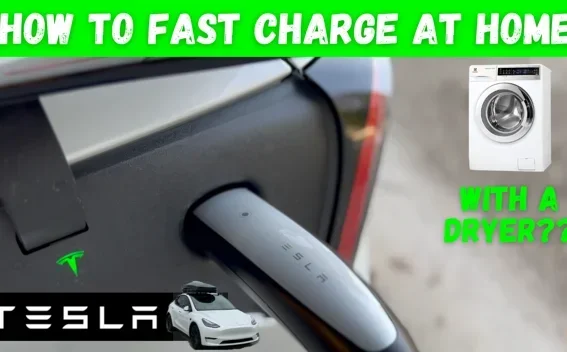
Can I Use a Dryer Outlet to Charge a Tesla at Home
Yes, you can use a dryer outlet to charge a Tesla at home. A standard 240-volt dryer receptacle provides Level 2 charging, which is much faster than a regular wall outlet. You will need the right adapter, a proper circuit setup, and some basic knowledge to do it safely. This guide covers everything you need to know about using a dryer outlet for Tesla charging, including speed estimates, safety tips, and setup steps.
Have you ever wondered if you can use a dryer outlet to charge a Tesla? It is a question many new electric vehicle owners ask. The short answer is yes. A dryer outlet can absolutely power your Tesla at home. But there are important details you need to know before you plug in.
Charging a Tesla from a dryer receptacle is a popular option for people who want faster charging without paying for a full home installation. A standard 240-volt outlet, the kind you plug a clothes dryer into, gives you what is called Level 2 charging. This is much faster than the 120-volt outlet you would use with a regular household plug.
In this article, we will walk you through everything you need to know. We will cover how fast you can charge, what equipment you need, safety tips, and common mistakes to avoid. Whether you are a Tesla owner or just curious about EV charging, this guide has you covered.
Key Takeaways
- A dryer outlet works for Tesla charging: A 240-volt NEMA 14-50 or 14-30 receptacle can power your Tesla at Level 2 speeds.
- Charging speed depends on amperage: A 30-amp dryer circuit adds about 30 miles of range per hour, while a 50-amp setup adds up to 44 miles per hour.
- You need the right adapter: The Tesla mobile connector with a NEMA 14-50 adapter is the most common setup for dryer outlet charging.
- Safety matters a lot: Always check your circuit breaker, wiring, and outlet condition before plugging in your Tesla.
- A Tesla Wall Connector is faster and safer: It is the recommended home charging solution but costs more than using a dryer outlet.
- Common mistakes include overloading circuits: Never share a dryer outlet with other high-power appliances while charging.
📑 Table of Contents
- What Is a Dryer Outlet and How Does It Work?
- Can You Actually Charge a Tesla from a Dryer Outlet?
- How Fast Can You Charge a Tesla on a Dryer Outlet?
- What You Need to Set Up Dryer Outlet Charging
- Safety Considerations and Electrical Requirements
- Pros and Cons of Using a Dryer Outlet for Tesla Charging
- How Does Dryer Outlet Charging Compare to a Tesla Wall Connector?
- Final Thoughts on Using a Dryer Outlet to Charge Your Tesla
What Is a Dryer Outlet and How Does It Work?
A dryer outlet is a special 240-volt electrical receptacle found in most homes. It is different from the standard 120-volt outlets you use every day. The dryer outlet provides more power, which is why it can run a heavy appliance like a clothes dryer.
NEMA 14-50 vs NEMA 14-30 Outlets
There are two common types of dryer outlets. The NEMA 14-50 outlet is the most popular for Tesla charging. It has four prongs and can handle up to 50 amps of current. The NEMA 14-30 outlet is older and smaller. It has three prongs and handles up to 30 amps.
The NEMA 14-50 outlet is what you want if you plan to charge your Tesla regularly. It delivers more power and charges your car faster. Many people install a NEMA 14-50 outlet specifically for EV charging, even if they no longer use it for a dryer.
Here is a quick look at the two outlet types:
- NEMA 14-50: 240 volts, 50 amps, four prongs, best for Tesla charging.
- NEMA 14-30: 240 volts, 30 amps, three prongs, older standard, still usable.
Can You Actually Charge a Tesla from a Dryer Outlet?
The answer is a definite yes. Tesla vehicles come with a mobile connector in the box. This cable lets you plug your car into different types of outlets. With the right adapter, you can connect your Tesla to a dryer receptacle easily.
Tesla includes a NEMA 14-50 adapter with the mobile connector. This means you can plug your Tesla directly into a dryer outlet that has a NEMA 14-50 receptacle. If your home has a NEMA 14-30 outlet instead, you can still charge your Tesla, but you will need a different adapter or an adapter kit.
Many Tesla owners use their dryer outlet as a temporary or secondary charging solution. It works great for overnight charging. You plug in when you get home, and your car is ready to go in the morning.
What You Need to Charge a Tesla from a Dryer Outlet
Here is a simple list of what you need:
- Tesla mobile connector: This comes with your Tesla. It is the cable that plugs into your car.
- NEMA 14-50 adapter: This adapter fits the mobile connector into a dryer outlet. It is usually included with the mobile connector.
- A working 240-volt outlet: Your dryer outlet must be in good condition and properly wired.
- A dedicated circuit: The outlet should be on its own circuit breaker. This prevents overloading.
You do not need a Tesla Wall Connector to use a dryer outlet. The mobile connector and the right adapter are all you need. This makes it a simple and affordable way to add faster charging to your home setup.
How Fast Can You Charge a Tesla on a Dryer Outlet?
Charging speed is one of the most important things to consider. The rate at which your Tesla charges depends on the amperage of the outlet and the circuit breaker.
Charging Speed by Amperage
Here is how fast you can expect to charge on different dryer outlet setups:
- 30-amp circuit: Adds about 30 miles of range per hour of charging. A full charge from near empty takes roughly 20 to 24 hours.
- 40-amp circuit: Adds about 40 miles of range per hour. Charging time drops to around 15 to 18 hours.
- 50-amp circuit: Adds up to 44 miles of range per hour. A full charge takes about 12 to 15 hours.
Compare this to a standard 120-volt outlet, which adds only about 3 to 5 miles of range per hour. The difference is huge. A dryer outlet charges your Tesla roughly six to ten times faster than a regular household outlet.
Keep in mind that the Tesla mobile connector has a maximum amperage limit. Most mobile connectors are rated for 32 amps. So even if you have a 50-amp outlet, the mobile connector will limit the charge rate to around 32 amps. This still gives you a solid charging speed.
Comparison: Dryer Outlet vs Other Charging Options
Here is how a dryer outlet stacks up against other common charging methods:
| Charging Method | Voltage | Amperage | Range Added Per Hour | Full Charge Time (from near empty) |
|---|---|---|---|---|
| Standard 120V Outlet | 120V | 12A | 3-5 miles | 48-72 hours |
| Dryer Outlet (NEMA 14-50) | 240V | 30-50A | 30-44 miles | 12-24 hours |
| Tesla Wall Connector | 240V | 32-48A | 30-44 miles | 10-15 hours |
| Supercharger | 480V DC | Up to 250kW | 200+ miles in 15 min | 20-40 minutes |
As you can see, a dryer outlet falls right between a standard outlet and a Tesla Wall Connector. It is a great middle-ground option for home charging. It gives you much faster speeds than a regular outlet without the cost of a Wall Connector installation.
What You Need to Set Up Dryer Outlet Charging
Setting up a dryer outlet for Tesla charging is straightforward. But there are a few things you should check first to make sure everything works safely.
Step-by-Step Setup Process
- Check your outlet type: Look at the receptacle on your wall. Count the prongs. A four-prong outlet is NEMA 14-50 or NEMA 14-30. A three-prong outlet may be an older NEMA 10-30, which is not recommended for EV charging.
- Verify the circuit breaker: Go to your electrical panel and find the breaker for the dryer outlet. Make sure it matches the outlet rating. A 50-amp outlet needs a 50-amp breaker.
- Inspect the wiring: Look at the outlet faceplate. If you see any burn marks, discoloration, or loose plugs, have an electrician check it before using it for Tesla charging.
- Plug in the mobile connector: Connect the Tesla mobile connector to the outlet using the NEMA 14-50 adapter. Plug the other end into your Tesla.
- Set the charging amperage: On your Tesla touchscreen, go to Controls > Charging > Max Amps. Set this to match your circuit breaker rating. Never exceed the breaker rating.
That is it. You are ready to charge. The whole process takes just a few minutes once you have the right adapter.
Do You Need an Electrician?
For most people, the setup is simple and does not require an electrician. If you already have a working 240-volt dryer outlet, you can use it right away with the mobile connector and adapter.
However, you should call a licensed electrician if:
- Your outlet is old or shows signs of wear.
- You are not sure if your wiring can handle the load.
- You want to install a dedicated 240-volt outlet specifically for EV charging.
- Your electrical panel is old or does not have enough capacity.
An electrician can also help you upgrade your panel if needed. This is especially important if you plan to charge your Tesla every night and run other appliances at the same time.
Safety Considerations and Electrical Requirements
Safety is the most important part of using a dryer outlet for Tesla charging. A 240-volt circuit carries a lot of power, and you need to respect that.
Understanding Your Electrical Panel
Your home’s electrical panel distributes power to all your outlets and appliances. Each circuit has a breaker that protects it from overloading. When you charge a Tesla from a dryer outlet, the circuit breaker does the same job.
Here are some key safety points to keep in mind:
- Never exceed the circuit breaker rating: If your breaker is 30 amps, do not set your Tesla to charge at more than 30 amps.
- Use a dedicated circuit: The dryer outlet should not share a circuit with other appliances. Charging a Tesla draws significant power.
- Check the outlet temperature: If the outlet or plug feels hot while charging, stop immediately and have it inspected.
- Use the right adapter: Do not use cheap or unverified adapters. Always use adapters that meet electrical safety standards.
Common Mistakes to Avoid
Many people make mistakes when setting up dryer outlet charging. Here are the most common ones:
- Using an old NEMA 10-30 outlet: These three-prong outlets are outdated and do not have a ground wire. They are not safe for EV charging.
- Overloading the circuit: Running the dryer and charging your Tesla on the same circuit at the same time can trip the breaker or cause a fire.
- Ignoring the amperage setting: If you do not set the max amps on your Tesla, it may try to draw more power than the circuit can handle.
- Using damaged cords or adapters: Frayed cables or loose connections are a fire hazard. Replace them immediately.
Avoiding these mistakes will keep you safe and protect your home’s electrical system.
Pros and Cons of Using a Dryer Outlet for Tesla Charging
Like any charging method, using a dryer outlet has its advantages and disadvantages. Let us break them down.
Pros
- Lower cost: You do not need to buy a Tesla Wall Connector or pay for a special installation. The mobile connector and adapter are included with your Tesla.
- Faster than a standard outlet: Level 2 charging is significantly faster than using a 120-volt outlet.
- Easy to set up: If you already have a working dryer outlet, the setup takes just a few minutes.
- No dedicated EV infrastructure needed: You can use an existing outlet in your home.
- Good for overnight charging: Most people drive less than 40 miles a day. A dryer outlet can easily replenish that overnight.
Cons
- Slower than a Wall Connector: The mobile connector limits charging speed compared to a dedicated Wall Connector.
- Not ideal for heavy daily use: If you drive more than 50 miles a day, a dryer outlet may not fully recharge your Tesla overnight.
- Shared circuit limitations: You cannot use the dryer and charge your Tesla at the same time on the same circuit.
- Older outlets may need upgrading: NEMA 10-30 outlets are unsafe and should be replaced before use.
- Requires proper electrical setup: If your home does not have a 240-volt outlet, installation costs can add up.
Overall, a dryer outlet is a practical and affordable option for many Tesla owners. It is especially useful as a backup or secondary charging method. For daily primary charging, a Tesla Wall Connector may be a better long-term investment.
How Does Dryer Outlet Charging Compare to a Tesla Wall Connector?
A Tesla Wall Connector is the recommended home charging solution from Tesla. It is a dedicated EV charging station that you can install on your wall. But how does it compare to using a dryer outlet?
The main difference is speed and convenience. A Wall Connector can deliver up to 48 amps of power, depending on your electrical setup. This means faster charging times and more range added per hour. It also connects directly to your Tesla without needing an adapter.
A dryer outlet, on the other hand, is more affordable and uses equipment you already have. If you are on a budget or just need a simple charging solution, a dryer outlet works very well.
Here is a quick comparison to help you decide:
- Cost: A Wall Connector costs around $400 to $500 plus installation. A dryer outlet setup costs little to nothing if you already have the outlet.
- Charging speed: A Wall Connector can charge slightly faster, especially on a 48-amp circuit.
- Installation: A Wall Connector requires professional installation. A dryer outlet setup can be done by anyone with the right adapter.
- Aesthetics: A Wall Connector looks clean and dedicated. A dryer outlet is functional but not as elegant.
Many Tesla owners use both. They charge at a Wall Connector at home for daily use and keep the mobile connector for travel or backup charging at a dryer outlet elsewhere.
Final Thoughts on Using a Dryer Outlet to Charge Your Tesla
Using a dryer outlet to charge a Tesla at home is a practical, affordable, and effective solution. It gives you Level 2 charging speeds without the high cost of a Wall Connector installation. As long as you have a working 240-volt outlet and the right adapter, you can start charging your Tesla right away.
Remember to always prioritize safety. Check your outlet, circuit breaker, and wiring before plugging in. Set the max amperage correctly on your Tesla. And never overload a circuit. If you follow these guidelines, dryer outlet charging is a safe and reliable way to keep your Tesla charged at home.
Whether you are a new Tesla owner or just exploring your options, a dryer outlet is worth considering. It is simple, fast, and costs almost nothing to set up. Give it a try and see how it fits into your daily routine.
Frequently Asked Questions
Can I charge my Tesla from any dryer outlet?
You can charge from most 240-volt dryer outlets, but the outlet type matters. A NEMA 14-50 outlet is ideal. Older NEMA 10-30 outlets are unsafe and should not be used for EV charging. Always check your outlet type before plugging in.
How long does it take to charge a Tesla from a dryer outlet?
Charging time depends on the amperage of your circuit. On a 30-amp circuit, it takes about 20 to 24 hours for a full charge. On a 50-amp circuit, it takes roughly 12 to 15 hours. This makes it perfect for overnight charging.
Do I need any special equipment to charge my Tesla from a dryer outlet?
You need the Tesla mobile connector and a NEMA 14-50 adapter. Both come included with your Tesla. If you have a NEMA 14-30 outlet, you may need an additional adapter or a NEMA 14-50 outlet installed.
Is it safe to charge a Tesla from a dryer outlet?
Yes, it is safe as long as your outlet is properly wired and in good condition. Use a dedicated circuit, never exceed the breaker rating, and avoid using damaged cords or adapters. If you are unsure, have a licensed electrician inspect your setup.
Can I run my dryer and charge my Tesla at the same time?
It is not recommended. Both a dryer and a Tesla draw significant power. Running them on the same circuit at the same time can overload the circuit, trip the breaker, or cause electrical issues. Use the outlet for one purpose at a time.
Should I upgrade to a Tesla Wall Connector instead of using a dryer outlet?
A Wall Connector offers faster speeds and more convenience, but it costs more. If you drive a short daily commute, a dryer outlet is usually enough. If you drive long distances every day or want the fastest possible home charging, a Wall Connector is the better choice.
=== CONCLUSION ===
Can I use a dryer outlet to charge a Tesla at home? Absolutely. A dryer outlet provides Level 2 charging, which is fast, reliable, and affordable. With the right adapter and a safe electrical setup, you can charge your Tesla overnight without any special equipment or expensive installation.
Remember the key points: check your outlet type, match your circuit breaker, set the max amperage correctly, and always prioritize safety. A dryer outlet is a great option for most Tesla owners, especially as a backup or secondary charging solution.
Now that you know how it works, you can make an informed decision about your home charging setup. Give dryer outlet charging a try and enjoy the convenience of powering your Tesla from the comfort of your home.