Can Passengers Drink Alcohol in a Car in Virginia Now
No, passengers cannot drink alcohol in a car in Virginia. Virginia’s open container law prohibits both drivers and riders from having open alcoholic beverages in the passenger area. Violating this law can result in fines, penalties, and even charges that affect your driving record.
Can passengers drink alcohol in a car in Virginia? This is a question many people ask, especially during road trips, parties, and holiday travel. The short answer is no. Virginia law is clear on this matter. Both drivers and passengers face strict rules when it comes to alcohol inside a motor vehicle.
Understanding these rules matters more than most people realize. A simple mistake like leaving an open beer bottle on the back seat can lead to serious legal consequences. Whether you are a driver, a rider, or just someone who wants to stay informed, knowing Virginia’s alcohol laws in vehicles keeps you safe and out of trouble.
Virginia takes its traffic laws seriously. The state has specific statutes that address alcohol consumption inside vehicles. These laws exist to reduce impaired driving, protect passengers, and keep roads safe for everyone. Let us break down exactly what the law says and what it means for you.
Key Takeaways
- Passengers cannot drink alcohol in a vehicle in Virginia. The state’s open container law applies to everyone inside the car, not just the driver.
- Open containers must be stored in the trunk or a locked glove box. Any accessible alcohol in the passenger area is a violation under Virginia law.
- Penalties include fines up to $250 and potential jail time. An open container violation is a Class 4 misdemeanor in Virginia.
- Certain vehicles are exempt. Limousines, buses, motorhomes, and hired transportation may have different rules regarding passenger alcohol consumption.
- Drivers can be held responsible. If a passenger has an open container, the driver may face charges as well.
- Underage passengers face stricter consequences. Virginia takes underage drinking in vehicles very seriously, with additional penalties and license implications.
- Knowing the law protects you from unnecessary legal trouble. Understanding Virginia’s alcohol and vehicle regulations helps you make smarter, safer choices on the road.
📑 Table of Contents
- Virginia’s Open Container Law Explained
- Can Passengers Legally Drink Alcohol in a Virginia Vehicle?
- Potential Penalties for Violating Virginia’s Open Container Law
- Virginia Alcohol Laws for Underage Passengers
- How Virginia Compares to Other States
- Practical Tips for Staying Legal and Safe
- Common Mistakes People Make
- Expert Insights on Virginia’s Alcohol and Vehicle Laws
- What to Do If You Are Stopped with an Open Container
- Conclusion
Virginia’s Open Container Law Explained
The foundation of this topic rests on Virginia’s open container law. This law is found in Virginia Code § 18.2-323. It makes it illegal for anyone in a vehicle to have an open alcoholic beverage container within reach. “Open” means the seal has been broken or the contents have been partially consumed.
Many people assume this law only applies to drivers. That is a common misconception. The law applies to all occupants of the vehicle. This includes the driver, front-seat passengers, and back-seat riders. If an open container is found anywhere in the passenger area, someone can face charges.
What Counts as an Open Container?
You might wonder what exactly qualifies as an open container. Here are some clear examples:
- A beer bottle with the cap removed. Even if it has not been drunk from, breaking the seal makes it an open container.
- A wine glass with leftover wine. Any partially consumed alcoholic drink counts.
- A shot glass or cocktail cup. Any vessel containing alcohol that is not sealed is considered open.
- A can of beer or soda with a broken tab. The opening alone makes it an open container.
The key idea is simple. If the container is not sealed and original from the manufacturer, it is considered open. This includes bottles, cans, and any other vessel holding alcohol. Even an empty container that previously held alcohol can create legal issues if it is not properly stored.
Where Must Open Containers Be Stored?
Virginia law requires that open containers be placed in specific areas of the vehicle. These areas are out of the reach of passengers and the driver. The acceptable storage locations include:
- The trunk. This is the safest and most clearly legal storage spot.
- A locked glove compartment. This is considered a secure area that passengers cannot access while the car is moving.
- Behind the last upright seat. In vehicles like SUVs or vans where there is no traditional trunk, the area behind the last row of seats counts.
If an open container is found in the passenger area, such as the back seat or front seat, the law considers it a violation. The container does not need to be in someone’s hand. Simply having it within reach is enough to trigger a violation.
Can Passengers Legally Drink Alcohol in a Virginia Vehicle?
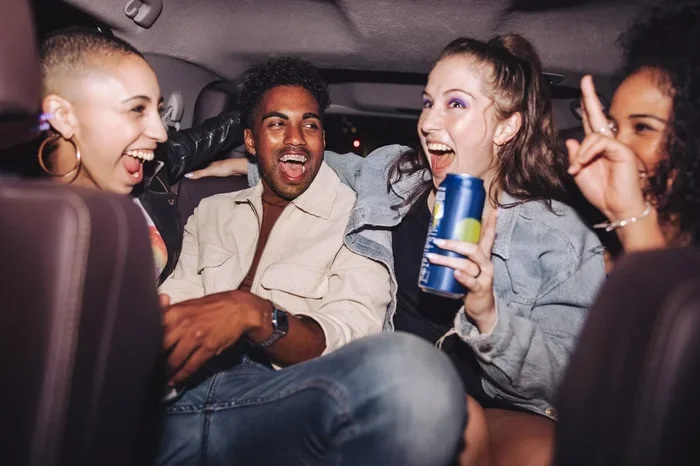
The direct answer is no. Passengers in Virginia cannot drink alcohol while inside a motor vehicle that is on a public road. This rule applies regardless of whether the driver is sober or impaired. Virginia does not allow any form of open alcohol consumption inside a moving vehicle.
This law is part of Virginia’s broader effort to prevent drinking and driving. By making it illegal for passengers to drink, the state reduces the chances of impaired driving incidents. It also simplifies enforcement for law enforcement officers.
Why Does This Law Exist?
The reasoning behind this law is straightforward. Alcohol-impaired driving remains one of the leading causes of traffic fatalities across the United States. Virginia wants to minimize every possible risk factor. When passengers drink in a car, it creates a distracting environment for the driver. It also increases the chance that someone will try to hand the driver a drink or encourage unsafe behavior.
Additionally, the law helps officers enforce DUI laws more effectively. If a passenger is drinking, it raises suspicion about the overall sobriety environment inside the vehicle. Officers are trained to look for these signs during traffic stops and DUI checkpoints in Virginia.
Exceptions to the Passenger Drinking Rule
Virginia law does provide a few exceptions. These apply to specific types of vehicles and situations:
- Limousines and for-hire vehicles. Passengers in licensed limousines may consume alcohol. The driver in these cases is a professional chauffeur, not a regular passenger.
- Buses and charter vehicles. Passengers on licensed buses, such as party buses or tour buses, can legally drink.
- Motorhomes and RVs. Passengers living quarters in motorhomes may consume alcohol while the vehicle is parked. However, the driver must not consume alcohol while operating the vehicle.
- Private property. If the vehicle is parked on private property and not on a public road, the rules may differ. However, this does not protect you from other legal issues.
These exceptions are narrow and specific. If you are unsure whether your situation qualifies, it is best to err on the side of caution. Do not consume alcohol inside any vehicle on a public road.
Potential Penalties for Violating Virginia’s Open Container Law
Violating Virginia’s open container law carries real consequences. Many people underestimate how serious this offense can be. Understanding the penalties helps you make informed decisions.
Criminal Penalties
An open container violation in Virginia is classified as a Class 4 misdemeanor. This is the lowest level of misdemeanor in Virginia, but it still comes with penalties:
- Fines. A first-time violator can face fines up to $250. Repeat offenders may pay higher fines.
- Jail time. While rare for a first offense, a judge can impose up to one year in jail for a Class 4 misdemeanor.
- Court costs. Additional court fees can add to the total financial burden.
Impact on Driving Record
An open container violation goes on your driving record. This can affect your car insurance rates. Insurance companies view any traffic-related offense as a risk factor. A conviction for an open container violation may lead to higher premiums.
While an open container violation alone does not result in license suspension, it can be used as an aggravating factor if you are also charged with DUI or DWI. In those cases, the open container charge can make your overall situation much worse.
Driver Responsibility
Drivers need to understand that they can be held responsible for open containers found in their vehicle. Even if a passenger is the one with the open bottle, the driver may face charges. Virginia law places the responsibility on the driver to ensure no open containers are accessible in the passenger area.
This means drivers should always check their vehicle before driving. Make sure all alcohol is properly stored in the trunk or a locked compartment. This simple habit can save you from legal trouble.
Virginia Alcohol Laws for Underage Passengers
The rules become even stricter when underage passengers are involved. Virginia has zero tolerance for underage drinking and driving. This extends to passengers as well.
Underage Possession of Alcohol in a Vehicle
Virginia law prohibits anyone under 21 from possessing alcohol. This includes having an unopened container in a vehicle. If an underage passenger is found with any alcohol, the consequences can be severe:
- Fines. Underage possession carries its own set of fines and penalties.
- License suspension. Underage offenders may face license suspension even if they were not driving.
- Community service. Courts may require community service as part of the sentence.
- Impact on future opportunities. A conviction can affect college applications, employment, and more.
Parents and guardians should be especially aware of these rules. Allowing underage passengers to drink in a vehicle is illegal and dangerous. It can result in criminal charges against the adult who provided the alcohol.
How Virginia Compares to Other States
Virginia’s open container law is fairly standard compared to other states. Most states in the U.S. prohibit open containers in the passenger area of vehicles. However, the details vary from state to state.
States with Similar Laws
Many states follow the federal model established by the Transportation Equity Act. This federal law encouraged states to adopt open container laws that meet specific standards. Virginia complies with these federal guidelines. States like California, Texas, and New York have similar open container restrictions.
States with More Lenient Laws
A few states allow passengers to drink in vehicles. For example, some states permit open containers in the back seat of a taxi or rideshare. However, Virginia is not one of them. The state maintains a strict stance on alcohol in vehicles.
States with No Open Container Laws
Very few states lack open container laws entirely. Even in those states, local ordinances may restrict drinking in vehicles. Virginia has a clear and enforceable open container law that applies statewide.
| Category | Virginia | Typical Other States |
|---|---|---|
| Passenger Drinking Allowed? | No | Varies by state |
| Open Container in Passenger Area | Illegal | Illegal in most states |
| Trunk Storage Required | Yes | Yes in most states |
| Penalties | Class 4 Misdemeanor | Varies (misdemeanor to infraction) |
| Driver Responsibility | Yes | Varies |
| Underage Tolerance | Zero Tolerance | Zero Tolerance in most states |
Practical Tips for Staying Legal and Safe
Now that you understand Virginia’s laws, here are some practical tips to keep in mind. These tips help you avoid legal trouble and stay safe on the road.
1. Store Alcohol Properly Before You Drive
If you are transporting alcohol, store it in the trunk or a locked compartment before you start driving. Do not leave open bottles or cans in the passenger area. This simple step prevents accidental violations.
2. Designate a Sober Driver
Always designate a sober driver before any event where alcohol will be served. This is one of the best ways to avoid drinking and driving charges. A sober driver keeps everyone safe and legal.
3. Use Rideshare Services
If you plan to drink, use a rideshare service like Uber or Lyft. This removes the temptation to drink in a personal vehicle. It also eliminates the risk of DUI charges.
4. Be Aware of Vehicle Type
Know whether your vehicle qualifies for any exceptions. If you are riding in a licensed limousine or charter bus, the rules may differ. Always confirm the rules with the service provider beforehand.
5. Educate Everyone in Your Vehicle
Make sure all passengers understand the law. A well-informed group is less likely to make mistakes that could lead to legal trouble. A quick conversation before you start driving can prevent problems later.
Quick Tips for Virginia Drivers and Passengers
- Always seal alcohol containers before placing them in the vehicle.
- Keep a sealable bag or cooler in the trunk for transporting drinks.
- Never leave an open bottle on the dashboard or console.
- If you are pulled over, do not reach for any alcohol container.
- Know that even an empty bottle can cause issues if it is not properly stored.
Common Mistakes People Make
Many people make mistakes when it comes to alcohol in vehicles. Being aware of these common errors helps you avoid them.
Assuming Back-Seat Passengers Are Exempt
One of the biggest mistakes is assuming that passengers in the back seat are exempt from the law. This is not true. Virginia’s open container law applies to all seats in the passenger area. Whether you are in the front or back, the same rules apply.
Thinking Unopened Containers Are Fine Anywhere
Another misconception is that unopened alcohol containers can be left anywhere in the car. While unopened containers are not technically “open,” Virginia law still restricts access. It is safest to store all alcohol in the trunk or a locked compartment.
Believing Parked Vehicles Are Exempt
Some people think that if the vehicle is parked, the rules do not apply. This is not entirely true. If the vehicle is on a public road or in a public parking area, the open container law still applies. The safest approach is to never consume alcohol inside a vehicle, even when parked.
Ignoring the Driver’s Responsibility
Drivers often forget that they are legally responsible for what happens in their vehicle. If a passenger has an open container, the driver can face charges. Always take responsibility for what is in your car.
Expert Insights on Virginia’s Alcohol and Vehicle Laws
Legal experts in Virginia emphasize the importance of understanding these laws. According to traffic attorneys, many people are unaware that the open container law applies to passengers. This lack of knowledge leads to unnecessary citations and legal complications.
Law enforcement officers in Virginia also stress the role of open container laws in maintaining road safety. During traffic stops and holiday enforcement campaigns, officers look for open containers as a sign of potential impairment. These checks are part of Virginia’s broader effort to reduce alcohol-related accidents.
Safety advocates recommend that all vehicle occupants understand the law before traveling. Education is the first step toward compliance. When everyone in the vehicle knows the rules, the risk of violations drops significantly.
What to Do If You Are Stopped with an Open Container
If you are pulled over and an open container is found in your vehicle, stay calm. Here is what you should do:
- Be respectful and cooperative. Politely provide your license and registration.
- Do not admit fault. You have the right to remain silent. Avoid volunteering information about the container.
- Ask for a lawyer. If you are charged, consult a traffic attorney who understands Virginia law.
- Document everything. Write down the details of the stop while they are fresh in your memory.
Taking these steps protects your rights and gives you the best possible outcome if you face charges.
Conclusion
Can passengers drink alcohol in a car in Virginia? The answer is a clear and firm no. Virginia’s open container law applies to everyone in the vehicle, not just the driver. Passengers cannot consume alcohol in any motor vehicle on a public road. The law exists to promote safety, reduce impaired driving, and protect all road users.
The penalties for violating this law are real. Fines, court costs, and potential impacts on your driving record are all at stake. Underage passengers face even stricter consequences. Understanding and following Virginia’s alcohol laws in vehicles keeps you safe, legal, and out of trouble.
Whether you are planning a road trip, attending a party, or simply driving friends home, knowing the rules matters. Store alcohol properly, designate a sober driver, and always respect Virginia’s vehicle alcohol laws. A little knowledge goes a long way in keeping you and everyone on the road safe.
Stay informed, stay responsible, and enjoy Virginia’s roads with confidence. The best trip is one where everyone arrives safely and legally.
Frequently Asked Questions
Is it illegal for passengers to drink alcohol in a car in Virginia?
Yes, it is illegal. Virginia’s open container law prohibits any occupant of a vehicle from consuming alcohol while the vehicle is on a public road. Both drivers and passengers can face charges for violating this law.
Can you have an unopened bottle of alcohol in the passenger seat in Virginia?
While an unopened container is not technically an “open container,” Virginia law still restricts access to alcohol in the passenger area. It is safest to store all alcohol in the trunk or a locked glove box to avoid any legal issues.
What happens if a passenger is caught drinking in a car in Virginia?
The passenger can be charged with an open container violation, which is a Class 4 misdemeanor. This can result in fines up to $250 and potential jail time. The driver may also face charges if the open container was in their vehicle.
Are there any exceptions to Virginia’s passenger alcohol law?
Yes, there are limited exceptions. Passengers in licensed limousines, buses, charter vehicles, and the living quarters of motorhomes may consume alcohol. However, the driver of any vehicle must never consume alcohol while operating the vehicle.
Can a driver be charged if a passenger has an open container?
Yes, Virginia law holds the driver responsible for ensuring no open containers are accessible in the passenger area. If an officer finds an open container in the vehicle, the driver can be charged even if the passenger was the one holding it.
What is the penalty for an open container violation in Virginia?
An open container violation is a Class 4 misdemeanor in Virginia. The penalty includes fines of up to $250, potential jail time of up to one year, and additional court costs. The violation also goes on your driving record and may affect your car insurance rates.