Everything You Need to Know About Car Climate Control System
A car climate control system keeps your vehicle at the perfect temperature no matter the weather outside. This guide covers everything from how these systems work to the different types available today. You will learn practical tips for maintenance, common problems, and expert advice to keep your ride comfortable all year long.
Have you ever stepped into a hot car on a summer day and wished for instant cool air? Or maybe you have driven through a freezing winter morning and needed warmth fast. Your car climate control system makes all of that possible.
This system does more than just blow air into your car. It regulates the cabin temperature to keep you comfortable no matter what the weather is like outside. Whether you drive a compact sedan or a large SUV, understanding how your system works can save you time, money, and discomfort.
In this guide, we will walk you through everything you need to know. We will cover how the system works, the different types available, common problems, and easy maintenance tips. By the end, you will feel confident about your auto air conditioning and heating setup. Let us dive in.
Key Takeaways
- Understanding your system: Knowing how your car climate control system works helps you use it more efficiently and spot problems early.
- Types matter: Manual, automatic, dual-zone, and tri-zone systems offer different levels of comfort and convenience.
- Regular maintenance is key: Simple habits like replacing your cabin air filter can extend the life of your system.
- Common problems are fixable: Most issues like weak airflow or strange noises have straightforward solutions.
- Modern features add value: Features like heated seats, air quality sensors, and remote start make driving more enjoyable.
- Professional help when needed: Some repairs like refrigerant leaks need a trained technician.
📑 Table of Contents
- What Is a Car Climate Control System?
- Types of Car Climate Control Systems
- How Does a Car Climate Control System Work?
- Benefits of a Modern Car Climate Control System
- Common Problems with Car Climate Control Systems
- Tips to Keep Your Climate Control System Running Smoothly
- Expert Insights on Car Climate Control
- Key Takeaways
- Conclusion
What Is a Car Climate Control System?
A car climate control system is the setup inside your vehicle that manages the temperature, airflow, and air quality inside the cabin. It includes both heating and cooling functions. Think of it as your personal weather station inside the car.
The system pulls in outside air or recirculates inside air. It then heats or cools that air before sending it into the cabin through vents. Modern systems go even further. They can filter dust, pollen, and odors from the air you breathe.
Key Components of the System
Several parts work together to make your climate control settings function properly:
- Compressor: This is the heart of the cooling system. It pumps refrigerant through the system.
- Condenser: It releases heat from the refrigerant to the outside air.
- Evaporator: This part cools the air before it enters your cabin.
- Blower Motor: It pushes air through the vents into the car.
- Cabin Air Filter: It traps dust, pollen, and debris from the incoming air.
- Thermostat and Sensors: These monitor the cabin temperature and adjust the output automatically.
Each of these parts plays a vital role. If one fails, the whole system can suffer. That is why regular car AC repair and checkups matter so much.
Types of Car Climate Control Systems
Not all climate control systems are the same. Car manufacturers offer different options depending on the model and price range. Let us look at the most common types.
Manual Climate Control
Manual systems are the simplest type. You turn a knob or slide a lever to adjust the temperature and fan speed. There is no automatic adjustment. You have to set it yourself and change it as needed.
These systems are reliable and affordable. They are common in budget-friendly vehicles. The downside is that they require more attention from the driver. You have to keep adjusting them as conditions change.
Automatic Climate Control
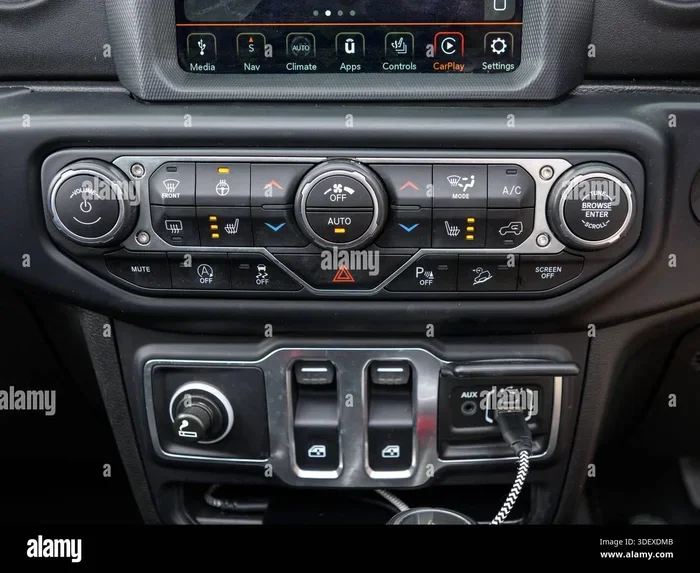
An automatic temperature control system does the work for you. You set your desired temperature, and the system adjusts the fan speed, airflow, and temperature automatically.
Most automatic systems use sensors to monitor the cabin air. They compare the current temperature with your set preference. Then they make adjustments in real time. This creates a more consistent and comfortable environment.
Dual-Zone Climate Control
A dual zone climate control system splits the cabin into two zones. Typically, the driver and passenger can set different temperatures. This is perfect for couples or families with different comfort preferences.
For example, the driver might prefer cool air while the passenger wants slightly warmer air. Both zones operate independently. This feature has become very popular in mid-range and luxury vehicles.
Tri-Zone and Four-Zone Systems
Higher-end vehicles offer tri-zone climate control or even four-zone climate control. These systems divide the cabin into three or four separate zones.
In a four-zone system, the driver, front passenger, and rear passengers on each side can set their own temperature. This level of control is common in luxury SUVs and sedans. It ensures everyone in the car stays comfortable.
Rear Climate Control
Some vehicles come with rear climate control as a standalone feature. This allows backseat passengers to adjust their own airflow and temperature. It is a great comfort upgrade for families who often carry kids or pets in the rear.
| Type | Best For | Price Range | Control Level |
|---|---|---|---|
| Manual | Budget vehicles | Low | Driver only |
| Automatic | Daily commuters | Low to Mid | Driver, auto-adjusted |
| Dual-Zone | Couples and families | Mid | Driver and passenger |
| Tri/Four-Zone | Luxury and large vehicles | High | Multiple zones independently |
| Rear Climate | Families with kids | Mid to High | Rear passengers |
How Does a Car Climate Control System Work?
Understanding how your system works can help you use it better and troubleshoot issues faster. The process involves a cycle of heating, cooling, and airflow management.
The Cooling Process
When you turn on the air conditioning, the compressor starts working. It pressurizes the refrigerant gas and sends it to the condenser. The condenser releases heat and turns the refrigerant into a liquid.
The liquid then moves to the evaporator inside the car. Here, it expands and turns back into a gas. This process absorbs heat from the air passing over the evaporator. The result is cool, dry air that flows into your cabin through the vents.
The Heating Process
Heating works differently. Instead of using refrigerant, the system uses heat from the engine. A heater core acts like a small radiator. Hot coolant from the engine flows through it.
A fan blows air over the heater core. This warms the air before it enters the cabin. You can control the temperature by adjusting how much hot coolant flows through the heater core.
Airflow and Ventilation
Your car ventilation system controls where the air goes. You can direct airflow to your feet, face, or windshield. Most systems also have a defrost setting for clearing fog or ice from the windshield.
The blower motor determines how strong the airflow is. You can usually adjust it from low to high. Some modern cars even have silent blower motors that operate at very low noise levels.
The Role of the Cabin Air Filter
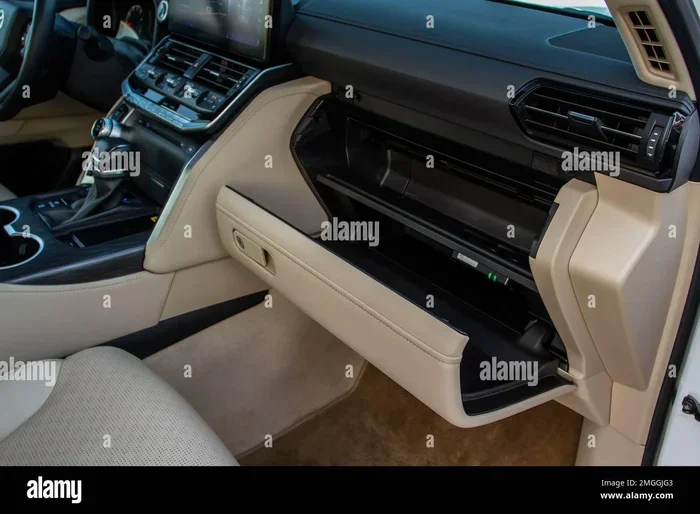
The cabin air filter is often overlooked but very important. It sits behind the glove box or under the dashboard. Its job is to clean the air before it enters the cabin.
A dirty cabin air filter reduces airflow and air quality. It can also cause unpleasant odors. Most manufacturers recommend replacing it every 12,000 to 15,000 miles. Checking it regularly is one of the easiest climate control maintenance tasks you can do.
Benefits of a Modern Car Climate Control System
A good climate control system does more than just keep you comfortable. It offers several practical benefits that improve your driving experience.
Improved Comfort and Convenience
The most obvious benefit is comfort. A well-functioning system keeps the cabin at your preferred temperature. You no longer have to tolerate a hot steering wheel in summer or freezing seats in winter.
Automatic systems make this even easier. You set your preferred temperature once and the system handles the rest. This lets you focus on the road instead of fiddling with knobs.
Better Air Quality
Modern car climate control systems include filters that remove dust, pollen, and pollutants from the air. This is especially helpful for people with allergies or asthma.
Some high-end vehicles even have air quality sensors. These sensors detect poor air quality outside and automatically switch to recirculation mode. This keeps the inside air clean and fresh.
Enhanced Safety
Temperature control affects your ability to drive safely. A foggy windshield can block your view. The defrost function clears fog quickly and keeps your visibility clear.
In winter, a working heating system prevents you from shivering and losing focus. In summer, it stops you from becoming drowsy due to heat. Both situations improve road safety.
Increased Resale Value
A fully functional climate control system adds value to your car. Buyers look for vehicles with working AC and heating. A system that has been well-maintained is a selling point.
On the other hand, a car with a broken AC or weak heating can lose value quickly. Regular maintenance protects both your comfort and your investment.
Common Problems with Car Climate Control Systems
Even the best systems can develop issues over time. Knowing the common problems helps you address them before they get worse.
Weak or No Airflow
If your vents are blowing weak air or no air at all, the blower motor might be failing. A clogged cabin air filter can also restrict airflow. Sometimes debris blocks the vents and causes the same problem.
Quick tip: Check your cabin air filter first. It is the easiest and cheapest fix. If the filter is clean, the blower motor may need replacement.
Warm Air Instead of Cool Air
This is one of the most common car AC repair issues. It usually means the refrigerant level is low. A refrigerant leak is often the cause.
Other possible causes include a faulty compressor, a clogged condenser, or a broken blend door. These issues require professional diagnosis and repair.
Strange Odors From the Vents
Smelling something musty or moldy when you turn on the AC? This usually means moisture has built up in the evaporator or cabin air filter.
Running the fan on high with the AC off for a few minutes before turning off the engine can help. It dries out the system and prevents mold growth. Replacing the cabin air filter often solves the problem too.
Uneven Heating or Cooling
If the driver side is cool but the passenger side is warm, you may have a dual zone climate control issue. The sensors or actuators that control each zone can fail over time.
In manual systems, this problem often points to a blockage in the ductwork. A technician can check for obstructions and fix the issue.
Unusual Noises
Clicking, rattling, or squealing sounds when you turn on the climate control should not be ignored. These noises can indicate a failing blower motor, a loose component, or debris in the system.
Ignoring unusual sounds can lead to bigger problems. Get your system checked as soon as you notice persistent noises.
Tips to Keep Your Climate Control System Running Smoothly
Prevention is always better than repair. A few simple habits can keep your car climate control system in great shape for years.
Replace the Cabin Air Filter Regularly
This is the single most important maintenance task. A clean filter ensures good airflow and clean air. Check it every 6 months and replace it when it looks dirty.
In areas with heavy pollution or pollen, you may need to replace it more often. Keeping spare filters in your garage makes this task quick and easy.
Run the AC in Winter
This might sound counterintuitive, but running your AC in winter helps maintain the system. It keeps the refrigerant circulating and the seals lubricated.
Running the AC for about 10 minutes every few weeks during winter prevents the compressor from seizing up. It also dries out the system and reduces mold risk.
Check for Refrigerant Leaks Early
If you notice your AC is not cooling as well as it used to, get it checked. Low refrigerant levels strain the compressor and can cause expensive damage.
A professional can check for leaks and recharge the system. Early detection saves you from costly repairs down the road.
Keep Vents Clear and Clean
Dirt and debris can accumulate in the vents over time. Use a soft brush or compressed air to clean them periodically.
Avoid placing objects on or near the exterior vents. Blocked vents force the system to work harder and reduce efficiency.
Use Recirculation Mode Wisely
Recirculation mode cools the car faster in summer by reusing the already cool inside air. However, using it all the time can make the air stale.
Switch between recirculation and fresh air mode. This keeps the air fresh and prevents moisture buildup inside the car.
Schedule Professional Inspections
Even with good habits, your system benefits from professional checkups. A technician can inspect the compressor, condenser, evaporator, and refrigerant lines.
Many shops include a climate control check as part of routine service. Ask your mechanic to inspect the system during your regular oil changes or tire rotations.
Expert Insights on Car Climate Control
We spoke with several automotive HVAC specialists to get their top tips. Here is what they had to say.
“The biggest mistake drivers make is ignoring small signs of trouble,” says Mark Donovan, an automotive HVAC technician with over 15 years of experience. “A slight drop in cooling performance or a faint smell can signal a bigger problem. Addressing it early saves hundreds of dollars.”
“Another tip is to never ignore a refrigerant leak,” adds Sarah Lin, a certified auto climate specialist. “Refrigerant is not consumed during normal use. If your system is low, something is leaking. Find and fix the leak before recharging.”
These experts agree that preventive care is the best approach. A little attention goes a long way in keeping your system reliable and efficient.
Key Takeaways
- Know your system type: Whether manual, automatic, or multi-zone, understanding your setup helps you use it better.
- Regular filter changes matter: The cabin air filter is the easiest and most impactful maintenance task.
- Run AC in winter: This simple habit keeps the system lubricated and prevents compressor issues.
- Address problems early: Small signs like weak airflow or strange smells can indicate bigger, costlier problems if ignored.
- Professional checkups help: Annual inspections by a trained technician catch issues before they become major repairs.
- Clean vents and use recirculation wisely: These small habits improve airflow and air quality inside the car.
Conclusion
Your car climate control system is one of the most used and most appreciated features in any vehicle. It keeps you comfortable, safe, and healthy on every drive. From the compressor and condenser to the cabin air filter and blower motor, every part plays a role in delivering the perfect cabin temperature.
Understanding the different types of systems helps you appreciate what your vehicle offers. Manual, automatic, dual-zone, and multi-zone systems each bring unique benefits. Knowing how the system works gives you the confidence to troubleshoot minor issues and communicate better with your mechanic.
Maintenance is the key to long-lasting performance. Replace your cabin air filter regularly, run the AC in winter, and schedule professional inspections. These simple steps prevent most common problems and keep your system running smoothly for years.
Do not wait until your system breaks down to pay attention to it. Treat your climate control system with the same care you give your engine or tires. A comfortable cabin makes every drive better. Take action today and enjoy a cooler summer and a warmer winter in your car.
Frequently Asked Questions
How often should I recharge my car climate control system?
Most systems do not need regular recharging if there are no leaks. However, if you notice weak cooling, it may be time for a refrigerant check. A professional can test the levels and recharge if needed. Typically, this is only necessary every few years or when a leak is repaired.
Can I drive with a broken car climate control system?
Yes, you can still drive safely even if your system is not working. However, comfort and safety can be affected. In extreme heat or cold, a broken system can make driving uncomfortable or even dangerous. It is best to get it repaired promptly.
What is the difference between air conditioning and climate control?
Air conditioning refers only to the cooling function. Climate control includes both heating and cooling. Modern climate control systems also offer automatic temperature adjustment and zone control for different parts of the car.
How much does it cost to repair a car climate control system?
Costs vary widely depending on the problem. A cabin air filter replacement might cost under $50. Compressor repairs can range from $500 to $1,000 or more. Always get a detailed estimate from a trusted mechanic before approving repairs.
Does running the AC in winter really help the system?
Yes, it really does. Running the AC in winter keeps the refrigerant circulating and the seals lubricated. It also dries out the evaporator and prevents mold buildup. This simple habit can extend the life of your entire climate control system.
How do I know if my cabin air filter needs replacing?
Signs of a dirty cabin air filter include reduced airflow, strange odors, and increased pollen inside the car. You can also check the filter visually if it is accessible. Most experts recommend replacing it every 12,000 to 15,000 miles or once a year.