Car Dashboard LED Lights That Will Upgrade Your Drive
Car dashboard LED lights transform your vehicle’s interior with vibrant, energy-efficient illumination. These upgrades boost visibility, add a sleek modern look, and are simple to install. Whether you want subtle ambient glow or bold RGB effects, the right LED setup makes every drive better. This guide covers everything you need to pick and install the perfect lights.
You know that feeling when you slide into your car at night and the interior looks flat and boring? The dash is dim. The gauges are hard to read. Everything feels dull. Now imagine flipping a switch and your car’s interior comes alive with vibrant, cool-looking car dashboard LED lights. That instant upgrade changes everything.
Dashboard LED lights are one of the simplest and most affordable ways to transform your vehicle’s look and feel. They make your gauges easier to read at night, add a premium vibe to your cabin, and honestly just make driving more fun. Whether you are a DIY enthusiast or someone who barely knows how to change a light bulb, this guide has you covered.
We are going to walk through everything you need to know about dashboard LED lighting. From the different types available to installation tips, common mistakes, and the best picks on the market. By the end, you will know exactly what lights to buy and how to get them looking perfect in your car.
Key Takeaways
- Better Visibility: LED dashboard lights improve nighttime driving by making gauges and controls easier to read.
- Easy Installation: Most LED kits plug in with no wiring skills needed.
- Energy Efficient: LEDs use far less power than traditional bulbs and last much longer.
- Customizable Colors: RGB options let you match your car’s mood and style.
- Affordable Upgrade: Quality LED kits cost less than you might expect.
- Resale Value: A well-done interior lighting upgrade can make your car more appealing to buyers.
📑 Table of Contents
- What Are Car Dashboard LED Lights?
- Benefits of Upgrading to LED Dashboard Lights
- Types of Car Dashboard LED Lights Available
- How to Choose the Best Dashboard LED Lights
- Installation Tips for Dashboard LED Lights
- Common Mistakes to Avoid with Dashboard LED Lights
- Expert Insights on Dashboard LED Lighting
- Maintaining Your Dashboard LED Lights
- Comparison: LED Dashboard Lights vs. Factory Dashboard Lights
- Final Thoughts
What Are Car Dashboard LED Lights?
Car dashboard LED lights are small light-emitting diode bulbs or strips installed behind or around your vehicle’s dashboard. They replace or supplement the factory lighting that illuminates your gauges, controls, and center console. Unlike old-school incandescent bulbs, LEDs use semiconductor technology to produce bright, efficient light.
The technology behind LEDs is surprisingly simple. Electricity passes through a tiny chip, which emits photons — that is light. There is no filament to burn out. There is no glass to break. This makes LEDs incredibly durable and long-lasting. Most quality LED dashboard lights last between 30,000 and 50,000 hours. That is years of daily driving without a single replacement.
You will find dashboard LED strips in many shapes and sizes. Some are thin adhesive strips that stick behind your dash. Others are small bulb-style replacements that drop right into your factory sockets. There are also flexible light bars and individual point-source LEDs for accent lighting. The variety means there is an option for every car and every budget.
Benefits of Upgrading to LED Dashboard Lights
Switching to LED interior lighting is not just about looks. There are real, practical benefits that make this upgrade worthwhile for any driver.
Better Nighttime Visibility
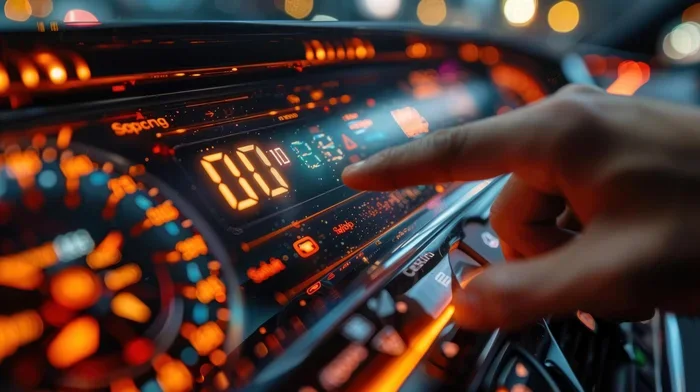
One of the biggest advantages of dashboard LED illumination is improved visibility. Factory dashboard lights are often dim and yellowish. At night, trying to read your speedometer or check your fuel gauge can strain your eyes. LED lights throw a crisp, bright glow that makes every gauge and button crystal clear. This is especially helpful on long night drives or in poorly lit areas.
Energy Efficiency and Longevity
LEDs use a fraction of the power that traditional bulbs consume. A single LED dashboard bulb might draw only 0.5 watts compared to 5 or 10 watts for an incandescent bulb. Over time, this adds up to less strain on your electrical system and a tiny reduction in fuel consumption. More importantly, LEDs last so much longer that you barely think about replacing them ever again.
Customizable Ambient Lighting
Modern RGB LED car lights let you choose from millions of colors. Want a calm blue glow for late-night city driving? Done. Want a warm white for a clean, professional look? Easy. Some kits even come with remote controls or smartphone apps so you can change colors and patterns on the fly. This level of customization turns your car’s interior into something truly personal.
Quick and Simple Installation
Most dashboard LED light kits are designed for plug-and-play setup. You do not need to be a mechanic. Many kits include adhesive backing, so you just peel, stick, and connect. Even if your car requires a bit more work, the process is straightforward and well-documented. You can have your new lights installed in under an hour.
Enhanced Interior Aesthetics
Let us be real — a car with great interior lighting looks more expensive than it is. LED accent lights under the dash, along the center console, or behind the infotainment screen create a layered, premium look. It is one of those details that makes everyone who sits in your car notice the difference. It is a small change with a big visual impact.
Types of Car Dashboard LED Lights Available
The market for car interior LED lighting has exploded in recent years. There are more options than ever, which is great but can also feel overwhelming. Here is a breakdown of the most common types you will encounter.
LED Strip Lights
LED strips are thin, flexible circuits covered with adhesive. They are the most popular choice for dashboard LED upgrades because they are versatile and easy to hide. You can run them along the edges of your dash, behind the gauge cluster, or under the steering column. Most strips come in rolls that you can cut to size. They typically come in warm white, cool white, or RGB color options.
Individual LED Bulbs
If you want to replace your factory dashboard bulbs one by one, individual LED bulbs for dashboard are the way to go. These are small wedge or bayonet-style bulbs that drop into your existing sockets. They come in various brightness levels and color temperatures. This option is great if you want to keep the factory look but with a brighter, whiter light.
LED Light Bars and Pods
For a more dramatic effect, LED light bars and pods work well. These are small rigid strips or round pods that mount under the dash or behind the console. They produce a wider, more even spread of light. Some drivers use them to light up the entire center console area, creating a glowing effect that looks stunning.
Smart LED Kits with App Control
The newest category in vehicle lighting upgrades is smart LED kits. These connect to your phone via Bluetooth or Wi-Fi. You can change colors, set timers, adjust brightness, and even sync lights to music. These kits are more expensive but offer the highest level of customization. They are perfect for car enthusiasts who want full control over their interior lighting.
How to Choose the Best Dashboard LED Lights
With so many options out there, picking the right dashboard LED lights can feel tricky. Here are the key factors to consider before you buy.
Color Temperature
Color temperature is measured in Kelvin (K). Lower numbers mean warmer, yellower light. Higher numbers mean cooler, bluer white light. For a classic car look, go with 3000K to 4000K. For a modern, crisp feel, choose 5000K to 6500K. RGB LED lights let you switch between all of these and more, giving you the most flexibility.
Brightness Level
Brightness is measured in lumens. More lumens means brighter light, but brighter is not always better. You want enough light to read your gauges clearly without it being so bright that it distracts you. For most dashboard applications, 200 to 500 lumens per strip or bulb is the sweet spot. Too much brightness can cause glare on the windshield at night, which is dangerous.
Compatibility with Your Vehicle
Not every LED kit fits every car. Before buying, check the product specifications against your vehicle model and year. Some kits come with multiple connectors and adapters to fit a wide range of cars. Others are designed for specific models. Always double-check the fitment list or ask the seller if you are unsure.
Build Quality and Materials
Cheap LEDs can flicker, dim over time, or produce uneven light. Look for kits made with quality materials like aluminum backing for heat dissipation and high-grade silicone for flexible strips. A good LED light kit should feel sturdy and well-made, even if it costs a little more. Spending a bit extra upfront saves you from replacing cheap lights later.
Warranty and Customer Support
Reputable brands stand behind their products. Look for kits that come with at least a one-year warranty. Good customer support also matters if you run into installation questions or compatibility issues. Read reviews from other buyers to get a sense of how the brand handles problems.
Quick Tips for Choosing the Right Lights
- Always check your car’s manual for recommended bulb sizes and socket types.
- Buy from reputable brands with verified customer reviews.
- Consider getting an RGB kit if you want the most versatility.
- Test the lights before fully installing them if possible.
- Match the color temperature to your car’s overall interior style.
Installation Tips for Dashboard LED Lights
Installing car dashboard LED lights is one of the most satisfying DIY car projects you can do. Most people finish in 30 to 60 minutes. Here is how to do it right.
What You Will Need
Before you start, gather these basic tools and materials:
- Your LED light kit (of course)
- A Phillips and flathead screwdriver
- A trim removal tool or flat plastic pry tool
- Electrical tape or zip ties
- A clean cloth for wiping surfaces
- A 12V power source or connection to your car’s fuse box (if hardwiring)
Step-by-Step Installation Guide
Step 1: Plan Your Layout. Before you stick anything, decide where each strip or light will go. Hold the strips in place and check how they look. Make sure they do not block your view of the road or any gauges. Take a photo of your plan so you remember the layout.
Step 2: Clean the Surfaces. Use a clean cloth to wipe down the areas where you will attach the strips. Any dust or grease will prevent the adhesive from sticking properly. This step is small but makes a huge difference in how long the lights stay in place.
Step 3: Remove Dashboard Trim. Use your trim removal tool to gently pop off any panels covering the areas behind your dash. Work slowly and carefully to avoid breaking clips. Take photos of each step so you remember how everything goes back together.
Step 4: Mount the LED Strips. Peel the adhesive backing and press the strips into your planned positions. Press firmly and hold for a few seconds. For extra security, use small zip ties or additional adhesive strips to reinforce the mounting.
Step 5: Connect the Power. Most kits come with a simple plug that connects to your car’s 12V accessory outlet or fuse box. If you are hardwiring, connect the positive wire to a switched 12V source and the negative wire to a ground point. Use electrical tape or heat shrink to secure all connections.
Step 6: Test Before Closing Up. Turn on your car and test the lights. Check that all sections light up evenly. Make adjustments if needed. Once you are happy, carefully tuck away any excess wiring and put the trim panels back on.
Common Mistakes During Installation
- Skipping the surface cleaning step, which leads to adhesive failure.
- Mounting strips in places that create glare on the windshield.
- Forgetting to test the lights before reassembling everything.
- Using too much force when removing trim pieces, which breaks clips.
- Connecting wires without proper insulation, which can cause short circuits.
Common Mistakes to Avoid with Dashboard LED Lights
Even with a great kit, some mistakes can ruin the experience. Here are the most common ones and how to avoid them.
Buying the Wrong Brightness
Too bright is just as bad as too dim. Overly bright dashboard LEDs create glare on your windshield and can actually make it harder to see at night. Always choose a kit where you can adjust the brightness or one that is rated for dashboard use specifically.
Ignoring Flickering Issues
If your new LEDs flicker after installation, do not ignore it. Flickering is often caused by a lack of a load resistor or an incompatible dimmer switch. Most LED kits come with the necessary resistors, but you may need to add one if your car has a CANBUS system. A quick search for your specific vehicle and LED setup will usually solve this fast.
Poor Placement
Where you place the lights matters just as much as the lights themselves. Avoid placing strips directly in your line of sight. Do not put them where they will reflect off the windshield or mirrors. The best placement is usually behind the dash trim or along the edges where they create indirect, ambient light.
Skipping the User Manual
Every kit comes with instructions for a reason. Skipping the manual can lead to incorrect wiring, poor connections, or voiding the warranty. Take 10 minutes to read through it before you start. It will save you headaches down the road.
Expert Insights on Dashboard LED Lighting
We spoke with a few automotive lighting specialists to get their take on the best practices for dashboard LED upgrades. Here is what they had to say.
Mark T., Automotive Electrician: “The biggest mistake I see is people buying the cheapest kit they can find and just slapping it in. Quality matters. A well-made LED kit with proper resistors and good color rendering makes a night-and-day difference. You are worth the extra 20 dollars for a better product.”
Sarah L., Car Interior Specialist: “Placement is everything. I always tell my clients to aim for indirect lighting. The goal is to illuminate the gauges and controls, not to create a light show that distracts you from the road. Keep it subtle and functional first, then add accent lights if you want more flair.”
David R., LED Technology Expert: “Color temperature is the most overlooked factor. A lot of people buy blue or purple LEDs because they look cool in the store, but at night those colors can cause eye strain and reduce your ability to read gauges. Stick with white or warm white for the best readability and comfort.”
Maintaining Your Dashboard LED Lights
One of the best things about car dashboard LED lights is how little maintenance they need. But a few simple habits will keep them looking great for years.
- Keep them clean. Dust can dull LED output over time. Wipe your strips gently with a dry microfiber cloth every few months.
- Check connections. If a section of lights dims or goes out, check the connection points. Loose wires are the most common cause.
- Avoid excess heat. Do not mount LED strips directly on hot surfaces like exhaust pipes or radiator housings. Heat degrades LED performance over time.
- Update firmware if applicable. Smart LED kits with app control occasionally receive firmware updates that improve performance and add new features.
With basic care, your dashboard LED lighting will keep performing beautifully for the entire life of your vehicle. That is part of what makes this such a smart upgrade — it is a one-time investment that pays off for years.
Comparison: LED Dashboard Lights vs. Factory Dashboard Lights
| Feature | Factory Dashboard Lights | LED Dashboard Lights |
|---|---|---|
| Brightness | Low to moderate | High and adjustable |
| Color Options | Limited (usually yellowish white) | Full RGB spectrum |
| Lifespan | 1,000 to 3,000 hours | 30,000 to 50,000 hours |
| Power Consumption | Higher | Very low |
| Installation Difficulty | None (already installed) | Easy to moderate |
| Cost | Included with car | $15 to $80 for most kits |
| Customization | None | Extensive |
As you can see from the comparison table, LED dashboard lights win in nearly every category. The only real advantage of factory lights is that they are already there. But the upgrade cost is so low and the improvement is so significant that it is hard to justify keeping the old setup.
Final Thoughts
Car dashboard LED lights are one of the best upgrades you can make to your vehicle. They are affordable, easy to install, and the impact is immediate and impressive. Whether you want better nighttime visibility, a more modern interior look, or just a fun way to personalize your car, LEDs deliver on every level.
The key is to choose quality lights that match your vehicle, install them carefully, and place them thoughtfully. Avoid the common mistakes, follow the tips in this guide, and you will have a cockpit that looks and feels like a thousand bucks.
Your dashboard is the centerpiece of your car’s interior. It deserves to look as good as the rest of your vehicle. With the right dashboard LED lighting, it absolutely will. So go ahead, pick your kit, and give your car the upgrade it deserves.
Frequently Asked Questions
Are car dashboard LED lights legal?
Yes, dashboard LED lights are legal in most places as long as they do not interfere with your visibility or distract you from driving. Laws vary by state and country, so it is always a good idea to check your local regulations. Lights that shine forward onto the road or into other drivers’ eyes are more likely to be an issue.
Can I install dashboard LED lights myself?
Absolutely. Most LED dashboard light kits are designed for DIY installation. The process typically involves removing a few trim pieces, sticking or mounting the lights, and connecting them to a power source. If you can change a light bulb, you can handle this upgrade with basic tools.
Do dashboard LED lights drain car battery?
No, not in any meaningful way. LEDs use very little power compared to traditional bulbs. A full LED dashboard lighting kit might draw only 2 to 5 watts total. That is less than what your phone charger uses. You can leave them on for hours without worrying about draining your battery.
How long do dashboard LED lights last?
Quality car dashboard LED lights typically last between 30,000 and 50,000 hours. If you drive two hours a day, that is over 40 years of daily use. In real-world terms, your LEDs will likely outlast the vehicle itself. This is one of the biggest advantages of LED technology over older bulb types.
Can I change the colors of my dashboard LED lights?
Yes, if you choose an RGB kit. RGB LED dashboard lights let you cycle through millions of colors using a remote control or smartphone app. You can set a single color or create dynamic patterns that shift and change. This is one of the most fun aspects of upgrading your car’s interior lighting.
What is the best color for dashboard LED lights?
Most experts recommend white or warm white for the best readability and comfort. Cool white (5000K to 6500K) gives a modern, crisp look. Warm white (3000K to 4000K) feels cozier and more classic. Avoid bright blue or purple for your main dashboard lights, as these colors can cause eye strain and reduce your ability to read gauges clearly at night.
=== CONCLUSION ===
Car dashboard LED lights are a simple, affordable, and incredibly effective way to upgrade your vehicle’s interior. From better nighttime visibility to a stunning modern look, the benefits are clear. Whether you choose a simple LED strip kit or a full smart RGB system, the transformation is immediate and satisfying.
Pick the right lights for your car, install them with care, and enjoy the results every time you get behind the wheel. Your dashboard has been waiting for this upgrade. Now go give it the glow it deserves.