Car Window Rain Repellent for Safer Driving in Bad Weather
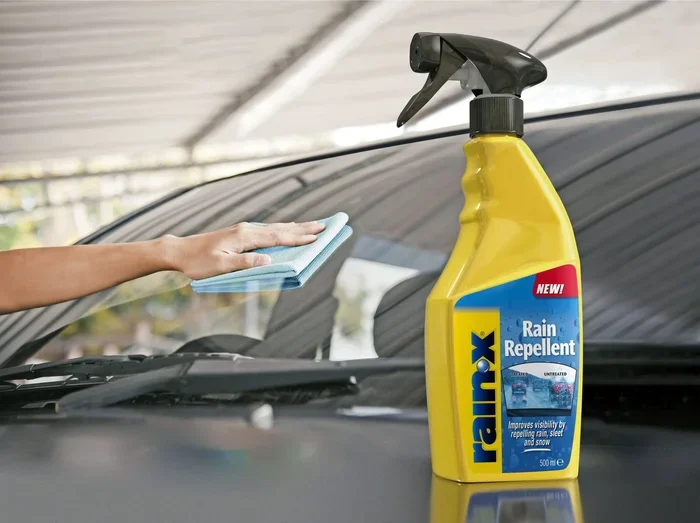
A car window rain repellent is a game-changer for anyone who drives in wet conditions. These hydrophobic coatings create a invisible barrier that pushes water off your glass, giving you clearer visibility in rain. Using a quality rain repellent spray takes seconds and can seriously improve your driving safety on stormy days.
A car window rain repellent might just be the simplest upgrade you can make to your vehicle. If you have ever driven in a downpour and struggled to see the road ahead, you know how scary and stressful that can be. A good rain repellent for car windows changes everything. It creates a thin, invisible layer on your glass that causes water to bead up and slide right off. The result is a clearer view of the road, even when the rain is pouring hard.
Driving in bad weather is one of the leading causes of accidents on the road. Fog, sleet, and heavy rain all reduce your ability to see what is coming. A hydrophobic windshield treatment helps you stay safe by keeping your glass clear without you having to constantly wipe it. Whether you commute daily or take long road trips, a quality glass treatment is a small investment that pays off big time. In this guide, we will cover everything you need to know about car window rain repellent, from how it works to which products are worth your money.
Key Takeaways
- Better Visibility: A car window rain repellent pushes water off glass fast, so you see the road more clearly in heavy rain.
- Easy to Apply: Most rain repellent products for car windows take just a few minutes to apply at home.
- Lasts for Weeks: Quality hydrophobic coatings can last several weeks or even months before you need to reapply.
- Safer Driving: Improved visibility in bad weather reduces accident risk and helps you react faster to road hazards.
- Affordable Protection: Rain repellent treatments cost very little compared to the safety benefits they provide.
- Works on All Glass: These treatments work on windshields, side windows, and rear windows for full coverage.
- Multiple Product Options: From sprays to nano coatings, there is a rain repellent solution for every budget and need.
📑 Table of Contents
- What Is Car Window Rain Repellent?
- How Does a Rain Repellent for Car Windows Work?
- Benefits of Using Rain Repellent on Your Car Windows
- Best Rain Repellent for Car Windows on the Market
- How to Apply Rain Repellent to Car Windows
- Common Mistakes to Avoid When Using Rain Repellent
- Rain Repellent vs. Other Visibility Solutions
- Final Thoughts on Car Window Rain Repellent
What Is Car Window Rain Repellent?
A car window rain repellent is a liquid or spray product that you apply to your car’s glass surfaces. Once it dries, it forms a thin hydrophobic coating that repels water. Instead of water sitting on your windshield in flat sheets, it forms into tiny beads that roll off easily. This is called the sheeting effect, and it is the core science behind all great rain repellent products.
The idea is simple but brilliant. When rain hits a treated surface, the water cannot stick. It beads up and slides off with the slightest movement of the car or a swipe of the wipers. This means your glass stays clearer for longer stretches, even during heavy storms. Many drivers also use rain repellent spray on their side mirrors and rear windows for all-around protection.
Most hydrophobic car glass products are made from silicon-based compounds or advanced polymer blends. They bond to the glass surface at a microscopic level. Once bonded, they create a smooth, low-friction surface that water simply cannot grip. Some premium products use nano coating windshield technology for even stronger and longer-lasting results.
How Is It Different from Regular Wax?
You might be wondering how a car window rain repellent differs from regular car wax. Wax is designed for your car’s paint, not glass. While wax can add some water-beading properties to windows, it is not formulated for glass surfaces. A dedicated water repellent windshield treatment is specifically engineered to bond with glass. It provides much better clarity, lasts longer, and does not leave streaks or residue.
Who Can Benefit from Rain Repellent?
Honestly, almost every driver can benefit. If you live in an area with frequent rain, snow, or fog, a hydrophobic windshield treatment is a must-have. But even if you live in a drier climate, sudden showers can catch you off guard. Truck drivers, rideshare drivers, and anyone who spends a lot of time on the road will especially appreciate the added visibility in rain that these products provide.
How Does a Rain Repellent for Car Windows Work?
The science behind a car window rain repellent is fascinating but easy to understand. The product contains compounds that bond with the glass surface at a molecular level. This creates a surface that is extremely smooth and non-porous. Water droplets landing on this surface form into near-perfect spheres, minimizing contact with the glass.
These tiny water balls, or beads, are then easily blown away by wind or wiped away by your wipers. This is the water beading effect that you have probably seen on a freshly treated windshield. The less contact water has with your glass, the better your visibility in rain remains.
Some advanced rain repellent for car windows products use nanotechnology. This means the coating layer is incredibly thin, measured in nanometers. Despite being ultra-thin, it creates a powerful barrier against water. These nano coating windshield solutions often last longer and provide a more durable bond than basic silicone sprays.
The Science of Contact Angle
Without getting too technical, the effectiveness of a hydrophobic coating is measured by something called the contact angle. This is the angle at which a water droplet sits on a surface. The higher the contact angle, the more the water beads up and the easier it rolls off. A plain glass surface might have a contact angle of about 30 degrees. A well-treated hydrophobic glass sealant surface can push that angle above 100 degrees. That is a massive difference and explains why treated glass sheds water so effectively.
What Happens When Rain Hits Treated Glass?
When raindrops hit a treated windshield, they do not spread out into flat puddles. Instead, they form tight little spheres that bounce and roll. As you drive, the airflow from your car’s movement helps sweep these beads away. Even a light breeze or the vibration from driving can cause the water to slide off. This constant self-cleaning action is what keeps your glass clear and your driving safety high during storms.
Benefits of Using Rain Repellent on Your Car Windows
Using a car window rain repellent offers a wide range of benefits that go beyond just keeping your windshield dry. Here is why so many drivers are making this a regular part of their car care routine.
1. Improved Visibility in Rain. The most obvious benefit is a much clearer view of the road. When water beads up and slides off, you do not have to constantly fight with smears and streaks. Your wipers work better too, because they only need to handle the remaining water, not push flat sheets across the glass.
2. Safer Driving in Bad Weather. Better visibility directly translates to safer driving. You can spot pedestrians, other vehicles, and road hazards much earlier. This gives you more time to react, which is critical when roads are wet and slippery. A hydrophobic windshield treatment is one of the simplest ways to boost your driving safety year-round.
3. Less Strain on Your Wipers. When your glass is treated, your wipers do not have to work as hard. This can extend the life of your wiper blades and reduce the strain on your wiper motor. Over time, this saves you money on replacements and repairs.
4. Easier Cleaning. Treated glass stays cleaner for longer. Dirt, dust, and grime have a harder time sticking to the smooth hydrophobic surface. When you do wash your car, the rain repellent spray helps water rinse off quickly, taking dirt with it.
5. Protection from Hard Water Spots. If you park outside, rain and sprinklers can leave hard water spots on your windows. A hydrophobic car glass treatment makes it much harder for these spots to bond with the glass. They wipe away easily instead of etching into the surface.
6. Better Night Driving. Wet roads at night can create glare and reflections that make driving dangerous. A treated windshield reduces the amount of water that sticks, which means fewer distracting reflections from oncoming headlights. This is a huge benefit for all-season visibility.
Best Rain Repellent for Car Windows on the Market
Not all rain repellent review products are created equal. Some are cheap and barely last a few days, while others provide weeks of protection. Here are some of the top options to consider.
Rain-X Original Glass Repellent. This is the classic that started it all. Rain-X has been a trusted name in windshield treatment for decades. It is affordable, easy to apply, and provides solid water-beading performance. Many drivers consider it the go-to rainx alternative benchmark.
Aquapel Glass Treatment. Aquapel is a premium water repellent windshield product that is favored by many professional drivers. It uses advanced polymer technology and is known for its durability. Aquapel can last for months on a single application, making it a great value despite a slightly higher price.
Chemical Guys Hydrophobic Glass Coating. This product takes a more premium approach with a ceramic-infused formula. It provides excellent hydrophobic glass sealant performance and a streak-free finish. It is a great choice for car enthusiasts who want the best results.
SPEED GLASS Coating. This is a professional-grade nano coating windshield product. It creates an extremely durable bond with the glass and offers long-lasting all-season visibility. It requires a bit more effort to apply but delivers outstanding results.
Mothers Rain X Alternative Spray. Mothers offers a budget-friendly option that still delivers strong water-beading performance. It is a great entry-level rain repellent spray for those new to glass treatments.
| Product | Type | Durability | Price Range | Best For |
|---|---|---|---|---|
| Rain-X Original | Spray | 2-4 weeks | $5-$10 | Budget-friendly daily use |
| Aquapel | Liquid | 4-8 weeks | $10-$15 | Long-lasting professional results |
| Chemical Guys | Coating | 6-12 weeks | $15-$25 | Premium glass care |
| SPEED GLASS | Nano Coating | 3-6 months | $20-$30 | Maximum durability |
| Mothers | Spray | 1-3 weeks | $5-$8 | Quick and easy application |
How to Apply Rain Repellent to Car Windows
Applying a car window rain repellent is one of the easiest car care tasks you can do. You do not need any special tools or skills. Here is a simple step-by-step guide that works with almost any product.
Step 1: Clean Your Glass Thoroughly. Before you apply any treatment, your windows need to be spotless. Use a quality glass cleaner and a microfiber cloth to remove all dirt, grease, and grime. Any residue left on the glass can prevent the hydrophobic coating from bonding properly.
Step 2: Dry the Glass Completely. Make sure the glass is completely dry before you start. Even a few drops of water can interfere with the bonding process. Use a clean, dry microfiber towel for the best results.
Step 3: Apply the Product. Spray or dab a small amount of the rain repellent spray onto the glass. Use a clean microfiber cloth to spread it evenly across the surface. Work in small sections to ensure full coverage.
Step 4: Let It Dry. Allow the product to dry for the time recommended by the manufacturer. This usually takes a few minutes. You will notice the glass starting to feel slick as the coating sets.
Step 5: Buff Off the Residue. Use a dry, clean microfiber cloth to buff the glass in circular motions. This removes any remaining haze and reveals the smooth, hydrophobic surface underneath.
Step 6: Repeat for All Windows. Do the same for your side windows, rear window, and mirrors. For the best all-season visibility, treat every glass surface on your car.
Quick Tips for Best Results
- Always apply on a cool, shaded surface. Direct sunlight can cause the product to dry too fast.
- Use lint-free microfiber cloths to avoid scratching or leaving fibers on the glass.
- Reapply every 2-4 weeks for consistent performance.
- Avoid touching the treated glass for at least 24 hours after application.
- For stubborn water spots, use a clay bar before applying the repellent for a perfectly clean surface.
Common Mistakes to Avoid When Using Rain Repellent
Even though applying a car window rain repellent is simple, there are a few common mistakes that can reduce its effectiveness. Knowing what to avoid will help you get the most out of every application.
Skipping the Cleaning Step. This is the number one mistake. If your glass is not perfectly clean before application, the coating will not bond correctly. You will end up with uneven coverage and poor water-beading performance. Always take the time to properly clean and dry your windows first.
Using Too Much Product. More is not better when it comes to hydrophobic glass sealant. Using too much product can leave a thick, sticky residue that is hard to buff off. A thin, even layer is all you need for great results.
Applying in Direct Sunlight. Heat causes the product to dry too quickly. This prevents it from bonding properly with the glass. Always apply in a shaded area or in a garage for the best results.
Not Buffing Enough. Many people rush the buffing step. If you do not buff the glass thoroughly, you will be left with a hazy film that obstructs your view. Take your time and use a clean, dry cloth to buff until the glass is crystal clear.
Waiting Too Long to Reapply. Even the best rain repellent for car windows will wear off over time. Do not wait until you are struggling to see in the rain to reapply. A regular maintenance schedule keeps your glass performing at its best all year round.
Treating Tinted Windows Carelessly. If your car has tinted windows, be extra careful. Some products can degrade the tint over time. Always check the product label to make sure it is safe for use on tinted glass.
Rain Repellent vs. Other Visibility Solutions
There are several ways to improve your visibility in rain while driving. Let us compare a car window rain repellent with some other popular options.
Rain Repellent vs. Wiper Blades. Good wiper blades are essential, but they have limits. Even the best wipers struggle in very heavy rain. A hydrophobic windshield treatment works alongside your wipers to keep the glass clearer for longer. Together, they are a powerful combination for bad weather driving.
Rain Repellent vs. Rain-Sensing Wipers. Rain-sensing wipers are a great technology, but they only activate when there is enough water on the glass. A hydrophobic coating works from the moment the first raindrop hits. It also reduces the overall amount of water on the glass, which means the wipers activate less often and work more efficiently.
Rain Repellent vs. Defoggers. Defoggers are designed to combat fog, not rain. While they serve different purposes, a glass treatment can complement your defogger by keeping moisture from sticking to the glass in the first place. This is especially useful during the humid months.
Rain Repellent vs. DIY Solutions (Like Wax or Cooking Spray). Some people try to use car wax or even cooking spray as a DIY water repellent windshield solution. While these can offer temporary water-beading effects, they are not designed for glass. They often leave streaks, reduce clarity, and do not last nearly as long as a proper rain repellent spray made specifically for automotive glass.
Final Thoughts on Car Window Rain Repellent
A car window rain repellent is one of those small upgrades that makes a surprisingly big difference. It is affordable, easy to apply, and lasts for weeks. More importantly, it directly improves your driving safety by giving you better visibility in rain when you need it most.
Whether you choose a budget-friendly rain repellent spray or invest in a premium nano coating windshield product, the benefits are clear. You will spend less time fighting with your wipers, see the road more clearly, and feel more confident in wet conditions. Pair your treatment with quality bad weather driving habits, and you are setting yourself up for safer trips in any weather.
Take a few minutes this weekend to treat your car windows. Once you experience the sheeting effect of a well-applied hydrophobic coating, you will wonder how you ever drove without it. Your windshield is your window to the road. Keep it clear, keep it protected, and drive with confidence no matter what the weather brings.
Frequently Asked Questions
How long does car window rain repellent last?
Most rain repellent for car windows products last between 2 and 8 weeks, depending on the brand and how often you drive. Premium nano coatings can last up to 6 months. Reapplying regularly ensures you always have the best visibility in rain.
Can I apply rain repellent on tinted windows?
Yes, but you need to be careful. Always check the product label to make sure it is safe for tinted glass. Some hydrophobic coatings can degrade the tint over time, so choosing a tint-safe formula is important.
Is rain repellent safe for all car glass?
Most glass treatment products are safe for all types of automotive glass, including tempered and laminated glass. Just avoid using harsh household cleaners before application, as they can interfere with the bonding process.
Do I still need to use my wipers after applying rain repellent?
Yes, but your wipers will work much more effectively. A hydrophobic windshield treatment reduces the amount of water that sticks to the glass, so your wipers only need to handle the remaining droplets. This means clearer glass with less effort.
Can rain repellent improve night driving visibility?
Absolutely. By keeping water from spreading across the glass, a car window rain repellent reduces glare and reflections from oncoming headlights at night. This leads to better all-season visibility and a safer driving experience after dark.
What is the difference between rain repellent and hydrophobic coating?
They are essentially the same thing. Both terms refer to a treatment that makes glass water-repellent. A hydrophobic glass sealant creates a low-friction surface that causes water to bead up and slide off. The terms are often used interchangeably in the car care world.