Chameleon Tint for Vehicles Explained and Why It Matters
Chameleon tint for vehicles is a revolutionary automotive window film that shifts colors depending on the light and viewing angle. It gives cars a custom, eye-catching appearance while also offering real benefits like UV protection, heat rejection, and enhanced privacy. This guide covers how it works, the pros and cons, legal considerations, and tips for choosing the best chameleon tint for your ride.
Have you ever seen a car on the road and thought, “Wow, that paint seems to change color as it moves”? That is likely chameleon tint at work. Chameleon tint for vehicles is one of the most exciting trends in the custom car tint world right now. It is not just about looks — though the visual effect is absolutely stunning. This automotive window film offers real protection, added privacy, and a level of personalization that standard tints simply cannot match.
In this article, we will break down everything you need to know about chameleon window tint. We will explain how it works, what makes it different from regular car window tint, and whether it is the right choice for your vehicle. Whether you are a car enthusiast looking to upgrade your ride or just curious about this color-shifting film, you are in the right place.
Key Takeaways
- Color-Shifting Magic: Chameleon tint changes color based on light and angle, giving your car a unique, dynamic look.
- Real Protection: Beyond aesthetics, it blocks harmful UV rays and reduces solar heat inside your vehicle.
- Legal Matters: Window tint laws vary by state and country, so always check local regulations before installing.
- Quality Matters: Not all chameleon films are equal — ceramic and nano-carbon options offer the best performance.
- Professional Installation: For the best results and longevity, have a professional handle the application.
- Longevity: With proper care, quality chameleon tint can last 5 to 10 years without significant fading.
- Resale Value: A well-applied custom tint can boost your vehicle’s visual appeal and resale value.
📑 Table of Contents
- What Is Chameleon Tint for Vehicles?
- Benefits of Chameleon Tint for Vehicles
- Chameleon Tint vs. Standard Tint: A Comparison
- Legal Considerations for Chameleon Tint
- How to Choose the Best Chameleon Tint for Your Vehicle
- Installation Tips and What to Expect
- Common Mistakes to Avoid with Chameleon Tint
- Expert Insights on Chameleon Tint
- Conclusion
What Is Chameleon Tint for Vehicles?
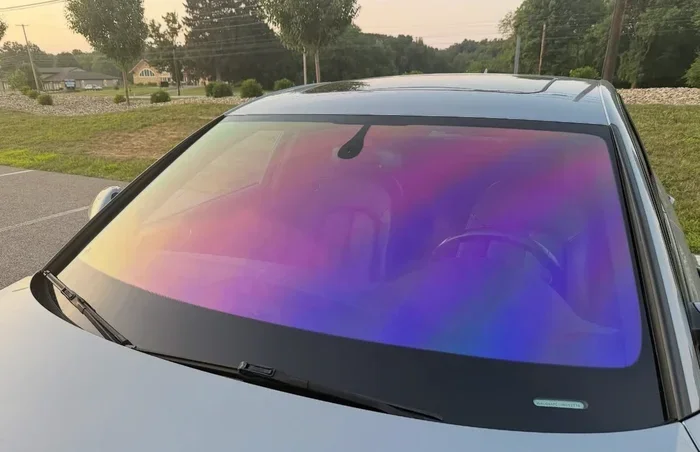
Chameleon tint is a specialized automotive window film that shifts colors depending on the angle of light and the viewer’s perspective. Think of a real chameleon’s skin — it adapts to its surroundings. Similarly, this tint changes hue when you walk around the car or when sunlight hits it at different angles. The result is a dynamic, iridescent finish that turns heads wherever you go.
The film is made using multi-layered dyes and coatings that react to light conditions. During the day, it might look blue from one side and purple from another. At night, under streetlights, it can shift to a deep amber or even green. This color shift effect is what makes chameleon window tint so popular among car owners who want a truly unique look.
How Does It Work?
The science behind chameleon tint is simpler than it sounds. The film contains multiple thin layers of dye and metallic or ceramic particles. These layers are engineered to reflect different wavelengths of light at different angles. When light hits the film, some wavelengths are absorbed and others are reflected back to your eyes.
As your viewing angle changes, the reflected wavelengths change too. This is why the color appears to shift. High-quality chameleon tint for vehicles uses advanced nano-ceramic technology to create a smooth, even color transition. Cheaper versions may show abrupt color changes or uneven patches.
Types of Chameleon Tint Films
Not all chameleon tints are the same. There are a few main types available on the market today:
- Standard Chameleon Film: This is the most common type. It offers a basic color-shift effect and is affordable. Good for first-time tint buyers.
- Nano-Ceramic Chameleon Film: This premium option uses ceramic particles for better heat rejection and UV protection. The color shift is smoother and more vibrant.
- Thermochromic Chameleon Film: This type changes color based on temperature. Hot sun makes it shift more dramatically. Cooler temperatures produce a subtler effect.
- Hybrid Chameleon Film: Combines chameleon dye with other features like glare reduction and privacy tint layers for a multi-purpose solution.
Benefits of Chameleon Tint for Vehicles
People often think chameleon tint is just a cosmetic upgrade. And yes, it looks incredible. But the benefits go far beyond aesthetics. Here is why more drivers are choosing this type of vehicle tinting.
UV Protection for You and Your Car
One of the biggest advantages of chameleon window tint is UV protection. The film blocks a significant percentage of harmful ultraviolet rays. This protects your skin during long drives and also prevents your car’s interior from fading and cracking. Your dashboard, seats, and trim will look newer for longer.
Heat Rejection and Comfort
Good-quality chameleon tint for vehicles can reject a large portion of solar heat. On a hot summer day, your car interior stays noticeably cooler. This means less reliance on air conditioning, which can improve fuel efficiency over time. The heat rejection rate varies by film quality, so always ask about this when shopping.
Enhanced Privacy and Security
Dark-colored chameleon tint provides excellent privacy. People outside your car cannot easily see the interior. This is especially useful for parked cars. It also adds a layer of security — valuables inside the vehicle are less visible to potential thieves.
Glare Reduction
Driving with too much sunlight or headlight glare can be dangerous and tiring. Chameleon tint reduces glare significantly, making your driving experience more comfortable. This is particularly helpful during sunrise, sunset, or nighttime driving on bright roads.
Aesthetic Appeal and Customization
Let us be honest — the main reason many people choose chameleon tint is the look. It gives your car a custom, personalized appearance that stands out from the crowd. You can choose different color combinations for different windows to create a unique, coordinated design. This level of aesthetic appeal is hard to achieve with standard tint films.
Chameleon Tint vs. Standard Tint: A Comparison
How does chameleon tint for vehicles compare to traditional car window tint? Let us look at the key differences.
| Feature | Chameleon Tint | Standard Tint |
|---|---|---|
| Color Effect | Shifts colors based on angle and light | Single solid color |
| UV Protection | High (varies by quality) | Moderate to high |
| Heat Rejection | Good to excellent (ceramic versions) | Moderate to good |
| Privacy Level | High with darker shades | Varies by darkness |
| Cost | Higher | Lower |
| Durability | 5–10 years (premium) | 3–7 years |
| Customization | Very high | Limited |
As you can see, chameleon tint offers a more premium experience across most categories. The main trade-off is cost. However, many car owners feel the benefits and visual impact are well worth the investment.
Legal Considerations for Chameleon Tint
Before you rush out to get chameleon window tint installed, there is an important topic you must understand — the law. Window tint laws vary significantly from one location to another. What is legal in one state or country may be illegal in another.
Understanding VLT Percentages
Visible Light Transmission, or VLT, measures how much light passes through your windows. Each jurisdiction sets a minimum VLT percentage for different windows. For example, some areas allow a lower VLT on rear windows but require the windshield to remain mostly clear.
Chameleon tint can be tricky here because the color shift may affect how much light is actually transmitted at any given moment. Always check with your local Department of Motor Vehicles or equivalent authority before installation.
Common Legal Restrictions
- Windshield: Most places do not allow any tint on the top portion of the windshield, or require a specific strip size.
- Front Side Windows: Often require a higher VLT percentage, meaning lighter tint.
- Rear Side Windows: Usually more lenient, allowing darker tints.
- Rear Window: Rules vary widely — some places require dual side mirrors if the rear window is tinted.
- Reflectivity: Some laws restrict how reflective the tint can be, which may apply to certain chameleon films.
Quick Tip: Always get your chameleon tint from a reputable installer who understands local laws. They can help you choose a film that stays within legal limits while still giving you the look you want.
How to Choose the Best Chameleon Tint for Your Vehicle
Not all chameleon tint for vehicles products are created equal. Choosing the right one can feel overwhelming with so many options available. Here is what you should consider.
Consider Your Climate
If you live in a hot, sunny climate, prioritize heat rejection and UV protection. Go for a nano-ceramic chameleon film that offers high solar energy rejection. If you live in a cooler climate, you might prioritize the visual effect over maximum heat blocking.
Think About Your Vehicle Type
The size and shape of your vehicle’s windows matter. Sedans, SUVs, and trucks all have different window proportions. A professional installer can recommend the best film width and shade for each window on your specific model.
Budget vs. Quality
Cheaper chameleon films may save you money upfront but often fade faster and provide less protection. Investing in a premium chameleon tint from a trusted brand ensures better tint durability and a more consistent color shift over time.
Ask About Warranty
Reputable automotive window film brands offer warranties that cover bubbling, peeling, and excessive fading. A good warranty gives you peace of mind and protects your investment. Always ask about warranty details before committing.
Check for Edge Fading
One common issue with lower-quality aftermarket tint is edge fading. Over time, the edges of the film may peel or change color. High-quality chameleon tint uses advanced adhesive technology to prevent this. Look for films that specifically advertise edge adhesion and long-term color stability.
Installation Tips and What to Expect
While some car owners attempt DIY vehicle tinting, chameleon tint is best left to professionals. The film is more complex than standard tint, and mistakes during application can ruin the color-shift effect.
The Installation Process
- Window Cleaning: The installer thoroughly cleans each window to remove dust, grease, and debris. This is critical for a bubble-free finish.
- Film Cutting: The chameleon film is precisely cut to fit each window. This requires skill and experience to ensure clean edges.
- Application: The film is applied with a special solution that allows for positioning adjustments. The installer squeezes out excess liquid and air bubbles.
- Curing: The tint needs time to cure, usually 3 to 7 days. During this period, avoid rolling down your windows or wiping the interior of the film.
Quick Tips After Installation
- Wait 3–7 days before rolling down windows to let the adhesive set.
- Use a soft cloth to clean the interior of the tinted windows for the first month.
- Avoid direct sunlight on freshly tinted windows for the first 48 hours.
- Check for bubbles after a week. Small bubbles may resolve on their own, but larger ones need professional attention.
Common Mistakes to Avoid with Chameleon Tint
Even the best chameleon tint for vehicles can cause problems if you make poor choices along the way. Here are some mistakes to watch out for.
- Choosing the Cheapest Option: Bargain chameleon films often have poor color consistency and fade quickly. You will likely need to replace them sooner.
- Ignoring Local Laws: Getting a tint that is too dark or too reflective can result in fines and even having to remove the tint entirely.
- Skipping Professional Installation: DIY application on chameleon film is extremely difficult. Uneven application ruins the color-shift effect and can trap air bubbles permanently.
- Not Considering All Windows: Some people tint only the front windows and leave the rear clear, or vice versa. For the best aesthetic appeal, consider a coordinated look across all windows.
- Neglecting Maintenance: Even the best tint needs proper care. Harsh chemicals or abrasive cleaning tools can damage the film over time.
Expert Insights on Chameleon Tint
We spoke with several professional automotive tint installers about chameleon window tint. Here is what they had to say.
Mark T., Certified Tint Installer: “Chameleon tint has really evolved over the past few years. The ceramic versions we use now offer incredible heat rejection without sacrificing the color-shift effect. Clients love that they get both style and function in one product.”
Sarah L., Automotive Detailing Specialist: “Maintenance is simple with quality chameleon tint. Just use a mild soap and a microfiber cloth. Avoid ammonia-based cleaners because they can degrade the film over time. A well-maintained chameleon tint can look amazing for 7 to 10 years.”
David R., Car Enthusiast and Blog Owner: “I installed chameleon tint on my SUV three years ago. It is still vibrant and the color shift is just as dramatic as day one. The UV protection alone is worth it — my interior looks brand new.”
Conclusion
Chameleon tint for vehicles is more than just a trendy accessory. It is a smart investment that combines stunning visual impact with real-world benefits like UV protection, heat rejection, glare reduction, and enhanced privacy. Whether you want to personalize your daily driver or give your car a show-stopping makeover, chameleon window tint delivers on all fronts.
The key is to choose a quality film, work with a professional installer, and understand the legal requirements in your area. With the right approach, your chameleon tint will look incredible and perform well for many years. So go ahead, explore your options, and give your vehicle the upgrade it deserves.
Start your search today by contacting a trusted automotive window film provider in your area. Ask about their chameleon tint options, warranties, and pricing. You will be amazed at the difference a quality chameleon tint for vehicles can make.
Frequently Asked Questions
How long does chameleon tint last on a vehicle?
High-quality chameleon tint for vehicles typically lasts between 5 and 10 years, depending on the brand, climate, and maintenance. Premium ceramic films tend to last longer and maintain their color-shift effect better over time. Regular cleaning with mild products helps extend the lifespan.
Is chameleon tint legal everywhere?
No, window tint laws vary by state, province, and country. Some areas have strict rules about visible light transmission percentages and tint reflectivity. Always check your local regulations before installation and work with a professional who understands the legal requirements in your area.
Does chameleon tint affect nighttime visibility?
Darker chameleon tints can slightly reduce visibility at night, especially on the front windows. However, many modern chameleon window tint films are designed to maintain good light transmission even while providing a strong color-shift effect during the day. Choosing the right shade for your driving conditions is important.
Can chameleon tint be removed easily?
Professional removal is straightforward, but it requires skill to avoid damaging the window glass or leaving adhesive residue. If you plan to remove the tint eventually, have it done by an experienced installer who uses proper heat and scraping techniques to preserve your windows.
How much does chameleon tint cost for a full vehicle?
The cost of chameleon tint for vehicles varies based on the film quality, the number of windows, and your location. On average, expect to pay more than standard tint because of the specialized materials. Nano-ceramic chameleon films cost more but offer superior performance and longevity. Get quotes from several local installers for the best comparison.
Can I apply chameleon tint myself?
While it is technically possible, DIY application is not recommended for chameleon tint. The film requires precise cutting, proper alignment, and bubble-free application to achieve the full color-shift effect. Professional installation ensures the best results and helps you avoid costly mistakes that could ruin the film or your windows.