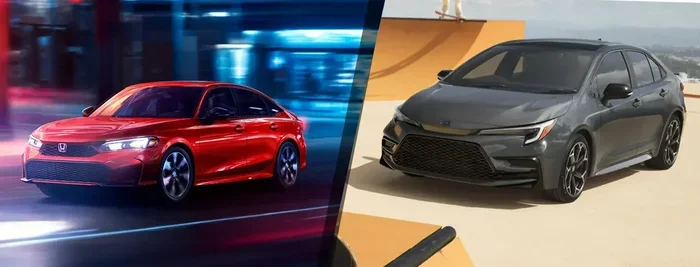
Civic or Corolla The Best Car Comparison Guide for Buyers
The Civic or Corolla debate tops every compact sedan buyer’s list. Both cars deliver great fuel economy, modern tech, and strong reliability. This guide breaks down specs, costs, and real-world ownership so you can pick the right ride with confidence.
When you walk into a dealership looking for a compact sedan, two names almost always come up. The Civic or Corolla comparison is one of the oldest and most talked-about debates in the car world. Both of these vehicles have earned loyal fan bases over decades. They sit at the top of the compact car segment for good reason.
So how do you choose between them? The answer depends on what you value most. Are you looking for sporty handling, or do you want a worry-free daily driver? Maybe fuel economy is your top priority, or perhaps you care most about resale value. This guide covers every angle of the Civic or Corolla showdown so you can make a smart, informed decision.
We will look at specs, pricing, safety features, driving feel, and long-term ownership costs. By the end, you will know exactly which car fits your life best. Let us dive into the details of the Civic or Corolla comparison.
Key Takeaways
- Fuel Economy: Both the Civic and Corolla offer excellent MPG, but the Corolla hybrid leads in overall efficiency.
- Driving Experience: The Honda Civic feels sportier and more engaging to drive than the Toyota Corolla.
- Value for Money: The Civic offers more standard features at a similar price point to the Corolla.
- Reliability: Both cars rank among the most dependable compact sedans on the road today.
- Safety: Both models earn top safety ratings from IIHS and NHTSA with available advanced driver aids.
- Resale Value: The Corolla holds its value slightly better over time, but the Civic remains competitive.
- Best Choice Depends on Needs: Enthusiasts should lean Civic, while practical buyers may prefer the Corolla.
📑 Table of Contents
Honda Civic vs Toyota Corolla: An Overview
The Honda Civic and Toyota Corolla are both compact sedans that have been around for decades. They compete in the same market and appeal to similar buyers. But they approach the compact sedan formula in different ways. Understanding each car’s strengths helps you see why the Civic or Corolla debate rages on.
What Makes the Honda Civic Stand Out
The Honda Civic has always been the sportier option in this pairing. It offers sharp handling, a responsive steering feel, and a more engaging driving experience. The Civic comes in several body styles, including sedan, coupe, and hatchback. This gives buyers more variety than the Corolla offers.
Inside, the Civic feels more driver-focused. The seats are supportive, and the cabin layout puts controls within easy reach. Honda has always designed the Civic with enthusiasts in mind, even though it is a practical daily car. The Civic also offers a Type R variant for those who want serious performance.
When it comes to compact car buying, the Civic appeals to people who want a car that is fun to drive. It does not sacrifice practicality, but it adds a layer of driving enjoyment that few rivals match.
What Makes the Toyota Corolla a Favorite
The Toyota Corolla is the king of reliability and low cost of ownership. For decades, the Corolla has been one of the best-selling cars in the world. People trust it to start every morning and run for years without major issues.
The Corolla focuses on comfort and ease of use. The ride is smooth and quiet, making it perfect for long commutes. Toyota has improved the interior quality significantly in recent years, adding modern tech and better materials. The Corolla also offers a hybrid powertrain, which gives it an edge in fuel economy.
For buyers who want a no-nonsense car, the Corolla is hard to beat. It does not try to be exciting. Instead, it delivers consistent value, excellent reliability, and low maintenance costs. This is why so many families and commuters choose the Corolla every year.
Civic or Corolla: Head-to-Head Specs Comparison
Now let us get into the numbers. A side-by-side look at the key specs helps clarify the Civic or Corolla comparison. Both cars fall into the compact sedan category, but they differ in important ways.
| Feature | Honda Civic (2024) | Toyota Corolla (2024) |
|---|---|---|
| Engine | 2.0L 4-cylinder | 2.0L 4-cylinder / Hybrid |
| Horsepower | 158 hp | 169 hp (gas) / 134 hp (hybrid) |
| Fuel Economy (City) | 32 MPG | 31 MPG (gas) / 53 MPG (hybrid) |
| Fuel Economy (Highway) | 42 MPG | 40 MPG (gas) / 52 MPG (hybrid) |
| Transmission | CVT | CVT / eCVT (hybrid) |
| Starting Price | $24,000 | $22,500 |
| Trunk Space | 14.8 cu ft | 13.1 cu ft |
| Safety Rating (IIHS) | Top Safety Pick+ | Top Safety Pick+ |
| Infotainment Screen | 9-inch touchscreen | 8-inch touchscreen |
The table above shows that the Civic and Corolla are closer than you might think. Both offer modern tech, strong safety ratings, and good fuel economy. The Corolla starts at a lower price, but the Civic offers more trunk space and a larger infotainment screen.
Engine and Performance
The Honda Civic’s 2.0-liter engine produces 158 horsepower. It feels peppy and responsive in everyday driving. The CVT transmission shifts smoothly and helps keep fuel numbers strong. The Civic’s suspension is tuned for sportiness, giving it a planted feel on curves and highways.
The Toyota Corolla’s base engine makes 169 horsepower, which is slightly more than the Civic. However, the Corolla feels more relaxed in its delivery. The ride is softer and more comfortable. If you opt for the Corolla Hybrid, you get 134 horsepower combined from the gas engine and electric motor. The hybrid system is very refined and adds a unique driving feel.
For drivers who enjoy being behind the wheel, the Civic wins this round. It simply feels more alive and engaging. The Corolla prioritizes comfort over sportiness, which suits many buyers perfectly.
Fuel Economy and MPG
Fuel economy is a huge factor in the Civic or Corolla decision. Both cars deliver excellent MPG numbers, but the Corolla Hybrid stands out. It achieves over 50 MPG combined, which is remarkable for a compact sedan.
The regular Civic gets about 32 MPG in the city and 42 MPG on the highway. The Corolla gas model is close, with 31 MPG city and 40 MPG highway. The difference is small, but the hybrid option gives the Corolla a clear advantage for fuel savings over time.
If you drive a lot of miles each year, the Corolla Hybrid could save you hundreds of dollars at the pump. But if you prefer a non-hybrid setup, the Civic’s fuel numbers are still excellent and very competitive.
Interior and Technology
Inside the cabin, both cars have improved dramatically in recent years. The Civic offers a 9-inch touchscreen with Apple CarPlay and Android Auto. The layout is clean and intuitive. The seats are comfortable for both front and rear passengers. The Civic also offers a sunroof, which adds a nice touch to the interior feel.
The Corolla features an 8-inch touchscreen with similar smartphone integration. Toyota has added more soft-touch materials and a more modern design. The Corolla’s seats are supportive and comfortable for long trips. The hybrid models have a unique power flow display that shows how the system works in real time.
Both cars offer a suite of safety tech as standard. This includes automatic emergency braking, lane-keeping assist, and adaptive cruise control. These compact sedan safety features are essential in today’s market, and both cars deliver them well.
Quick Tip
When test-driving the Civic or Corolla, pay attention to the rear seat comfort. If you regularly carry passengers, the Civic’s slightly larger cabin makes a noticeable difference on long trips.
Safety and Reliability: Which Sedan Wins?
Safety and reliability are two of the most important factors in any car purchase. Both the Civic and Corolla earn top marks in these areas. Let us break down how each car performs.
Safety Features and Crash Test Ratings
The Honda Civic earns a Top Safety Pick+ rating from the Insurance Institute for Highway Safety (IIHS). It scores well in all crashworthiness categories. The Civic also comes standard with Honda Sensing, a suite of active safety features. These include collision mitigation braking, road departure mitigation, and adaptive cruise control.
The Toyota Corolla also earns a Top Safety Pick+ rating. Toyota Safety Sense comes standard and includes pre-collision braking, lane departure alert, and dynamic radar cruise control. Both cars performed excellently in NHTSA crash tests as well, earning 5-star overall ratings.
When it comes to car safety ratings, the Civic and Corolla are essentially tied. Both offer some of the best protection available in the compact sedan class.
Long-Term Reliability
Toyota has a reputation for building cars that last. The Corolla is a perfect example of this philosophy. Many Corolla owners report crossing 200,000 miles with only routine maintenance. The Toyota reliability rating consistently ranks near the top of industry surveys.
The Honda Civic is also very reliable, though it may need a few more repairs over its lifetime compared to the Corolla. Honda engines are known for durability, and the Civic has a strong track record. Consumer Reports and J.D. Power both give the Civic high reliability scores.
If you plan to keep your car for a very long time, the Corolla has a slight edge. But the Civic is still one of the most dependable compact cars you can buy. Both will serve you well for many years.
Expert Insight
According to automotive experts, the Corolla’s simpler engineering contributes to its legendary reliability. Fewer complex systems mean fewer things that can go wrong. The Civic’s sportier tuning adds some complexity, but Honda’s engineering quality keeps it dependable as well.
Cost of Ownership: Civic or Corolla?
The total cost of owning a car goes way beyond the sticker price. Insurance, maintenance, fuel, and resale value all factor in. Let us compare the cost of ownership for these two popular compact sedans.
Pricing and Trim Levels
The Toyota Corolla starts at a lower base price than the Honda Civic. The Corolla LX begins around $22,500, while the Civic LX starts near $24,000. This price gap is about $1,500, which can matter to budget-conscious buyers.
However, the Civic comes with more standard features at its base level. You get a larger touchscreen, more advanced safety tech, and better interior materials. The Corolla’s higher trims close the gap, but at a higher price point.
When comparing trim levels and features, the Civic often delivers more value per dollar. The Corolla compensates with its lower starting price and the hybrid option.
Maintenance and Repairs
Toyota parts are widely available and affordable. The Corolla’s maintenance costs are among the lowest in the industry. Oil changes, brake pads, and tires all cost reasonable amounts. Most independent shops can service a Corolla with ease.
The Honda Civic is also affordable to maintain. Honda parts are readily available, and the car’s simple design makes repairs straightforward. However, the Civic’s sportier components, like the suspension and steering, may cost slightly more to replace over time.
Overall, the Corolla has a slight edge in maintenance costs. But both cars are far cheaper to own than most competitors in the compact sedan segment.
Resale Value
Resale value matters more than most buyers realize. A car that holds its value saves you money when it is time to sell or trade in. The Toyota Corolla consistently ranks among the top cars for resale value. It loses value more slowly than most competitors.
The Honda Civic also holds its value well, though not quite as strongly as the Corolla. After five years of ownership, the Civic typically retains about 55-60% of its original value. The Corolla retains closer to 60-65%.
If resale value is a priority, the Corolla is the safer choice. But the Civic’s stronger driving experience may justify the slightly higher depreciation for enthusiasts.
Common Mistakes to Avoid
- Ignoring total cost of ownership: Always factor in fuel, insurance, and maintenance, not just the purchase price.
- Skipping the test drive: You cannot truly compare the Civic or Corolla without driving both back to back.
- Overlooking the hybrid option: The Corolla Hybrid offers outstanding fuel savings that can offset its higher upfront cost over time.
- Focusing only on specs: How a car feels to drive matters just as much as numbers on a page.
Which Car Is Right for You?
The best car depends on your lifestyle, priorities, and driving habits. Let us look at different buyer profiles and see which sedan fits best.
Best for Daily Commuters
If your daily commute involves stop-and-go traffic and long highway stretches, the Corolla Hybrid is hard to beat. Its fuel economy is outstanding, and the ride is smooth and quiet. The Corolla’s comfortable seating and easy-to-use tech make every commute less stressful.
The Civic is also an excellent commuter car. Its fuel economy is very good, and the driving experience is more engaging. If you enjoy being alert and active behind the wheel, the Civic makes commutes more enjoyable.
Best for Car Enthusiasts
For drivers who love the act of driving, the Civic is the clear winner. Its sporty suspension, precise steering, and responsive engine make it fun on winding roads. The Civic Type R takes this to another level, offering track-worthy performance in a practical package.
The Corolla is not a bad driver, but it prioritizes comfort over sport. If you enjoy spirited driving, the Civic will bring a smile to your face every time you get behind the wheel.
Best for Families
Both cars are suitable for small families. The Civic offers slightly more rear seat space and trunk room. The Corolla’s hybrid system can save families significant money on fuel over the years. Both cars come with excellent safety features that give parents peace of mind.
The Corolla’s reputation for reliability is especially appealing for families who need a dependable car for school runs, road trips, and daily errands. The Civic is equally reliable, but the Corolla’s lower maintenance costs give it a slight edge for budget-conscious families.
Quick Tip
Before deciding between the Civic or Corolla, calculate your annual mileage. Multiply your yearly miles by the expected MPG to estimate fuel costs. This simple exercise can reveal which car saves you more money over time.
Final Verdict: Civic or Corolla?
The Civic or Corolla comparison does not have a single winner. Both cars are excellent compact sedans that serve different needs and preferences. Your best choice depends on what matters most to you.
Choose the Honda Civic if you value driving enjoyment, sporty styling, and a more engaging experience. The Civic delivers fun behind the wheel without sacrificing practicality. It is the better choice for enthusiasts and anyone who enjoys being active on the road.
Choose the Toyota Corolla if you prioritize reliability, low cost of ownership, and fuel efficiency. The Corolla, especially the hybrid model, is the ultimate worry-free commuter car. It is perfect for families, daily drivers, and anyone who wants a car that just works.
Both cars offer top safety ratings, modern technology, and strong resale value. You cannot go wrong with either choice. The best approach is to test drive both back to back. Sit in each one, drive them on your typical routes, and see which one feels right for you.
The Civic or Corolla debate will continue for as long as both cars are sold. That is a good problem to have. It means buyers in this segment have access to two of the best cars available. Take your time, do your research, and pick the one that fits your life best.
Whichever you choose, you are buying a proven compact sedan with years of strong performance ahead. Both the Civic and Corolla represent the best their respective brands have to offer. Trust your instincts, and enjoy your new car.
Frequently Asked Questions
Is the Civic or Corolla better for fuel economy?
The Toyota Corolla Hybrid offers the best fuel economy in this comparison, achieving over 50 MPG combined. The regular Civic and Corolla gas models are close, with the Civic delivering slightly better highway MPG. If pure efficiency matters most, the Corolla Hybrid is the clear winner.
Which car has a longer lifespan, the Civic or Corolla?
Both cars can easily last 200,000 miles or more with proper maintenance. The Corolla has a slight reputation edge for longevity due to Toyota’s simpler engineering. However, the Honda Civic is also known for durability and can serve owners for many years without major issues.
Is the Honda Civic more expensive to insure than the Toyota Corolla?
Insurance costs are similar between the two cars. The Civic’s sportier nature might lead to slightly higher premiums in some cases, but the difference is usually minimal. Your personal driving history and location will have a bigger impact on your insurance rate than the car model itself.
Does the Civic or Corolla have more cargo space?
The Honda Civic offers more trunk space at 14.8 cubic feet compared to the Corolla’s 13.1 cubic feet. The difference is noticeable when packing for trips or hauling groceries. Both cars have reasonably sized trunks for a compact sedan, but the Civic wins this category.
Can I get a hybrid version of the Civic?
No, Honda does not currently offer a hybrid version of the Civic in the United States. The Toyota Corolla Hybrid is available and is one of the most popular hybrid compact sedans on the market. If hybrid capability is important to you, the Corolla is the clear choice between the two.
Which car is better for new drivers, the Civic or Corolla?
Both cars are excellent choices for new drivers. The Corolla’s smooth ride and forgiving handling make it very easy to learn in. The Civic offers more engaging controls, which can help new drivers develop good habits. Both cars have strong safety ratings and affordable pricing that suit first-time buyers well.
=== CONCLUSION ===
The Civic or Corolla comparison shows us two outstanding compact sedans that excel in different areas. The Civic brings sporty energy, engaging handling, and a fun driving experience. The Corolla brings proven reliability, low ownership costs, and outstanding fuel economy, especially in its hybrid form.
Both cars represent the best of what the compact sedan segment has to offer. Your personal preferences, driving habits, and budget will determine which one is the better fit. Take the time to test drive both, compare the features that matter most to you, and trust your gut feeling.
Whichever car you choose from this Civic or Corolla showdown, you are getting a vehicle that will serve you well for years to come. Happy shopping, and enjoy your new ride!