Damaged Auto Tint: Causes and Solutions for Your Car
Damaged auto tint is a common problem that affects car window film over time. Bubbling, peeling, fading, and scratching can ruin the look and function of your tint. This guide covers the main causes, practical fixes, and prevention tips to help you restore your car windows. Learn how to spot damage early and choose the best repair or replacement option.
There is nothing worse than looking at your car windows and seeing a mess of bubbles, peeling edges, or cloudy patches on your damaged auto tint. Your car window tint does more than just look good. It blocks harmful UV rays, reduces heat inside your vehicle, and adds a layer of privacy and safety. When that tint starts to break down, it loses all of those benefits. Whether you live in a hot climate or your car sits in the sun every day, window film bubbles and tint peeling can happen to anyone.
The good news is that you do not have to live with ugly or broken tint forever. In this guide, we will walk you through every major cause of damaged auto tint and share real solutions that work. We will cover simple DIY fixes, professional repair options, and easy prevention tips. By the end, you will know exactly what to do to bring your car window tint back to life or decide if it is time for a full replacement.
Key Takeaways
- Heat and UV exposure are the top culprits behind damaged auto tint over time.
- Bubble formation and peeling usually signal adhesive failure or poor installation.
- Minor damage like small bubbles can often be fixed with DIY methods.
- Severe tint damage usually requires professional replacement for a clean finish.
- Regular cleaning and care can extend the lifespan of your car window tint significantly.
- Choosing quality film and a skilled installer prevents most tint problems from the start.
📑 Table of Contents
- What Is Damaged Auto Tint and Why Does It Matter?
- Common Causes of Damaged Auto Tint
- How to Spot Damaged Auto Tint Early
- Solutions for Fixing Damaged Auto Tint
- Preventing Future Damage to Your Car Tint
- When to Replace vs. Repair Your Damaged Auto Tint
- Expert Insights on Auto Tint Maintenance
- Final Thoughts on Damaged Auto Tint
What Is Damaged Auto Tint and Why Does It Matter?
Damaged auto tint refers to any visible or functional problem in your car window film. This includes auto tint bubbling, fading, scratching, edge lifting, and discoloration. When your tint is in good shape, it looks smooth and dark. It also blocks a large amount of heat and UV radiation from entering your car. But once the film gets damaged, it stops working properly. You may notice your car getting hotter inside or seeing glare on the dashboard.
Many car owners ignore tint discoloration at first. They think it is just a cosmetic issue. But that is not true. Faded or peeling tint can actually weaken your car windows over time. The film is meant to hold shattered glass together in a crash. If the adhesive failure has set in, that safety feature is compromised. This is why understanding window film deterioration and taking action early matters so much.
How Long Should Auto Tint Last?
A good quality auto tint lifespan ranges from five to ten years. Ceramic and high-end films often last longer. Budget films may start showing problems in just two or three years. Your driving habits, climate, and how well you care for the tint all play a role. If you notice early signs of solar film damage, acting fast can save you from a full replacement later.
Common Causes of Damaged Auto Tint
Understanding what causes damaged auto tint is the first step toward fixing it. Most problems come from a mix of environmental factors and human behavior. Let us break down the biggest offenders.
Heat and UV Exposure
This is the number one enemy of any car window tint. The sun beats down on your car every single day. Over time, UV rays break down the dye and adhesive in the film. This leads to tint bubbling, fading, and eventually peeling. Cars parked outside in direct sunlight for years are especially vulnerable. Heat causes the film to expand and contract, which weakens the bond to the glass.
Poor Installation
Not all tint jobs are created equal. If the film was not applied correctly, problems will show up fast. Dirt trapped under the film, wrong adhesive choice, or cutting the film too small all lead to tint edge lifting. A rushed installation job might save money now but cost you a lot more later. This is one of the most common reasons people deal with window film bubbles within the first year.
Chemical and Abrasive Damage
Using the wrong cleaning products on your tinted windows can cause serious harm. Ammonia-based cleaners break down the tint film over time. Harsh sponges and abrasive cloths create tiny scratches that spread across the surface. This type of scratched window film not only looks bad but also reduces the tint’s ability to block heat and UV rays.
Age and Wear
Even with perfect care, window film deterioration happens naturally over time. The adhesive dries out. The dye molecules break apart. Edges start to lift. This is just the life cycle of any film material. Knowing the auto tint lifespan of your specific film helps you plan ahead for repair or replacement.
Impact and Physical Damage
Rock chips, minor accidents, and even pressing hard on the window with a key can damage your tint. Small cracks spread quickly in tinted windows. Once the film is physically broken, moisture can seep in and cause auto tint bubbling underneath. This type of damage often needs professional attention.
How to Spot Damaged Auto Tint Early
Catching damaged auto tint early can save you from expensive repairs. You do not need to be an expert to spot the warning signs. Here is what to look for during your regular car checkups.
Visual Signs to Watch For
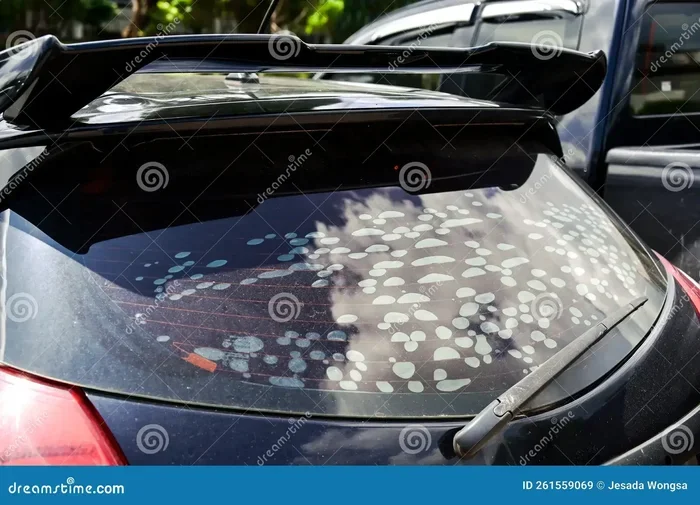
- Bubbles or blisters forming between the film and the glass
- Peeling edges where the tint is lifting away from the window
- Cloudy or hazy patches that were not there before
- Fading or color changes, especially near the edges
- Small cracks or scratches that spread over time
- Purple or discolored areas showing UV breakdown
If you notice any of these signs, do not wait. The longer you let tint bubbling or peeling go untreated, the worse it gets. Moisture can sneak in and cause mold or mildew behind the film. That creates a whole new set of problems you do not want to deal with.
The Touch Test
Run your finger along the edges of your tint. If you feel any lifting or roughness, the adhesive is failing. Gently press on any bubble you see. If it does not pop back flat, the air gap is permanent and needs attention. These simple checks take less than a minute but help you stay ahead of window film bubbles and further damage.
Solutions for Fixing Damaged Auto Tint
Now that you know what causes damaged auto tint and how to spot it, let us talk about solutions. The right fix depends on the type and severity of the damage. Here are all the options available to you.
DIY Fixes for Minor Damage
Small bubbles and minor edge lifting can often be fixed at home. These DIY tint fix methods work best when you catch the problem early.
Method 1: The Heat and Squeegee Technique. Use a hair dryer on a low setting to warm up the bubbled area. The heat softens the adhesive and allows the film to re-adhere. Gently press the bubble flat with a squeegee or a clean credit card wrapped in a soft cloth. Work slowly from the center outward to push air out.
Method 2: Soapy Water Trick. Mix a few drops of dish soap with water in a spray bottle. Spray the bubbled area and use a soft cloth to press the bubble down. The soap acts as a lubricant and helps the film settle back into place. This works great for small auto tint bubbling that has not been there too long.
Method 3: Edge Repair with Tint Solution. If you notice tint edge lifting, apply a small amount of tint adhesive or soapy water under the lifted edge. Press it down firmly and hold for a few seconds. Use a hair dryer to set the adhesive. This is a simple but effective way to stop small problems from getting worse.
Professional Repair Options
When DIY fixes do not work or the damage is more serious, it is time to call in the pros. A skilled technician has the tools and experience to handle complex tint bubbling repair jobs. They can also reapply film to areas where the adhesive has completely failed.
Professional professional tint repair typically costs between $50 and $150 per window, depending on the damage. For larger areas of tint peeling or window film deterioration, a full replacement is usually recommended. Many shops offer free estimates, so it is worth getting a quote before making a decision.
Full Tint Replacement
Sometimes the damage is just too extensive for repair. If more than 30 percent of your car window tint is peeling, bubbling, or discolored, replacement is the smartest choice. A full replacement involves removing the old film completely and applying fresh film to all affected windows.
The cost of full tint bubbling repair or replacement varies widely. A basic dye film replacement might cost $100 to $200 for the whole car. Ceramic or premium films can run $300 to $600 or more. But the investment pays off in better heat rejection, UV protection, and overall comfort every time you drive.
DIY Fix vs. Professional Repair: Which Is Right for You?
| Factor | DIY Fix | Professional Repair |
|---|---|---|
| Cost | $5-$20 (supplies only) | $50-$150 per window |
| Best For | Small bubbles, minor edge lift | Large bubbles, peeling, adhesive failure |
| Time | 30 minutes per window | 1-2 hours per window |
| Durability | Temporary fix | Long-lasting results |
| Skill Level | Beginner-friendly | Requires trained technician |
| Risk of Further Damage | Moderate if done incorrectly | Very low |
Quick Tips for Tint Repair Success
- Always clean the window thoroughly before attempting any repair
- Work in a shaded area or indoors to avoid dust and quick drying
- Use only tint-safe adhesives and cleaning products
- Do not press too hard on bubbles or you may tear the film
- Let repaired areas cure for at least 48 hours before rolling down the window
- Take photos of the damage before starting so you can track progress
Preventing Future Damage to Your Car Tint
The best way to deal with damaged auto tint is to prevent it from happening in the first place. A few simple habits can add years to the life of your car window tint and keep it looking great.
Choose Quality Film from the Start
Not all tint films are the same. Cheap dye-based films fade and bubble much faster than ceramic or carbon options. When you invest in quality window film bubbles resistance from day one, you save money and headaches down the road. Ask your installer about high-performance films that offer better heat rejection and UV protection.
Pick an Experienced Installer
Installation quality makes or breaks your tint experience. A professional installer prepares the window surface properly, cuts the film precisely, and squeegees out all moisture and air. This prevents most adhesive failure and tint edge lifting problems before they even start. Look for certified installers with strong reviews and a warranty on their work.
Clean Your Tinted Windows the Right Way
This is one of the easiest ways to prevent scratched window film and tint discoloration. Use a soft microfiber cloth and a cleaner specifically designed for tinted windows. Avoid ammonia-based glass cleaners like Windex. They break down the tint adhesive and cause premature fading. Stick to pH-balanced, tint-safe cleaners for the best results.
Protect Your Car from Prolonged Sun Exposure
Whenever possible, park your car in a garage or under shade. UV rays are relentless, and even the best auto tint lifespan gets shortened by constant exposure. A sunshade for your windshield helps too. These small steps reduce the thermal stress on your car window tint and keep it looking sharp for years.
Be Gentle with Your Windows
Avoid leaning hard on the windows or using sharp objects near the tinted surfaces. Do not use abrasive scrubbers when cleaning. Treat your tinted windows with care, and they will reward you with long-lasting performance and a great look.
When to Replace vs. Repair Your Damaged Auto Tint
Deciding between repair and replacement can be tricky. Here is a simple framework to help you make the right call.
Go for Repair If
- The damage covers less than 20 percent of the window
- You are dealing with a few small bubbles or edge lifting
- The tint film is still otherwise in good condition
- You want a quick and affordable fix
- The damage is mostly cosmetic and does not affect function
Go for Replacement If
- More than 30 percent of the tint is peeling or bubbling
- The film has turned purple or severely faded
- You can see cracks or scratches spreading across the surface
- The adhesive has failed in large sections
- The tint no longer provides adequate UV protection or heat rejection
When in doubt, get a professional opinion. A reputable tint shop will inspect your windows and give you honest advice. They will tell you if a repair makes sense or if a full replacement is the better investment for your car window damage situation.
Expert Insights on Auto Tint Maintenance
We spoke with several auto tint professionals about the most common mistakes they see and the best advice they can share. Here is what the experts had to say.
Wait at least 30 days before rolling down your windows after a new tint job. This allows the adhesive to fully cure. Rolling the window down too early can cause tint edge lifting and create gaps where moisture enters. That is the number one reason people come in with auto tint bubbling within the first month.
Invest in ceramic film if you live in a hot climate. Ceramic tint offers superior heat rejection and does not fade over time. It costs more upfront but pays for itself in comfort and durability. Many customers who switch to ceramic say they never want to go back to basic dye films.
Schedule a yearly tint inspection. Just like you check your tires or oil, your tint deserves regular attention. A quick check for early signs of window film deterioration can catch small problems before they become big ones. Most shops offer free inspections and can catch issues you might not even notice yet.
Do not use a razor blade on tinted windows. Even professionals avoid this. Scraping the tint surface with a blade creates micro-scratches that weaken the film and lead to premature solar film damage. Always use soft tools and tint-safe products.
Final Thoughts on Damaged Auto Tint
Damaged auto tint is frustrating, but it is also very fixable. Whether you are dealing with a few small bubbles or widespread tint peeling, there is a solution for every situation. The key is to act quickly and not let small problems turn into big ones. Catching window film bubbles early and addressing them with the right method can save you hundreds of dollars.
Take care of your car window tint the same way you take care of the rest of your vehicle. Use the right cleaning products, park in the shade when you can, and have your tint inspected regularly. These simple habits go a long way toward keeping your tint looking great and functioning at its best. And when the time comes for a repair or replacement, you will know exactly what to do. Your car deserves tint that looks good and works hard for you every time you hit the road.
Frequently Asked Questions
What are the main causes of damaged auto tint?
The most common causes include prolonged heat and UV exposure, poor installation, chemical damage from harsh cleaners, physical impact from rocks or accidents, and simple age-related wear. Each of these factors breaks down the tint film and adhesive over time, leading to bubbling, peeling, and fading.
Can I fix a bubble in my auto tint myself?
Yes, small bubbles can often be fixed at home using a hair dryer and a soft squeegee or credit card. Warming the bubbled area softens the adhesive, and gentle pressing can push the air out. However, large or old bubbles usually need professional attention for a lasting fix.
How much does it cost to repair damaged auto tint?
DIY repair supplies cost between $5 and $20. Professional repair typically ranges from $50 to $150 per window. Full tint replacement for the entire car can cost anywhere from $100 to $600 or more, depending on the type of film you choose.
How long does auto tint last before it gets damaged?
A quality auto tint lifespan ranges from five to ten years. Budget films may show damage sooner, while premium ceramic films can last even longer. Climate, care habits, and installation quality all affect how long your tint stays in good shape.
Is it better to repair or replace damaged auto tint?
It depends on the extent of the damage. Minor bubbling and edge lifting are usually repairable. If more than 30 percent of the tint is peeling, discolored, or cracked, replacement is the better option. A professional inspection can help you decide.
What should I avoid doing to prevent tint damage?
Avoid using ammonia-based cleaners, abrasive sponges, and sharp tools on your tinted windows. Do not roll down your windows for at least 30 days after a new tint job. Also, try to park in shaded areas to reduce UV and heat exposure that causes tint discoloration and film breakdown.