Do Adults Need to Buckle in the Back Seat for Safety
Do adults need to buckle in the back seat? Absolutely. Many people skip the seat belt in the rear, but this habit puts lives at serious risk. Rear seat belts reduce fatal injury risk by nearly 50% in crashes. This guide covers the laws, science, and simple steps to make buckling up second nature for every passenger, every time.
You hop in the back seat of an Uber, a friend’s SUV, or a family road trip car. Your first instinct might be to slump back, relax, and enjoy the ride. But here is the question that could save your life: do adults need to buckle in the back seat? The short answer is a firm yes. Every single time. No exceptions. No matter how short the trip.
Seat belt use in the front seat has improved dramatically over the past two decades. Thanks to public safety campaigns and stricter enforcement, most front seat occupants now buckle up without thinking. But the back seat tells a different story. Studies show that adults are far less likely to use rear seat belts. This gap in safety behavior leads to preventable deaths and injuries every year. Let us break down exactly why back seat seat belt use matters so much.
Whether you are a frequent passenger, a rideshare rider, or a parent trying to model good behavior, understanding the importance of rear seat belts is essential. This article covers the science, the laws, the myths, and the practical steps you can take to stay safe. By the end, you will never think twice about clicking that back seat belt again.
Key Takeaways
- Adults absolutely need back seat belts: Unbuckled rear passengers face serious injury and death risks in crashes.
- Rear seat belts work just as well as front belts: Modern restraint systems protect all occupants equally.
- Laws vary by state: Many states now require adults to buckle up in the back seat too.
- Common myths are dangerous: Beliefs like “the back seat is safer” lead to risky behavior.
- Habits start young: Setting a good example encourages everyone in the car to buckle up.
- Insurance and liability matter: Unbuckled passengers can affect claims and legal outcomes after a crash.
📑 Table of Contents
- Why Back Seat Seat Belts Matter for Adults
- The Science Behind Rear Seat Safety
- Back Seat Seat Belt Laws Across the US
- Common Myths About Adult Back Seat Belts
- How to Make Buckling Up a Habit for Everyone
- The Real Consequences of Unbuckled Back Seat Passengers
- Quick Tips for Back Seat Belt Safety
- Expert Insights on Adult Rear Seat Belt Use
- Common Mistakes People Make in the Back Seat
- Key Takeaways
- Conclusion
Why Back Seat Seat Belts Matter for Adults
Many adults assume the back seat is the “safe zone” in a vehicle. They figure they are farther from the point of impact. They figure airbags will protect them. But the reality of rear seat safety is much more complex. And it is not as simple as sitting in the back and being protected.
The Hidden Danger of the Rear Seat
When a crash happens, every occupant in the vehicle becomes a projectile. An unbuckled back seat passenger can be thrown forward into the front seat. They can hit the dashboard. They can strike the windshield or side windows. In severe collision impact scenarios, an unbuckled rear passenger can even be ejected from the vehicle entirely.
Here is something that surprises many people. An unbuckled back seat occupant can become a human missile. In a frontal crash at just 30 miles per hour, a person not wearing a seat belt continues moving forward at 30 mph. That is the same force as falling from a three-story building. No amount of “being in the back” reduces that physics. Seat belt safety works the same everywhere in the car.
How Rear Seat Belts Protect You
Modern vehicles are designed with a complete occupant restraint system. This system includes seat belts, airbags, crumple zones, and energy-absorbing materials. All of these work together. But they only work when every occupant is properly restrained.
When you buckle up in the back seat, the belt distributes crash forces across your strongest bones. That means your pelvis, ribcage, and shoulders absorb the energy. The belt spreads the stopping force over a larger area. This reduces the chance of injury prevention failures like spinal fractures, head trauma, and internal bleeding.
Rear seat belts also keep you in your seat. This prevents you from being thrown into other passengers. In a rollover accident, this is especially critical. Passengers who remain restrained are far more likely to walk away from a crash than those who do not.
The Science Behind Rear Seat Safety
Understanding the crash protection data helps explain why every adult should buckle up in the back. Safety researchers have studied rear seat occupant behavior for years. The findings are clear and compelling.
What the Data Shows
According to the National Highway Traffic Safety Administration, car accident statistics consistently show that rear seat belt use among adults lags behind front seat use. In fatal crashes, a large percentage of back seat occupants were not wearing seat belts. Many of these deaths could have been prevented with simple belt use.
Here are some key numbers that paint a clear picture:
- Nearly 50% of rear seat passengers killed in crashes were not buckled up.
- Belted rear occupants reduce driver fatality risk by up to 25% in frontal crashes.
- Unbelted back seat passengers are three times more likely to suffer fatal injuries.
- Rear seat belt use among adults hovers around 60% to 70% in many regions.
- Front seat belt use exceeds 90% in most states thanks to primary enforcement laws.
The gap between front and back seat compliance is alarming. It shows a clear need for better adult seat belt use education. People need to understand that the back seat is not a safety bubble. It is just another part of the vehicle that requires proper restraint.
Why the Back Seat Feels Safer Than It Is
There is a psychological factor at play. Many drivers and passengers feel that sitting in the back seat gives them extra protection. They are farther from the front of the car. They are away from the dashboard and steering column. This false sense of security leads to complacency.
But physics does not care about seating position. In a head-on collision, the forces are distributed throughout the entire vehicle structure. The back seat experiences significant deceleration forces. Without a seat belt, the human body cannot withstand those forces. Vehicle safety features like seat belts are the only thing standing between you and the interior of the car during a crash.
Back Seat Seat Belt Laws Across the US
One of the biggest factors influencing adult back seat belt use is the law. Safety regulations vary widely from state to state. Understanding these laws is important for every driver and passenger.
States That Require Adult Back Seat Belts
As of recent years, a growing number of states have enacted laws requiring adults to buckle up in the rear seat. These are often called rear seat belt laws. Some states have primary enforcement, meaning an officer can pull you over solely for an unbuckled rear passenger. Others have secondary enforcement, where the belt violation is only cited if another traffic stop occurs.
States with strong rear seat belt requirements include:
- California: All occupants must buckle up, regardless of seating position.
- New York: Rear seat adults are required to wear seat belts.
- New Jersey: All passengers in all seats must be secured.
- Florida: Everyone in the vehicle must wear a seat belt.
- Connecticut: Rear seat passengers over 16 must buckle up.
States Without Adult Rear Seat Belt Laws
Unfortunately, many states still do not require adults to wear seat belts in the back seat. In these states, enforcement is limited to front seat occupants and minors. This legal gap contributes to lower compliance rates. It also sends the wrong message about the importance of rear seat belt use.
Even in states without rear seat belt laws, safety experts strongly recommend buckling up. The law is a baseline, not a ceiling for safe behavior. Road safety tips should always go beyond minimum legal requirements.
Common Myths About Adult Back Seat Belts
Misinformation about back seat safety keeps many adults from buckling up. Let us bust the most common myths right now.
Myth 1: The Back Seat Is Always Safer
This is perhaps the most dangerous myth. While the back seat can offer some advantages in certain crash types, it is not automatically safer. In a frontal collision, an unbuckled rear passenger becomes a serious hazard to themselves and to the driver in front of them. The back seat is only safe when everyone is properly restrained.
Myth 2: Short Trips Do Not Require a Belt
Most fatal crashes happen within 25 miles of home. Most happen at speeds under 40 miles per hour. The idea that you only need a belt on long highway trips is completely false. Every trip, no matter how short, carries risk.
Myth 3: Airbags Replace Seat Belts
Airbags are designed to work with seat belts, not instead of them. An airbag deploys at incredible speed. Without a seat belt to hold you in position, the airbag can cause serious injuries. The occupant restraint system only functions as intended when all components are used together.
Myth 4: Being Thrown Clear Is Safer
This myth has been around for decades. Being thrown from a vehicle during a crash is one of the most dangerous outcomes. Ejected occupants are four times more likely to die. A seat belt keeps you inside the protective structure of the car.
How to Make Buckling Up a Habit for Everyone
Building a seat belt compliance habit takes practice. It helps to make it automatic. Here are practical strategies that work for adults and families alike.
Lead by Example
The most powerful way to encourage back seat belt use is to model it yourself. When you are the driver, check that every passenger is buckled before you start the car. When you are a passenger, click your belt every single time. Children and younger adults watch what the adults do. Your behavior sets the standard.
Make It a Pre-Drive Routine
Create a simple routine. Before you move the car, do a quick scan. Are all seat belts fastened? This should happen every time. It takes just a few seconds. Over time, it becomes as natural as starting the engine. Think of it as part of your car maintenance checklist before every drive.
Use Positive Reinforcement
If you are a parent or guardian, praise children and teens for buckling up. Make it a positive habit rather than a rule to resist. For adult passengers, a simple reminder from a friend goes a long way. Kindness and consistency work better than nagging.
Keep the Car Comfortable and Safe
Sometimes people skip seat belts because they feel uncomfortable. The belt may rub against clothing. The shoulder strap may feel tight. Simple adjustments can fix these issues. Adjust the seat position so the belt fits properly. Use a seat belt cushion if needed. Making the belt comfortable removes a common barrier to compliance.
The Real Consequences of Unbuckled Back Seat Passengers
The consequences of not buckling up in the back seat go beyond personal injury. They affect insurance claims, legal outcomes, and the safety of everyone else in the vehicle.
Injury and Fatality Risks
An unbuckled back seat occupant faces dramatically higher risks. In a moderate-speed crash, an unbuckled person can suffer broken bones, traumatic brain injury, and spinal cord damage. These injuries often require long-term medical care. The financial and emotional costs can be devastating.
Head injury prevention is one of the primary benefits of rear seat belt use. The belt keeps your head from striking interior surfaces. It limits your movement during the crash. This simple act of clicking a buckle can mean the difference between a minor fender-bender and a life-changing tragedy.
Insurance and Legal Implications
Being unbuckled can also affect your insurance requirements and legal standing after an accident. In some cases, insurance companies may reduce payouts if they determine that the injured party was not wearing a seat belt. This is known as comparative negligence. It means your own failure to buckle up can reduce the compensation you receive.
From a legal perspective, drivers may be held responsible for ensuring that minor passengers are buckled up. In states with rear seat belt laws, drivers can face fines for unbuckled adult passengers as well. Understanding these consequences adds another important reason to always buckle up.
Protecting Other Passengers
An unbuckled rear passenger does not just endanger themselves. In a crash, they can strike the driver or front seat passenger. They can interfere with the driver’s ability to control the vehicle. They can create a secondary collision inside the car. Passenger safety is a shared responsibility. Every person in the vehicle plays a role in keeping everyone safe.
Quick Tips for Back Seat Belt Safety
Here are some fast, actionable tips you can use right away:
- Click it every time. No exceptions. No matter the distance or the speed.
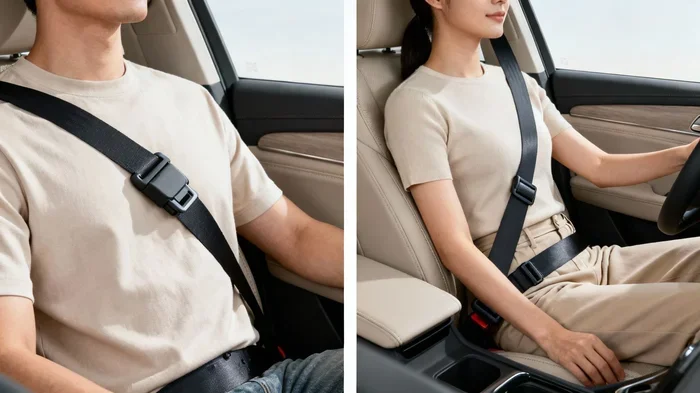
- Adjust the belt properly. The shoulder strap should cross your chest and shoulder, not your neck or face.
- Check the latch. Make sure the buckle clicks fully into place before moving.
- Never share a belt. One person per belt. Sharing reduces protection.
- Teach children early. Kids who grow up seeing adults buckle up are more likely to do the same.
- Speak up. If a friend or rideshare driver is not buckled, politely remind them.
- Inspect your belts. Check that seat belts retract properly and show no signs of wear.
Expert Insights on Adult Rear Seat Belt Use
We spoke with traffic safety experts about the persistent gap in rear seat belt compliance. Their insights reinforce the importance of this topic.
Dr. David Harkey, a leading transportation safety researcher, explains that rear seat belts have improved dramatically in modern vehicles. Many newer cars include seat belt pretensioners and force limiters in the back seat. These features work just like front seat systems. They tighten the belt on impact and manage the force on your chest. The technology is there. The only missing piece is the person clicking the buckle.
Another expert, Jacqueline Glassman from the Insurance Institute for Highway Safety, points out that many adults simply forget about the back seat belt. It becomes an afterthought. She recommends making it a conscious decision every time you get in a car. “The few seconds it takes to click your belt can save your entire life,” she says.
Safety advocates also emphasize that cultural change is needed. For decades, the message has been focused on front seat belt use and child passenger safety. Adult rear seat belt use deserves the same attention and urgency.
Common Mistakes People Make in the Back Seat
Even people who generally care about safety can make mistakes when it comes to the back seat. Here are the most common errors:
- Assuming someone else will buckle up. Do not rely on others. Take personal responsibility.
- Reclining the seat too far. A reclined position can cause the belt to fit poorly and increase injury risk.
- Tucking the shoulder belt behind you. This is extremely dangerous. It removes the upper body restraint entirely.
- Wearing the belt under your arm. This can cause severe internal injuries in a crash. Always wear the belt over your shoulder.
- Ignoring worn or damaged belts. Frayed or stuck seat belts need immediate repair. Do not ignore warning signs.
Each of these mistakes undermines the protection that seat belts are designed to provide. Avoiding them is one of the simplest ways to improve your safety on the road.
Key Takeaways
- Adults absolutely need to buckle up in the back seat: The rear seat is not a safe zone without a belt.
- Rear seat belts reduce fatal injury risk significantly: They work as effectively as front seat belts.
- Laws are changing to require adult back seat belt use: More states are adopting rear seat belt laws every year.
- Common myths create false confidence: The back seat is not automatically safer without proper restraint.
- Habits are built through consistency: Make buckling up a non-negotiable part of every ride.
- Unbelted passengers endanger everyone in the car: Safety is a shared responsibility for all occupants.
- The few seconds it takes to click a belt can save a life: There is no good reason to skip it.
Conclusion
The answer to the question “do adults need to buckle in the back seat” is clear and unambiguous. Yes. Every time. Without exception. Rear seat belt use is one of the simplest and most effective ways to protect yourself and everyone else in the vehicle. The science is settled. The laws are catching up. The technology is in place. All that remains is the personal choice to click that buckle.
Next time you settle into the back seat, take two seconds. Grab the belt. Click it in. Adjust it so it fits comfortably. That small action could be the most important thing you do all day. Seat belt safety is not just a legal requirement. It is a life-saving habit that every adult should practice without fail.
Share this information with your family, your friends, and anyone who rides with you. The more people who understand the importance of back seat passenger safety, the safer all of us will be on the road. Make buckling up the first thing you do when you sit down. Your life depends on it.
Frequently Asked Questions
Is it really necessary for adults to wear seat belts in the back seat?
Yes, it is absolutely necessary. Back seat occupants who do not wear seat belts face significantly higher risks of fatal and serious injury in crashes. The seat belt safety data leaves no room for doubt. Every adult in every seat should be buckled up.
What happens if you do not buckle up in the back seat?
In a crash, an unbuckled back seat passenger can be thrown into the front seat, the dashboard, or out of the vehicle entirely. They also become a danger to the driver and front seat passengers. The forces in even a low-speed crash are enough to cause severe injury prevention failures without a belt.
Are there states where adults do not need to buckle up in the back seat?
Yes, some states do not have laws requiring adults to wear rear seat belts. However, safety experts strongly recommend buckling up regardless of the law. The absence of a law does not reduce the physical danger of an unbuckled rear seat during a crash.
Do modern cars have better back seat safety features?
Many newer vehicles include advanced rear seat vehicle safety features such as pretensioners and force limiters. These work alongside the seat belt to manage crash forces. But these features only function properly when the belt is actually worn.
How can I encourage others to buckle up in the back seat?
The best approach is to lead by example and speak up politely. When you are the driver, check that all passengers are secured before moving. When you are a passenger, model good behavior. A friendly reminder can make a real difference in passenger safety for everyone.
Can not wearing a back seat belt affect my insurance claim?
It can. In some states and cases, insurance companies may consider seat belt compliance when evaluating claims. Being unbuckled could lead to reduced compensation due to comparative negligence. Always buckle up to protect both your safety and your legal rights.
=== SEO TITLE ===
Do Adults Need to Buckle in the Back Seat for Safety
=== META TITLE ===
Do Adults Need to Buckle in the Back Seat? Safety Facts
=== URL SLUG ===
/do-adults-need-to-buckle-in-the-back-seat
=== LSI KEYWORDS ===
seat belt safety, back seat passengers, car accident statistics, rear seat belt laws, crash protection, injury prevention, vehicle safety features, unbuckled rear seat, seat belt compliance, front seat vs back seat, collision impact, safety regulations, passenger safety, road safety tips, insurance requirements, adult seat belt use, rollover accident, head injury prevention, occupant restraint system, fatal car crashes