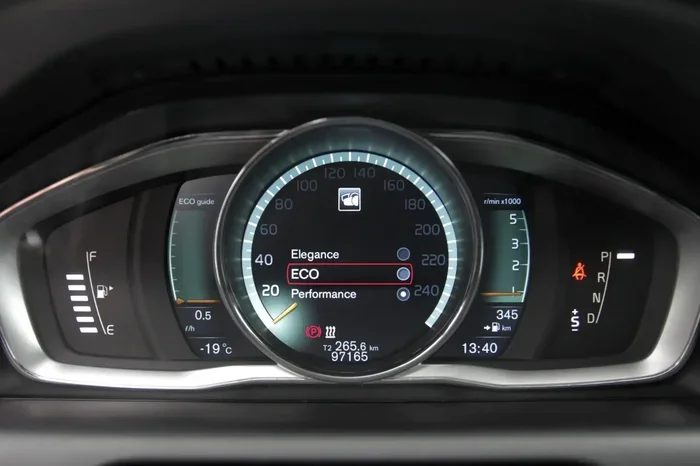
Does Turning Off Eco Mode Really Make Your Car Faster
Turning off eco mode can make your car feel faster and more responsive, but the real-world speed boost depends on your vehicle, driving conditions, and how aggressively you drive. Eco mode limits throttle input, adjusts transmission shift points, and reduces engine power to save fuel. When you disable it, you unlock more horsepower, better throttle response, and a sportier driving experience — but you pay for it at the pump.
Have you ever wondered whether flipping that little eco mode switch actually does anything? Maybe you have noticed your car feels a bit sluggish when eco mode is on. Or perhaps a friend told you that turning it off makes your vehicle way faster. Either way, the question is simple: does turning off eco mode make your car faster? The short answer is yes, but the full picture is more interesting than you might think.
Eco mode is a feature found in most modern vehicles. It changes how your engine, transmission, and other systems work together. The goal is to improve fuel economy and reduce emissions. When you turn it off, those restrictions come off too. Your car responds more quickly. The engine revs higher. The transmission holds gears longer. But does that mean your car is actually faster? Let us dig into the details and find out.
In this article, we will cover exactly what eco mode does, what happens when you turn it off, and whether the difference is worth it. We will also look at the trade-offs, the science behind it, and expert tips for getting the best of both worlds. By the end, you will know exactly how to use driving modes to your advantage.
Key Takeaways
- Eco mode restricts engine power: It dials back throttle response, softens acceleration, and shifts the transmission earlier to save fuel.
- Turning off eco mode does make your car faster: You get quicker throttle response, higher RPM before shifting, and more immediate power delivery.
- The speed difference is noticeable but modest: You will not gain extra horsepower, but your car feels sharper and more eager to respond.
- Fuel economy drops when eco mode is off: Expect a 10 to 20 percent decrease in gas mileage depending on your driving style.
- Not all cars respond the same way: The effect varies based on engine size, transmission type, and how the manufacturer programs the driving modes.
- There are trade-offs beyond speed: Turning off eco mode also affects air conditioning, power steering assist, and overall vehicle efficiency.
- Best practice is to use both modes: Keep eco mode on for daily commuting and turn it off when you need quick acceleration or spirited driving.
📑 Table of Contents
What Eco Mode Actually Does
Before we answer the big question, it helps to understand what eco mode really does under the hood. Many drivers assume it just changes a setting on the dashboard. In reality, eco mode adjusts multiple systems at once. These changes work together to make your vehicle more fuel efficient.
How the System Works
When you activate eco mode, your car’s computer starts making changes. The electronic throttle becomes less sensitive. This means pressing the gas pedal does not open the throttle valve as far. Your transmission also shifts earlier. Instead of holding a gear until the RPMs climb, it shifts up sooner to keep the engine in a lower power range.
Some vehicles also reduce the power going to the air conditioning compressor. This saves engine load. A few cars even adjust the power steering assist to use less energy. All of these small changes add up to better fuel economy over time.
What Changes When Eco Mode Is On
Here is a quick look at what eco mode typically changes:
- Throttle response: The pedal feels less sensitive. You need to press harder to get the same acceleration.
- Transmission shift points: The car shifts to higher gears earlier, keeping RPMs low.
- Engine power output: The computer limits how much fuel and air enter the combustion chamber.
- Air conditioning: The compressor may cycle on and off more often, reducing engine load.
- Cruise control behavior: Some cars adjust cruise control throttle maps to be gentler.
All of these changes are designed to help you use less gas. They work well for steady highway driving and city commuting. But they also make your car feel slower and less responsive.
Does Turning Off Eco Mode Make Your Car Faster?
Now for the question you have been waiting for. Does turning off eco mode make your car faster? The answer is yes, but let us be precise about what “faster” means in this context.
The Science Behind the Speed Boost
When you turn off eco mode, your car’s computer reverts to its default throttle and transmission maps. The throttle valve opens more for the same pedal input. The transmission holds gears longer before shifting up. This means the engine stays in its power band longer. The result is quicker acceleration and a more responsive driving feel.
However, your car does not gain extra horsepower. The engine is still the same engine. What changes is how quickly and eagerly it delivers the power it already has. Think of it like this: eco mode puts a gentle hand on the throttle. Turning it off removes that hand. The engine can now breathe more freely.
How Much Faster Can You Really Go?
The real-world speed difference depends on several factors. Your engine size matters a lot. A turbocharged four-cylinder will feel the difference more than a large V8, because the V8 already has plenty of torque on tap. Your transmission type also plays a role. Cars with automatic transmissions tend to show a more noticeable change than manual transmissions.
In most cases, you can expect a 5 to 15 percent improvement in throttle response. That might not sound like much, but it is very noticeable in everyday driving. Passing on the highway feels quicker. Merging onto freeways becomes easier. Your car just feels more alive and eager when eco mode is off.
What Changes When You Switch Off Eco Mode
Now that we have answered the main question, let us look at the specific changes you will notice. Understanding these details helps you decide when to use each mode.
Throttle Response and Acceleration
This is the most noticeable change. With eco mode off, the throttle opens faster. You get a more immediate connection between your foot and the road. The car feels sharper and more direct. Even small changes in throttle mapping can make a big difference in how the car drives day to day.
Transmission Behavior
When eco mode is off, the transmission shifts differently. It holds lower gears longer before upshifting. This keeps the engine at higher RPMs where it produces more power. Downshifts also happen more quickly when you need to accelerate hard. The result is a sportier feel and better passing power.
Engine Power and RPM
Without eco mode restrictions, the engine can rev higher and produce more power when you need it. The fuel injection system delivers more fuel and air when the pedal is pressed hard. This is especially helpful in situations where you need quick acceleration, like merging onto a busy highway or overtaking another vehicle.
| Feature | Eco Mode On | Eco Mode Off |
|---|---|---|
| Throttle Sensitivity | Reduced | Normal or Sport |
| Transmission Shift Points | Early shifts | Later shifts |
| Engine Power Output | Limited | Full power available |
| Fuel Economy | Better | Lower |
| Throttle Response | Sluggish | Quick and direct |
| RPM Range | Lower | Higher |
| Air Conditioning Load | Reduced | Normal |
The Trade-Offs You Should Know About
Turning off eco mode is not all upside. There are real trade-offs that every driver should understand before switching modes. Let us look at the biggest ones.
Fuel Economy Takes a Hit
This is the most obvious trade-off. When eco mode is off, your car uses more fuel. The engine works harder. The transmission holds gears longer, which keeps RPMs higher. Over time, this adds up at the pump.
Studies show that switching from eco mode to normal or sport mode can reduce fuel economy by 10 to 20 percent. For a car that gets 30 miles per gallon, that could mean dropping to 24 or 25 mpg. If you drive 15,000 miles a year, that is a significant difference in fuel costs.
Other Side Effects
Beyond fuel economy, turning off eco mode can affect other systems too. The air conditioning may work harder, which adds a small load to the engine. Power steering assist may change, making the steering feel heavier at low speeds. Some vehicles also adjust the stability control calibration when eco mode is off.
Engine Wear and Tear
Running your engine at higher RPMs more often can lead to slightly increased wear over time. This is not a major concern for most drivers, but it is worth noting. If you regularly drive with eco mode off and haul heavy loads, your engine and transmission may need service sooner than if you kept eco mode on.
When Should You Turn Off Eco Mode?
Knowing when to use each mode is just as important as understanding what they do. Let us look at the best situations for turning eco mode off and when to keep it on.
Driving Situations Where It Helps
There are several scenarios where turning off eco mode makes a real difference:
- Highway passing: You need quick acceleration to pass a slow-moving vehicle. Turning off eco mode gives you that extra burst of power.
- Merging onto highways: You need to match the speed of fast-moving traffic quickly and safely.
- Hill climbing: Going uphill requires more engine power. Eco mode can make this feel sluggish and labored.
- Sporty or spirited driving: If you enjoy driving and want a more engaging experience, turning off eco mode is a great first step.
- Towing or hauling: When your car is under a heavy load, it needs all the power it can get.
When to Keep Eco Mode On
There are also plenty of times when eco mode is the better choice:
- Daily commuting in traffic: Stop-and-go driving benefits from the smoother throttle mapping.
- Long highway trips: Steady-speed driving is where eco mode shines for fuel savings.
- When fuel prices are high: If you are watching your budget, every bit of fuel economy helps.
- In city driving: Lower RPMs mean less noise and a more comfortable ride in urban settings.
How Different Vehicles Respond to Eco Mode Changes
Not all cars are created equal when it comes to eco mode. The effect of turning it off varies widely depending on the vehicle type, engine size, and how the manufacturer tunes the system.
Small Turbocharged Engines
Cars with small turbocharged engines, like a 1.5-liter turbo four-cylinder, often show the biggest difference when you turn off eco mode. These engines have less torque at low RPMs, so eco mode restrictions can really hold them back. Removing those restrictions lets the turbo spool up faster and deliver power more quickly.
Large Displacement Engines
Vehicles with larger engines, such as a 5.0-liter V8, show a smaller perceived difference. These engines already have plenty of power on tap. Eco mode still limits their responsiveness, but the baseline performance is so strong that the change is less dramatic.
Hybrid and Electric Vehicles
Hybrid and electric vehicles handle eco mode differently. In hybrids, eco mode often changes how the system blends electric and gasoline power. In EVs, eco mode primarily limits the electric motor’s power output. Turning off eco mode in these vehicles can make a big difference in acceleration, since electric motors deliver torque instantly.
Manual vs. Automatic Transmissions
Cars with manual transmissions give you more direct control over shift points. Eco mode in a manual car usually just softens the throttle. Turning it off gives you a more immediate feel, but you still control when to shift. Automatic transmissions, on the other hand, change their shift behavior more dramatically when eco mode is toggled on or off.
Expert Tips for Getting the Best of Both Worlds
You do not have to choose between fuel economy and driving enjoyment all the time. Here are some expert tips for balancing both.
- Use adaptive driving: Many newer cars let you switch between modes on the fly. Start in eco mode for the commute and switch to sport mode when you hit open roads.
- Monitor your fuel usage: Use your trip computer to track how different modes affect your gas mileage. This data helps you make informed decisions.
- Combine modes with driving habits: Even in sport mode, smooth acceleration and gentle braking improve fuel economy. Driving style matters just as much as the mode you select.
- Keep your vehicle maintained: A well-maintained engine responds better in all modes. Regular oil changes, clean air filters, and proper tire pressure all contribute to better performance and fuel economy.
- Try a test drive comparison: If you are unsure, drive the same route with eco mode on and then off. The difference will be very clear and personal to your driving experience.
The bottom line is that turning off eco mode does make your car faster. The improvement is real and noticeable. But it comes with trade-offs in fuel economy and, in some cases, increased engine stress. The key is to use each mode for what it is best at.
For most drivers, the ideal approach is to keep eco mode on for routine driving and turn it off when you need more responsiveness. This balanced approach gives you the best of both worlds. You save fuel when you do not need extra power, and you get a more engaging driving experience when the situation calls for it.
Understanding how your car’s driving modes work puts you in control. You get to decide how your vehicle performs, not just the manufacturer. That is a powerful feeling, and it starts with something as simple as flipping a switch.
So the next time you are behind the wheel, experiment with your eco mode setting. Feel the difference. Notice how your car responds. You might be surprised at just how much of an impact one simple switch can make on your daily driving experience.
Frequently Asked Questions
Does turning off eco mode damage your car?
No, turning off eco mode does not damage your car. It simply allows the engine and transmission to operate at their full potential. However, consistently driving at high RPMs may lead to slightly increased wear over many years. For normal driving, the impact is negligible and well within safe operating limits.
How much faster does a car go without eco mode?
A car does not actually go faster in terms of top speed. What changes is how quickly it accelerates and how responsive the throttle feels. Most drivers notice a 5 to 15 percent improvement in throttle response. The 0 to 60 time might improve by a small margin, but the real difference is in how the car feels during everyday driving.
Is it okay to drive with eco mode off all the time?
It is safe to drive with eco mode off all the time, but it is not ideal for fuel economy. You will likely see a 10 to 20 percent drop in gas mileage. Over time, this adds up at the pump. It is best to use eco mode off when you need the extra responsiveness and switch back to eco mode for routine driving.
Does turning off eco mode affect the air conditioning?
Yes, in many vehicles, turning off eco mode allows the air conditioning compressor to run at full capacity. With eco mode on, the compressor may cycle on and off more often to reduce engine load. This means your cabin might be slightly warmer with eco mode off, but the cooling is more consistent.
Can you turn eco mode on and off while driving?
Yes, most vehicles allow you to toggle eco mode on and off while driving. There is no need to stop the car first. The change takes effect almost immediately. However, it is always safest to make any dashboard adjustments when traffic conditions allow, such as at a red light or on a straight, open road.
Do all cars have an eco mode?
No, not all cars have an eco mode. It is most common in vehicles made after 2010. Many newer models include multiple driving modes like eco, normal, sport, and even custom settings. If your car does not have eco mode, it likely uses a standard driving calibration that balances performance and fuel economy by default.
=== CONCLUSION ===
So, does turning off eco mode make your car faster? Yes, it does. The improvement is real, noticeable, and most apparent in throttle response and acceleration. When you turn off eco mode, your car delivers power more eagerly, shifts gears later, and feels significantly more alive behind the wheel.
But this speed boost comes with a cost. Your fuel economy will drop, and you may notice other trade-offs like increased engine load and higher operating temperatures. The key is to use eco mode strategically. Keep it on for daily commuting and steady driving. Turn it off when you need quick acceleration, passing power, or a more engaging driving experience.
Understanding your vehicle’s driving modes gives you more control over how your car performs. It is a simple change that can make a big difference in how you experience every drive. So go ahead, flip that switch, and feel the difference for yourself. Your car has more power than you think, and eco mode has been holding it back.