How Do You Remove Oil Maintenance Required Warning Light
The oil maintenance required warning light is a common dashboard alert that tells you it is time for an oil change. Removing this light is simple once you know the right maintenance reset procedure for your car. This guide walks you through every step, brand by brand, so you can reset oil light yourself in minutes.
That little yellow or orange light on your dashboard can really get on your nerves. It says Oil Maintenance Required and it just sits there staring at you. You might wonder if your car is about to break down. The good news is that this light usually means one thing. It is time for an oil change. And the even better news? You can remove oil maintenance required alerts yourself in just a few minutes.
Many car owners panic when they see this dashboard warning. They think something is seriously wrong with the engine. But in most cases, the oil change indicator is just doing its job. It reminds you to stay on top of your service interval. This article will show you exactly how to handle this light. You will learn what it means, why it comes on, and how to reset it for different car brands. We will also cover when you should actually visit a mechanic instead of pressing buttons yourself.
Whether you drive a Honda, Toyota, Ford, or any other brand, this guide has you covered. We will walk through each step in plain language. No jargon. No confusing tech talk. Just simple, clear instructions that anyone can follow. By the end, you will know exactly how to reset oil light and keep your car running smoothly.
Key Takeaways
- Quick Reset: Most cars let you reset oil light in under 5 minutes with a simple button sequence.
- No Tools Needed: You do not need special equipment to remove the oil maintenance required warning light.
- Oil Change First: Always change the oil before resetting the light to avoid engine damage.
- Brand-Specific Steps: Honda, Toyota, Ford, and other brands have unique maintenance reset procedure methods.
- Warning Signs Matter: If the light keeps coming back, it may signal a deeper problem that needs a mechanic.
- Prevent Future Alerts: Regular car maintenance schedule habits keep your oil life system working properly.
📑 Table of Contents
- What Is the Oil Maintenance Required Warning Light?
- Why Does the Oil Maintenance Light Come On?
- How to Reset the Oil Maintenance Required Light
- Common Mistakes When Removing the Oil Maintenance Light
- When to See a Mechanic Instead of Resetting
- Tips to Keep Your Oil System Healthy
- Key Takeaways
- Conclusion
What Is the Oil Maintenance Required Warning Light?
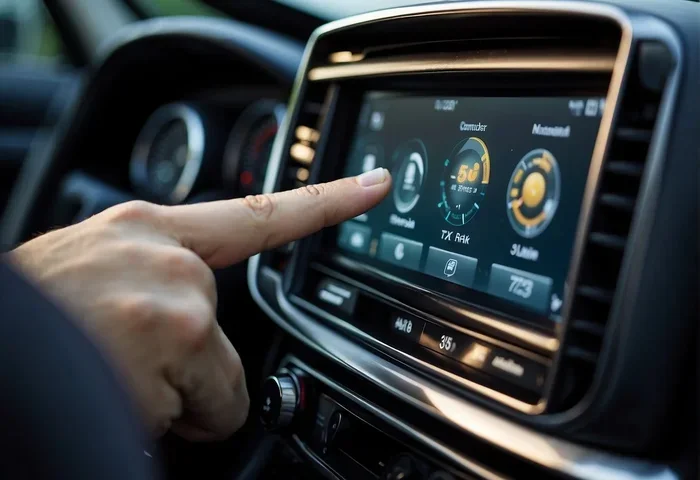
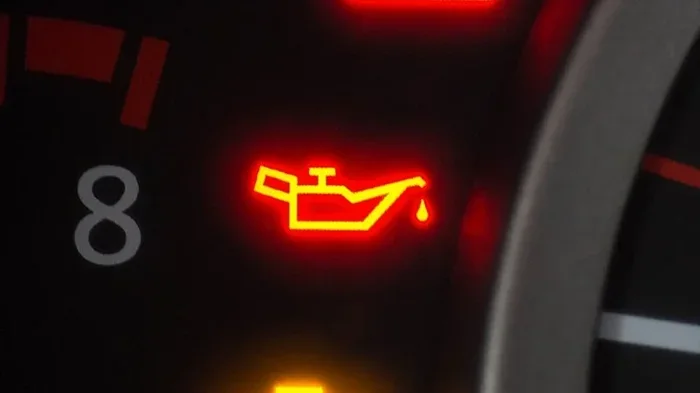
The oil maintenance required warning light is a dashboard symbol that appears on your vehicle’s display. It looks different depending on your car. Some brands show a small oil can icon. Others display text that reads “Maintenance Required” or “Oil Life.” This light is part of your car’s oil life system. The system tracks your driving habits and engine conditions. It estimates when the oil is getting old and needs replacing.
This is not the same as the check engine light. The check engine light signals a serious problem. The oil maintenance light is more of a friendly nudge. It tells you that your oil change reminder has come due. Think of it as your car’s personal assistant. It keeps track of things so you do not have to.
Most modern cars use an oil quality monitor instead of simple mileage-based reminders. This smart system looks at factors like engine temperature, driving time, and RPM. It calculates the actual condition of your oil. When the system decides the oil is no longer effective, it triggers the light. This is called the maintenance reminder system. It helps you protect your engine by changing oil at the right time.
How the Oil Life System Works
The oil life system uses algorithms to judge oil health. It does not just count miles. It looks at how hard you drive. Short trips in cold weather use up oil faster. Stop-and-go city driving also wears oil out quickly. The system takes all of this into account. When the oil life percentage drops to zero, the light comes on. At that point, your car is asking for fresh oil and a new filter.
Different car makers use different names for this system. Honda calls it the Maintenance Minder. Toyota uses Maintenance Required. BMW has its own Condition-Based Service system. No matter the name, the purpose is the same. It tells you when to change your oil based on real driving data. This is much better than old-school mileage-only reminders.
Why Does the Oil Maintenance Light Come On?
There are several reasons why your vehicle service light might turn on. Understanding these reasons helps you respond correctly. Here are the most common causes:
- Oil Change Due: The most common reason. Your service interval has been reached and the system wants you to change the oil.
- Oil Quality Drop: The oil quality monitor detected that the oil has lost its lubricating properties.
- Driving Conditions: Harsh driving, towing, or extreme temperatures can trigger the light sooner than expected.
- Oil Level Low: Some systems also monitor oil level. If the level drops, the light may activate.
- Oil Pressure Sensor Issue: A faulty oil pressure sensor can send incorrect signals to the computer.
- Old Oil Filter: A clogged oil filter can reduce oil flow and trigger the maintenance alert.
- Synthetic Oil vs Regular Oil: Using the wrong engine oil type may cause the system to miscalculate oil life.
The oil change indicator is designed to protect your engine. Old oil loses its ability to lubricate moving parts. It also picks up dirt and metal particles over time. When oil gets too contaminated, it stops working properly. This can lead to increased engine wear. In worst cases, it can cause serious engine damage. That is why the maintenance light off process should always follow an actual oil change.
Oil Change Intervals and Your Car
How often should you change your oil? The old rule was every 3,000 miles. But modern engines and oils are different today. Many cars now go 5,000 to 10,000 miles between changes. The oil life system in your car gives you a personalized answer. It tracks your specific driving patterns. Trust the system. It knows your car better than a generic mileage chart ever could.
Here is a quick comparison of common oil change intervals:
- Older Cars (pre-2010): Every 3,000 to 5,000 miles or 6 months.
- Modern Cars with Conventional Oil: Every 5,000 to 7,500 miles.
- Modern Cars with Synthetic Oil: Every 7,500 to 10,000 miles or more.
- Severe Driving Conditions: Every 3,000 to 5,000 miles regardless of oil type.
Severe driving conditions include short trips under 5 miles, extreme heat or cold, towing heavy loads, and dusty roads. If you drive in these conditions often, your maintenance reminder will come on more frequently.
How to Reset the Oil Maintenance Required Light
Now for the part you have been waiting for. How do you actually remove oil maintenance required alerts from your dashboard? The process varies by car brand. Below, we cover the most popular brands with step-by-step instructions. Always make sure you have changed the oil and installed a new filter before resetting. Resetting without an oil change can damage your engine.
Reset for Honda Vehicles
Honda uses the Maintenance Minder system. Here is how to reset it:
- Turn the ignition to the ON position (do not start the engine).
- Press and hold the SELECT/RESET button on the steering wheel or dashboard.
- Hold the button for about 10 seconds.
- The maintenance indicator light will start to blink.
- Release the button.
- Turn the ignition OFF and then back ON.
- Check if the light is gone. If it is, you are done.
For some Honda models, the process is slightly different. You may need to hold the button for 15 seconds instead of 10. Always refer to your owner’s manual for the exact steps. The manual is your best friend when dealing with the oil maintenance required warning light.
Reset for Toyota Vehicles
Toyota uses a Maintenance Required light that comes on every 5,000 miles. Here is how to reset it:
- Turn the ignition to the OFF position.
- Press and hold the trip meter reset button (ODO/TRIP).
- While holding the button, turn the ignition to the ON position.
- Keep holding the button for about 3 seconds.
- The trip meter will show “000000” and the light will turn off.
- Release the button.
If this does not work for your Toyota model, try holding the button for up to 10 seconds. Some newer Toyota models use a slightly different button sequence. Check your owner’s manual or search for your specific model online.
Reset for Ford Vehicles
Ford vehicles use the Ford Information Display system. The steps depend on your model year:
- Older Ford Models: Use the steering wheel controls to navigate to the vehicle information menu. Find the oil life percentage and select “Reset.”
- Newer Ford Models (2010+): Use the steering wheel arrows to scroll to “Settings.” Go to “Vehicle Info.” Select “Oil Life Reset.” Follow the on-screen prompts.
For many Ford trucks and SUVs, you can also hold the gas pedal and brake pedal together for a few seconds while the ignition is in the ON position. This forces the maintenance reset procedure to start.
Reset for Chevrolet Vehicles
Chevrolet uses the Driver Information Center (DIC) for maintenance alerts. Here is the reset process:
- Press the DIC menu button on the steering wheel.
- Scroll to “Vehicle Info.”
- Scroll to “Oil Life System.”
- Press the SET/CLR button.
- Select “Reset.”
- The oil life percentage will return to 100%.
For older Chevrolet models without a digital display, the process is different. You may need to turn the key to the ACC position and press the gas pedal three times quickly. This triggers the indicator reset button sequence.
Reset for Other Car Brands
Not sure how to reset your specific brand? Here are some general tips:
- Nissan: Turn ignition ON, press and hold the trip button for 5-10 seconds until the light resets.
- Subaru: Hold the trip meter reset stalk for 10 seconds while the ignition is ON.
- BMW: Use the iDrive system to navigate to Vehicle Status and select Oil Service Reset.
- Jeep: Turn the key to ON (do not start), fully press and release the gas pedal three times within 10 seconds.
- Mazda: Press and hold the trip meter reset button while turning the ignition to ON.
If your brand is not listed here, search online for your specific model year and “reset oil maintenance light.” The maintenance reset procedure is almost always the same basic idea. You just need to find the right button combination.
Common Mistakes When Removing the Oil Maintenance Light
Even though resetting the oil maintenance required warning light is simple, people make mistakes. Here are the most common errors you should avoid:
Resetting Without Changing the Oil
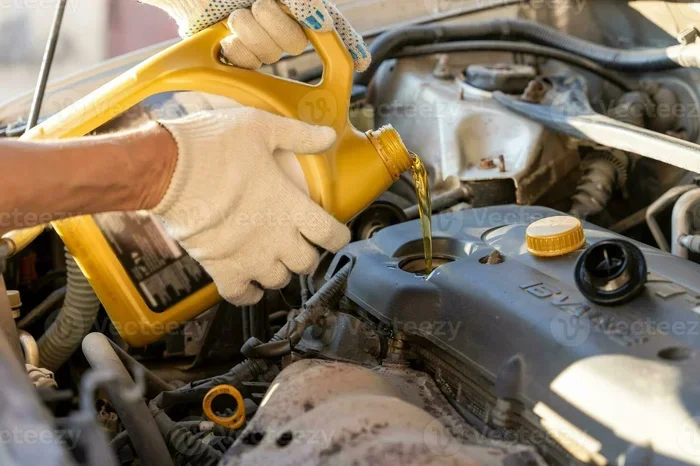
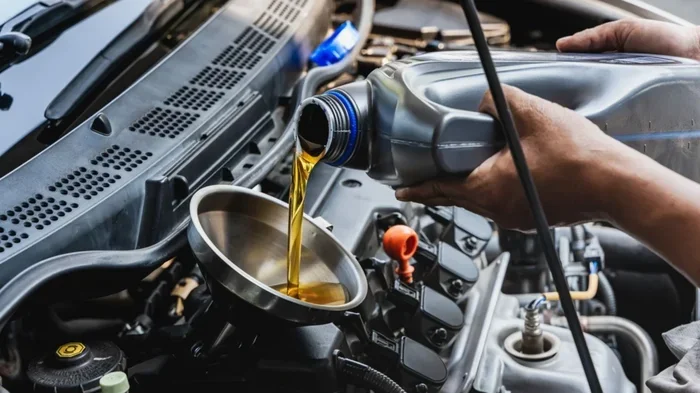
This is the biggest mistake people make. You should never reset the light without actually changing the oil. The light exists for a reason. It tells you that the oil needs replacement. If you just clear the light and keep driving on old oil, you risk engine damage. Fresh oil lubricates the engine. Old oil gets dirty and loses its effectiveness. Always change the oil first, then reset the light.
Using the Wrong Engine Oil Type
Not all oils are the same. Using the wrong engine oil type can cause problems. Your car’s manual tells you the right viscosity and specification. Using 5W-30 when the manual says 5W-20 can affect the oil quality monitor readings. The system may miscalculate the oil life and trigger the light again soon after a reset.
Ignoring the Light for Too Long
Some car owners see the maintenance reminder and simply ignore it. They keep driving for thousands of extra miles. This is dangerous. Old oil breaks down and loses its ability to protect engine components. Over time, this leads to increased friction, heat buildup, and eventually engine failure. Do not ignore the light. Address it promptly.
Using Quick Reset Without Proper Tools
While most resets are simple, some newer cars require diagnostic tools. If you cannot find the reset procedure online or in your manual, do not guess. Visit a parts store or mechanic. Many auto parts stores like AutoZone or O’Reilly will reset the light for free. This is a quick and safe option.
Not Checking the Oil Level
Before resetting the light, check your oil level with the dipstick. If the oil is low, adding oil should be your first step. Low oil can cause the oil pressure sensor to trigger warnings. Simply resetting the light without fixing the low oil level will not solve the problem.
When to See a Mechanic Instead of Resetting
Sometimes the oil maintenance required warning light means more than just an oil change. Here are situations where you should visit a mechanic:
- The Light Keeps Coming Back: If you reset the light and it returns within a few days, something is wrong. This could indicate an oil leak, a faulty oil pressure sensor, or a deeper engine issue.
- The Check Engine Light Is Also On: If the maintenance reminder appears alongside the check engine light, do not ignore it. Get the car diagnosed right away.
- Unusual Engine Noises: Knocking, ticking, or grinding sounds combined with the maintenance light could mean low oil or engine wear.
- Oil Looks Dark or Smells Burnt: Even if the oil level is fine, dark or burnt-smelling oil needs immediate attention.
- You Cannot Find the Reset Procedure: If you have tried everything and the light will not go off, a professional has the right diagnostic tools.
A trusted mechanic can perform a thorough mechanic inspection. They can check the oil pressure, inspect for leaks, and make sure the oil life system is functioning correctly. Sometimes the problem is not the oil at all. It is a sensor or a computer issue that needs professional attention.
How Often Should You Visit a Mechanic for Oil Service?
Even if you change your own oil, it is good to see a mechanic regularly. Most experts recommend a professional inspection every 12 months or 12,000 miles. During these visits, the mechanic can check the oil quality monitor calibration and ensure the service interval tracking is accurate. This proactive approach saves you money in the long run by catching small problems before they become big ones.
Tips to Keep Your Oil System Healthy
Preventing problems with your oil maintenance required system starts with good habits. Here are practical tips to keep your engine running well:
1. Follow the Manufacturer’s Oil Change Schedule
Your car’s owner manual is the best source for oil change intervals. Follow it closely. If you drive in severe conditions, shorten the interval. Better to change oil too often than too late.
2. Use Quality Oil and Filters
Not all oils and filters are created equal. Use oil that meets your car’s specifications. Look for API certification on the bottle. Choose a high-quality oil filter that matches your vehicle. Cheap filters may not trap contaminants effectively.
3. Check Oil Levels Monthly
Get in the habit of checking your oil level every month. Park on a flat surface. Wait for the engine to cool. Pull out the dipstick, wipe it clean, reinsert it, and check the level. If it is low, add the correct oil type right away.
4. Keep Track of Your Oil Changes
Use a notebook or a phone app to log every oil change. Record the date, mileage, oil type, and filter used. This helps you stay on top of your car maintenance schedule and gives you valuable data if problems ever arise.
5. Address Warning Lights Immediately
Never ignore dashboard lights. The oil change indicator is your car talking to you. Listen to it. Address it quickly and correctly. A small oil change today prevents a major engine repair tomorrow.
6. Warm Up the Engine Before Driving Hard
Give your engine a minute or two to warm up before driving aggressively. Cold oil is thicker and does not flow as well. Letting it warm up ensures proper lubrication from the start. This simple habit extends the life of your oil and your engine.
Expert Insight: The Role of Synthetic Oil
Many modern cars come from the factory with synthetic oil. Synthetic oil lasts longer than conventional oil. It handles temperature extremes better. It also keeps the oil quality monitor more accurate for longer periods. If your car allows it, switching to high-quality synthetic oil can extend your service interval and reduce how often you see the maintenance reminder light.
Key Takeaways
- Reset Oil Light: Always change the oil first, then follow the correct maintenance reset procedure for your car brand.
- Brand-Specific Steps: Honda, Toyota, Ford, Chevrolet, and other brands all have unique reset sequences.
- Do Not Ignore the Light: The oil maintenance required warning light protects your engine. Address it promptly.
- Avoid Common Mistakes: Never reset without an oil change, ignore low oil levels, or use the wrong oil type.
- See a Mechanic When Needed: If the light keeps returning or other warning signs appear, get professional help.
- Preventive Care: Regular oil checks, quality oil and filters, and a consistent car maintenance schedule keep the system healthy.
Conclusion
The oil maintenance required warning light does not have to be scary. It is simply your car’s way of saying, “Hey, it is time for an oil change.” Once you understand what the light means and how to reset oil light alerts, the whole process becomes easy and stress-free. You now know the step-by-step reset methods for Honda, Toyota, Ford, Chevrolet, and other popular brands.
Remember the golden rule: always change the oil before resetting the light. Skipping this step can lead to serious engine problems down the road. Keep up with your car maintenance schedule and your oil life system will reward you with a longer-lasting engine.
Taking care of your car does not have to be complicated. With the right knowledge and a little patience, you can handle the oil maintenance required light yourself. You save time and money. You also gain confidence as a car owner. So the next time that light pops up on your dashboard, do not panic. You know exactly what to do.
Keep your engine happy. Keep your oil fresh. And keep driving with confidence knowing you have the skills to handle the oil maintenance required warning light anytime it comes on. Your car will thank you for it.
Frequently Asked Questions
Can I drive with the oil maintenance required light on?
You can drive a short distance, but it is not recommended. The light means your oil needs changing soon. Driving for too long with old oil can cause engine wear. Get the oil changed as soon as possible to protect your engine.
How long does it take to reset the oil maintenance required light?
The reset process takes about 2 to 5 minutes for most car brands. You just need to follow the right button sequence for your vehicle. No tools or special equipment are required.
Will resetting the oil light clear any other dashboard warnings?
No. The oil maintenance reset only affects the maintenance reminder. It does not clear the check engine light or other warning lights. Each light has its own reset process and meaning.
What happens if I reset the oil light without changing the oil?
Resetting without an oil change erases the reminder but does not replace the old oil. Your engine still has degraded oil that needs to be changed. This can lead to increased friction, heat, and potential engine damage over time.
Does the oil maintenance light mean my oil pressure is low?
Not necessarily. The oil maintenance required warning light is usually just a service reminder. However, if you also notice the oil pressure gauge dropping or hear unusual engine sounds, check your oil level immediately and visit a mechanic.
Can I use an OBD2 scanner to remove the oil maintenance light?
Yes. An OBD2 scanner can reset the maintenance light on many vehicles. However, it is important to change the oil first. Using a scanner to clear the light without an oil change defeats the purpose of the oil quality monitor system.