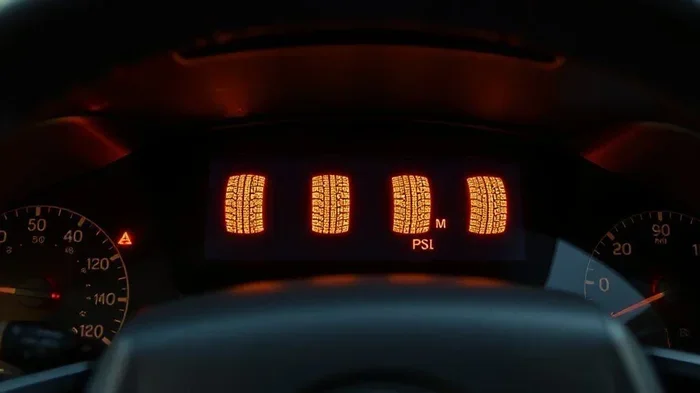
How Do You Reset the Tire Light on a 2011 Toyota Camry
Resetting the tire light on a 2011 Toyota Camry is easier than most drivers think. You can fix this issue in just a few minutes using the dashboard controls, a reset button, or a simple OBD-II scanner. This guide walks you through every method, explains why the light comes on, and helps you prevent it from returning.
Few things on the dashboard feel as frustrating as seeing a warning light pop up out of nowhere. If you drive a 2011 Toyota Camry and the tire light just turned on, you are not alone. This is one of the most common alerts Camry owners face. The good news is that resetting the tire light is usually a quick and painless process. You do not need to be a mechanic or own fancy tools. In this guide, we walk you through every step to get that light turned off and keep it from coming back.
The tire pressure monitoring system, or TPMS, is designed to keep you safe. It watches the air pressure inside your tires and warns you when something is off. On the 2011 Toyota Camry, this system is straightforward and easy to work with. Whether the light came on because of a slow leak, a change in weather, or a recent tire rotation, we have you covered. Let us dive into the details and get your Camry back to running smoothly.
Key Takeaways
- Multiple reset methods: You can reset the tire light using the steering wheel controls, the reset button, or an OBD-II scanner.
- Check tire pressure first: Always verify your tire pressure before resetting the light to avoid the warning coming back.
- Common causes are simple: Temperature changes, slow leaks, and recent tire swaps are the top reasons the light appears.
- Prevent future issues: Regular tire maintenance and seasonal pressure checks keep the TPMS system working properly.
- Know when to seek help: A flashing light or persistent warning may signal a faulty sensor that needs professional attention.
- No special tools needed: Most resets require only basic items you likely already have in your garage.
- Quick and DIY-friendly: This is a straightforward fix that most Camry owners can handle without a trip to the shop.
📑 Table of Contents
- What Triggers the Tire Light on a 2011 Toyota Camry
- How to Reset the Tire Light on a 2011 Toyota Camry
- Common Reasons the Tire Light Stays On After Reset
- Tools You Need for a Successful Tire Light Reset
- When to See a Mechanic Instead
- Preventing the Tire Light from Coming Back
- Quick Tips for a Smooth Reset Process
- Expert Insights on TPMS Maintenance
- Key Takeaways
What Triggers the Tire Light on a 2011 Toyota Camry
Before you reset the tire light, it helps to understand why it turned on in the first place. The TPMS in the 2011 Toyota Camry uses sensors inside each wheel to monitor air pressure. When the pressure drops below the recommended level, the system sends a signal to the dashboard. The tire warning light then turns on to alert you.
There are several reasons this can happen. Some are minor and easy to fix. Others may need a bit more attention. Let us look at the most common triggers.
How the TPMS System Works
The TPMS in the 2011 Toyota Camry is a direct measurement system. Each wheel has a small sensor mounted inside the tire, usually attached to the valve stem. These sensors send real-time pressure data to the car’s computer. If the pressure falls below about 25 percent of the recommended level, the system triggers the warning light.
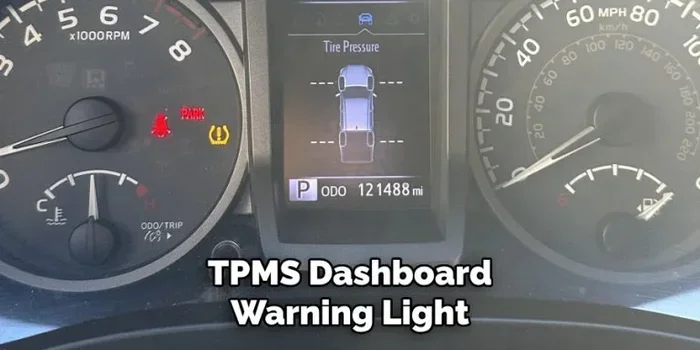
The light may look like a horseshoe shape with an exclamation point in the center. Sometimes it may flash first and then stay solid. A flashing light often means a more urgent issue, like a failed sensor. A solid light usually points to low pressure in one or more tires.
Common Triggers for the Tire Warning Light
- Low tire pressure: This is the number one reason the light comes on. Even a small leak can cause the pressure to drop over time.
- Temperature changes: Cold weather causes the air inside tires to contract. This can lower the pressure and trigger the light, especially in winter months.
- Recent tire changes: If you just got new tires, rotated your tires, or replaced a wheel, the system may need to be recalibrated.
- Faulty TPMS sensor: Like any electronic part, the sensors can fail or lose their battery over time.
- Slow puncture or nail: A small object lodged in the tread can cause a slow leak that gradually triggers the warning.
- Spare tire issues: Some models also monitor the spare tire pressure, which can trigger the light if it is low.
How to Reset the Tire Light on a 2011 Toyota Camry
Now that you know what causes the light, let us get into the reset process. There are three main ways to reset the tire light on a 2011 Toyota Camry. Each method is simple and does not require advanced mechanical skills. You can pick the one that works best for you.
Method 1: Using the Dashboard Controls
This is the most common method and the one most Camry owners use. The 2011 Toyota Camry has a built-in reset feature that is easy to access. Here is how to do it step by step.
- Start the engine. Turn the key to the “ON” position or press the start button. You do not need to drive the car for this step.
- Locate the trip meter reset button. This button is usually found on the dashboard cluster, near the speedometer or odometer. It may be labeled “Reset” or “Trip.”
- Press and hold the reset button. Keep holding it while you move to the next step.
- Turn the ignition to the “OFF” position. While still holding the button, turn the key to “OFF” or press the start button to shut the engine off.
- Turn the ignition back to “ON.” Keep holding the reset button for about three to five seconds after turning it back on.
- Release the button. The tire pressure light should flash three times and then turn off. This means the reset was successful.
If the light stays on after this process, try the method again. Make sure you are holding the button long enough during step five. Sometimes it takes two attempts for the system to fully reset.
Method 2: The Reset Button Under the Steering Wheel
Some 2011 Toyota Camry models have a dedicated TPMS reset button located under the steering column. This is a small pinhole button that you may need a pen or a flathead screwdriver to press.
Here is how to use it:
- Turn the ignition to the “ON” position. The dashboard lights should come on, but the engine does not need to be running.
- Find the TPMS reset button. It is usually located below the steering wheel on the left side of the dashboard. Look for a small hole with “TPMS” printed nearby.
- Press and hold the button. Use a pen or a small tool to push it firmly. Hold it for about three seconds.
- Wait for the light to blink. The tire pressure warning light on the dashboard should start blinking three times.
- Release the button. Turn the ignition off and then back on to confirm the reset.
This method works well for most 2011 Toyota Camry models. If you cannot find the button, check your owner’s manual. The exact location can vary slightly depending on the trim level.
Method 3: Using an OBD-II Scanner
If the dashboard methods do not work, an OBD-II scanner is a great backup option. This tool plugs directly into your car’s diagnostic port and can read and clear error codes. It is especially helpful if the tire light is caused by a faulty sensor rather than low pressure.
Here is how to use an OBD-II scanner to reset the tire light:
- Locate the OBD-II port. On the 2011 Toyota Camry, the port is usually under the dashboard on the driver’s side, near the knee area.
- Plug in the scanner. Connect the OBD-II device to the port. The screen should light up.
- Turn the ignition to “ON.” Do not start the engine yet.
- Follow the scanner prompts. Most scanners will ask you to select your vehicle make, model, and year. Choose “Toyota” and “Camry” for 2011.
- Read the diagnostic codes. The scanner will display any stored codes. Look for codes related to the TPMS, such as C0200 or C0210.
- Clear the codes. Select the option to clear or erase the codes. This will reset the tire light.
- Drive the car for a few minutes. The system will recalibrate, and the light should stay off if the underlying issue is resolved.
OBD-II scanners are affordable and widely available. You can buy one for under $30 at most auto parts stores. They are a great tool to keep in your garage for all kinds of diagnostic tasks beyond just the tire light.
Common Reasons the Tire Light Stays On After Reset
Sometimes you reset the tire light, and it comes right back. This can be frustrating, but it usually points to an underlying issue that needs attention. Let us look at the most common reasons this happens on a 2011 Toyota Camry.
Low Tire Pressure
The most obvious reason the light stays on is that your tire pressure is actually still low. Before you reset the light, always check each tire with a tire pressure gauge. The recommended pressure for a 2011 Toyota Camry is typically 32 PSI for all four tires. You can find the exact number on the sticker inside the driver’s door frame.
Use a reliable tire pressure gauge to check each tire, including the spare. If any tire is below the recommended level, add air until it reaches the proper PSI. Once the pressure is correct, try resetting the light again. In most cases, this solves the problem completely.
Temperature Drops
Cold weather is a sneaky cause of low tire pressure. When the temperature drops by 10 degrees Fahrenheit, your tire pressure can decrease by about 1 PSI. This means a cold morning in winter can trigger the tire light even if your tires were fine the day before.
If the light comes on during a cold snap, check your tire pressure and add air as needed. After you reset the light, it should stay off once the tires warm up and the pressure stabilizes. This is a normal seasonal occurrence and not a sign of a serious problem.
Faulty TPMS Sensor
TPMS sensors have a limited lifespan. Over time, the small battery inside each sensor can die, causing the system to malfunction. When a sensor fails, the tire light may flash or stay on even after you reset it.
Signs of a faulty TPMS sensor include:
- The light flashes for 60 to 90 seconds when you start the car and then stays solid.
- The light comes on even though all tires are at the correct pressure.
- One tire consistently shows a lower reading than the others on a scanner.
If you suspect a bad sensor, an OBD-II scanner can help you identify which wheel is affected. Replacing a TPMS sensor costs between $50 and $100 per sensor, depending on whether you do it yourself or hire a mechanic.
Recent Tire or Wheel Changes
If you recently installed new tires, rotated your existing tires, or changed wheels, the TPMS system may need time to recalibrate. The sensors need to relearn the position of each tire. In some cases, driving the car for 10 to 15 minutes at speeds above 30 mph allows the system to reset itself automatically.
If the light does not turn off after driving, try the manual reset methods described earlier. Sometimes the system needs a full reset after any tire work is done.
Tools You Need for a Successful Tire Light Reset
You do not need many tools to reset the tire light on a 2011 Toyota Camry. Most of the work can be done with items you already have at home. Here is a list of what you will need and why each item matters.
Tire Pressure Gauge
A good tire pressure gauge is the most important tool for this job. You need it to check the actual pressure in each tire before you reset the light. A digital gauge is more accurate than a pencil-style gauge, but either one works fine for the 2011 Toyota Camry. Look for a gauge that reads in PSI and has a clear display.
Portable Tire Inflator
If your tires are low on air, a portable tire inflator can save you a trip to the gas station. These small devices plug into your car’s 12-volt outlet and inflate tires quickly. They are especially handy for adding a few PSI to get the pressure back to the recommended level before resetting the light.
OBD-II Scanner
An OBD-II scanner is optional but very useful. It helps you read diagnostic codes, identify faulty sensors, and clear error codes. Even if you do not use it for the reset, it is a valuable tool for diagnosing why the tire light keeps coming back. Basic models are affordable and easy to use.
Pen or Flathead Screwdriver
For the reset button method, you need a small tool to press the TPMS reset pinhole. A pen with a removable cap works perfectly. A small flathead screwdriver also works in a pinch.
Owner’s Manual
Do not overlook the owner’s manual. It contains specific instructions for the TPMS system on your 2011 Toyota Camry. If you are unsure about the location of the reset button or the recommended tire pressure, the manual has all the answers.
When to See a Mechanic Instead
Most tire light resets are simple DIY fixes. However, there are times when it is best to leave the work to a professional. Knowing the difference between a simple reset and a deeper problem can save you time and money.
Warning Signs You Should Not Ignore
- The light flashes and stays on: A flashing tire light that does not turn solid may indicate a serious sensor or system failure.
- The light returns immediately: If you reset the light and it comes back within a few minutes, there is likely an unresolved pressure issue or a bad sensor.
- Multiple warning lights appear: If the tire light comes with the check engine light or other dashboard warnings, the problem may be more complex.
- You hear a hissing sound: This is a clear sign of a tire puncture or valve stem leak that needs immediate attention.
- The TPMS light appears after a collision: Any impact with a pothole, curb, or object can damage the sensors or the valve stems.
Cost of TPMS Sensor Replacement
If a TPMS sensor needs replacing on your 2011 Toyota Camry, the cost is usually between $150 and $300 for all four sensors, including labor. Individual sensors cost between $15 and $30 each if you buy them separately. Some tire shops offer free sensor replacement if you purchase new tires from them.
Replacing a sensor is a straightforward job for a mechanic. The sensor is mounted inside the wheel assembly and is replaced by unscrewing the old one and threading in the new one. Most replacements take about 30 minutes per wheel.
Preventing the Tire Light from Coming Back
The best way to deal with the tire light is to prevent it from coming back in the first place. Regular tire maintenance keeps your 2011 Toyota Camry running safely and helps the TPMS system work properly. Here are some simple habits that make a big difference.
Regular Tire Maintenance Tips
- Check tire pressure monthly. Make it a habit to check all four tires once a month. A quick check with a tire gauge takes only a few minutes.
- Check pressure before long trips. Always verify tire pressure before a road trip or long drive. Properly inflated tires improve fuel economy and safety.
- Rotate your tires every 5,000 miles. Regular tire rotation promotes even wear and helps the TPMS sensors stay accurate.
- Inspect valve stems. The valve stem is the small rubber or metal piece that sticks out of the wheel. Replace cracked or damaged valve stems to prevent slow leaks.
- Keep a tire pressure gauge in your glove box. Having one on hand makes it easy to check pressure anytime, anywhere.
Seasonal Tire Care
Temperature changes have a big impact on tire pressure. In the fall and winter, cold air causes tire pressure to drop. In the summer, heat can cause pressure to rise. Here is how to handle seasonal changes.
- In cold weather: Check tire pressure more frequently. Add air as needed to maintain the recommended PSI.
- In warm weather: Do not overinflate your tires. Heat causes the air inside to expand, which can push the pressure above safe levels.
- Use all-season tires: All-season tires handle temperature changes better than summer-only or winter-only tires, which helps maintain more stable pressure.
Quick Tips for a Smooth Reset Process
Here are some extra tips that make the reset process smoother and more effective:
- Drive at 30 mph or higher for 10 minutes before attempting the reset. This gives the TPMS system time to gather current readings.
- Make sure all tires are at the correct pressure before you reset. Resetting with low tires will just trigger the light again.
- Turn off the engine completely between reset attempts. A full restart helps the system recognize the reset command.
- Check the spare tire. The 2011 Toyota Camry has a full-size spare in the trunk. Low spare pressure can also trigger the tire light.
- Keep your owner’s manual nearby. It has model-specific details that can help if you run into any issues.
Expert Insights on TPMS Maintenance
Automotive experts agree that the TPMS is one of the most overlooked safety systems in any car. Many drivers ignore the tire light until it goes away on its own. But the TPMS exists for a reason. It helps prevent blowouts, improves fuel economy, and extends the life of your tires.
According to tire safety professionals, the average driver should replace TPMS sensors every 5 to 7 years. The small battery inside each sensor eventually dies, and the sensor stops sending accurate readings. On a 2011 Toyota Camry, if you have not replaced the sensors in several years, it may be worth having them checked at your next tire service appointment.
Another expert tip is to always reset the TPMS system after any tire work. Whether you rotated your tires, changed a flat, or installed new wheels, a quick reset ensures the system recalibrates correctly. This small habit can save you from unnecessary warning lights and trips to the mechanic.
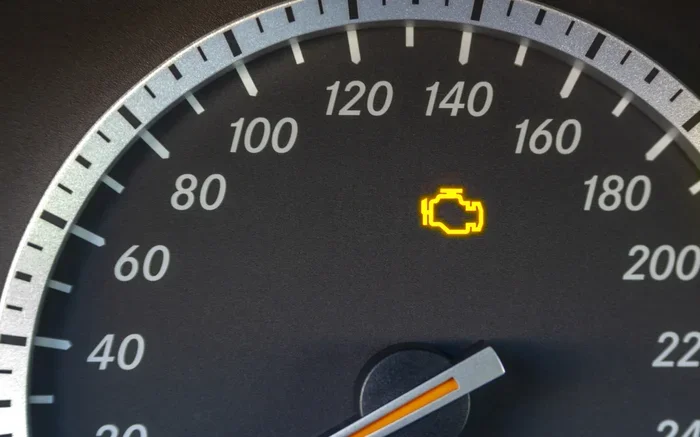
Finally, do not confuse the tire pressure light with the check engine light. While both are dashboard warnings, they serve different purposes. The tire light specifically monitors air pressure, while the check engine light covers a broader range of engine and emissions issues. If both lights come on at the same time, it could indicate a more complex problem that needs professional diagnosis.
Key Takeaways
- Multiple reset methods: You can reset the tire light using the dashboard controls, the reset button under the steering wheel, or an OBD-II scanner.
- Check tire pressure first: Always verify your tire pressure before resetting the light to avoid the warning coming back immediately.
- Common causes are simple: Temperature changes, slow leaks, and recent tire swaps are the top reasons the tire light appears on a 2011 Toyota Camry.
- Basic tools are enough: A tire pressure gauge, portable inflator, and OBD-II scanner are all you need for most resets.
- Know when to seek help: A flashing light, persistent warning, or multiple dashboard alerts may signal a faulty sensor that needs professional attention.
- Prevent future issues: Regular tire maintenance and seasonal pressure checks keep the TPMS system working properly on your Camry.
- Quick and DIY-friendly: This is a straightforward fix that most Camry owners can handle without a trip to the shop.
Frequently Asked Questions
Why does the tire light come on even when my tires look fine?
The tire light on a 2011 Toyota Camry can come on even when the tires look fine. This often happens because of a small drop in pressure caused by cold weather or a slow leak that is not visible to the eye. Even a loss of 2 or 3 PSI can trigger the TPMS warning. Check your tire pressure with a gauge to confirm the actual level before resetting the light.
How long does it take to reset the tire light on a 2011 Toyota Camry?
The reset process takes about 5 to 10 minutes using the dashboard controls or the reset button. If you use an OBD-II scanner, it may take a few additional minutes to read and clear the codes. Overall, it is a quick fix that most drivers can complete in under 15 minutes.
Can I drive my 2011 Toyota Camry with the tire light on?
You can drive short distances with the tire light on, but it is not recommended. The light means your tire pressure is below the safe level, which can affect handling, fuel economy, and tire wear. Check your tire pressure as soon as possible and add air if needed before driving long distances.
How much does it cost to replace a TPMS sensor on a 2011 Toyota Camry?
Replacing a TPMS sensor on a 2011 Toyota Camry costs between $150 and $300 for all four sensors, including labor. If you replace the sensors yourself, the parts alone cost about $15 to $30 each. Many tire shops offer free installation if you purchase the sensors from them.
Will the tire light reset itself after I add air to my tires?
In most cases, the tire light on a 2011 Toyota Camry does not reset automatically after you add air. You need to manually reset the system using the dashboard controls or the reset button. Once you add air to the correct PSI and perform the reset, the light should turn off and stay off.
What should I do if the tire light keeps coming back after resetting?
If the tire light keeps returning after you reset it, there is likely an underlying issue. Check all four tires for slow leaks, inspect the valve stems for damage, and use an OBD-II scanner to look for faulty sensor codes. If you cannot find the cause, take your 2011 Toyota Camry to a trusted mechanic for a professional diagnosis.
=== CONCLUSION ===
Resetting the tire light on a 2011 Toyota Camry is a simple process that most drivers can handle in just a few minutes. Whether you use the dashboard reset controls, the TPMS reset button, or an OBD-II scanner, the steps are straightforward and do not require any special skills. The key is to always check your tire pressure first and make sure all tires are at the recommended level before you reset the system.
Understanding why the tire light comes on in the first place helps you prevent it from returning. Temperature changes, slow leaks, and aging TPMS sensors are the most common culprits. With regular tire maintenance and seasonal pressure checks, you can keep the warning light off and your Camry running safely.
Remember that the TPMS is there to protect you. It is not just a nuisance light on the dashboard. It is a safety feature designed to keep you and your passengers safe on the road. Take the time to address the tire light when it appears, and your 2011 Toyota Camry will reward you with better fuel economy, longer tire life, and peace of mind every time you drive.
Now that you know exactly how to reset the tire light on a 2011 Toyota Camry, you have the power to handle this common issue on your own. Keep this guide saved for future reference, and do not let a simple tire warning light slow you down.