How Do You Turn On Rain-Sensing Wipers on a Hyundai
How Do You Turn On Rain-Sensing Wipers on a Hyundai? is an essential topic that provides valuable insights.
Key Takeaways
- Easy Activation: You can turn on rain-sensing wipers on a Hyundai using the steering wheel button, infotainment screen, or SmartSense system depending on your model.
- Works Automatically: Once activated, the system detects raindrops and adjusts wiper speed without any manual input from the driver.
- Model Availability: Not all Hyundai trims include rain-sensing wipers. Check your vehicle’s features or consult the owner’s manual.
- Regular Maintenance Matters: Keeping the sensor clean and wiper blades fresh ensures the system works reliably.
- Troubleshooting Is Simple: Most issues with rain-sensing wipers are caused by a dirty sensor or incorrect settings, both easy to fix.
- Adjustable Sensitivity: You can fine-tune how responsive the system is to match your local weather conditions.
- Safety Benefit: Rain-sensing wipers keep your hands on the wheel and eyes on the road, making wet-weather driving significantly safer.
📑 Table of Contents
- Understanding Rain-Sensing Wipers on Hyundai Vehicles
- How to Turn On Rain-Sensing Wipers on a Hyundai
- Which Hyundai Models Support Rain-Sensing Wipers
- Common Rain-Sensing Wiper Problems and How to Fix Them
- Maintenance Tips for Your Hyundai’s Rain-Sensing Wiper System
- Expert Tips for Getting the Most Out of Your Rain-Sensing Wipers
- Conclusion
Understanding Rain-Sensing Wipers on Hyundai Vehicles
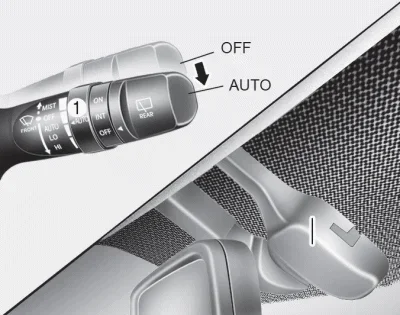
The rain-sensing wiper system in Hyundai vehicles is a smart safety feature. It uses a sensor that sits behind the rearview mirror on the windshield. This sensor sends out infrared light to detect raindrops on the glass. Based on the density and movement of the raindrops, the system calculates how fast the wipers should operate.
Unlike traditional wipers that you control manually, automatic rain-sensing wipers respond in real time. Light rain triggers a slow wipe. Heavy downpours trigger faster, more frequent wipes. This means you keep your hands on the wheel and your eyes on the road instead of reaching for the wiper stalk every few minutes.
How the Rain Sensor Works
The sensor uses infrared technology to create a grid on the windshield surface. When raindrops break that grid, the sensor interprets the disruption as rainfall. The Hyundai wiper control module then processes this data and adjusts the wiper speed accordingly.
Here is a quick breakdown of the process:
- The sensor emits infrared light onto the windshield
- The light bounces back to the sensor
- Raindrops scatter the light, which the sensor detects
- The control module calculates the rain intensity
- The wipers activate at the appropriate speed
Some newer Hyundai models also factor in the vehicle speed when adjusting wiper frequency. This means the wipers work even more intelligently when you are driving on the highway versus sitting in stop-and-go traffic.
How to Turn On Rain-Sensing Wipers on a Hyundai
Turning on the rain-sensing wiper feature is straightforward, but the exact steps vary slightly depending on your model year. Below, we walk you through the most common methods.
Method 1: Using the Steering Wheel Controls
Most Hyundai models with rain-sensing wipers have a dedicated button on the left side of the steering wheel. Follow these steps:
- Start your Hyundai and let the engine run
- Locate the wiper control stalk on the left side of the steering column
- Push the stalk end upward once to activate the standard intermittent mode
- Look for the rain-sensing wiper icon on the instrument cluster
- Press the rain-sensing button on the steering wheel to toggle the auto mode on
Once activated, you will see a small wiper icon with a droplet symbol on your dashboard. This confirms the auto wiper Hyundai system is active and ready to respond to rainfall.
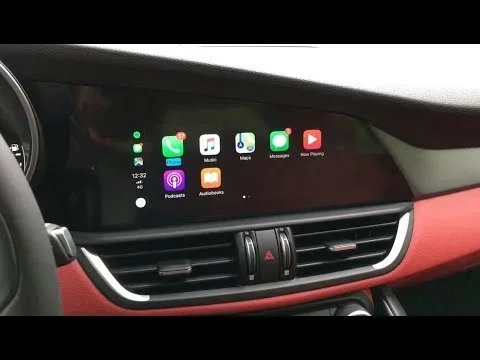
Method 2: Using the Infotainment Screen
Some Hyundai models let you control the rain-sensing wipers through the touchscreen display. Here is how:
- Tap the Settings icon on the home screen
- Navigate to the Vehicle Settings menu
- Look for the Wiper or Driver Assist section
- Toggle the rain-sensing wipers to ON
If you cannot find the option, check your owner’s manual. Not all trim levels include this feature, and it may need to be enabled through the settings menu first.
Method 3: Using the SmartSense System
Higher-end Hyundai trims come with the Hyundai SmartSense suite, which includes advanced driver-assist features. The rain-sensing wipers are often integrated into this system. To activate:
- Press the Driver Assist button on the steering wheel
- Scroll through the available features using the steering wheel controls
- Select the rain-sensing wiper option
- Confirm the activation on the heads-up display
This method gives you access to additional customization options, such as adjusting sensitivity levels and setting wiper delay times.
Which Hyundai Models Support Rain-Sensing Wipers
Not every Hyundai comes with rain-sensing wipers. The feature is typically available on mid-level and higher trims. Here is a look at some popular Hyundai models that offer this convenient system.
Hyundai Sonata
The Hyundai Sonata has offered rain-sensing wipers on several trim levels, especially the Limited and Touring trims. If your Sonata has a smart wiper system, you will find the rain-sensing button near the wiper stalk.
Hyundai Tucson
The Tucson, particularly in the Limited and Ultimate trims, includes automatic rain-sensing wipers as part of its driver-assist package. This feature is especially useful given the Tucson’s popularity as a family SUV that faces all kinds of weather conditions.
Hyundai Elantra
Some Elantra trims offer rain-sensing wipers, though it is more common on higher-end versions. Check your vehicle’s features list or look for the wiper sensor icon on the dashboard.
Hyundai Santa Fe
The Santa Fe, being a larger SUV, often comes with rain-sensing wipers on upper trims. This is a great feature for families who frequently drive in unpredictable weather.
Hyundai Kona
The Kona offers rain-sensing wipers on select trims. If your Kina has the Hyundai SmartSense package, there is a good chance the rain-sensing feature is included.
Hyundai Palisade
The Palisade, Hyundai’s flagship SUV, includes rain-sensing wipers on most trims. This is one of the many convenience features that make the Palisade stand out in the three-row SUV segment.
| Hyundai Model | Trims with Rain-Sensing Wipers | Sensor Location |
|---|---|---|
| Sonata | Limited, Touring | Behind rearview mirror |
| Tucson | Limited, Ultimate | Behind rearview mirror |
| Elantra | SEL, Limited (select years) | Behind rearview mirror |
| Santa Fe | Limited, Ultimate | Behind rearview mirror |
| Kona | EX, Limited (select years) | Behind rearview mirror |
| Palisade | Most trims | Behind rearview mirror |
Common Rain-Sensing Wiper Problems and How to Fix Them
Even the best rain sensor Hyundai systems can sometimes run into issues. Here are the most common problems and what you can do about them.
The Wipers Do Not Activate Automatically
If your wipers are not turning on automatically, the first thing to check is whether the rain-sensing feature is actually enabled. It sounds simple, but many drivers accidentally leave the system in manual mode. Refer to the activation steps above to make sure you have toggled the correct setting.
Next, check the sensor area behind the rearview mirror. Dirt, grime, or a sticker can block the infrared light. A quick wipe with a soft microfiber cloth often solves this problem immediately.
The Wipers Are Too Sensitive or Not Sensitive Enough
Some drivers notice the wipers activate during light mist or not at all during heavy rain. Most Hyundai models allow you to adjust the sensitivity of the rain sensor. Look for a sensitivity setting in the vehicle settings menu or consult your owner’s manual for instructions on how to fine-tune the wiper delay settings Hyundai system.
The Wiper Icon Flashes on the Dashboard
A flashing wiper icon usually signals a problem with the rain-sensing system. This could mean a faulty sensor, a wiring issue, or a problem with the wiper motor. If the icon stays on after you restart the vehicle, it is worth having a mechanic check the system.
The Wipers Leave Streaks or Smears
Rain-sensing wipers still rely on wiper blades and windshield washer fluid to do their job. Streaky wipes often mean worn-out blades or dirty windshields. Replace your wiper blades every six to twelve months and keep your windshield clean for best results.
Common Mistakes to Avoid
- Ignoring the sensor light: If the rain-sensing indicator is off, the system is not active
- Covering the sensor area: Sunglasses, dash mats, or phone mounts can block the sensor
- Using the wrong wiper fluid: Always use Hyundai-recommended washer fluid
- Forgetting to turn off manual mode: Switching back to manual mode accidentally disables the auto system
- Neglecting regular maintenance: Dirty sensors lead to poor performance
Maintenance Tips for Your Hyundai’s Rain-Sensing Wiper System
Keeping your rain-sensing wipers in top shape is easy with a little regular care. Follow these simple steps to ensure the system works reliably every time it rains.
Clean the Sensor Regularly
The rain sensor sits right behind your rearview mirror. Over time, dust, water spots, and road grime can build up on the windshield in that area. Once a week, wipe the sensor area with a clean microfiber cloth. This small habit goes a long way in keeping the Hyundai windshield wiper sensor functioning properly.
Replace Wiper Blades on Schedule
Even with rain-sensing technology, worn wiper blades will not clear your windshield effectively. Most experts recommend replacing wiper blades every six months. Look for OEM Hyundai wiper blades or high-quality aftermarket options that match your model’s specifications.
Keep Washer Fluid Topped Off
Rain-sensing wipers work alongside your washer fluid system. If the fluid reservoir is empty, the wipers cannot clean the windshield properly even if they are operating correctly. Check your washer fluid level monthly, especially during rainy seasons.
Check for Software Updates
Some Hyundai models receive over-the-air or dealer software updates that improve the performance of the rain-sensing wiper system. Ask your Hyundai dealer if any updates are available for your vehicle.
Protect the Sensor from Damage
Avoid placing heavy objects on the dashboard near the rearview mirror. The sensor is delicate and can be damaged by impact. When cleaning your windshield, be gentle around the sensor area to avoid dislodging it.
Quick Tips for Best Results
- Clean the sensor area every time you wash your car
- Use rain-repellent treatments on your windshield for better sensor performance
- Keep your windshield clean inside and out for clearer sensor readings
- Replace wiper blades every six months without fail
- Check washer fluid levels before long road trips
Expert Tips for Getting the Most Out of Your Rain-Sensing Wipers
Here are some insider tips from experienced Hyundai owners and automotive experts to help you get the best performance from your rain-sensing wiper system.
Tip 1: Adjust Sensitivity for Your Climate. If you live in an area with frequent light drizzle, lower the sensitivity so the wipers do not activate unnecessarily. If you experience heavy downpours, increase the sensitivity for faster response.
Tip 2: Use Rain-X or Similar Treatments. Applying a hydrophobic coating to your windshield helps water bead up and roll off more easily. This reduces the workload on your rain-sensing wipers and improves visibility.
Tip 3: Know When to Switch to Manual. In freezing temperatures, rain-sensing wipers can sometimes freeze to the windshield. Switch to manual mode during winter to avoid damaging the wiper motor or blades.
Tip 4: Monitor the Dashboard Indicators. Your Hyundai’s instrument cluster shows the status of the rain-sensing system. Get familiar with the icons so you can quickly identify when something is off.
Tip 5: Visit Your Dealer for Annual Checkups. Have your Hyundai dealer inspect the rain-sensing system during your annual service. They can run diagnostics and catch potential issues before they become costly repairs.
Expert Insight
According to automotive technicians, the most common reason rain-sensing wipers underperform is a dirty sensor. A simple cleaning routine can resolve 80% of all issues reported by Hyundai owners. Do not overlook this easy fix before assuming something is broken.
Conclusion
Knowing how to turn on rain-sensing wipers on a Hyundai is a simple skill that makes every rainy drive safer and more comfortable. Whether you activate the feature through the steering wheel controls, the infotainment screen, or the SmartSense system, the process is quick and intuitive. Once enabled, your Hyundai rain-sensing wipers take over and adjust automatically based on the rainfall intensity.
Remember to keep the sensor clean, replace wiper blades regularly, and stay on top of maintenance. These small habits ensure your auto wiper Hyundai system performs reliably for years to come. If you ever run into issues, refer back to the troubleshooting tips in this guide. With the right knowledge and a little care, your rain-sensing wipers will keep you safe and dry through every storm.
Take a few minutes today to check your Hyundai wiper settings and make sure everything is working correctly. Your future self will thank you the next time a sudden rainstorm rolls in while you are on the road.
Frequently Asked Questions
Can I Install Rain-Sensing Wipers on a Hyundai That Does Not Come With Them?
It is possible to retrofit an aftermarket rain-sensing wiper kit, but it requires professional installation and may not integrate seamlessly with your Hyundai’s systems. The cost and complexity often outweigh the benefits. Check with a certified Hyundai dealer to see if a retrofit is feasible for your specific model.
Why Are My Rain-Sensing Wipers Not Working on My Hyundai?
The most common reasons include a dirty sensor, a disabled setting, or a blown fuse. Start by cleaning the sensor area behind the rearview mirror and confirming the feature is toggled on. If the issue persists, visit a Hyundai service center for a professional diagnosis.
Does the Rain-Sensing Wiper System Drain the Battery?
No, the rain-sensing wiper system draws minimal power and does not significantly impact your Hyundai’s battery. The system only activates when moisture is detected, so it uses energy very efficiently.
Can I Adjust the Sensitivity of the Rain-Sensing Wipers?
Yes, most Hyundai models with rain-sensing wipers allow you to adjust sensitivity. Look for the wiper sensitivity setting in your vehicle settings menu or consult your owner’s manual for model-specific instructions.
Do Rain-Sensing Wipers Work in Freezing Temperatures?
Rain-sensing wipers can freeze to the windshield in very cold conditions. It is best to switch to manual wiper mode during winter months or when temperatures are below freezing to prevent damage to the system.
How Often Should I Replace the Rain Sensor on My Hyundai?
The rain sensor is designed to last the lifetime of the vehicle under normal conditions. However, if you notice consistent malfunction, the sensor may need replacement. A Hyundai dealer can run diagnostics to determine if a new sensor is needed.
=== KEY TAKEAWAYS ===
Key Takeaways
- Easy Activation: You can turn on rain-sensing wipers on a Hyundai using the steering wheel button, infotainment screen, or SmartSense system depending on your model.
- Works Automatically: Once activated, the system detects raindrops and adjusts wiper speed without any manual input from the driver.
- Model Availability: Not all Hyundai trims include rain-sensing wipers. Check your vehicle’s features or consult the owner’s manual.
- Regular Maintenance Matters: Keeping the sensor clean and wiper blades fresh ensures the system works reliably.
- Troubleshooting Is Simple: Most issues with rain-sensing wipers are caused by a dirty sensor or incorrect settings, both easy to fix.
- Adjustable Sensitivity: You can fine-tune how responsive the system is to match your local weather conditions.
- Safety Benefit: Rain-sensing wipers keep your hands on the wheel and eyes on the road, making wet-weather driving significantly safer.