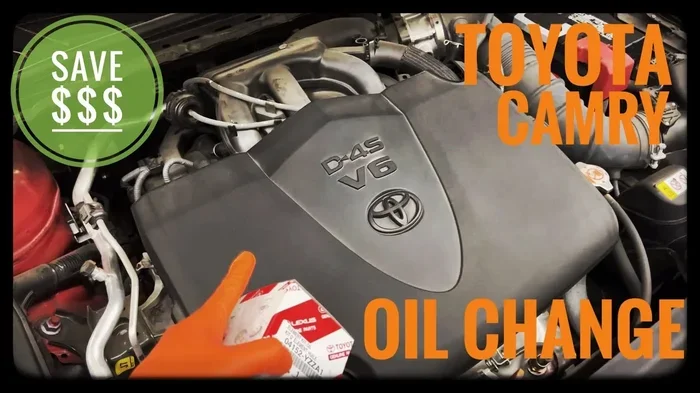
How Long Does Toyota Full Synthetic Oil Actually Last
Toyota full synthetic oil typically lasts between 7,500 and 10,000 miles or 6 to 12 months. However, your actual oil life depends on driving conditions, climate, and your specific Toyota model. Always check your owner’s manual and use the oil life monitoring system for the best results.
Key Takeaways
- Standard Interval: Most Toyota models need a Toyota full synthetic oil change every 7,500 to 10,000 miles under normal conditions.
- Oil Life Monitor: Toyota vehicles use an intelligent system that tracks driving habits and adjusts the oil change reminder accordingly.
- Driving Conditions Matter: Severe driving like towing, idling, and extreme heat can shorten oil life significantly.
- Oil Viscosity: Using the correct oil viscosity like 0W-20 or 5W-30 is essential for engine protection.
- Oil Filter: Always replace the oil filter during every oil change to maintain proper engine health.
- Warranty Protection: Sticking to Toyota’s recommended oil change interval helps preserve your vehicle warranty.
📑 Table of Contents
- What Is Toyota Full Synthetic Oil and Why Does It Matter?
- How Long Does Toyota Full Synthetic Oil Actually Last?
- Factors That Shorten or Extend Synthetic Oil Life
- Understanding Toyota’s Oil Life Monitoring System
- Signs It Is Time to Change Your Toyota Oil
- Tips to Get the Most Out of Your Synthetic Oil
- Common Mistakes Toyota Owners Make With Synthetic Oil
- Conclusion
What Is Toyota Full Synthetic Oil and Why Does It Matter?
Let us start with the basics. Toyota full synthetic oil is a premium engine lubricant made from chemically engineered base oils. Unlike conventional oil, which comes straight from the ground, synthetic oil is built in a lab. This process gives it superior properties that protect your engine in ways regular oil simply cannot match.
So why does this matter for your Toyota? Well, your engine has thousands of moving parts. These parts spin, slide, and grind against each other at high speeds. Without proper lubrication, metal-on-metal contact causes wear, heat, and eventually engine failure. Synthetic oil creates a stronger film between these parts, reducing friction and keeping things running smoothly.
Toyota engineers design their engines to work best with specific oil types. That is why they recommend Toyota full synthetic oil for most newer models. Using the right oil is not just about following the manual. It is about giving your engine the protection it was engineered to receive.
Why Synthetic Oil Beats Conventional Oil
Conventional oil breaks down faster under heat. It also loses its protective qualities over time. Full synthetic oil resists thermal breakdown much better. This means it stays effective for longer periods. Here is a quick comparison:
- Synthetic oil handles high temperatures without breaking down as quickly.
- Conventional oil forms sludge faster, especially in stop-and-go driving.
- Synthetic oil flows better in cold weather, protecting your engine on startup.
- Conventional oil needs changing more often, usually every 3,000 to 5,000 miles.
- Synthetic oil provides better fuel economy due to reduced engine friction.
These differences add up over time. Your Toyota engine stays cleaner, runs smoother, and lasts longer with full synthetic oil. Many Toyota owners report fewer engine problems and better overall performance after switching to synthetic.
How Long Does Toyota Full Synthetic Oil Actually Last?
This is the big question, isn’t it? The short answer is that Toyota full synthetic oil generally lasts between 7,500 and 10,000 miles. Some Toyota models can even go up to 10,000 miles or 12 months, whichever comes first. But that is under normal driving conditions. Real-world results can vary quite a bit.
Toyota’s official recommendation for most newer vehicles is a synthetic oil change interval of about 10,000 miles or once a year. Older Toyota models might still suggest a shorter interval of 5,000 to 7,500 miles. Always check your owner’s manual for the exact number for your specific model.
Here are some general guidelines based on Toyota model types:
- Toyota Camry: Typically 7,500 to 10,000 miles with full synthetic oil.
- Toyota Corolla: Usually 10,000 miles or 12 months for synthetic oil.
- Toyota RAV4: Generally 7,500 to 10,000 miles depending on engine type.
- Toyota Tacoma: Often 5,000 to 7,500 miles for conventional, 7,500 for synthetic.
- Toyota Highlander: Usually follows the 10,000-mile synthetic oil guideline.
Keep in mind that these numbers assume you are using genuine Toyota recommended oil and driving under normal conditions. Your actual results may differ, and that is perfectly normal.
What Does “Normal” Driving Mean?
Toyota defines normal driving as steady highway cruising at moderate speeds. It means no heavy towing, no extreme temperatures, and minimal stop-and-go traffic. If your daily commute involves short trips in cold weather or heavy traffic, that falls into severe driving conditions. In those cases, you should shorten your oil change interval by about 50 percent.
Factors That Shorten or Extend Synthetic Oil Life
Not all driving is created equal. Several factors can either shorten or extend the life of your Toyota full synthetic oil. Understanding these factors helps you make smarter decisions about when to change your oil.
Driving Habits and Patterns
How you drive has a huge impact on oil life. Frequent short trips are tough on oil. When you drive less than 10 miles at a time, the engine never reaches full operating temperature. Moisture and fuel can contaminate the oil, accelerating degradation. If your daily routine involves lots of short trips, consider changing your oil more often.
On the other hand, steady highway driving is much easier on oil. The engine stays at a consistent temperature, and the oil circulates properly. Long road trips can actually help keep your oil cleaner for longer periods.
Climate and Temperature Extremes
Where you live matters too. Extreme heat accelerates oil oxidation. Oil breaks down faster in hot climates, especially during summer months. If you live in a desert region or a tropical area, your oil degradation rate increases significantly.
Cold weather is a different kind of challenge. When temperatures drop, oil thickens and flows more slowly. This means your engine gets less protection during startup, which is when most wear occurs. Using the right oil viscosity like 0W-20 helps the oil flow quickly even in freezing temperatures.
Towing and Heavy Loads
If you use your Toyota for towing a trailer or carrying heavy cargo, your oil works harder. Higher engine loads generate more heat, which breaks down oil faster. Towing regularly means you should shorten your oil change interval. Many experts recommend changing oil every 5,000 to 7,500 miles for towing applications.
Oil Filter Quality and Replacement
The oil filter catches contaminants and keeps them from circulating through your engine. But a clogged filter loses its effectiveness. Always replace the oil filter every time you change your oil. Using a high-quality filter designed for your Toyota model makes a big difference. Cheap filters may not capture small particles effectively, leading to increased engine wear over time.
Understanding Toyota’s Oil Life Monitoring System
Most modern Toyota vehicles come equipped with an oil life monitoring system. This smart system tracks your driving patterns and tells you when it is time for an oil change. It is not just a simple mileage counter. The system actually analyzes several factors to give you a personalized recommendation.
The monitoring system looks at things like engine temperature, driving speed, idle time, and number of start-stop cycles. Based on this data, it calculates the remaining life of your oil. When the system drops to around 15 percent, your dashboard will display a maintenance reminder.
How to Reset the Oil Life System
After you change your oil and install a new filter, you need to reset the system. Here is a general process that works for most Toyota models:
- Turn the ignition to the ON position without starting the engine.
- Press the trip meter reset button until the maintenance light appears.
- Hold the button for about 10 seconds until the light resets.
- Turn the ignition off and then start the engine to confirm the reset.
If you are unsure about the process for your specific model, check your owner’s manual. Each Toyota model may have slight variations in the reset procedure.
Should You Trust the Oil Life Monitor?
Yes, for the most part. Toyota’s oil life monitoring system is designed by engineers who know these engines inside and out. The system is quite accurate under normal driving conditions. However, if you regularly drive in severe conditions, you may want to change your oil sooner than the system recommends. Trust your instincts and your knowledge of your driving environment.
Signs It Is Time to Change Your Toyota Oil
Even with a monitoring system, it helps to know the physical signs that your oil needs changing. Your car will often give you clues if you know what to look for.
Dark or Dirty Oil
Fresh Toyota full synthetic oil is amber in color. As it ages, it darkens due to contaminants and heat exposure. Pull out your dipstick and check the oil color. If it looks very dark brown or black, it is probably time for a change. Keep in mind that synthetic oil darkens faster than conventional oil, so color alone is not always the best indicator.
Low Oil Level
Oil consumption varies between Toyota models. Some engines burn a small amount of oil between changes. If your oil level drops significantly, check for leaks and top it off. Running low on oil can cause serious engine damage. Always keep your oil between the minimum and maximum marks on the dipstick.
Unusual Engine Noises
Clean oil lubricates engine components quietly. When oil degrades, it loses its ability to cushion these parts. You might hear knocking, ticking, or rattling sounds from the engine. These noises often indicate that the oil is no longer providing adequate protection.
Reduced Fuel Economy
Old, degraded oil increases engine friction. More friction means your engine works harder, which burns more fuel. If you notice your fuel economy dropping without any other explanation, your oil might be the culprit. Fresh synthetic oil helps maintain optimal fuel efficiency.
Burnt Oil Smell
A strong burnt smell coming from under the hood is a red flag. This could mean your oil is overheating or breaking down. Pull over safely and check your oil level and condition. If the oil smells burnt, do not continue driving. Get your vehicle inspected immediately.
Tips to Get the Most Out of Your Synthetic Oil
You invested in quality Toyota full synthetic oil. Now let us make sure you get the full value from it. These practical tips will help you maximize oil life and keep your engine in top shape.
Stick to the Recommended Oil Viscosity
Toyota specifies a particular oil viscosity for each model. Common recommendations include 0W-20 and 5W-30. Using the wrong viscosity can reduce engine protection and affect fuel economy. Always check your owner’s manual or the oil cap under the hood for the correct specification.
Change Oil When the Engine Is Warm
Warm oil flows more freely and carries contaminants away from the engine more effectively. Change your oil after a short drive when the engine is up to operating temperature. This ensures that old oil and debris drain out completely.
Use Genuine Toyota Parts or Equivalent Quality
Using genuine Toyota recommended oil and OEM filters gives you peace of mind. Aftermarket products can work well too, but make sure they meet Toyota’s specifications. Look for oils that carry the API SN or SP rating and meet the ILSAC GF-6 standard.
Keep a Maintenance Log
Write down every oil change date, mileage, and oil type used. This log helps you track patterns and stay on top of maintenance. It also comes in handy if you ever need to prove your maintenance history for warranty claims or resale value.
Do Not Skip the Oil Filter
A new oil filter is just as important as fresh oil. The filter traps particles that can damage your engine. A clogged or old filter lets contaminants circulate back through the oil. Always install a new oil filter during every oil change. Use a filter that matches your Toyota model’s specifications.
Address Oil Leaks Promptly
If you notice oil spots under your parked Toyota, do not ignore them. Oil leaks lead to low oil levels, which causes engine wear. Common leak points include the oil pan gasket, valve cover gasket, and oil drain plug. Have any leaks diagnosed and repaired as soon as possible.
Common Mistakes Toyota Owners Make With Synthetic Oil
Even experienced Toyota owners sometimes make mistakes when it comes to oil changes. Avoiding these common errors can save you money and protect your engine.
Thinking Synthetic Oil Needs Changing More Often
Some owners assume synthetic oil breaks down faster and needs more frequent changes. This is not true. In fact, Toyota full synthetic oil lasts longer than conventional oil. Changing it too often wastes money without providing extra benefits.
Mixing Oil Types
Topping off with a different oil type is tempting but not ideal. Mixing synthetic with conventional oil dilutes the synthetic properties. If you must top off between changes, use the same oil viscosity and type that is already in your engine.
Ignoring the Oil Life Monitor
Some owners ignore the dashboard warning until the light becomes a problem. The oil life monitoring system is there for a reason. Pay attention to it. Resetting the light without actually changing the oil defeats the entire purpose.
Overlooking Severe Driving Conditions
If your driving falls into severe categories, you need to adjust your maintenance schedule accordingly. Towing, extreme temperatures, dusty roads, and heavy stop-and-go traffic all shorten oil life. Be honest about your driving conditions and adjust your oil change frequency.
Conclusion
Toyota full synthetic oil offers excellent protection and can last between 7,500 and 10,000 miles under normal conditions. Your actual oil life depends on driving habits, climate, towing, and the condition of your oil filter. Use Toyota’s oil life monitoring system as your primary guide, and watch for physical signs that your oil needs attention.
Sticking to the recommended synthetic oil change interval protects your engine and preserves your Toyota warranty. Quality oil, proper viscosity, and regular filter changes keep your engine running smoothly for years to come. Take care of your oil, and your Toyota will take care of you.
Make oil changes a priority. Set reminders on your phone, keep a maintenance log, and never ignore the warning signs. Your engine is the heart of your Toyota, and fresh Toyota full synthetic oil is the lifeblood that keeps it beating strong.
Frequently Asked Questions
Can Toyota full synthetic oil last longer than 10,000 miles?
Under ideal driving conditions, some Toyota models can push close to 10,000 miles. However, going significantly beyond that interval risks oil degradation and engine wear. Stick to the recommended synthetic oil change interval for best results.
Is it okay to use conventional oil in a Toyota that recommends synthetic?
You can use conventional oil, but your engine will not get the same level of protection. Toyota full synthetic oil provides better thermal stability, reduced friction, and longer life. For optimal engine health, always follow Toyota’s oil recommendations.
What happens if I go too long without changing my synthetic oil?
Old oil loses its lubricating properties and accumulates contaminants. This leads to increased engine friction, heat buildup, and potential sludge formation. Over time, neglected oil changes can cause serious and expensive engine damage.
Does the Toyota oil life monitor account for towing?
The oil life monitoring system does track certain driving factors, but it may not fully account for heavy towing. If you regularly tow, reduce your oil change interval to around 5,000 to 7,500 miles to be safe.
How often should I check my Toyota’s oil level between changes?
Check your oil level at least once a month. This helps you catch leaks early and ensures your engine always has adequate lubrication. Keep the oil between the minimum and maximum marks on the dipstick.
Does cold weather affect how long Toyota full synthetic oil lasts?
Cold weather does not reduce oil life in terms of mileage, but it does affect oil flow and engine protection during startup. Using the correct oil viscosity like 0W-20 ensures proper flow even in freezing temperatures.