How Long Will a Toyota 57 Tundra Engine Really Last
The Toyota 5.7 Tundra engine is one of the most durable V8 powertrains on the road today. With proper care, this 5.7 V8 engine can easily surpass 250,000 to 300,000 miles. Regular Tundra maintenance, smart driving habits, and timely repairs play a huge role in how long your engine runs strong. Owners who follow the Toyota maintenance schedule and use quality parts report the best long-term results. Let us walk you through everything you need to know about Tundra engine lifespan and what you can do to get the most out of your truck.
The Toyota Tundra has been a workhorse on American roads for over two decades. Truck owners love it for its tough build, strong towing ability, and reliable performance. But one question comes up again and again: how long will that big V8 engine actually last? The answer might surprise you. With the right care, a Toyota 5.7 Tundra engine can run strong for hundreds of thousands of miles.
In this guide, we will break down everything you need to know about Tundra engine lifespan. We will look at real-world mileage examples, common problems, and simple steps you can take to get the most miles out of your truck. Whether you just bought a Tundra or have been driving one for years, this article has practical advice that will help you protect your investment.
The 5.7-liter V8 engine, also known as the 2GR-FE, has earned a strong reputation among Toyota fans. It delivers solid power and handles heavy loads with ease. But like any engine, it needs attention. Let us dive into what makes this engine tick and how you can keep it running at its best for decades to come.
Key Takeaways
- Long Engine Life: A well-maintained 5.7 Tundra engine can last 250,000 to 300,000 miles or more.
- Maintenance Matters: Sticking to the Toyota maintenance schedule is the single biggest factor in engine longevity.
- Driving Habits Count: Gentle warm-ups, avoiding heavy towing beyond limits, and smooth acceleration all help your engine last longer.
- Common Issues Exist: Oil consumption, cooling system leaks, and spark plug wear are the most frequent problems to watch for.
- Rebuild or Replace: When major engine failure hits, a rebuild costs less than a full replacement but takes more time and labor.
- Quality Parts Help: Using OEM or high-quality aftermarket parts during repairs extends your Tundra engine durability significantly.
- Climate Plays a Role: Extreme heat or cold puts extra stress on the 5.7 V8 engine and can shorten its lifespan if not managed properly.
📑 Table of Contents
- Understanding the 5.7L V8 Powerplant
- How Long Does a 5.7 Tundra Engine Really Last?
- Key Factors That Affect Engine Lifespan
- Common 5.7 Tundra Engine Problems to Watch For
- Maintenance Tips to Maximize Engine Life
- When to Consider an Engine Rebuild or Replacement
- Maximizing Your Tundra’s Long-Term Value
- Final Thoughts on the Toyota 5.7 Tundra Engine
Understanding the 5.7L V8 Powerplant
What Makes the 5.7L V8 Special
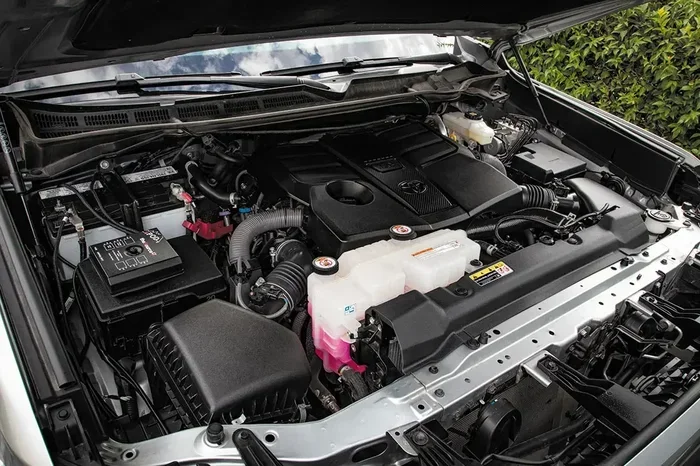
The Toyota 5.7-liter V8 is a naturally aspirated engine that produces around 381 horsepower and 401 pound-feet of torque. It uses a cast-iron block and aluminum heads, which gives it a good balance of strength and weight. The engine features fuel injection technology and a dual independent variable valve timing system. These design choices help the engine run smoothly and efficiently.
Toyota built this engine with durability in mind. The internal components are designed to handle high temperatures and heavy loads. The engine cooling system is robust, with a large radiator and electric fans that keep temperatures in check. Many truck experts consider the 5.7 V8 to be one of the most reliable V8 engines ever made for a full-size pickup.
The Tundra engine durability comes from years of Toyota engineering and real-world testing. The company uses high-quality materials and strict manufacturing standards. This is why the 5.7L engine has such a strong track record of long-term reliability.
How the 5.7L Compares to Other Tundra Engines
Toyota has offered different engines in the Tundra over the years. The earlier models came with a 4.7L V8 and a 4.0L V6. The current 5.7L V8 replaced these and brought a big jump in power and efficiency. Here is a quick look at how the engines compare:
- 4.7L V8 (2000-2006): Around 235 horsepower. A solid engine but not as powerful as the 5.7L.
- 4.0L V6 (2000-2006): Around 245 horsepower. Good for daily driving but lacks towing muscle.
- 5.7L V8 (2007-present): 381 horsepower and 401 lb-ft of torque. The go-to engine for towing and hauling.
The 5.7L V8 stands out as the best option for long-term use. Its larger displacement means less strain during heavy towing. The engine also benefits from Toyota’s Toyota reliability rating, which consistently ranks among the best in the industry. If you want a Tundra that will last, the 5.7L is the way to go.
How Long Does a 5.7 Tundra Engine Really Last?
Average Lifespan Expectations
So, what is the real number for Tundra engine lifespan? Most Toyota 5.7 Tundra engine units can last between 250,000 and 300,000 miles with proper maintenance. Some well-cared-for examples have even pushed past the 400,000-mile mark. That is a lot of miles and years of faithful service.
The average truck driver puts about 12,000 to 15,000 miles on their vehicle each year. At that rate, a 5.7 Tundra engine that lasts 300,000 miles could serve you for 20 years or more. That is a serious return on your investment. The key is that the engine needs consistent care and attention along the way.
Toyota designed the 5.7L V8 for long-haul use. The engine components are built to withstand repeated heating and cooling cycles, heavy loads, and extended highway driving. This is not a fragile engine. It is a tough, work-ready powerplant that can handle the demands of daily truck use.
Real-World Mileage Examples
Real-world data backs up the impressive lifespan numbers. Many Tundra owners report their 5.7 V8 engine running strong well past the 200,000-mile point. Here are some common patterns from owner reports and mechanic feedback:
- 100,000 to 150,000 miles: Most engines show no major issues at this stage. Basic maintenance keeps everything running smoothly.
- 150,000 to 200,000 miles: Some owners report minor oil consumption or slight cooling system wear. These are normal signs of age.
- 200,000 to 300,000 miles: Engines that received regular Tundra maintenance continue to perform well. Major component replacements may be needed.
- 300,000+ miles: These are the exceptional cases. Engines that were treated with top-notch care and never skipped services reach this milestone.
The Toyota truck longevity story is well documented. Tundra owners forums are full of stories of trucks that have traveled across the country multiple times without a major engine failure. This kind of reliability is rare and speaks to the quality of the 5.7L design.
Key Factors That Affect Engine Lifespan
Driving Habits and Usage
How you drive your Tundra has a big impact on engine life. Aggressive driving, such as rapid acceleration and hard braking, puts extra stress on engine components. Over time, this adds up and can shorten the Tundra engine durability. Smooth, steady driving is much easier on the engine.
Towing heavy loads also plays a role. The 5.7L V8 is rated for towing up to 10,200 pounds when properly equipped. However, constantly towing at maximum capacity generates more heat and wear. If you tow frequently, make sure your engine cooling system is in top shape. Letting the engine warm up properly before pulling a heavy load is also important.
Short trips around town can be harder on an engine than long highway drives. Short trips do not let the engine reach full operating temperature, which can cause moisture and fuel to build up in the oil. If your daily driving involves mostly short trips, consider taking longer drives periodically to help the engine fully warm up and burn off any buildup.
Maintenance History
This is the single most important factor. A 5.7 Tundra engine that follows the Toyota maintenance schedule will outlast one that does not by a wide margin. Regular oil changes are the foundation of engine health. Toyota recommends changing the oil every 5,000 to 7,500 miles for normal driving conditions, or more often under severe conditions.
Beyond oil changes, here are the key maintenance items that directly affect engine life:
- Engine oil and filter changes: Fresh oil keeps internal parts lubricated and clean. Use the grade recommended by Toyota.
- Coolant flushes: The engine cooling system needs fresh coolant to prevent overheating and corrosion.
- Spark plug replacements: Worn spark plugs can cause misfires and reduce engine efficiency.
- Air filter changes: A clean air filter ensures proper airflow to the engine, which supports combustion efficiency.
- Transmission fluid changes: The transmission and engine work together. Neglecting transmission fluid can lead to extra strain on the engine.
Keeping a detailed maintenance log is a smart habit. It helps you track what has been done and when the next service is due. This also adds value if you ever decide to sell the truck, since buyers look for documented Tundra maintenance schedule records.
Climate and Operating Conditions
Where you live and drive matters more than you might think. Extreme heat causes engine fluids to break down faster and increases the risk of overheating. Extreme cold makes the engine work harder to reach operating temperature and can cause condensation issues inside the engine block.
If you live in a hot climate, pay extra attention to your coolant levels and watch for signs of overheating. In cold climates, let the engine idle for a minute or two before driving hard, especially in winter. Using a block heater in extremely cold conditions can also help protect the engine during cold starts.
Driving on dusty or unpaved roads introduces more particles into the engine through the air intake. This can accelerate wear on internal components. If you frequently drive in dusty conditions, check and replace your air filter more often than the standard schedule suggests.
Common 5.7 Tundra Engine Problems to Watch For
Oil Consumption Issues
Some 5.7L V8 Tundra engines use a bit more oil than expected. This is not a universal problem, but it does show up in some models, especially those with higher mileage. If you notice your oil level dropping between changes, it is worth getting checked out.
Toyota addressed this issue in some model years with updated piston rings and valve seals. If your truck is affected, using a high-quality synthetic oil can help manage consumption. Keep an eye on your oil level between changes and top it off as needed. Ignoring low oil levels is one of the fastest ways to cause serious engine damage.
Cooling System Failures
The engine cooling system on the 5.7 Tundra is generally reliable, but it is not immune to problems. Thermostat failures, water pump leaks, and radiator hose cracks can all lead to overheating if not caught early. Overheating is one of the most damaging things that can happen to any engine.
Watch for warning signs like a rising temperature gauge, steam from the hood, or coolant puddles under the truck. Regular coolant flushes and inspections of hoses and connections can prevent most cooling system issues. Catching a small leak early is much cheaper than dealing with a blown head gasket.
Spark Plug and Fuel Injector Concerns
The 5.7L V8 uses spark plugs and fuel injectors that wear over time. Worn spark plugs can cause rough idling, poor fuel economy, and reduced power. Fuel injectors can become clogged, leading to uneven fuel delivery and engine misfires.
Toyota recommends replacing spark plugs at specific intervals, usually around 90,000 to 100,000 miles. Using OEM or high-quality aftermarket Tundra spark plugs ensures proper fit and performance. For fuel injectors, using quality fuel and adding a fuel system cleaner periodically can help keep everything flowing smoothly.
Maintenance Tips to Maximize Engine Life
Oil Change Schedule and Best Practices
Oil changes are the backbone of engine care. For the 5.7 Tundra engine, stick to a regular oil change interval. If you drive under severe conditions, such as frequent towing, stop-and-go traffic, or extreme temperatures, shorten the interval to every 5,000 miles.
Use the oil weight and type recommended by Toyota. Most 5.7L Tundras perform best with full synthetic 5W-30 oil. Always change the oil filter at the same time. A clogged filter can restrict oil flow and starve the engine of lubrication.
Quick Tip: Set a reminder on your phone or calendar for your next oil change. Do not rely on memory alone. Consistent oil changes are the easiest way to protect your 5.7 V8 engine from premature wear.
Cooling System and Fluid Checks
Your engine relies on coolant to stay at the right temperature. Check the coolant level regularly and look for any signs of leaks. The coolant should be flushed and replaced according to the Toyota maintenance schedule, typically every 60,000 to 100,000 miles depending on driving conditions.
In addition to coolant, check other fluids regularly. Transmission fluid, brake fluid, and power steering fluid all play roles in how smoothly your truck operates. Low or dirty fluids can cause extra strain on the engine and other components.
Spark Plug and Filter Replacements
Do not skip spark plug replacements. Fresh spark plugs ensure complete combustion, which means better power and fuel economy. The 5.7L V8 uses 16 spark plugs, so replacement can take a bit of time, but it is worth the effort.
Replace your air filter and cabin filter on schedule. A dirty air filter restricts airflow and forces the engine to work harder. This reduces efficiency and can lead to carbon buildup over time. Keeping filters clean is a simple step that pays off in long-term engine health.
Common Mistake: Many owners skip air filter changes because they do not see an obvious problem. But a clogged filter silently reduces engine performance and efficiency. Check it regularly and replace when needed.
When to Consider an Engine Rebuild or Replacement
Signs Your Engine Needs Major Work
Even the most durable engines eventually need major attention. Here are signs that your 5.7 Tundra engine may need a rebuild or replacement:
- Knocking or tapping sounds: These can indicate worn bearings or internal component damage.
- Blue or white exhaust smoke: This often signals oil burning or coolant leaks into the combustion chamber.
- Significant loss of power: A noticeable drop in performance may point to internal engine wear.
- Coolant mixing with oil: This is a serious sign, often pointing to a blown head gasket or cracked engine block.
- Excessive oil consumption: If you are adding quarts of oil between changes, internal wear may be the cause.
If you notice any of these signs, get your truck to a qualified mechanic as soon as possible. Ignoring engine problems almost always makes them worse and more expensive to fix.
Rebuild vs. Replacement Cost Comparison
When major engine failure occurs, you have two main options: a rebuild or a replacement. Here is a quick comparison to help you understand the differences:
| Factor | Engine Rebuild | Engine Replacement |
|---|---|---|
| Average Cost | $4,000 to $7,000 | $6,000 to $12,000 |
| Time Required | 2 to 4 weeks | 1 to 2 weeks (with a used engine) |
| Quality of Parts | New or refurbished OEM parts | Used or remanufactured engine |
| Warranty | Varies by shop (usually 1-2 years) | Often comes with a 1-year warranty |
| Best For | Truck with low body mileage but worn engine | Truck needing a quick, turnkey solution |
| Risk Level | Lower (parts are inspected and replaced) | Higher (unknown history of used engines) |
A rebuild cost is generally lower, but it takes more time. A replacement engine gets you back on the road faster but comes with the risk of unknown engine history. Choose a reputable shop and ask about warranties before committing to either option.
Expert Insight: Many Toyota specialists recommend a rebuild over a used engine replacement when possible. A quality rebuild uses new or refurbished OEM parts and gives you a fresh start with a known engine. Always ask the shop about their warranty and the specific parts they use during the rebuild process.
Maximizing Your Tundra’s Long-Term Value
Keeping your 5.7 Tundra engine in great shape also protects the value of your truck. Toyota trucks hold their value exceptionally well, and a documented maintenance history makes a big difference when it is time to sell or trade in. Buyers look for proof that the engine has been cared for properly.
Beyond engine care, keep the truck clean and address small issues before they become big problems. A well-maintained Tundra with a healthy engine can command a strong resale price and attract serious buyers. Think of maintenance not as an expense but as an investment in your truck’s future value.
The Toyota powertrain warranty covers the engine for a set period, but it does not last forever. Once the warranty expires, the responsibility for engine care falls on you. Staying on top of services and addressing issues promptly is the best way to protect both your engine and your wallet over the long haul.
Final Thoughts on the Toyota 5.7 Tundra Engine
The Toyota 5.7 Tundra engine is a proven, durable powerplant that can deliver outstanding mileage when properly cared for. The combination of strong engineering, quality materials, and Toyota’s reputation for reliability makes this engine a standout choice for truck buyers. Most owners can expect 250,000 to 300,000 miles, and some go well beyond that with consistent maintenance and smart driving habits.
Your role in this equation is simple but important. Follow the Toyota maintenance schedule, use quality fluids and parts, and pay attention to warning signs. Do not ignore small issues, because they tend to grow into big, expensive problems over time. Treat your engine well, and it will reward you with years of dependable service.
The 5.7 V8 engine is built to work hard. Whether you use your Tundra for daily commuting, weekend adventures, or heavy towing, this engine is up to the task. With the tips and insights from this guide, you now have the knowledge to keep your engine running strong for the long haul. Take action today, and your Tundra will thank you for miles to come.
Frequently Asked Questions
What is the average lifespan of a Toyota 5.7 Tundra engine?
Most 5.7 Tundra engine units last between 250,000 and 300,000 miles with proper maintenance. Some well-cared-for engines exceed 400,000 miles. Regular oil changes and following the Toyota maintenance schedule are the biggest factors in reaching these high mileage numbers.
What are the most common problems with the 5.7 Tundra engine?
The most reported issues include oil consumption, cooling system leaks, and spark plug wear. These problems are manageable with regular inspections and timely repairs. Catching them early prevents more serious and costly damage to the Tundra engine durability.
How often should I change the oil in my 5.7 Tundra?
Toyota recommends an oil change every 5,000 to 7,500 miles for normal driving. If you tow frequently or drive in severe conditions, shorten the interval to every 5,000 miles. Always use the oil grade and type recommended by Toyota for best 5.7 V8 engine performance.
Is it worth rebuilding a 5.7 Tundra engine instead of replacing it?
Yes, a rebuild is generally more cost-effective and uses inspected OEM parts. The average engine rebuild cost ranges from $4,000 to $7,000, while a full replacement can cost $6,000 to $12,000. A rebuild also gives you a known engine history, which a used replacement may not offer.
Does towing affect the Tundra engine lifespan?
Heavy towing puts extra stress on the engine, especially if you regularly tow near maximum capacity. However, the 5.7L V8 is designed for towing up to 10,200 pounds. Keeping your engine cooling system in top shape and allowing proper warm-up before towing helps protect engine life.
What maintenance steps can I take to make my Tundra engine last longer?
Follow the Toyota maintenance schedule strictly, change oil regularly, replace spark plugs on time, and monitor coolant levels. Use quality synthetic oil and OEM or high-grade aftermarket parts. Address small issues immediately before they become major problems that threaten your Tundra engine lifespan.
=== CONCLUSION ===
The Toyota 5.7 Tundra engine is a powerhouse built to last. With a potential lifespan of 250,000 to 300,000 miles, this engine offers incredible value for truck owners who invest in regular maintenance and smart driving habits. The 5.7 V8 engine has earned its reputation as one of the most reliable powertrains in the full-size pickup segment, and the numbers back that up.
Remember, your truck’s engine life depends largely on the care you provide. Stick to the Toyota maintenance schedule, watch for warning signs, and use quality parts. Whether you are a daily commuter or a weekend hauler, these simple steps go a long way toward maximizing your Tundra engine durability.
Take what you have learned from this guide and put it into action today. Your Toyota 5.7 Tundra engine is ready to serve you for many more miles. Give it the care it deserves, and it will keep rolling strong for years to come.