How Many Cars Does Honda Make a Year Full Breakdown
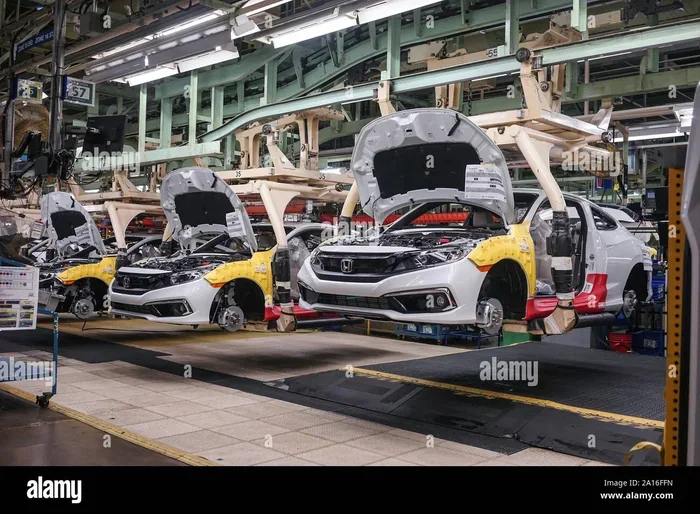
Honda produces millions of vehicles every year across its global network of factories. Understanding how many cars Honda makes a year helps buyers, investors, and fans appreciate the scale of this automaker. This full breakdown covers production numbers, factory locations, annual trends, and what drives Honda’s output each year.
Have you ever wondered how many cars Honda makes a year? It is a question that sparks curiosity among car fans, buyers, and anyone curious about the auto industry. Honda stands as one of the world’s largest automakers. Every year, its factories churn out millions of vehicles. These cars roll off assembly lines and reach dealerships around the globe.
The answer to how many cars Honda makes a year is not just a single number. It changes based on demand, factory capacity, and global events. In this full breakdown, we will walk through everything you need to know. We will look at production numbers, factory locations, annual trends, and much more. By the end, you will have a clear picture of Honda’s manufacturing scale.
Key Takeaways
- Massive Annual Output: Honda manufactures several million vehicles per year across the globe.
- Global Factory Network: Production happens in dozens of plants spread across Asia, North America, and Europe.
- Steady Growth Over Decades: Honda’s annual production has grown significantly since the 1960s.
- Diverse Vehicle Lineup: Cars, SUVs, trucks, and hybrids all contribute to total output.
- Supply Chain Matters: Parts sourcing and logistics directly affect how many units Honda can build.
- Electric Shift: Honda is gradually increasing production of hybrid and electric vehicles.
📑 Table of Contents
- Understanding Honda’s Annual Production Numbers
- Where Honda Makes Its Cars
- What Types of Vehicles Does Honda Produce?
- Factors That Influence Honda’s Annual Output
- Honda’s Production History and Growth
- How Honda’s Production Compares to Other Automakers
- Quick Tips to Understand Honda Production Data
- Common Mistakes People Make When Reading Honda Production Stats
- Expert Insights on Honda’s Manufacturing Strategy
- Key Takeaways
- Conclusion
Understanding Honda’s Annual Production Numbers
When we talk about how many cars Honda makes a year, we need to look at the big picture. Honda Motor Co., Ltd. is a Japanese multinational corporation. It produces automobiles, motorcycles, and power equipment. But car production is its biggest segment by volume.
In recent years, Honda has produced somewhere between 4 million and 5 million vehicles annually. This number includes passenger cars, SUVs, crossovers, and light trucks. The exact figure shifts each year based on market conditions. For example, the global chip shortage in 2021 and 2022 caused production drops. Honda had to slow down output at several plants during that period.
Recent Annual Production Figures
Let us look at some recent numbers to understand the trend better. Honda’s total motor vehicle production for fiscal year 2022 was around 4.3 million units. In fiscal year 2023, the company aimed to recover and grow its output. These numbers include both Honda-branded cars and vehicles made for partner brands through joint ventures.
Here is a quick look at Honda’s approximate annual production over the last few years:
- FY 2019: Around 4.8 million units (pre-pandemic levels)
- FY 2020: Around 3.9 million units (pandemic impact)
- FY 2021: Around 4.1 million units (recovery phase)
- FY 2022: Around 4.3 million units (steady rebound)
- FY 2023: Estimated 4.5 million units (targeted growth)
These figures show a clear pattern. Honda’s production bounces back quickly after disruptions. The company has strong resilience in its manufacturing operations.
Where Honda Makes Its Cars
Honda does not rely on just one factory. The company operates a vast network of manufacturing plants. These plants are spread across multiple continents. Understanding where Honda makes its cars helps explain how it reaches such high annual numbers.
Manufacturing Plants in Japan
Japan remains Honda’s home base. The country houses some of the most advanced Honda factories in the world. Plants in Sayama, Yorii, and Suzuka are major production hubs. These facilities build popular models like the Civic, Accord, and CR-V. Japanese plants are known for their efficiency and quality control.
North American Production Facilities
Honda has a strong presence in North America. The company operates several plants in the United States and Canada. The Marysville Auto Plant in Ohio is one of the largest Honda factories outside Japan. It produces the Accord and other popular models. Honda also runs plants in Indiana, Alabama, and Georgia. These U.S. factories help Honda avoid import tariffs and serve American customers faster.
Global Manufacturing Footprint
Beyond Japan and North America, Honda has plants in many other countries. China is a huge market for Honda vehicles. The company has joint ventures with local automakers in China. These partnerships boost Honda’s production capacity in the region. Honda also operates factories in Thailand, India, Brazil, and Mexico. Each plant contributes to the company’s global annual output.
The worldwide spread of Honda’s factories is a key reason how many cars Honda makes a year stays so high. Diversified production reduces risk and increases flexibility.
What Types of Vehicles Does Honda Produce?
Honda does not just make one kind of car. The company has a diverse lineup that spans many segments. Each vehicle type contributes to the total annual production count.
Passenger Cars
Sedans and hatchbacks form the backbone of Honda’s passenger car lineup. The Civic and Accord are two of Honda’s best-selling models worldwide. These cars are known for reliability, fuel efficiency, and affordability. They sell well in markets like North America, Europe, and Asia.
SUVs and Crossovers
SUVs have become a major part of Honda’s product mix. The CR-V, HR-V, and Passport are popular choices for families. SUV production has grown steadily over the past decade. In many markets, SUVs now account for a large share of Honda’s annual output.
Hybrid and Electric Vehicles
Honda is investing more in hybrid technology. Models like the CR-V Hybrid and Accord Hybrid are gaining popularity. The company is also working on fully electric vehicles. The Honda Prologue and Honda e are examples of its EV efforts. While electric vehicles currently make up a small share of total production, that share is expected to grow.
Trucks and Commercial Vehicles
Honda also produces light trucks and commercial vehicles. The Ridgeline pickup truck is built at Honda’s factory in Lincoln, Alabama. Commercial vans and fleet vehicles add to Honda’s annual production totals as well.
Factors That Influence Honda’s Annual Output
So how many cars Honda makes a year is not set in stone. Several factors push production numbers up or down each year. Let us explore the biggest influences.
Global Demand and Market Trends
Consumer demand is the biggest driver of production. When car buyers are confident, Honda ramps up output. When demand drops, factories slow down. Economic conditions, fuel prices, and consumer preferences all play a role. For instance, the shift toward SUVs changed how Honda allocates its production lines.
Supply Chain and Parts Availability
Honda depends on thousands of suppliers worldwide. A shortage of even one key part can halt production. The global semiconductor shortage in recent years showed this clearly. Honda had to reduce production at several plants because chips were scarce. Building strong supplier relationships helps Honda minimize these disruptions.
Factory Capacity and Efficiency
Each Honda factory has a maximum production capacity. Upgrading equipment and improving processes can increase output. Honda uses its famous ” Honda Production System” to boost efficiency. This system focuses on reducing waste and improving quality. More efficient factories can produce more cars without adding new plants.
Regulatory and Environmental Factors
Government regulations affect how Honda operates. Emission standards, safety requirements, and trade policies all matter. Stricter regulations in some regions can limit production choices. At the same time, incentives for electric vehicles are pushing Honda to shift its production mix.
Honda’s Production History and Growth
Honda’s journey as a carmaker is fascinating. The company started producing cars in the 1960s. Back then, annual output was just a few thousand units. Today, Honda produces millions of vehicles every year. Let us take a quick look at how Honda’s production has grown over the decades.
In the 1970s, Honda’s annual car production was around 100,000 units. The company was still small compared to giants like Toyota. By the 1990s, that number had grown to over 2 million units per year. The 2000s brought another surge, with Honda breaking the 4 million mark. Today, Honda is consistently one of the top automakers by production volume worldwide.
This growth did not happen by accident. Honda invested heavily in factory modernization. The company expanded into new markets. It developed new models to meet changing customer needs. Each decade brought new challenges and new opportunities for growth.
How Honda’s Production Compares to Other Automakers
To truly understand how many cars Honda makes a year, it helps to compare it with other major automakers. Honda’s annual output places it among the top producers globally.
- Toyota: Toyota produces more vehicles than Honda, often exceeding 10 million units per year.
- Volkswagen Group: VW Group has a larger combined output across its many brands.
- Hyundai-Kia: Hyundai and Kia together produce a similar volume to Honda.
- Stellantis: Stellantis produces a wide range of vehicles across its many brands.
Honda may not be the largest automaker, but it is certainly one of the biggest. Its focus on quality and reliability has helped it maintain a strong market position for decades.
Quick Tips to Understand Honda Production Data
- Check Honda’s annual reports: These documents contain official production and sales figures.
- Look at fiscal year vs. calendar year: Honda’s fiscal year starts in April, which can shift the numbers slightly.
- Consider joint ventures: Some Honda vehicles are produced through partnerships, which can inflate total output numbers.
- Track quarterly reports: These give a more up-to-date picture of current production trends.
- Compare with sales data: Production numbers do not always match sales. Inventory levels can create gaps between the two.
Common Mistakes People Make When Reading Honda Production Stats
There are a few pitfalls to watch out for when researching Honda’s production numbers. First, people often confuse production with sales. Honda can produce 4.5 million cars but sell fewer if demand is weak. Second, some sources mix up Honda’s total motor vehicle output with just car production. Honda also makes motorcycles and power equipment, which adds to its total unit count. Third, people forget about joint ventures. Many Honda cars sold in China are produced through local partnerships, and those numbers can be tricky to track.
Always check the source of the data. Official Honda investor reports are the most reliable. Third-party auto industry analysts can also provide useful estimates, but they may differ from Honda’s own figures.
Expert Insights on Honda’s Manufacturing Strategy
Industry experts point to several reasons why Honda’s production strategy stands out. The company focuses on “just-in-time” manufacturing. This means parts arrive at the factory exactly when they are needed. It reduces waste and keeps inventory costs low. Honda also invests heavily in employee training. Skilled workers can operate complex assembly lines efficiently and catch problems early.
Another key insight is Honda’s approach to flexibility. Unlike some automakers that dedicate plants to one model, Honda often shares lines across multiple vehicles. This allows quick adjustments when demand shifts. During the recent shift toward SUVs, Honda was able to redirect production capacity without building entirely new plants.
Experts also highlight Honda’s commitment to sustainability in manufacturing. The company has set goals to reduce carbon emissions across its production network. Many Honda plants now use renewable energy sources. This focus on green manufacturing may shape how many cars Honda makes a year in the future, as the company balances volume with environmental responsibility.
Key Takeaways
- Honda produces several million vehicles annually: Recent years have seen output between 4 and 5 million units per year.
- Production spans the globe: Factories in Japan, North America, China, Thailand, India, and other countries all contribute.
- Vehicle diversity drives volume: Passenger cars, SUVs, hybrids, trucks, and commercial vehicles all add to Honda’s total output.
- Supply chain disruptions matter: Events like the chip shortage can significantly impact how many cars Honda makes a year.
- Honda is growing its EV production: Hybrid and electric vehicles are expected to take a larger share of annual output in coming years.
- Comparing with competitors shows Honda’s scale: While not the largest, Honda ranks among the top global automakers by production volume.
Conclusion
Understanding how many cars Honda makes a year gives us a window into one of the world’s most successful automakers. Honda’s annual production runs into the millions. Its global network of factories, diverse vehicle lineup, and efficient manufacturing processes all contribute to this impressive output. From the Civic rolling off the line in Ohio to the CR-V built in Japan, every vehicle reflects Honda’s commitment to quality and innovation.
The numbers have changed over the decades, but one thing stays the same. Honda continues to adapt and grow. Whether it is recovering from a pandemic disruption or shifting toward electric vehicles, Honda’s production strategy remains strong. As a car buyer or industry observer, keeping an eye on these numbers helps you understand the bigger picture of the global auto market.
Next time someone asks you how many cars Honda makes a year, you will have the full story to share. Honda’s manufacturing journey is a testament to smart planning, global reach, and relentless improvement. That is something worth celebrating.
Frequently Asked Questions
How many cars does Honda make a year on average?
Honda produces an average of about 4 to 5 million vehicles per year. This number fluctuates based on market demand, supply chain conditions, and factory output. Recent years have seen production hover around 4.3 million units annually.
Where does Honda produce most of its cars?
Honda produces cars in many countries. Japan, the United States, China, Thailand, and India are major production hubs. The Marysville Auto Plant in Ohio and Honda’s Japanese factories are among the largest. Together, these plants handle the bulk of Honda’s annual output.
Has Honda’s annual production ever dropped significantly?
Yes, the COVID-19 pandemic caused a notable dip in production. Honda’s output fell to around 3.9 million units in fiscal year 2020. The global semiconductor shortage in 2021 and 2022 also reduced production. However, Honda recovered quickly each time.
Does Honda produce electric vehicles in large numbers?
Not yet. Electric vehicles currently make up a small share of Honda’s total production. The company is focusing more on hybrids like the CR-V Hybrid and Accord Hybrid. Honda plans to significantly increase its EV production in the coming years.
How does Honda’s production compare to Toyota’s?
Toyota produces significantly more vehicles than Honda. Toyota often exceeds 10 million units per year. Honda’s annual output of 4 to 5 million units is still very impressive. Both companies are known for reliability and quality, but Toyota has a larger overall production scale.
What is Honda’s fiscal year for production reporting?
Honda’s fiscal year starts in April and ends in March. This means production numbers for a given fiscal year may not align with the January-to-December calendar year. Always check whether a source is using fiscal year or calendar year data when comparing Honda’s output.