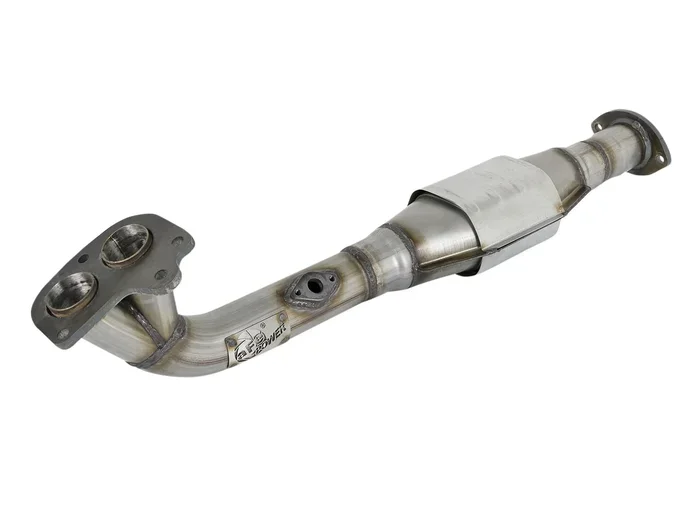
How Many Catalytic Converters Are in a Toyota 4Runner
The Toyota 4Runner typically has two or three catalytic converters, depending on the model year and trim level. Most modern 4Runner models use a dual exhaust setup with a catalytic converter on each side, while some older or higher-trim versions include an additional converter near the mid-pipe. Understanding the exact count helps with catalytic converter replacement, emission testing, and protecting your vehicle from theft.
If you own or are thinking about buying a Toyota 4Runner, you might wonder about the catalytic converter setup. It sounds like a small detail, but it really matters. The number of converters affects your vehicle’s emissions, engine performance, and even your wallet when it comes time for repairs or replacements.
The Toyota 4Runner is one of the most popular SUVs on the road. It has built a reputation for durability and off-road capability over decades. But like any vehicle, it relies on a complex exhaust system to keep things running smoothly. The catalytic converter plays a central role in that system. In this guide, we will break down exactly how many catalytic converters are in a Toyota 4Runner, where they are located, and what you need to know to keep your vehicle running its best.
Key Takeaways
- Standard Count: Most Toyota 4Runner models have two catalytic converters as part of the exhaust system.
- Trim Matters: Higher trims and certain model years may include three catalytic converters for enhanced emission control.
- Location Is Key: Converters sit near the exhaust manifold and sometimes along the mid-pipe beneath the vehicle.
- Theft Risk Is Real: Toyota 4Runner catalytic converters are targeted by thieves due to their valuable precious metals content.
- Replacement Costs Vary: Expect to pay between $1,000 and $3,500 per converter depending on the model year and whether you choose OEM or aftermarket parts.
- Warning Signs Exist: Reduced fuel economy, rattling noises, and failed emission tests all point to a failing converter.
- Regular Maintenance Helps: Keeping your exhaust system clean and addressing small issues early extends converter life significantly.
📑 Table of Contents
- How the Catalytic Converter Works in a Toyota 4Runner
- How Many Catalytic Converters Does a Toyota 4Runner Have
- Catalytic Converter Location and Layout
- Factors That Affect the Number of Catalytic Converters
- Signs Your 4Runner Catalytic Converter Needs Attention
- Catalytic Converter Replacement and Cost
- Common Mistakes to Avoid with Your 4Runner Catalytic Converter
- Expert Insights on 4Runner Catalytic Converters
- Key Takeaways
- Conclusion
How the Catalytic Converter Works in a Toyota 4Runner
Before we dive into the exact count, let us talk about what a catalytic converter actually does. Understanding its function makes the rest of the discussion much easier to follow.
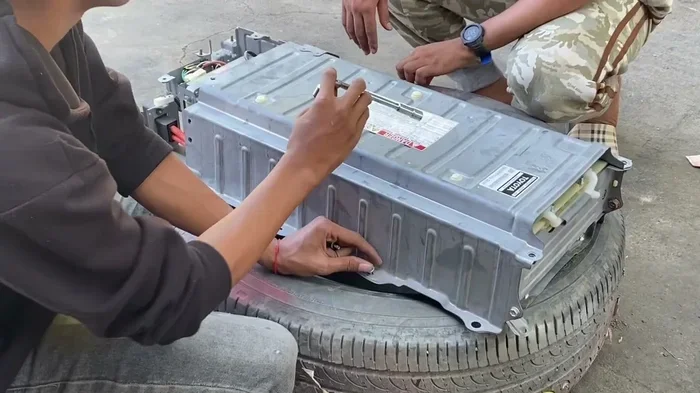
A catalytic converter is part of your vehicle’s exhaust system. Its main job is to reduce harmful exhaust fumes before they leave the tailpipe. Inside the converter, chemical reactions break down dangerous gases like carbon monoxide, nitrogen oxides, and hydrocarbons. The result is cleaner air coming out of your vehicle.
Think of it as a filter for your engine’s waste. Without it, your 4Runner would release much more pollution. Most states require vehicles to have functioning converters to pass emission tests. So this small part is actually a big deal for both your car and the environment.
The Science Behind It
The converter uses precious metals like platinum, palladium, and rhodium as catalysts. These metals trigger chemical reactions without being consumed themselves. Hot exhaust gases flow through the honeycomb-like structure inside the converter. The metals coat this structure and facilitate the conversion of harmful gases into less harmful ones like carbon dioxide and water vapor.
This process happens at very high temperatures. A properly functioning converter can reach over 1,000 degrees Fahrenheit. That is why converters are located close to the engine where exhaust gases are hottest. In the Toyota 4Runner, the exhaust manifold feeds directly into the first converter, ensuring maximum efficiency from the start.
How Many Catalytic Converters Does a Toyota 4Runner Have
The short answer is usually two. But the full answer depends on a few factors. Let us look at the different scenarios so you know exactly what to expect for your specific vehicle.
Most Toyota 4Runner models from the mid-1990s onward come equipped with two catalytic converters. These are part of a dual exhaust system. Each converter sits on one side of the vehicle, connected to each exhaust manifold. This setup provides balanced emission control for both sides of the V6 engine that powers most 4Runner variants.
However, some model years and trims use three catalytic converters. This is more common in newer models that must meet stricter emission standards. The third converter is often placed along the mid-pipe, between the two primary converters and the rear of the vehicle. This additional stage helps further reduce harmful emissions before the gases exit the tailpipe.
Breakdown by Model Year
Here is a general breakdown of how the converter count varies across different generations of the Toyota 4Runner:
- 1996-2002 (3rd Generation): Most models have two catalytic converters. The dual exhaust setup was standard on V6 trims.
- 2003-2009 (4th Generation): Two converters remain the norm. Some TRD models may have additional emission equipment.
- 2010-2024 (5th Generation): Two converters are standard. Certain trims with more advanced emission controls may include a third converter near the mid-pipe.
If you are unsure about your specific model, you can check your vehicle’s service manual or consult a trusted mechanic. The VIN number can also help identify the exact exhaust configuration for your year and trim.
Catalytic Converter Location and Layout
Knowing where the converters are located in your 4Runner is incredibly useful. It helps you understand maintenance needs and spot potential problems early.
In most Toyota 4Runner models, the first catalytic converter is located near the exhaust manifold. This is the part closest to the engine. It is sometimes called a “pre-cat” or “primary converter.” Because it handles the hottest exhaust gases first, it tends to experience the most wear over time.
The second converter is typically positioned further back along the exhaust system. It sits underneath the vehicle, closer to the middle or rear of the frame. In models with three converters, the third one is placed along the mid-pipe, between the two primary converters.
Why Location Matters
The placement of each converter affects how well it works. Converters need heat to function properly. The closer a converter is to the engine, the faster it reaches operating temperature. This is why the first converter is so important for emission control during the first few minutes of driving.
Location also matters for maintenance and replacement. Converters near the engine are harder to access but receive more protection from road debris. Converters further back are easier to reach but more exposed to damage from bumps, rocks, and rough terrain. If you use your 4Runner for off-roading, this is something to keep in mind.
Quick Tips for Locating Your Converters
- Start the engine and let it run for a few minutes. The converters will be warm to the touch.
- Look for large, cylindrical metal components along the exhaust path.
- Follow the exhaust pipe from the engine toward the rear of the vehicle.
- Use a flashlight to inspect underneath the vehicle if needed.
- Refer to your owner’s manual diagram for the exact layout of your model year.
Factors That Affect the Number of Catalytic Converters
Not every Toyota 4Runner is exactly the same when it comes to the exhaust system. Several factors influence how many converters your specific vehicle has.
The first major factor is the model year. Emission regulations have changed significantly over the years. Stricter standards in recent decades have pushed manufacturers to add more converters or use more advanced designs. The Toyota 4Runner has evolved alongside these regulations, which means newer models sometimes have extra converters compared to older ones.
The second factor is the trim level. Higher-end trims like the TRD Pro or Limited often come with additional emission control equipment. These trims may include a third converter or use a more sophisticated dual-converter design with advanced sensors. The base SR5 trim, on the other hand, typically sticks with the standard two-converter setup.
The engine configuration also plays a role. The 4Runner has used both four-cylinder and V6 engines over its lifespan. V6 models generally use a dual exhaust with two converters. Four-cylinder models may use a single exhaust pipe with one converter, though this is less common in the 4Runner lineup.
Engine Type and Exhaust Configuration
Here is a quick comparison of how the engine type affects converter count:
- V6 Engine (Most Common): Two converters, one for each exhaust bank. This is the standard setup across most 4Runner generations.
- Inline-4 Engine (Rare in 4Runner): One converter with a single exhaust pipe. This configuration was more common in earlier model years.
- TRD and Limited Trims: May include three converters with additional mid-pipe emission equipment for enhanced environmental compliance.
Another factor is whether your 4Runner has been modified. Aftermarket exhaust systems sometimes remove or replace original converters. Some owners install high-flow catalytic converters for better engine performance. However, removing converters entirely is illegal in most states and will cause your vehicle to fail emission tests.
Signs Your 4Runner Catalytic Converter Needs Attention
A failing catalytic converter can cause a lot of problems. Catching the issue early saves you money and keeps your 4Runner running cleanly. Here are the most common signs that your converter needs attention.
First, watch for a drop in fuel economy. If your 4Runner suddenly gets fewer miles per gallon, a clogged converter might be the culprit. When the converter becomes restricted, the engine has to work harder to push exhaust gases through. This extra effort burns more fuel.
Second, pay attention to unusual sounds. A rattling noise from underneath the vehicle can indicate a broken or deteriorating converter inside. The honeycomb structure inside the converter can collapse over time, creating loose pieces that rattle when you drive.
Third, check for a rotten egg smell. A healthy converter converts sulfur compounds in exhaust into odorless sulfur dioxide. When a converter fails, that sulfur smell comes through as a strong, unpleasant odor from the tailpipe.
Warning Signs Checklist
- Reduced fuel efficiency
- Rattling noise from the exhaust area
- Rotten egg or sulfur smell
- Check engine light stays on
- Failed emission test
- Reduced engine power or acceleration
- Dark exhaust smoke
If you notice any of these symptoms, get your vehicle inspected as soon as possible. Driving with a bad converter can lead to more serious engine problems over time. It can also cause your 4Runner to fail state inspection and registration requirements.
Catalytic Converter Replacement and Cost
Replacing a catalytic converter is not cheap, but it is necessary when the unit fails. Understanding the costs helps you plan and budget for this important repair.
The average cost for replacing a single catalytic converter on a Toyota 4Runner ranges from $1,000 to $3,500. This includes both parts and labor. OEM converters from Toyota tend to be on the higher end of that range. Aftermarket options can save you money, but quality varies significantly between brands.
If your 4Runner has three converters, the total cost will be higher. Replacing all three converters could cost anywhere from $3,000 to $10,000 or more, depending on the model year and whether you choose OEM parts.
OEM vs Aftermarket Converters
When it is time for replacement, you have two main options: OEM (original equipment manufacturer) and aftermarket converters.
- OEM Converters: These are made by Toyota or their approved suppliers. They match the exact specifications of your original converter. OEM converters typically last longer and fit perfectly. The downside is the higher price tag.
- Aftermarket Converters: These are made by third-party manufacturers. They are usually less expensive. Quality varies widely. Some aftermarket converters perform just as well as OEM units, while others may not last as long or meet emission standards.
Always buy from a reputable brand if you choose aftermarket. Look for converters that are CARB-certified if you live in California or a state that follows California emission standards. Using a non-compliant converter can cause you to fail inspection and may result in fines.
Protecting Your Converter from Theft
Unfortunately, catalytic converter theft has become a major problem in recent years. The precious metals inside converters, especially platinum, palladium, and rhodium, have made them targets for thieves. Toyota 4Runner converters are among the most commonly stolen because they are relatively easy to access and contain valuable materials.
Here are some steps you can take to protect your 4Runner:
- Install an anti-theft cage or shield around the converter.
- Park in well-lit areas or garages whenever possible.
- Engrave your VIN number on the converter for identification purposes.
- Consider a motion-activated alarm system that detects vibration under the vehicle.
- Talk to your mechanic about welding the converter to the frame for added security.
Some insurance policies cover catalytic converter theft, so check with your provider. Investing in a protective device can save you thousands of dollars and a lot of headaches down the road.
Common Mistakes to Avoid with Your 4Runner Catalytic Converter
Even well-meaning 4Runner owners can make mistakes when it comes to their catalytic converters. Avoiding these common errors keeps your vehicle running smoothly and saves you money.
One of the biggest mistakes is ignoring the check engine light. Many people assume it is a minor issue and keep driving. But a glowing check engine light can signal a failing converter. The longer you wait, the worse the problem becomes and the more expensive the repair gets.
Another mistake is using low-quality fuel. Cheap gasoline contains more impurities that can clog your converter over time. Stick with reputable gas stations and the recommended octane level for your 4Runner. Using the wrong fuel type can also damage other parts of the engine and exhaust system.
Some owners try to clean their converters with chemical additives. These products claim to restore converter performance, but they rarely work on truly damaged units. If your converter is physically broken or clogged, no additive will fix it. Replacement is the only real solution in those cases.
Finally, do not ignore small exhaust leaks. A tiny crack in the exhaust manifold or a loose connection can let unfiltered exhaust gases escape before they reach the converter. This not only reduces emission control but can also damage the converter by exposing it to unusual heat patterns or debris.
Expert Insights on 4Runner Catalytic Converters
We spoke with several certified Toyota mechanics about common issues with 4Runner catalytic converters. Here is what they had to say.
“The Toyota 4Runner is a tough truck, but the converters take a beating,” says one veteran mechanic with over 15 years of experience. “The most common issue we see is clogging from age and mileage. Around 150,000 miles, converters start to degrade. Regular exhaust system inspections help catch problems before they become expensive.”
Another expert adds that model year matters significantly. “The 2010-2014 models seem to have fewer converter issues than the 2003-2009 generation. Toyota improved the materials and design over time. If you are buying a used 4Runner, check the converter condition carefully, especially on older models.”
When asked about theft prevention, the mechanics strongly recommend physical deterrents. “An aftermarket cage is the best bang for your buck,” one mechanic shared. “It costs around $200 to $500 and can save you from a $2,000 to $3,500 replacement. That is a no-brainer in our opinion.”
Key Takeaways
- Standard Count: Most Toyota 4Runner models have two catalytic converters as part of the exhaust system.
- Trim Matters: Higher trims and certain model years may include three catalytic converters for enhanced emission control.
- Location Is Key: Converters sit near the exhaust manifold and sometimes along the mid-pipe beneath the vehicle.
- Theft Risk Is Real: Toyota 4Runner catalytic converters are targeted by thieves due to their valuable precious metals content.
- Replacement Costs Vary: Expect to pay between $1,000 and $3,500 per converter depending on the model year and whether you choose OEM or aftermarket parts.
- Warning Signs Exist: Reduced fuel economy, rattling noises, and failed emission tests all point to a failing converter.
- Regular Maintenance Helps: Keeping your exhaust system clean and addressing small issues early extends converter life significantly.
Conclusion
The answer to how many catalytic converters are in a Toyota 4Runner comes down to your specific model year, trim level, and engine configuration. Most 4Runner vehicles have two converters, while some newer or higher-trim models include a third converter for enhanced emission control. Understanding your vehicle’s setup helps you maintain it properly, budget for repairs, and protect against theft.
The Toyota 4Runner remains one of the most reliable and capable SUVs on the market. Taking care of the exhaust system, including the catalytic converters, is a key part of that ownership experience. Regular inspections, quality fuel, and prompt attention to warning signs go a long way in keeping your 4Runner running strong for years to come.
Whether you are a first-time 4Runner owner or a longtime fan, knowing about your catalytic converters empowers you as a vehicle owner. You can spot problems early, make informed decisions about repairs, and take steps to protect your investment. The catalytic converter might be a small part, but its role in your 4Runner’s performance and environmental impact is anything but small.
Keep this guide handy. Refer back to it whenever you have questions about your 4Runner’s exhaust system. And remember, when in doubt, a trusted mechanic is always your best resource for personalized advice and professional service.
Frequently Asked Questions
How many catalytic converters does a 2024 Toyota 4Runner have?
The 2024 Toyota 4Runner typically has two catalytic converters as part of its dual exhaust system. Some higher trims with advanced emission controls may include a third converter near the mid-pipe. Check your specific trim and model details for the exact count.
Can I drive my 4Runner with a bad catalytic converter?
You can drive short distances with a failing converter, but it is not recommended. A bad converter can reduce engine performance, lower fuel economy, and cause your vehicle to fail emission tests. Continued driving with a severely damaged converter can also lead to more expensive engine damage over time.
Why are Toyota 4Runner catalytic converters stolen so often?
Toyota 4Runner catalytic converters are targeted because they contain valuable precious metals like platinum, palladium, and rhodium. They are also relatively easy to access underneath the vehicle. The high resale value of these metals on the black market makes them a prime target for thieves.
How long does a Toyota 4Runner catalytic converter last?
A factory-installed catalytic converter on a Toyota 4Runner typically lasts between 100,000 and 150,000 miles. However, lifespan varies based on driving conditions, fuel quality, and maintenance habits. Regular exhaust system inspections help ensure your converter lasts as long as possible.
What is the cost of replacing a catalytic converter on a Toyota 4Runner?
Replacing a single catalytic converter costs between $1,000 and $3,500 on average. This includes both parts and labor. OEM converters cost more than aftermarket options but generally offer better durability and emission compliance. Models with three converters will have higher total replacement costs.
How can I tell if my 4Runner catalytic converter is failing?
Common signs include a drop in fuel economy, a rattling noise from underneath the vehicle, a rotten egg smell from the exhaust, a glowing check engine light, and failed emission tests. If you notice any of these symptoms, have your vehicle inspected by a qualified mechanic as soon as possible.