How Many Miles Do 2014 4Runners Last and Why It Matters
The 2014 4Runner is built to go the distance. With proper care, this Toyota SUV can easily surpass 250,000 miles and reach 300,000 miles or more. Its body-on-frame design, proven V6 engine, and legendary Toyota reliability make it one of the most durable SUVs on the road. In this guide, we explain exactly how many miles 2014 4Runners last and what you can do to push that number even higher.
The Toyota 4Runner has earned a reputation as one of the toughest SUVs ever built. When the 2014 model rolled out, it carried forward decades of proven engineering. Buyers love it for its rugged looks, off-road capability, and sheer durability. But one question keeps coming up: how many miles do 2014 4Runners last?
The answer is more encouraging than most people expect. A well-maintained 2014 4Runner can comfortably hit the 250,000-mile mark. Some owners push past 300,000 miles without major engine or transmission work. That kind of longevity is rare in the SUV world. It is what makes the 2014 4Runner a standout choice for anyone who wants a vehicle that keeps going year after year.
So why does this matter? Whether you are buying a used 2014 4Runner or already own one, understanding its lifespan helps you make smarter decisions. You will know what to expect, what to watch for, and how to get the most out of your investment. This guide breaks it all down in plain, simple terms.
Key Takeaways
- 2014 4Runners regularly last 250,000 to 300,000 miles with routine maintenance and careful driving.
- The 4.0-liter V6 engine is a proven powerhouse known for longevity and reliability.
- Body-on-frame construction gives the 4Runner exceptional durability compared to unibody SUVs.
- Regular oil changes, fluid flushes, and timing belt replacements are the single biggest factors in extending lifespan.
- Common issues like rust, transmission wear, and suspension parts can shorten mileage if ignored.
- A high-mileage 2014 4Runner still holds strong resale value, making it a smart long-term investment.
- Owner reviews consistently praise the 4Runner for outlasting 200,000 miles with minimal major repairs.
📑 Table of Contents
The 2014 4Runner at a Glance
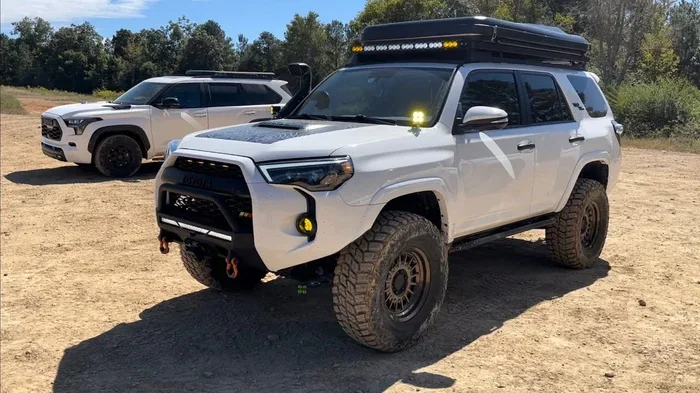
The 2014 Toyota 4Runner sits in the mid-size SUV segment. It is a body-on-frame vehicle, which means the body is mounted to a separate steel frame. This design is older in concept, but it gives the 4Runner incredible strength and toughness. Most modern SUVs use unibody construction, which is lighter but less durable over time.
Under the hood, the 2014 4Runner uses a 4.0-liter V6 engine. This engine produces about 270 horsepower and 278 pound-feet of torque. It pairs with a five-speed automatic transmission. The drivetrain is available in rear-wheel drive or four-wheel drive. The 4Runner comes in several trims, including the base SR5, the Trail Edition, and the TRD Pro. Each trim adds different features, but the core mechanical setup stays the same across the lineup.
Here are some quick specs for the 2014 4Runner:
- Engine: 4.0-liter V6
- Horsepower: 270 hp
- Transmission: 5-speed automatic
- Drivetrain: RWD or 4WD
- Fuel Economy: 16 city / 19 highway mpg
- Seating: 5 passengers
- Towing Capacity: 5,000 pounds
The 2014 model year brought a few updates. Toyota refreshed the front grille and added some new safety features. But the core platform remained unchanged from previous years. This is actually good news for buyers. It means parts are widely available, repairs are straightforward, and the design has been tested over many years.
How Many Miles Can a 2014 4Runner Last?
The lifespan of a 2014 4Runner depends on several factors. But the general consensus among owners and experts is clear. A properly maintained 2014 4Runner can last between 250,000 and 300,000 miles. Some exceptional examples have gone well beyond 350,000 miles.
Let us break this down by category:
- Average lifespan: 250,000 to 300,000 miles
- Well-maintained examples: 300,000 to 350,000 miles
- Neglected or hard-used examples: 150,000 to 200,000 miles
- Record-setting examples: 400,000+ miles
What separates a 4Runner that hits 300,000 miles from one that dies at 150,000? Maintenance habits, driving conditions, and a bit of luck all play a role. The 4Runner’s engine and transmission are designed with longevity in mind. The 4.0-liter V6 is a non-interference engine, which means if the timing belt fails, it usually does not bend the valves. This is a huge advantage for long-term reliability.
What Do 4Runner Owner Reviews Say?
Owner reviews consistently highlight the 4Runner’s staying power. Many owners report crossing the 200,000-mile mark without any major engine or transmission work. Common feedback includes mentions of the solid build quality, the simplicity of the design, and the ease of finding replacement parts.
Some owners note that the 2014 model is slightly improved over earlier years. Toyota addressed a few minor issues from previous generations. The result is a vehicle that feels even more ready for the long haul. If you read 4Runner forums or owner reviews online, you will see a clear pattern: people keep their 4Runners for a very long time.
What Makes the 2014 4Runner So Durable?
Several key factors contribute to the impressive lifespan of the 2014 4Runner. Understanding these can help you appreciate why this SUV is built to last.
Body-on-Frame Construction
The body-on-frame design is the backbone of the 4Runner’s durability. Unlike unibody SUVs that rely on the outer skin for structural strength, the 4Runner has a dedicated steel frame. This frame absorbs stress and handles heavy loads far better over time. It also means the vehicle is less prone to structural fatigue.
For owners who use their 4Runner for off-roading, towing, or hauling, this design is a huge advantage. The frame can handle punishment that would warp or crack a unibody vehicle. Over hundreds of thousands of miles, this structural integrity pays off.
The Proven 4.0-Liter V6 Engine
Toyota’s 1GR-FE 4.0-liter V6 engine has been in production since 2002. It is one of the most reliable engines Toyota has ever made. The design is simple and robust. It uses cast-iron blocks and aluminum heads, which balance strength with weight.
This engine does not rely on complex turbochargers or direct injection systems that can fail over time. It is a naturally aspirated V6 that favors simplicity and longevity. Many mechanics consider it one of the most bulletproof engines in the Toyota lineup. With regular oil changes and basic maintenance, this engine can easily go 300,000 miles or more.
Toyota Reliability Ratings
Toyota consistently ranks at or near the top of reliability surveys. Organizations like Consumer Reports and J.D. Power give Toyota high marks for long-term dependability. The 4Runner specifically benefits from Toyota’s reputation for building vehicles that do not need constant repairs.
The 2014 4Runner carries forward this tradition. It has few of the electronic gremlins that plague some modern vehicles. The systems are straightforward and proven. When something does go wrong, the fix is usually simple and affordable. This simplicity is a big reason why 2014 4Runners last so long.
Common Issues That Affect 4Runner Mileage
Even the most durable vehicles face problems over time. The 2014 4Runner is no exception. Knowing these issues ahead of time can help you prevent them from shortening your vehicle’s lifespan.
Rust and Corrosion
Rust is one of the biggest enemies of any body-on-frame SUV. The 2014 4Runner is not immune. Owners in cold climates or coastal areas need to watch for rust on the wheel wells, rocker panels, and undercarriage.
Regular washing, especially during winter months, can help prevent rust from taking hold. Applying a rust inhibitor or undercoating is also a smart move. Catching rust early makes the repair much simpler and cheaper. Ignoring it can lead to serious structural damage that shortens the vehicle’s life.
Transmission Wear
The five-speed automatic transmission in the 2014 4Runner is generally reliable. However, it is not invincible. Transmission fluid breaks down over time. If you do not change it regularly, the transmission can wear out prematurely.
Most experts recommend changing the transmission fluid every 60,000 miles. For vehicles that tow heavily or drive in stop-and-go traffic, more frequent changes are wise. A well-maintained transmission can easily last 250,000 miles or more. A neglected one might fail at 150,000 miles.
Suspension Components
The 4Runner’s suspension takes a beating, especially if you use it off-road. Ball joints, tie rod ends, and control arm bushings wear out over time. Replacing these parts is normal maintenance. But if you ignore worn suspension components, it can affect handling and safety.
Common signs of suspension wear include clunking noises over bumps, uneven tire wear, and pulling to one side. Addressing these issues promptly keeps the 4Runner running smoothly for many more miles.
Timing Belt and Water Pump
The 4.0-liter V6 uses a timing belt rather than a timing chain. The belt needs replacement at around 90,000 to 105,000 miles. While this is a scheduled maintenance item, skipping it can lead to catastrophic engine damage.
It is smart to replace the water pump at the same time. The water pump is driven by the timing belt, so doing both jobs together saves labor costs. This is one of the most important maintenance tasks for any 2014 4Runner owner.
Maintenance Tips to Maximize Your 4Runner’s Lifespan
The single biggest factor in how long your 2014 4Runner lasts is how well you maintain it. Follow these tips, and your 4Runner will reward you with years of reliable service.
Stick to the Maintenance Schedule
Toyota provides a detailed maintenance schedule in the owner’s manual. Follow it closely. This includes oil changes, tire rotations, brake inspections, and fluid flushes. Every item on that schedule exists for a reason. Skipping maintenance is the fastest way to shorten your 4Runner’s lifespan.
Use genuine Toyota parts or high-quality aftermarket alternatives. Cheap parts may save money upfront but can cause problems down the road. Invest in quality and your 4Runner will thank you.
Change the Oil Regularly
Oil is the lifeblood of your engine. For the 2014 4Runner, change the oil every 5,000 to 7,500 miles. If you drive in severe conditions, such as extreme heat, dusty roads, or heavy towing, shorten the interval to 5,000 miles.
Use the oil weight recommended in the owner’s manual. Most 2014 4Runners do well with 5W-30 or 10W-30 synthetic blend oil. Clean oil keeps the engine internals lubricated and reduces wear significantly.
Monitor Fluids Beyond Just Oil
Oil is important, but it is not the only fluid that matters. Check and replace the following fluids on schedule:
- Transmission fluid: every 60,000 miles
- Coolant: every 100,000 miles or as needed
- Brake fluid: every 2 years
- Power steering fluid: every 50,000 miles
- Differential fluid: every 30,000 miles
Fresh fluids keep all the moving parts in your 4Runner working smoothly. Old, contaminated fluids cause friction, heat, and premature wear.
Address Small Problems Immediately
A small noise or a minor leak might seem harmless. But small problems almost always become big problems if you ignore them. A tiny coolant leak can lead to engine overheating. A worn brake pad can damage the rotor. Fixing small issues early saves money and keeps your 4Runner on the road longer.
Drive with Care
How you drive affects how long your 4Runner lasts. Avoid aggressive acceleration and hard braking when possible. Give the engine time to warm up in cold weather. If you tow, stay within the rated capacity. Gentle driving reduces stress on the engine, transmission, and suspension components.
Is a High-Mileage 2014 4Runner Worth Buying?
This is a question many buyers ask. The short answer is yes, with some caveats. A high-mileage 2014 4Runner can be an excellent purchase if the vehicle has been well maintained.
Here is what to look for when buying a used 2014 4Runner with high mileage:
- Complete maintenance records: Ask the seller for service history. A 4Runner with records is far more trustworthy than one without.
- Clean title: Make sure the vehicle has a clean, clear title with no accident history.
- No rust: Inspect the undercarriage, wheel wells, and rocker panels carefully.
- Smooth transmission: Test drive the vehicle and listen for any slipping or harsh shifting.
- Engine condition: Listen for unusual noises and check for any fluid leaks.
The 2014 4Runner holds its resale value remarkably well. Even with 200,000 miles on the odometer, a well-cared-for 4Runner can still command a strong price. This is a testament to the vehicle’s reputation for durability and reliability.
One of the best things about the 4Runner is parts availability. Because the model has been around for so long, replacement parts are easy to find and reasonably priced. This keeps long-term ownership costs lower than many competitors.
Quick Tips for Buying a High-Mileage 4Runner
- Get a pre-purchase inspection from an independent mechanic.
- Check the odometer for signs of tampering.
- Look for consistent tire wear, which indicates good maintenance.
- Ask about any major repairs or replacements the seller has done.
- Compare the price with similar listings to ensure a fair deal.
Key Takeaways
- 2014 4Runners regularly last 250,000 to 300,000 miles with routine maintenance and careful driving.
- The 4.0-liter V6 engine is a proven powerhouse known for longevity and reliability.
- Body-on-frame construction gives the 4Runner exceptional durability compared to unibody SUVs.
- Regular oil changes, fluid flushes, and timing belt replacements are the single biggest factors in extending lifespan.
- Common issues like rust, transmission wear, and suspension parts can shorten mileage if ignored.
- A high-mileage 2014 4Runner still holds strong resale value, making it a smart long-term investment.
- Owner reviews consistently praise the 4Runner for outlasting 200,000 miles with minimal major repairs.
Conclusion
The 2014 Toyota 4Runner is a vehicle built to last. With a lifespan that routinely reaches 250,000 to 300,000 miles, it stands as one of the most durable SUVs on the market today. The combination of a proven 4.0-liter V6 engine, body-on-frame construction, and Toyota’s legendary reliability gives the 2014 4Runner a real advantage over many competitors.
But the 4Runner does not last forever on its own. Regular maintenance is the key. Oil changes, fluid replacements, and timely repairs all play a role in extending your vehicle’s life. If you take care of your 2014 4Runner, it will take care of you for hundreds of thousands of miles.
Whether you are buying a used 2014 4Runner or already own one, the message is the same. This is a vehicle that rewards patience and proper care. Drive it gently, maintain it faithfully, and you will enjoy a loyal companion on the road for years to come. The 2014 4Runner is not just an SUV. It is a long-term investment in reliability and adventure.
So the next time someone asks how many miles 2014 4Runners last, you will have the answer. And you will know exactly what it takes to push that number even higher.
FAQ
How many miles can a 2014 4Runner last with proper maintenance?
A well-maintained 2014 4Runner can last between 250,000 and 300,000 miles. Some owners have reported pushing past 350,000 miles. The key is staying on top of regular maintenance, including oil changes, fluid flushes, and timing belt replacements.
What is the average lifespan of a 2014 Toyota 4Runner?
The average lifespan of a 2014 4Runner is around 250,000 miles. With diligent care and gentle driving, many owners exceed 300,000 miles. Neglected vehicles or those driven in harsh conditions may fall closer to 150,000 to 200,000 miles.
What engine does the 2014 4Runner use and how reliable is it?
The 2014 4Runner uses a 4.0-liter V6 engine known as the 1GR-FE. This engine is widely regarded as one of Toyota’s most reliable powerplants. It produces 270 horsepower and is designed for long-term durability with minimal major issues.
Is a high-mileage 2014 4Runner worth buying?
Yes, a high-mileage 2014 4Runner can be a great buy if it has been well maintained. Look for complete service records, a clean title, and no signs of rust or major mechanical issues. A pre-purchase inspection by an independent mechanic is always a smart move.
What are the most common problems with the 2014 4Runner?
The most common issues include rust in certain climates, transmission fluid degradation over time, suspension wear from off-road use, and timing belt replacement at around 90,000 to 105,000 miles. Most of these are manageable with regular maintenance.
How often should I change the oil in my 2014 4Runner?
Change the oil every 5,000 to 7,500 miles for normal driving. If you drive in severe conditions such as extreme heat, dust, or heavy towing, reduce the interval to every 5,000 miles. Using quality synthetic or synthetic blend oil helps protect the engine over the long term.