How Much Does It Cost to Lease a Full-Size Truck Now
How much does it cost to lease a full-size truck? The answer depends on the model, term, and your driving habits. On average, you can expect monthly payments between $500 and $900 for popular full-size pickups. This guide breaks down every cost factor so you can make a smart leasing decision.
Have you been thinking about leasing a full-size truck but wondering what the price tag looks like? You are not alone. Thousands of people search for truck lease cost information every single month. The good news is that leasing a full-size pickup has become more affordable than ever before. Manufacturers are offering competitive deals to attract new customers. Whether you need a truck for work or want one for weekend adventures, understanding the costs helps you make a smart choice.
So, how much does it cost to lease a full-size truck? The short answer is that monthly payments generally fall between $500 and $900. But the full picture is more detailed. Your actual cost depends on several factors, including the truck model, lease term, mileage allowance, and even the time of year you sign the deal. This article walks you through every piece of the puzzle. By the end, you will know exactly what to expect and how to get the best possible deal.
Key Takeaways
- Average Monthly Cost: Full-size truck leases typically run $500 to $900 per month, depending on the model and terms.
- Down Payments Vary: Some deals require $0 down, while others ask for $1,000 to $3,500 upfront.
- Lease Term Options: Most truck leases run 24 to 36 months, with 36 months offering lower monthly payments.
- Mileage Limits Matter: Standard limits range from 10,000 to 15,000 miles per year. Going over means extra charges.
- Lease vs Buy: Leasing costs less upfront but offers no ownership. Buying builds equity over time.
- Savings Tips Exist: Negotiating the capitalized cost and timing your lease around promotions can cut your payment significantly.
📑 Table of Contents
- What Is the Average Cost to Lease a Full-Size Truck
- Factors That Affect Truck Lease Pricing
- Popular Full-Size Trucks and Their Lease Costs
- Lease vs Buy: Which Makes More Sense for a Truck
- Tips to Lower Your Truck Lease Payment
- What Happens at the End of Your Truck Lease
- Expert Insights on Truck Leasing
- Common Mistakes to Avoid When Leasing a Truck
- Final Thoughts on Leasing a Full-Size Truck
What Is the Average Cost to Lease a Full-Size Truck
Let us start with the numbers. The average truck lease cost varies widely based on the vehicle you choose. A base model Ford F-150 will cost less to lease than a high-performance Ram 1500 Rebel. Here is a general breakdown of what you might pay.
Entry-Level Full-Size Truck Lease Costs
Base models like the Ford F-150 XL or Chevrolet Silverado WT typically offer the lowest monthly payments. You can often find deals starting around $450 to $550 per month. These trucks come with standard features and a straightforward drivetrain. They are perfect for people who need a reliable work truck without all the extras. The lease term for these models is usually 36 months with a 10,000-mile annual allowance.
Mid-Range Full-Size Truck Lease Costs
Moving up to a mid-range model like the F-150 XLT or Silverado LT increases the monthly cost slightly. Expect payments in the $600 to $750 range. These trims add comfort features, better infotainment systems, and upgraded interiors. Many people find this sweet spot offers the best value. You get more features without paying the premium price of a top-tier model.
Premium and High-Performance Truck Lease Costs
Now let us talk about the big dogs. Leasing a Ram 1500 Rebel, Ford F-150 Raptor, or Chevrolet Silverado High Country will push your monthly payment higher. These can range from $800 to $1,100 per month. The premium comes from powerful engines, luxury interiors, and advanced technology packages. If you need the capability and the comfort, these models deliver. Just be prepared for a higher truck leasing monthly payment.
Factors That Affect Truck Lease Pricing
Not all truck lease deals are created equal. Several factors influence how much you will pay each month. Understanding these can help you negotiate a better rate. Here are the key elements that shape your truck lease cost.
Vehicle Manufacturer Suggested Retail Price
The MSRP of the truck is the starting point for any lease calculation. A higher sticker price means a higher lease payment. However, manufacturers often offer full-size truck lease specials that reduce the effective price. These promotions can significantly lower your monthly cost. Always check for current incentives before signing any lease agreement.
Lease Term Length
Most full-size truck lease terms run 24 to 36 months. Shorter terms mean higher monthly payments but less total commitment. Longer terms spread the cost out, resulting in lower monthly amounts. A 36-month lease is the most popular choice for truck leasing. It aligns well with factory warranty coverage, which typically lasts three years or 36,000 miles.
Mileage Allowance
Your truck lease mileage limits play a big role in pricing. Standard leases allow 10,000 to 15,000 miles per year. If you drive more than that, you will pay extra at lease-end. Higher mileage allowances come with slightly higher monthly payments. If you use your truck for work or long commutes, consider opting for the 15,000-mile plan. It can save you from costly overage fees later.
Down Payment and Capitalized Cost
The capitalized cost is the negotiated price of the truck for lease purposes. A lower capitalized cost means lower monthly payments. Some deals require a truck lease down payment, while others offer $0 down options. Putting money down reduces the amount you finance, which lowers your payment. But be careful. A large down payment ties up your cash and increases your risk if the truck gets damaged early in the lease.
Lease APR and Money Factor
The interest rate on a lease is called the money factor or lease APR. Lower rates mean lower payments. Your credit score heavily influences the rate you receive. People with excellent credit often qualify for the best truck lease offers. If your score needs improvement, consider waiting or looking for manufacturer-sponsored low-rate promotions. These deals can save you hundreds of dollars over the lease term.
Popular Full-Size Trucks and Their Lease Costs
Not all full-size trucks lease at the same rate. Some models hold their value better than others, which affects the lease payment. Here is a closer look at popular full-size trucks and what they typically cost to lease.
Ford F-150
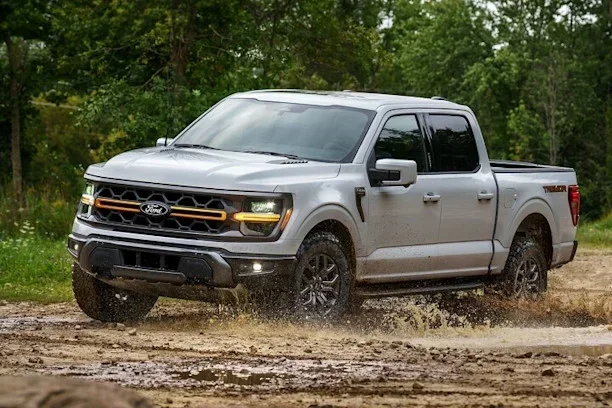
The F-150 is the best-selling truck in America, and for good reason. Leasing an F-150 is straightforward because so many deals are available. Base models often lease for around $450 to $550 per month. Higher trims with the 3.5-liter EcoBoost V6 engine push the payment closer to $700 or $800. Ford frequently runs full-size truck lease specials, especially at the end of the model year. These promotions can shave $100 or more off your monthly payment.
Chevrolet Silverado
The Silverado competes closely with the F-150 in the lease market. You can often find Silverado WT and LT models leasing for $500 to $700 per month. Chevrolet sometimes offers subsidized lease rates through their financing arm. These deals are particularly common on work trucks and standard cab configurations. The Silverado also holds its value well, which keeps lease-end costs predictable.
Ram 1500
Ram has made a name for itself with comfort and interior quality. Leasing a Ram 1500 typically costs between $550 and $850 per month. The Rebel and Laramie trims sit in the higher range. Ram also offers attractive lease-end options, including pull-ahead programs. These allow you to lease a new Ram before your current lease ends. It is a great way to stay in a new truck without a gap in coverage.
GMC Sierra
The Sierra shares its platform with the Silverado but targets a slightly more premium audience. Lease costs for the Sierra are similar to the Silverado, ranging from $500 to $750 per month. The Denali trim commands a higher payment due to its upscale features. GMC often bundles lease deals with bonus cash incentives, which can reduce your upfront costs.
Lease vs Buy: Which Makes More Sense for a Truck
One of the biggest decisions you will face is whether to lease or buy a truck. Both options have clear advantages and drawbacks. Let us compare them side by side.
Cost Comparison
When you lease a truck, your upfront costs are usually lower. You might pay $0 down or a small security deposit. Monthly payments are also lower because you are only paying for depreciation. Buying a truck requires a larger down payment and higher monthly payments. Over a three-year period, leasing often costs less in total monthly payments. But buying builds equity, which has real value.
Ownership and Flexibility
Leasing means you do not own the truck at the end of the term. You simply return it and walk away. This works well if you like driving a new truck every few years. Buying means the truck is yours after the loan is paid off. You can sell it, trade it in, or keep driving it forever. For many truck owners, the idea of ownership is very appealing.
Maintenance and Wear
Most full-size truck leases align with the factory warranty period. This means basic maintenance and repairs are covered at no extra cost. Buying a truck means you absorb repair costs after the warranty expires. If you keep a truck for many years, maintenance costs can add up quickly. Leasing helps you avoid those surprises.
Customization and Usage
When you own a truck, you can modify it however you want. Add a lift kit, install aftermarket wheels, or mount a winch. Leasing comes with restrictions. You cannot make permanent modifications. You also must stay within your truck lease mileage limits. If you are a heavy user, buying might be the better fit.
| Factor | Leasing | Buying |
|---|---|---|
| Upfront Cost | Low ($0 to $3,500) | Higher ($2,000 to $10,000+) |
| Monthly Payment | Lower ($450 to $900) | Higher ($600 to $1,200+) |
| Ownership | No ownership at lease end | Full ownership after loan |
| Warranty Coverage | Typically covered for 36 months | Varies after warranty expires |
| Customization | Limited | Unlimited |
| Mileage Limits | Yes, with overage fees | No limits |
| Long-Term Value | No equity built | Builds equity over time |
Tips to Lower Your Truck Lease Payment
Want to reduce how much you pay each month? There are proven strategies that can lower your truck lease cost. Here are some practical tips that actually work.
Negotiate the Capitalized Cost
Many people forget that the lease price is negotiable, just like a purchase price. Do not accept the first number the dealer gives you. Research the fair market value of the truck you want. Use online truck lease calculators to understand what a fair deal looks like. When you negotiate the capitalized cost down, your monthly payment drops immediately.
Time Your Lease Purchase
Timing matters a lot in the truck leasing world. Dealerships often run promotions at the end of the month, quarter, or model year. They are motivated to hit sales targets. Visiting a dealer on the last day of the month or the last week of the year can score you better full-size truck lease deals. Manufacturers also release new model year trucks in the fall, which means the previous year models go on sale.
Look for Manufacturer Lease Incentives
Truck manufacturers frequently offer lease incentives to boost sales. These can include low APR rates, bonus cash, or reduced monthly payments. Ford, Chevrolet, Ram, and GMC all run these programs regularly. Check their official websites or ask your dealer about current promotions. Combining multiple incentives can lead to significant savings.
Choose a Higher Mileage Allowance
If you drive a lot, choosing a 15,000-mile annual allowance upfront is smarter than paying overage fees later. The per-mile cost baked into the lease is usually cheaper than the $0.20 to $0.30 per mile charged at lease-end. This simple choice can prevent unexpected costs and keep your budget predictable.
Consider a Shorter Lease Term
While a 36-month lease offers the lowest monthly payment, a 24-month lease might make sense if you want flexibility. Some people lease for 24 months and then switch to a new truck more frequently. The trade-off is a higher monthly payment. Weigh your budget and driving needs to decide which term works best for you.
Maintain the Truck Properly
Taking care of the truck during your lease protects you from charges at lease-end. Follow the manufacturer’s maintenance schedule. Keep all service records. Address any damage promptly. A well-maintained truck means no extra fees when you return it. This is one of the easiest ways to keep your overall truck lease cost low.
What Happens at the End of Your Truck Lease
Understanding lease-end options is just as important as knowing the monthly cost. Your choices at the end of the lease affect your total cost of ownership.
Return the Truck
The simplest option is to return the truck and walk away. The dealer inspects the vehicle for excess wear and mileage overages. If everything is within the agreed limits, you are done. You can then lease a new truck or purchase one outright. This option works best for people who enjoy driving a new vehicle regularly.
Purchase the Truck
Most leases include a purchase option at the end of the term. The purchase price is set at the beginning of the lease, often called the residual value. If the truck holds its value well, buying it out can be a great deal. You might pay less than the truck’s current market value. This option is ideal if you have grown attached to the truck and want to keep it.
Lease a New Truck
Many manufacturers offer pull-ahead programs that let you lease a new truck before your current lease ends. This allows for a seamless transition with minimal gap between leases. You can roll any remaining balance into the new lease. It is a convenient option for people who want to stay in a new truck without interruption.
Common Lease-End Fees to Watch For
Be aware of potential fees at lease-end. Excess mileage charges typically run $0.20 to $0.30 per mile. Wear-and-tear charges apply for damage beyond normal use. disposition fees, which cover the dealer’s cost of preparing the truck for resale, can range from $300 to $500. Reading your lease agreement carefully helps you avoid surprises.
Expert Insights on Truck Leasing
Leasing a full-size truck is one of the smartest moves for people who want flexibility and lower upfront costs. Industry experts agree that truck leasing has become increasingly competitive. Manufacturers are competing aggressively for customers, which drives down lease payments across the board. The key is to do your homework before visiting the dealership. Know your budget, understand your mileage needs, and be ready to negotiate.
Experts also recommend getting pre-approved for a lease through your credit union or bank. This gives you leverage when negotiating with the dealer. You already know what rate you qualify for, so you are not at the mercy of the dealer’s finance office. It is a small step that can save you real money over the life of the lease.
Common Mistakes to Avoid When Leasing a Truck
Even experienced shoppers can make costly mistakes when leasing a truck. Here are the most common errors and how to avoid them.
- Skipping the fine print: Always read the entire lease agreement before signing. Look for hidden fees, mileage penalties, and early termination charges.
- Underestimating mileage needs: If you regularly exceed 12,000 miles per year, a 10,000-mile lease will cost you dearly in overage fees.
- Focusing only on monthly payment: A low monthly payment does not mean a good deal overall. Look at the total cost, including down payment and fees.
- Ignoring lease-end costs: Budget for potential charges at the end of the lease. Set aside money for excess wear and mileage overages.
- Not negotiating the capitalized cost: The lease price is negotiable. Accepting the sticker price means leaving money on the table.
- Leasing for too long: Extended leases beyond 36 months often come with higher total costs. Stick to the standard term for the best value.
Final Thoughts on Leasing a Full-Size Truck
So, how much does it cost to lease a full-size truck? The answer is clearer now. With monthly payments typically ranging from $450 to $1,100, there is a full-size truck lease option for nearly every budget. The key is understanding what drives the cost and taking steps to minimize it. Negotiate the capitalized cost, choose the right mileage allowance, and time your lease to catch manufacturer promotions.
Leasing offers a fantastic way to drive a new full-size truck without the long-term commitment of a loan. You get a warranty-covered vehicle, lower monthly payments, and the freedom to switch to a new model every few years. Whether you need a workhorse for your business or a capable pickup for weekend projects, leasing makes sense for many people.
Take your time, do your research, and never rush into a lease agreement. The best truck lease deals go to prepared buyers. Use the tips in this guide to navigate the process with confidence. Your next full-size truck is closer than you think.
Frequently Asked Questions
What is the cheapest full-size truck to lease?
The Ford F-150 XL and Chevrolet Silverado WT typically offer the lowest lease payments, often starting around $450 to $550 per month. Base models with standard engines and simpler trims cost less to lease. Look for manufacturer promotions, as these can lower the price even further.
Can I lease a full-size truck with bad credit?
It is possible but more challenging. Most dealers require a minimum credit score of 620 for favorable lease terms. If your credit is below that range, you may face higher APR rates and larger down payments. Consider improving your credit first or exploring lease buy-here-pay-here options.
What happens if I exceed my truck lease mileage limits?
You will be charged a fee for every mile over your allowance. These charges typically range from $0.20 to $0.30 per mile. For example, going 5,000 miles over a 36,000-mile limit could cost you $1,000 to $1,500 at lease-end. Choosing a higher mileage allowance upfront can help you avoid this.
Is it better to lease or finance a full-size truck?
It depends on your goals. Leasing costs less upfront and offers lower monthly payments. Financing builds equity and gives you ownership. If you like driving new trucks every few years, leasing is a great fit. If you want to keep a truck for many years, financing makes more sense.
Are there truck lease specials available right now?
Manufacturers frequently run full-size truck lease specials throughout the year. Ford, Chevrolet, Ram, and GMC all offer promotional lease rates periodically. Check their official websites and ask your local dealer about current incentives. End-of-year and end-of-model-year events often bring the best deals.
Can I negotiate the monthly payment on a truck lease?
Yes, you can negotiate the capitalized cost, which directly affects your monthly payment. Treat the lease price the same way you would a purchase price. Research fair market values, get competing quotes, and be willing to walk away if the deal is not right. A well-negotiated capitalized cost leads to a lower monthly payment.
=== CONCLUSION ===
How much does it cost to lease a full-size truck is a question with a flexible answer. The cost depends on the truck model, lease term, mileage, and your personal financial situation. On average, expect to pay between $500 and $900 per month for a quality full-size pickup. By understanding the factors that influence pricing, you can find a deal that fits your budget and needs. Use the tips in this guide, compare offers from multiple dealers, and never hesitate to negotiate. Leasing a full-size truck can be an affordable, enjoyable, and practical choice for your lifestyle.