How Often to Change Transmission Fluid on a Honda Civic
Knowing how often to change transmission fluid on a Honda Civic is one of the simplest ways to protect your car’s transmission and avoid costly repairs. Most Honda Civic models need a fluid change every 30,000 to 60,000 miles, but the exact interval depends on your model year, driving habits, and the type of transmission your car has. This guide covers everything from fluid types and change intervals to warning signs, costs, and expert tips.
Your Honda Civic is one of the most reliable cars on the road. But even the best vehicles need regular care to keep running strong. One of the most overlooked maintenance tasks is the transmission fluid change. Many Honda Civic owners drive for years without thinking about their transmission fluid until something goes wrong. That is a mistake. Fresh transmission fluid keeps your gears shifting smoothly, reduces wear, and extends the life of your transmission. In this guide, we will walk you through everything you need to know about how often to change transmission fluid on a Honda Civic. We will cover intervals, fluid types, warning signs, costs, and practical tips you can use right away.
Whether you drive a 2006 Honda Civic or a brand-new 2024 model, this article has you covered. We will break down the numbers, compare different approaches, and give you clear advice you can act on. No fluff. No jargon. Just straightforward information that helps you take better care of your car. Let us dive in.
Key Takeaways
- Change Interval: Most Honda Civics need transmission fluid changes every 30,000 to 60,000 miles, though this varies by model year and driving conditions.
- Fluid Type Matters: Using the correct Honda Civic transmission fluid (such as Honda ATF-Z1 or DW-1) is critical for performance and longevity.
- Watch for Warning Signs: Slipping gears, dark fluid, strange noises, and delayed shifting all signal it is time for a change.
- Cost Range: A transmission fluid change typically costs between $80 and $250, depending on whether you do it yourself or visit a mechanic.
- Preventative Maintenance: Sticking to a regular Honda Civic maintenance schedule can prevent expensive transmission repairs down the road.
- DIY-Friendly: Changing transmission fluid at home is doable with basic tools and a little know-how.
📑 Table of Contents
- Understanding Transmission Fluid and Why It Matters
- Honda Civic Transmission Fluid Change Intervals by Model Year
- Types of Transmission Fluid for Honda Civic
- Signs Your Honda Civic Needs a Transmission Fluid Change
- Step-by-Step Guide to Changing Transmission Fluid on a Honda Civic
- Cost, Common Mistakes, and Expert Tips for Honda Civic Transmission Maintenance
Understanding Transmission Fluid and Why It Matters
Transmission fluid is the lifeblood of your car’s gearbox. It lubricates all the moving parts inside the transmission, keeps things cool, and helps transmit power from the engine to the wheels. Without clean fluid, your transmission faces extra friction, heat, and wear. Over time, transmission fluid breaks down. It gets dirty, loses its additives, and becomes less effective. This is why regular Honda Civic transmission service matters so much.
What Does Transmission Fluid Do?
Transmission fluid does several important jobs at the same time. It reduces friction between gears, cools the transmission during operation, cleans internal components, and helps seals stay flexible. When the fluid gets old or contaminated, it cannot do any of these things well. The result is rougher shifting, more heat, and faster wear on internal parts.
Automatic vs. Manual Transmission Fluid
Not all transmission fluid is the same. Honda Civics come with either an automatic or manual transmission, and each type uses different fluid. Automatic transmission fluid (ATF) is more complex. It handles hydraulic pressure, friction control, and heat management all at once. Manual transmission fluid is simpler and often looks more like gear oil. Always check your owner’s manual to confirm which type your Honda Civic needs. Using the wrong fluid can cause serious damage.
Honda Civic Transmission Fluid Change Intervals by Model Year
The big question every Honda Civic owner asks is: how often to change transmission fluid on a Honda Civic? The answer depends on several factors, including your model year, the type of transmission, and how you drive. Let us break it down by different eras of Honda Civic production.
Older Honda Civic Models (1996-2015)
For older Honda Civic models, Honda traditionally recommended a transmission fluid change every 30,000 to 60,000 miles. Many mechanics still follow this guideline today. If you drive your Honda Civic in heavy traffic, tow a trailer, or face extreme temperatures, you should lean toward the shorter end of that range. Stop-and-go driving puts more stress on the transmission and breaks down fluid faster.
Newer Honda Civic Models (2016-2024)
Honda updated its maintenance schedule for newer models. Many 2016 and later Honda Civics come with a “lifetime” transmission fluid fill. But do not let that term fool you. “Lifetime” in Honda’s terms usually means the life of the vehicle under normal driving conditions. In real-world driving, most experts still recommend changing the fluid every 60,000 miles. If your driving conditions are harsh, consider changing it every 40,000 miles instead.
CVT Transmission Models
Some Honda Civics use a continuously variable transmission (CVT). CVTs are different from traditional automatics. They use a belt or chain system that relies heavily on clean fluid for proper operation. Honda recommends using specific CVT fluid, such as Honda DW-1. For CVT-equipped Honda Civics, the fluid change interval is typically every 30,000 to 60,000 miles. Always double-check your owner’s manual for the exact recommendation.
Quick Reference: Honda Civic Transmission Fluid Change Intervals
- 1996-2005 Honda Civic: Every 30,000 to 60,000 miles
- 2006-2011 Honda Civic: Every 30,000 to 60,000 miles
- 2012-2015 Honda Civic: Every 30,000 to 60,000 miles
- 2016-2024 Honda Civic (conventional automatic): Every 60,000 miles
- 2016-2024 Honda Civic (CVT): Every 30,000 to 60,000 miles
Types of Transmission Fluid for Honda Civic
Using the right fluid is just as important as changing it on schedule. Honda has specific fluid requirements for different Civic models and years. Here is a closer look at the most common options.
Honda ATF-Z1
Honda ATF-Z1 was the standard automatic transmission fluid for many Honda models for years. It is a high-quality fluid designed for smooth shifting and long life. If your Honda Civic was made before 2016, there is a good chance it uses ATF-Z1. You can still find this fluid at most auto parts stores, though Honda has transitioned to newer formulations.
Honda DW-1 (Dual Clutch Fluid)
Honda DW-1 is the newer standard for many Honda models, including CVT-equipped Civics. It offers improved performance, better heat resistance, and longer fluid life compared to ATF-Z1. If you own a newer Honda Civic, DW-1 is likely the correct fluid. Always verify with your owner’s manual or a Honda dealer before purchasing.
Synthetic vs. Conventional Transmission Fluid
Synthetic transmission fluid generally performs better than conventional fluid. It resists heat breakdown more effectively, lasts longer, and provides smoother shifting. Some Honda Civics come filled with synthetic fluid from the factory. If you are doing a DIY fluid change, consider upgrading to a high-quality synthetic option. It is a small extra cost that can pay off in the long run.
| Fluid Type | Best For | Typical Lifespan | Price Range |
|---|---|---|---|
| Honda ATF-Z1 | Older Honda Civics (pre-2016) | 30,000-60,000 miles | $20-$35 per quart |
| Honda DW-1 | Newer Honda Civics with CVT | 40,000-60,000 miles | $25-$40 per quart |
| Synthetic ATF (aftermarket) | All Honda Civics (upgrade option) | 50,000-80,000 miles | $30-$50 per quart |
Signs Your Honda Civic Needs a Transmission Fluid Change
You should not wait for a problem to check your transmission fluid. But knowing the warning signs can help you catch issues early. Here are the most common symptoms that your Honda Civic needs a fluid change.
Dark or Burnt-Smelling Fluid
Fresh transmission fluid is usually red or pink and has a slightly sweet smell. If your fluid looks dark brown or black, or if it smells burnt, it is time for a change. Dark fluid means it has oxidized and lost its protective properties. Ignoring this sign can lead to increased wear inside the transmission.
Slipping Gears
Do your gears slip or feel like they are changing on their own? Slipping is one of the most common signs of degraded transmission fluid. When fluid breaks down, it cannot maintain proper hydraulic pressure. This causes the gears to slip or hesitate during shifts.
Delayed or Rough Shifting
If you notice a delay when shifting from park to drive, or if your shifts feel rough and jerky, the transmission fluid could be the culprit. Clean fluid allows smooth, precise shifts. Old fluid creates friction and inconsistency in the hydraulic system.
Unusual Noises
Grinding, whining, or buzzing noises coming from the transmission area are never a good sign. These sounds often point to low fluid levels or contaminated fluid that is no longer lubricating properly. Check your fluid level first, and if it looks or smells bad, schedule a change.
Transmission Overheating
Transmission fluid helps regulate temperature inside the gearbox. If your fluid is old or low, the transmission can overheat. Overheating accelerates fluid breakdown and can cause permanent damage to internal components. If your temperature gauge reads higher than normal, check the fluid immediately.
Step-by-Step Guide to Changing Transmission Fluid on a Honda Civic
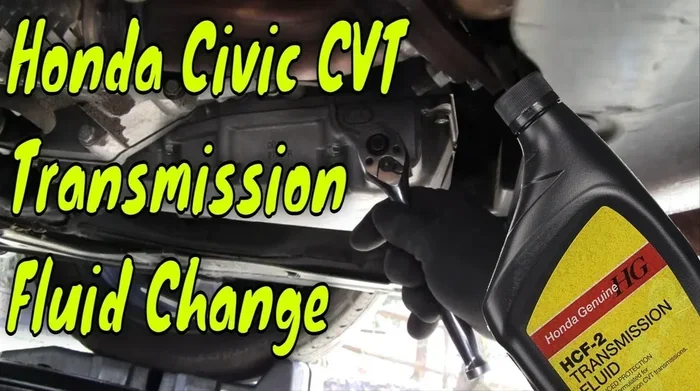
Changing your Honda Civic’s transmission fluid is a manageable DIY project if you have basic mechanical skills. Here is a step-by-step walkthrough to help you get it done right.
Step 1: Gather Your Tools and Materials
Before you start, make sure you have everything you need. Here is a checklist:
- The correct transmission fluid for your Honda Civic model year (check the owner’s manual)
- A new transmission fluid filter (if applicable)
- A new transmission pan gasket
- A socket set and wrenches
- A drain pan to catch the old fluid
- A funnel
- Jack and jack stands or ramps
- Gloves and safety glasses
Step 2: Warm Up the Fluid
Start your car and let it idle for a few minutes. Warm fluid drains more completely and carries more contaminants out with it. Do not drive the car hard — just let it run for 3 to 5 minutes.
Step 3: Lift the Car and Locate the Transmission Pan
Use a jack and jack stands or drive onto ramps. Find the transmission pan underneath the car. Place your drain pan directly beneath it. Make sure the car is securely supported before you go underneath.
Step 4: Drain the Old Fluid
Remove the bolts from the transmission pan slowly. Start with the bolts on one side to let the fluid drain gradually. Once all bolts are removed, carefully lower the pan and let the old fluid drain completely into the drain pan.
Step 5: Replace the Filter and Gasket
While the pan is off, inspect the transmission filter. If it looks dirty or clogged, replace it. Clean any old gasket material from the transmission housing. Install a new gasket and set the pan aside temporarily.
Step 6: Reinstall the Pan and Refill
Secure the transmission pan with new bolts. Torque them to the manufacturer’s specification — usually around 10 to 15 foot-pounds. Use a funnel to add the correct amount of new transmission fluid through the dipstick tube. Check your owner’s manual for the exact fluid capacity.
Step 7: Check the Fluid Level
Start the car and let it idle. Shift through all the gears and then return to park. Pull the dipstick and check the fluid level. Add more fluid if needed. Look for leaks around the pan before you drive the car.
Quick Tips for DIY Transmission Fluid Changes
- Always dispose of old transmission fluid properly. Take it to a recycling center or auto parts store that accepts used fluids.
- Do not overfill. Too much fluid can cause foaming and pressure problems.
- Take photos during the process so you can remember how everything goes back together.
- If you are unsure about any step, consult a professional mechanic.
Cost, Common Mistakes, and Expert Tips for Honda Civic Transmission Maintenance
Let us talk about the practical side of keeping your Honda Civic’s transmission in great shape. This section covers costs, common mistakes, and expert advice that can save you time and money.
How Much Does a Honda Civic Transmission Fluid Change Cost?
The cost of a transmission fluid change varies depending on where you go and what type of fluid your car needs. Here is a general breakdown:
- DIY: $40 to $100 for fluid and a new filter/gasket
- Independent Mechanic: $100 to $200 for a standard drain and fill
- Dealership: $150 to $250 for a professional service
- Transmission Flush: $200 to $400 (not always necessary)
A simple drain and fill is usually all you need. Transmission flushes use machines to push out all the old fluid. While a flush can be thorough, some experts recommend against it for older Honda Civics. The high pressure can dislodge debris and cause blockages. A drain and fill is a safer, more controlled approach for most Honda Civic owners.
Common Mistakes to Avoid
Even well-meaning car owners make mistakes when it comes to transmission fluid changes. Here are the most common ones to watch out for.
Using the Wrong Fluid Type. This is the number one mistake. Honda specifies exact fluid formulations for each model. Using a generic or incorrect fluid can lead to poor shifting, leaks, and internal damage. Always use Honda-specified fluid or a high-quality aftermarket equivalent.
Skipping the Filter Change. If your Honda Civic has a replaceable transmission filter, change it along with the fluid. A clogged filter reduces fluid flow and can cause shifting problems even with fresh fluid.
Overfilling or Underfilling. Both are problematic. Overfilled fluid can foam and cause pressure issues. Underfilled fluid leads to poor lubrication and overheating. Always check the level on a level surface with the engine at operating temperature.
Ignoring Warning Signs. Many Honda Civic owners ignore early warning signs like slight slipping or delayed shifts. Catching these problems early and changing the fluid can prevent much more expensive repairs later.
Skipping Fluid Changes Entirely. Some owners believe the “lifetime” fluid claim and never change it. In reality, all transmission fluid degrades over time. Regular changes are the best preventative maintenance you can do for your transmission.
Expert Insights: How to Extend Transmission Fluid Life
Want your Honda Civic transmission fluid to last longer and perform better? Follow these expert-backed tips.
- Check Fluid Levels Regularly: Make it a habit to check your transmission fluid every month. Catching low levels early prevents damage.
- Drive Smoothly: Aggressive driving — rapid acceleration and hard braking — puts extra stress on the transmission and breaks down fluid faster.
- Avoid Overheating: Transmission fluid degrades rapidly at high temperatures. Keep your cooling system in good shape, especially if you tow or carry heavy loads.
- Follow the Maintenance Schedule: Stick to the Honda Civic maintenance schedule in your owner’s manual. It is based on extensive testing and engineering.
- Address Leaks Immediately: Even small transmission fluid leaks can lead to low fluid levels and serious damage over time. Fix leaks promptly.
Key Takeaways
Changing your Honda Civic transmission fluid on schedule is one of the simplest and most cost-effective things you can do for your car. Most Honda Civics need a fluid change every 30,000 to 60,000 miles, though the exact interval depends on your model year and transmission type. Use the correct Honda-specified fluid, watch for warning signs, and either do the job yourself or visit a trusted mechanic. A small investment in regular transmission fluid changes can save you hundreds or even thousands of dollars in transmission repairs down the road.
Your Honda Civic was built to last. With proper care and attention to the transmission fluid change interval, it can keep running reliably for many years. Do not wait for a problem to take action. Make transmission fluid maintenance a regular part of your Honda Civic ownership routine, and your car will reward you with smooth, confident performance every time you get behind the wheel.
Frequently Asked Questions
How do I know what type of transmission fluid my Honda Civic needs?
The best way to find the correct fluid is to check your owner’s manual. It lists the exact Honda-specified fluid type for your model year. You can also check the Honda dealer or look at the fluid cap under the hood for markings. Using the wrong fluid type can cause shifting problems and internal damage.
Can I change the transmission fluid myself on a Honda Civic?
Yes, changing the transmission fluid on a Honda Civic is a doable DIY project if you have basic tools and some mechanical experience. You will need a drain pan, the correct fluid, a new filter and gasket (if applicable), and a jack or ramps. Just follow the steps carefully and dispose of the old fluid properly.
Is a transmission flush better than a drain and fill for a Honda Civic?
A drain and fill is generally the safer option for Honda Civics. A transmission flush uses high pressure to push out all the old fluid, which can dislodge debris and cause blockages in older vehicles. A drain and fill removes the majority of old fluid while being gentler on the transmission system.
What happens if I never change the transmission fluid on my Honda Civic?
If you never change the transmission fluid, it will break down over time and lose its lubricating and cooling properties. This leads to increased friction, heat, and wear on internal transmission components. Eventually, it can cause rough shifting, slipping gears, and even complete transmission failure — which is an expensive repair.
How much does it cost to change the transmission fluid on a Honda Civic?
A transmission fluid change for a Honda Civic typically costs between $80 and $250, depending on whether you do it yourself or visit a mechanic. DIY costs are usually $40 to $100 for fluid and supplies. A professional drain and fill at an independent shop runs about $100 to $200, while a dealership service may cost $150 to $250.
Does driving style affect how often I need to change transmission fluid?
Yes, driving style has a big impact on transmission fluid life. If you frequently drive in heavy traffic, tow heavy loads, or drive aggressively in hot weather, your fluid will break down faster. In these conditions, consider changing the fluid more often — closer to every 30,000 miles instead of 60,000 miles.
=== CONCLUSION ===
Taking care of your Honda Civic’s transmission fluid is one of the best things you can do for the long-term health of your vehicle. The key question — how often to change transmission fluid on a Honda Civic — has a clear answer: most models need a change every 30,000 to 60,000 miles. Stick to this schedule, use the correct Honda-specified fluid, and watch for warning signs like dark fluid, slipping gears, or unusual noises. Whether you do it yourself or visit a mechanic, regular transmission fluid changes are a small investment that pays big dividends. Your Honda Civic will shift smoothly, run cooler, and keep reliable mile after mile. Start today — your future self and your transmission will thank you.