How to Clear Subaru Fault Codes and Solve Engine Problems
Clearing Subaru fault codes is easier than most owners think. You can use an OBD2 scanner to read and reset check engine lights in minutes. This guide walks you through every step, from understanding diagnostic trouble codes to fixing common Subaru engine problems. By the end, you will know exactly how to clear Subaru fault codes and keep your car running smoothly.
Your Subaru check engine light just popped on, and your stomach dropped. We have all been there. That little yellow light on your dashboard can mean anything from a loose gas cap to a serious engine problem. The good news is that you do not need to panic. You can learn how to clear Subaru fault codes and get back on the road with confidence.
Fault codes, also called diagnostic trouble codes or DTCs, are your Subaru’s way of telling you something is off. These codes live in your car’s ECU, or engine control unit. Think of the ECU as your Subaru’s brain. It monitors every sensor and system in your engine. When something goes wrong, it stores a code and lights up your check engine light.
This guide will show you exactly how to read those codes, clear them, and fix the underlying problems. Whether you are a DIY mechanic or a curious Subaru owner, you will find practical steps here. We will cover the tools you need, common codes you will see, and tips to keep your Subaru running strong.
Key Takeaways
- OBD2 Scanners Are Essential: A fault code reader lets you quickly identify and clear Subaru diagnostic trouble codes at home.
- Know Your Codes First: Understanding common Subaru fault codes helps you fix the real problem, not just reset the light.
- Step-by-Step Process Works: You can clear Subaru fault codes in five simple steps with the right tool.
- Some Codes Need Professional Help: Emission and catalytic converter codes often require a mechanic.
- Prevention Saves Money: Regular Subaru maintenance prevents most fault codes from returning.
- Common Causes Are Fixable: Loose gas caps, bad oxygen sensors, and ignition coil issues are easy to address.
📑 Table of Contents
Understanding Subaru Fault Codes
Before you grab any tools, it helps to understand what Subaru fault codes actually are. These codes follow a universal format called OBD-II. OBD stands for On-Board Diagnostics. Every car sold in the United States since 1996 uses this system. Your Subaru is no exception.
Each fault code starts with a letter followed by four numbers. The letter tells you the category of the problem:
- P stands for powertrain codes. These cover your engine and transmission.
- B stands for body codes. These relate to your car’s interior systems.
- C stands for chassis codes. These involve your suspension and braking systems.
- U stands for network codes. These deal with communication between modules.
Most Subaru owners will deal with powertrain codes, especially P-codes. These are the ones tied directly to your engine and emissions system. For example, a P0301 code means cylinder one is misfiring. A P0420 code often points to a catalytic converter issue.
Why Fault Codes Matter
Fault codes are not just random numbers. They are precise clues about what is happening inside your engine. Ignoring them can lead to bigger problems down the road. A small issue like a faulty oxygen sensor can hurt your fuel economy if left unchecked. Over time, it can even damage your catalytic converter, which is an expensive repair.
Learning how to read and clear Subaru fault codes gives you power. You can catch problems early. You can save money on repairs. And you can avoid unnecessary trips to the mechanic for simple fixes.
Tools You Need to Clear Subaru Fault Codes
You do not need a garage full of tools to clear Subaru fault codes. In fact, you really only need one main device. Let us talk about what that is and what else might help.
OBD2 Scanner
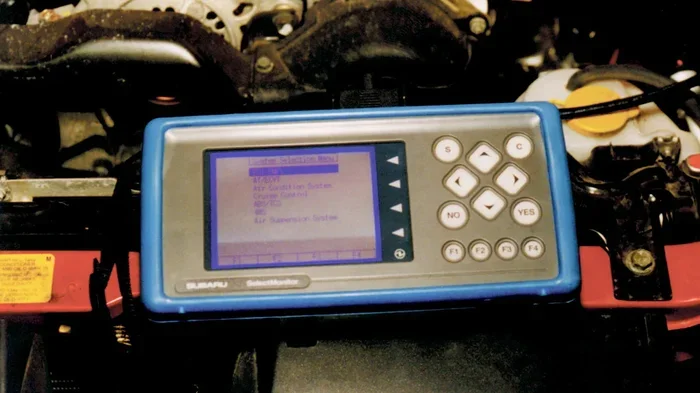
An OBD2 scanner is the most important tool for this job. This device plugs into your Subaru’s diagnostic port and talks to the ECU. It reads the stored fault codes and displays them on a screen. Some scanners also let you clear the codes right from the device.
There are two main types of OBD2 scanners:
- Basic Code Readers: These are affordable and do one job well. They read and clear codes. You can find them for under $30 online.
- Advanced Scan Tools: These cost more but offer much more. They give you live data from sensors, freeze frame data, and detailed code definitions. Popular brands include Innova, Autel, and BlueDriver.
If you just want to clear Subaru fault codes occasionally, a basic reader works fine. If you enjoy working on your car or want deeper insights, invest in an advanced scanner.
Other Helpful Tools
While the OBD2 scanner is the star of the show, a few other items can make your job easier:
- A digital multimeter: This helps you test sensors and electrical connections.
- A flashlight: You will be looking at hard-to-see engine components.
- Your Subaru owner’s manual: This has specific information about your model’s diagnostic port location.
- A notebook or phone app: Write down codes and notes so you can track patterns over time.
Step-by-Step Guide to Clear Subaru Fault Codes
Now for the part you have been waiting for. Here is exactly how to clear Subaru fault codes, step by step. Follow these instructions carefully, and you will have your check engine light off in no time.
Step 1: Locate the OBD2 Port
Every Subaru has an OBD2 port. It is usually located under the dashboard on the driver’s side. In most Subarus, you will find it near the steering column, below the fuse box cover. Sometimes it is hidden behind a small door or panel. Check your owner’s manual if you cannot find it.
Once you locate the port, it looks like a trapezoid-shaped connector with 16 pins. That is where your scanner plugs in.
Step 2: Plug in the Scanner
With your Subaru’s ignition off, plug the OBD2 scanner into the port. You should feel it click into place. Do not force it. The connector fits one way only.
Now turn the ignition to the “ON” position. Do not start the engine. The scanner should power on automatically. If it does not, check that it is fully seated in the port.
Step 3: Read the Fault Codes
This is the most important step. Before you clear anything, read the codes first. Your scanner will display the codes on its screen. Write them down or take a photo with your phone.
Each code will have a description. Your scanner may show it directly, or you may need to look it up online. For example, a P0171 code means the system is too lean on bank one. This tells you there is too much air or not enough fuel in that engine bank.
Understanding the code before you clear it helps you fix the real problem. If you just clear the code without knowing what it means, the light will come right back on.
Step 4: Fix the Underlying Problem
This step is crucial and often skipped. Clearing Subaru fault codes is not a permanent fix unless you also fix the root cause. Use your code reading to guide your repair.
Here are some common issues and how to address them:
- Loose gas cap: Simply tighten it until it clicks. This is the most common cause of a check engine light.
- Faulty oxygen sensor: Replace the sensor. It is usually an easy bolt-on job.
- Ignition coil failure: Swap out the bad coil. Subaru EJ and FA engines are known for coil issues.
- Mass airflow sensor contamination: Clean it with a dedicated MAF sensor cleaner.
- Catalytic converter failure: This requires professional help in most cases.
Step 5: Clear the Codes
Once you have fixed the problem, it is time to clear the codes. On your OBD2 scanner, navigate to the “Clear Codes” or “Erase DTCs” function. Confirm the action. The scanner will send a command to your Subaru’s ECU to erase the stored fault codes.
After clearing, turn the ignition off, wait about 30 seconds, and turn it back on. The check engine light should be off. If it stays on, the problem may not be fully resolved, or the code was cleared incorrectly.
Step 6: Test Drive and Verify
Take your Subaru for a test drive. Drive for at least 15 to 20 minutes. Let the engine warm up fully and vary your speed. This allows the ECU to re-run its self-tests.
After the test drive, plug the scanner back in and read the codes again. If the codes do not return, congratulations. You have successfully cleared Subaru fault codes and fixed the problem. If they do return, you need to dig deeper into the diagnosis.
Common Subaru Fault Codes and What They Mean
Not all fault codes are created equal. Some are minor and easy to fix. Others signal serious problems. Here are some of the most common Subaru fault codes you might encounter.
P0300 – Random/Multiple Cylinder Misfire
This code means your engine is misfiring across multiple cylinders. Common causes include worn spark plugs, bad ignition coils, or fuel injector problems. Subaru owners often see this code on older models with high mileage. Start by checking your spark plugs and coils.
P0420 – Catalyst System Efficiency Below Threshold
This is one of the most common Subaru fault codes. It means your catalytic converter is not working efficiently. This code can be triggered by a bad oxygen sensor, an exhaust leak, or a failing catalytic converter itself. Before replacing the converter, check the sensors and exhaust system first.
P0171 – System Too Lean (Bank 1)
This code means there is too much air or not enough fuel in bank one of your engine. Subaru flat-four engines are prone to this issue. Common culprits include vacuum leaks, a dirty mass airflow sensor, or a weak fuel pump.
P0401 – Insufficient EGR Flow
The EGR, or exhaust gas recirculation, system reduces emissions. When flow is insufficient, this code appears. A clogged EGR valve or passage is usually the cause. Cleaning or replacing the EGR valve often fixes the problem.
P0301 – Cylinder 1 Misfire
This code points specifically to cylinder one misfiring. On Subaru engines, this is often caused by a bad ignition coil for that cylinder or worn spark plugs. Subaru coils are known to fail over time, especially in colder climates.
When to Seek Professional Help
Clearing Subaru fault codes is something you can do at home. But not every problem is a DIY fix. Knowing when to call a professional saves you time, money, and frustration.
You should see a mechanic if:
- The check engine light is flashing. A flashing light usually means a serious misfire that can damage your catalytic converter.
- You have cleared the codes but they return immediately. This signals a persistent problem that needs deeper diagnosis.
- The code relates to the transmission. Subaru transmission issues are complex and require specialized tools.
- You see codes related to the hybrid system in a Subaru hybrid model. These systems need dealer-level diagnostics.
- You have tried basic fixes but the light keeps coming back. A professional mechanic has advanced tools and training for hard-to-find problems.
Many independent shops and even dealerships offer diagnostic services for a flat fee. This can be worth the cost if the problem is beyond your skill level.
Preventing Future Subaru Fault Codes
The best way to deal with Subaru fault codes is to prevent them from appearing in the first place. Regular maintenance goes a long way toward keeping your check engine light off.
Follow the Maintenance Schedule
Your Subaru owner’s manual has a recommended maintenance schedule. Stick to it. Change your oil on time. Replace spark plugs at the specified intervals. Check your air filter and fuel filter regularly. These simple steps keep your engine running clean and efficient.
Use Quality Fuel and Parts
Cheap fuel can cause emission problems and trigger fault codes. Try to fill up at reputable stations. When replacing parts, use quality components. OEM Subaru parts or trusted aftermarket brands will last longer and perform better.
Address Small Problems Early
If you notice a slight change in your Subaru’s performance, do not ignore it. A rough idle, a slight hesitation, or a drop in fuel economy can all be early signs of a problem. Addressing these early prevents them from turning into bigger issues and fault codes.
Keep Your Gas Cap Tight
This sounds silly, but a loose or damaged gas cap is one of the top reasons for a check engine light. Always make sure your gas cap clicks when you close it. Replace it if it looks cracked or worn. It is a $10 fix that can save you a trip to the mechanic.
Final Thoughts
Learning how to clear Subaru fault codes is a valuable skill for any Subaru owner. It puts you in control of your car’s health and saves you money. With a simple OBD2 scanner, you can read codes, understand what your Subaru is telling you, and take action.
Remember that clearing Subaru fault codes is only half the battle. The real work is fixing the underlying problem that triggered the code in the first place. Use the codes as clues, not as the final answer. Follow the steps in this guide, and you will handle most check engine light situations with confidence.
Keep your Subaru well-maintained, address small issues early, and invest in a good scanner. Your car will reward you with years of reliable performance. And the next time that check engine light comes on, you will know exactly what to do.
Frequently Asked Questions
Can I clear Subaru fault codes without a scanner?
You can disconnect your battery for a few minutes to reset the ECU. However, this method does not always clear all codes and can reset other settings in your car. Using an OBD2 scanner is the proper way to clear Subaru fault codes and keep your system intact.
Will clearing Subaru fault codes fix the problem?
No. Clearing the codes only turns off the check engine light. If the underlying problem is not fixed, the codes and the light will come back. Always diagnose the root cause before clearing any fault codes.
How much does an OBD2 scanner cost?
Basic OBD2 code readers cost between $20 and $50. Advanced scan tools with live data features range from $100 to $300. For most Subaru owners, a mid-range scanner offers the best value for clearing fault codes and monitoring engine health.
Is it safe to drive with the check engine light on?
It depends on the severity. If the light is steady and your car drives normally, it is usually safe to drive a short distance. If the light is flashing, pull over safely and get your car towed. A flashing light often indicates a serious misfire that can damage your catalytic converter.
How long does it take to clear Subaru fault codes?
The actual clearing process takes just a few minutes with an OBD2 scanner. However, the full process including reading codes, diagnosing the problem, and fixing it can take anywhere from 15 minutes for a simple fix like a loose gas cap to several hours for a more complex issue.
What is the Subaru diagnostic port location?
On most Subaru models, the OBD2 port is located under the dashboard on the driver’s side, near the steering column. It may be below the fuse box cover or behind a small panel. Check your owner’s manual for the exact location on your specific model.