How to Reset a Flashing Airbag Light on Your Nissan
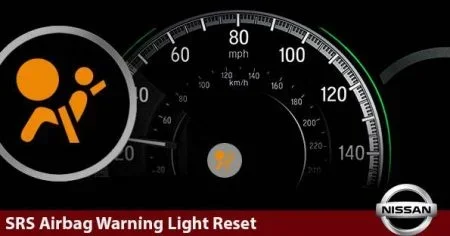
A flashing airbag light on your Nissan is a serious warning that should never be ignored. This guide walks you through exactly how to reset a flashing airbag light on your Nissan using simple tools and clear steps. You will learn what triggers the SRS warning, which equipment you need, and how to fix the problem yourself or know when to seek help. Understanding your airbag system keeps you and your passengers safe on every drive.
Nothing scares a car owner quite like a flashing warning light on the Nissan dashboard. When that little airbag symbol starts blinking on your dash, it is easy to panic. But here is the good news: in many cases, you can fix it yourself. This guide shows you exactly how to reset a flashing airbag light on a Nissan in clear, simple steps. You do not need to be a mechanic to handle this. With the right tools and a little patience, your Nissan airbag light can be off and your safety system back to full working order.
Your car’s airbag system, also known as the Supplemental Restraint System or SRS, is one of the most important safety features you have. When that light flashes, it means the system has detected a problem and may not activate during a collision. That is a risk you simply cannot take. Whether you drive a Nissan Altima, a Nissan Sentra, or any other model, the reset process is similar. Let us walk through everything you need to know, from understanding why the light is on to completing the airbag reset yourself.
We will cover the most common reasons the airbag warning light flashes, the tools you will need, a full step-by-step reset process, and tips to prevent the problem from coming back. By the end of this guide, you will feel confident tackling this repair. Let us get started.
Key Takeaways
- Act Fast: A flashing airbag light means your safety system may not deploy in a crash.
- Common Culprits: Loose seat belt connectors, faulty crash sensors, and worn clocksprings are the top triggers.
- You Need an OBD2 Scanner: This tool reads diagnostic trouble codes and is essential for proper airbag reset.
- Avoid Common Mistakes: Never disconnect the battery without following the correct procedure, and always wait the full time before reconnecting.
- Know When to Call a Pro: If the light returns after reset, there may be a deeper wiring or module issue.
- Prevention Works: Regular seat belt maintenance and timely sensor checks keep your airbag system healthy.
- Safety First: Always turn off the ignition and wait before working on any part of the SRS system.
📑 Table of Contents
Why Is Your Airbag Light Flashing?
A flashing airbag warning light is your car’s way of telling you something is wrong with the safety system. Unlike a steady light, which may indicate a minor issue, a flashing light usually signals a more serious problem. The SRS light stays off when everything is working correctly. The moment it starts flashing, the system has stored a diagnostic trouble code that points to a specific fault.
Understanding the SRS System
The Supplemental Restraint System is a network of sensors, modules, and connectors that work together to protect you in a crash. It includes the airbag module itself, crash sensors located at the front and sides of the vehicle, seat belt pretensioners, and the wiring that connects everything. When you turn the key, the system runs a quick self-check. If all components pass, the light turns off. If something fails, the light stays on or starts flashing.
Think of it like a health check for your car’s safety features. The airbag module constantly monitors the system. If it detects an open circuit, a short, or a faulty sensor, it triggers the warning. Ignoring this light is never a good idea because it means your passenger airbag and other restraints might not deploy when you need them most.
Common Causes of Airbag Light Flashing
Several issues can cause your Nissan airbag light to start flashing. Here are the most common ones:
- Loose or Corroded Seat Belt Connector: The seat belt sensor plug under the seat can work loose over time. Dirt and moisture can also cause corrosion.
- Faulty Crash Sensor: The front or side impact sensors can fail due to age, moisture, or previous minor accidents.
- Worn Clockspring: The clockspring in the steering column maintains the connection between the steering wheel airbag and the rest of the system. When it wears out, the airbag warning light comes on.
- Damaged Wiring: Rats, heat, or general wear and tear can damage the wiring harness behind the dashboard.
- Low Battery Voltage: A weak car battery can cause the SRS system to throw a code and trigger the light.
- Previous Accident: Even after repairs, the system may still store codes from an older crash event.
- Bad Airbag Module: In rare cases, the airbag control module itself fails and needs replacement or reprogramming.
Knowing the root cause helps you decide whether a simple airbag reset will fix the problem or if you need deeper repairs. Using an OBD2 scanner to read the diagnostic trouble codes is the best first step.
Tools and Equipment You Will Need
Before you start the reset process, gather everything you need. Having the right tools on hand saves time and prevents frustration. Here is what you will need for a successful airbag reset:
- OBD2 Scanner: This is the most important tool. A quality OBD2 scanner reads and clears the diagnostic trouble codes stored in your Nissan’s computer. Look for one that supports SRS and airbag systems specifically.
- Basic Socket Set: You will need a 10mm wrench or socket to disconnect the battery terminal.
- Wire Brush or Electrical Contact Cleaner: Useful for cleaning corroded connectors under the seat.
- Multimeter: Helpful for testing voltage at the seat belt connector and crash sensors.
- Safety Gloves and Glasses: Working around the airbag system requires proper protection.
Not all OBD2 scanners are created equal. Cheap generic scanners may read engine codes but cannot handle the SRS system. Make sure your scanner supports airbag system diagnostics. Popular options that work well with Nissan vehicles include the Autel MaxiCOM series, the Innova 5160, and the BlueDriver Bluetooth Pro.
| Tool | Purpose | Budget Option | Premium Option |
|---|---|---|---|
| OBD2 Scanner | Read and clear SRS codes | FOXWELL NT301 (~$30) | Autel MaxiCOM MK808 (~$200) |
| Socket Set | Disconnect battery terminal | Basic 10mm socket (~$5) | Full ratchet set (~$25) |
| Wire Brush | Clean corroded connectors | Simple brass brush (~$4) | Electrical contact cleaner kit (~$12) |
| Multimeter | Test sensor voltage | Basic digital multimeter (~$15) | Fluke 87V (~$150) |
Investing in a decent OBD2 scanner pays for itself quickly. You can use it for all kinds of diagnostics beyond just the airbag warning light. It is one of the best tools any Nissan owner can have in their garage.
Step-by-Step Guide to Resetting the Airbag Light
Now that you understand the problem and have your tools ready, let us walk through the actual reset process. Follow each step carefully and do not skip ahead. Safety is the top priority when working with the airbag system.
Step 1: Turn Off the Ignition and Wait
Start by turning the key to the off position or pressing the start button without pressing the brake. Then wait at least 10 minutes. This gives the airbag clockspring and the backup power in the SRS module time to fully discharge. Never work on the airbag system while power is still present. A deployed airbag can cause serious injury.
Step 2: Disconnect the Battery
Locate the negative battery terminal. Use your 10mm socket to loosen the nut and remove the cable. Place the cable aside where it cannot accidentally touch the terminal again. This ensures there is no electrical power running to the airbag module while you work. Wait another 5 minutes after disconnecting the battery for extra safety.
Step 3: Inspect the Seat Belt Connector
Slide your seat all the way back and look under the seat for the seat belt plug. Unplug it and inspect the connector pins. Look for corrosion, dirt, or bent pins. Clean them with a wire brush or electrical contact cleaner. A dirty seat belt connector is one of the most common reasons the airbag warning light flashes on a Nissan. Replug the connector firmly after cleaning.
Step 4: Check the Wiring Harness
While you are under the seat, look at the wiring harness that runs along the floor. Check for frayed wires, melted insulation, or loose plugs. If you find any damage, repair it before proceeding. A damaged wiring harness will cause the airbag reset to fail because the system will detect the same fault again.
Step 5: Connect Your OBD2 Scanner
Plug your OBD2 scanner into the diagnostic port under the dashboard on the driver’s side. Turn the key to the on position (do not start the engine). The scanner should power on and connect to the car’s computer. Navigate to the SRS or airbag section and read all stored diagnostic trouble codes. Write these codes down or take a photo with your phone. These codes tell you exactly what the system found.
Step 6: Clear the Codes
With the codes recorded, use the scanner to clear them. Select the option to erase all SRS codes. The scanner will communicate with the airbag module and reset the stored data. Once the codes are cleared, turn the key off and wait 30 seconds. Then turn the key back on again.
Step 7: Check if the Light Is Off
After turning the key on, watch the dashboard. If the airbag warning light stays off, the reset was successful. If it comes back on or starts flashing, there is still an underlying issue that the scanner may not have fully resolved. In that case, you may need to inspect the crash sensors or the clockspring more closely.
Step 8: Reconnect the Battery
If the light is off, go ahead and reconnect the negative battery terminal. Tighten the nut securely. Start the engine and let it idle for a minute. The SRS system will run another self-check. If everything is working correctly, the light will remain off and your safety system is fully restored.
Quick Tips for a Smooth Reset Process:
- Always wait the full 10 minutes after turning off the ignition before touching any airbag components.
- Take photos of every connector before you unplug it so you can reconnect everything correctly.
- Keep your OBD2 scanner firmware updated for the best compatibility with Nissan vehicles.
- If the light returns within a few days, do not ignore it. Go back and check your codes again.
- Never use a cheap generic scanner that does not support SRS codes. It will not clear airbag properly.
Common Mistakes That Make the Problem Worse
Many people try to reset a flashing airbag light on their own but end up making things worse. Here are the mistakes to avoid:
- Disconnecting the Battery for Too Short a Time: Some people reconnect the battery after only 1 or 2 minutes. The SRS system needs at least 5 to 10 minutes to fully discharge. Cutting this short can leave residual power that prevents a proper reset.
- Ignoring the Diagnostic Codes: Clearing codes without understanding what they mean is like treating a symptom without curing the disease. The light will come right back.
- Using the Wrong Scanner: Not all OBD2 scanners can communicate with the airbag system. Using an incompatible scanner wastes time and may not clear the codes at all.
- Working on a Live System: Never touch the airbag wiring or connectors while the battery is connected. The airbag can deploy unexpectedly and cause serious harm.
- Forcing Connectors Back On: If a seat belt plug does not click into place easily, do not force it. Misaligned connectors cause intermittent faults that are hard to diagnose.
- Skipping the Wiring Inspection: Cleaning the connector but ignoring damaged wiring means the same fault will return within days.
Expert Insight: According to certified Nissan technicians, the seat belt connector under the driver’s seat is responsible for more flashing airbag lights than any other single cause. It is also the easiest to fix. Always check this first before moving on to more complex diagnostics.
When to Take Your Nissan to a Professional
While many airbag reset situations are DIY-friendly, some problems require a trained professional. You should take your Nissan to a dealer or qualified mechanic if:
- The airbag light returns within a few days of your reset attempt.
- The diagnostic trouble codes point to the airbag module itself, which may need reprogramming or replacement.
- You notice physical damage to the steering column or the airbag clockspring.
- The airbag deployed in a previous accident and the system has not been properly restored.
- You are uncomfortable working with the electrical system of your vehicle.
- Multiple warning lights are on at the same time, indicating a broader electrical issue.
A professional has access to advanced diagnostic equipment that goes beyond what a standard OBD2 scanner can do. They can also perform module reprogramming and wiring repairs that require specialized knowledge. There is no shame in seeking help. Your safety is worth more than saving a few dollars on a repair you are not confident about.
If you do visit a shop, ask them to show you the diagnostic codes and explain what they mean. A good technician will walk you through the findings and give you options for repair. This also helps you understand your vehicle better and prevents the same issue from happening again.
Preventing Future Airbag Light Issues
The best way to deal with a flashing airbag light is to prevent one from happening in the first place. Here are simple habits that keep your Nissan dashboard healthy and your safety system working properly:
- Keep Seat Belts Clean and Connected: Periodically check that the seat belt plug under the seat is secure and free of corrosion. A quick wipe-down every few months goes a long way.
- Address Warning Lights Promptly: Do not ignore any warning light on your dashboard. The longer you wait, the more potential damage can occur.
- Maintain Your Battery: A weak battery can cause all kinds of electrical gremlins, including triggering the SRS light. Replace your battery every 4 to 5 years.
- Avoid Aftermarket Accessories That Interfere with Wiring: Cheap aftermarket seat covers or dash kits can pinch or damage wiring behind the dashboard.
- Get Regular Inspections: During routine oil changes or tire rotations, ask the technician to do a quick visual check of the under-seat wiring and connectors.
Taking these small steps keeps your airbag system in great shape and gives you peace of mind every time you get behind the wheel. Prevention is always easier and cheaper than repair.
Conclusion
Dealing with a flashing airbag light on your Nissan can feel overwhelming, but it does not have to be. With the right knowledge and the proper tools, you can handle this repair yourself and save money on labor costs. The key is understanding what triggers the warning, using a quality OBD2 scanner, and following each step of the reset process carefully.
Always remember that your airbag system is there to protect you and your passengers. Taking the flashing light seriously and addressing it promptly is one of the best things you can do for your safety. Whether you choose to do the airbag reset yourself or visit a professional, the most important thing is that the problem gets resolved.
Now that you know exactly how to reset a flashing airbag light on a Nissan, you have the power to take action. Do not let that blinking light sit on your dash another day. Gather your tools, follow the steps in this guide, and get your safety system back to working order. Your Nissan will thank you, and more importantly, you and your passengers will be safer on the road.
Frequently Asked Questions
Can I drive my Nissan with the airbag light flashing?
It is not recommended. A flashing airbag light means the system has detected a fault and your airbags may not deploy in a crash. While the car may still run fine, you lose a critical layer of protection. Get the issue diagnosed and fixed as soon as possible.
How much does it cost to reset an airbag light on a Nissan?
If you do it yourself with an OBD2 scanner, the cost is just the price of the scanner, which ranges from $30 to $200. If you take it to a shop, labor costs typically run between $75 and $150 for diagnostics and reset. Replacing faulty parts like a clockspring or crash sensor can cost more.
Will disconnecting the battery reset the airbag light permanently?
Not always. Disconnecting the battery may temporarily turn off the light, but if the underlying problem is not fixed, the system will detect the same fault and the light will return. Always read and address the diagnostic trouble codes for a permanent fix.
What does the airbag clockspring do and how do I know if it is bad?
The clockspring is a spiral cable in the steering column that keeps the airbag connected to the electrical system while the wheel turns. Signs of a bad clockspring include a flashing airbag light, a horn that stops working, and sometimes a clicking sound from the steering column.
Is it safe to work on the airbag system myself?
It can be safe if you follow the proper precautions. Always turn off the ignition and wait at least 10 minutes before disconnecting the battery or touching any airbag components. If you are unsure about any step, it is best to consult a professional mechanic.
How long does an airbag reset take?
The actual reset process takes about 30 to 45 minutes if you have the right tools. However, if you need to inspect connectors, clean corrosion, or repair wiring, it could take an hour or more. The time depends on what is causing the light to flash in the first place.
=== CONCLUSION ===
Resetting a flashing airbag light on your Nissan is a manageable DIY project when you know the right steps. Start by understanding why the light is on, gather your tools, and follow the reset process carefully. Pay attention to the diagnostic trouble codes your OBD2 scanner provides because they point you to the real problem. Avoid common mistakes like rushing the battery disconnect or ignoring the codes. If the problem persists, do not hesitate to seek professional help. Your airbag system is one of the most important safety features in your vehicle, and keeping it in top shape is always worth the effort.