How to Reset the Service Engine Soon Light Yourself
Discover how to reset the Service Engine Soon light in just a few simple steps using an OBD2 scanner or manual methods. This guide walks you through the entire process, from understanding what the warning means to clearing the fault codes safely. You will learn the tools you need, common mistakes to avoid, and expert tips that make the job effortless.
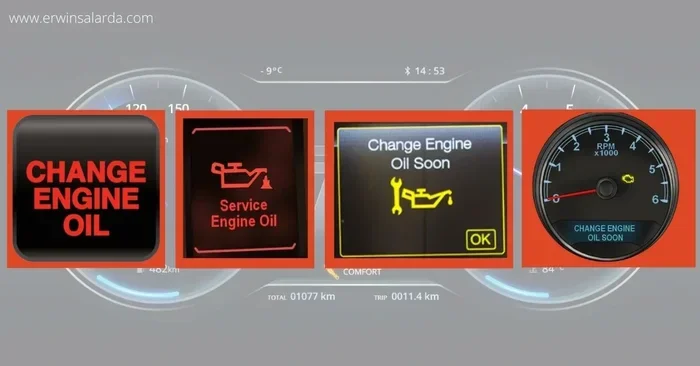
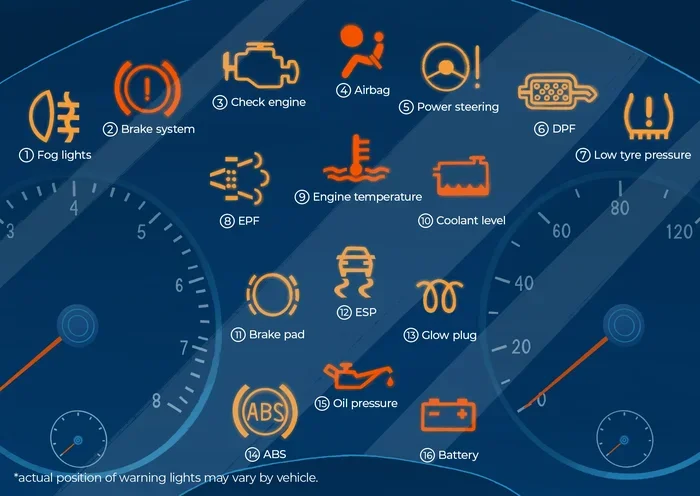
That little yellow or orange light on your dashboard can send a shiver down any car owner’s spine. You see it glowing on the instrument cluster, and suddenly your mind races with questions. Is the engine about to fail? Do you need expensive repairs right now? The good news is that learning how to reset the Service Engine Soon light yourself is easier than you think.
Many drivers rush to the nearest auto shop the moment they see that warning. They pay a diagnostic fee, only to find out the issue was minor. With the right knowledge and a basic tool, you can handle this yourself. This guide will show you exactly how to do it step by step. You will understand what the light means, which tools you need, and the safest way to clear the codes.
We have designed this article to be your complete resource. Whether you are a complete beginner or someone who has done a few DIY repairs, you will find practical advice here. Let us walk you through the entire process of resetting the Service Engine Soon light without the stress.
Key Takeaways
- Resetting the Service Engine Soon light is a straightforward DIY task that can save you hundreds of dollars in mechanic fees.
- An OBD2 scanner is the most reliable tool for reading and clearing diagnostic trouble codes from your vehicle.
- You must fix the root cause first before resetting the warning light, or it will return quickly.
- Multiple reset methods exist, including scanner-based, battery disconnect, and drive cycle techniques.
- Understanding diagnostic trouble codes helps you identify the exact problem your car is signaling.
- Common mistakes like resetting without repairs can lead to bigger engine problems down the road.
- Regular car maintenance prevents the Service Engine Soon light from appearing in the first place.
📑 Table of Contents
- What Does the Service Engine Soon Light Mean?
- Tools You Need to Reset the Light
- How to Reset the Service Engine Soon Light Step by Step
- Alternative Reset Methods Without a Scanner
- Common Mistakes to Avoid When Resetting the Light
- When Should You See a Professional Mechanic?
- Preventing the Service Engine Soon Light from Returning
- Key Takeaways
- Frequently Asked Questions
- Final Thoughts
What Does the Service Engine Soon Light Mean?
The Service Engine Soon light is part of your vehicle’s onboard diagnostics system. It is also known as the malfunction indicator lamp or MIL. When this light turns on, it means your car’s computer has detected a problem in the engine or emissions system. The system stores a specific code that identifies the issue.
The light can come on for many reasons. Something as simple as a loose gas cap can trigger it. Other times, it signals a more serious problem like a failing oxygen sensor or a misfiring spark plug. The key is not to panic but to investigate. Understanding the diagnostic trouble codes behind the light gives you power.
Common Reasons the Light Comes On
Several issues commonly cause the engine warning light to activate. Here are the most frequent culprits:
- Loose or damaged gas cap — This lets fuel vapors escape and triggers the emissions system warning.
- Faulty oxygen sensor — This sensor monitors exhaust gases and helps the engine run efficiently.
- Catalytic converter failure — A worn converter affects your car’s emissions and performance.
- Spark plug or ignition coil problems — Misfires can damage the engine over time if ignored.
- Mass airflow sensor issues — This sensor measures the air entering the engine for fuel mixture.
- EVAP system leaks — The evaporative emission control system prevents fuel vapors from escaping.
Knowing these common causes helps you decide whether a quick fix is possible or if you need a mechanic. In many cases, the problem is minor and costs very little to repair.
Tools You Need to Reset the Light
Before you start, gather the right tools. Having everything ready makes the process smooth and fast. You do not need expensive equipment for most vehicles.
OBD2 Scanner
The OBD2 scanner is the most important tool for this job. OBD stands for On-Board Diagnostics. This device connects to your car’s diagnostic port and reads the stored codes. Basic scanners cost between $20 and $50. More advanced models offer live data and enhanced features.
When choosing a scanner, look for one that supports vehicle diagnostics and can clear codes. Many modern scanners also display freeze frame data, which shows the conditions when the fault occurred. This information is incredibly helpful for pinpointing the exact problem.
Other Helpful Tools
- Diagnostic trouble code reference guide — Helps you understand what each code means.
- Basic hand tools — For accessing the OBD-II port or removing panels if needed.
- A digital multimeter — Useful for testing sensors and electrical connections.
- Vehicle repair manual — Specific to your car model for detailed guidance.
How to Reset the Service Engine Soon Light Step by Step
Now comes the part you have been waiting for. Below, we walk you through the reset the check engine light process using the most reliable method. Follow each step carefully for the best results.
Step 1: Turn Off the Engine
Make sure your car is completely turned off. Park on a flat surface and engage the parking brake. Wait a few minutes for the engine to cool down. This ensures your safety and prevents any electrical issues during the process.
Step 2: Locate the OBD-II Port
The OBD-II port is usually located under the dashboard on the driver’s side. It is a 16-pin connector that looks like a trapezoid. Some vehicles place it near the steering column, while others hide it behind a small panel or cover. Check your vehicle repair manual if you cannot find it.
Step 3: Connect the OBD2 Scanner
Plug the scanner into the OBD-II port firmly. Turn the ignition key to the “ON” position without starting the engine. The scanner should power on automatically. If it does not, check the connection and try again.
Step 4: Read the Diagnostic Trouble Codes
Follow the scanner’s on-screen instructions to read the stored codes. Write down each code exactly as it appears. These fault codes tell you what specific issue the car’s computer has detected. Use your code reference guide or an online database to look up each code.
Understanding these codes is essential. For example, code P0442 means a small EVAP leak, while P0301 indicates a cylinder 1 misfire. This knowledge helps you decide whether to fix the issue yourself or visit a shop.
Step 5: Fix the Underlying Problem
This step is critical. Never reset the light without fixing the root cause first. If you clear the codes without repairing the problem, the light will simply come back on. In some cases, it may even return more aggressively with additional codes.
Once you identify the issue, address it directly. Replace a faulty sensor, tighten the gas cap, or repair a vacuum leak. After the repair is complete, double-check that everything is secure and functioning properly.
Step 6: Clear the Codes
Now that the problem is fixed, use the scanner to clear the error codes from your vehicle’s computer. The scanner menu will have an option labeled “Clear Codes” or “Erase DTCs.” Select it and confirm the action. The Service Engine Soon light should turn off immediately.
Step 7: Verify the Reset
Turn the ignition off and wait at least 30 seconds. Then turn it back on to see if the light stays off. Start the engine and let it idle for a few minutes. If the light does not return, the reset was successful. If it does come back, the underlying issue may not be fully resolved.
Alternative Reset Methods Without a Scanner
Not everyone owns an OBD2 scanner, and that is okay. There are alternative methods you can try. However, these methods come with some caveats. Use them only if you have already fixed the underlying problem.
Method 1: Disconnect the Battery
One of the oldest tricks for clearing engine codes is disconnecting the car battery. Here is how it works:
- Turn off the engine and all electrical accessories.
- Open the hood and locate the negative battery terminal.
- Use a wrench to loosen the cable clamp on the negative terminal.
- Disconnect the cable and let it sit for 10 to 15 minutes.
- Reconnect the cable and tighten it securely.
- Start the engine and check if the light is off.
This method resets the car’s computer, but it also erases your radio presets, clock settings, and other learned adaptations. Some newer vehicles may require a battery relearn procedure after this method.
Method 2: Drive Cycle Technique
A drive cycle is a specific driving pattern that allows the car’s computer to relearn its baseline settings. After you fix the problem, you drive the car in a particular way to clear the codes naturally. Each vehicle has a different drive cycle procedure, so consult your repair manual for specific instructions.
Generally, a drive cycle involves starting the car from cold, idling for a set period, driving at specific speeds, and then letting the car idle again. This method takes longer but does not require any special tools.
Comparison: Scanner vs. Battery Disconnect vs. Drive Cycle
| Method | Pros | Cons | Best For |
|---|---|---|---|
| OBD2 Scanner | Most reliable, reads codes, preserves settings | Requires purchasing a scanner | Most vehicles and all users |
| Battery Disconnect | No tools needed, completely free | Resets all settings, may not work on newer cars | Older vehicles with simple systems |
| Drive Cycle | No tools needed, natural process | Takes time, varies by vehicle | Minor issues after repair |
Common Mistakes to Avoid When Resetting the Light
Even with the best intentions, people make mistakes when trying to reset the Service Engine Soon light. Avoid these common pitfalls to protect your vehicle and your wallet.
Mistake 1: Resetting Without Fixing the Problem
This is by far the biggest mistake drivers make. Clearing the codes without addressing the actual issue is like hiding a warning sign. The engine warning light exists for a reason. If you simply erase it, you risk driving with a serious problem that could cause expensive damage over time.
Mistake 2: Using the Wrong Scanner
Not all OBD2 scanners are created equal. Cheap generic scanners may not support your vehicle’s specific protocols. Invest in a quality scanner that is compatible with your car’s make and model. Look for scanners that support vehicle diagnostics and provide clear code definitions.
Mistake 3: Ignoring Freeze Frame Data
When a fault code is stored, the car’s computer often captures freeze frame data. This includes engine RPM, vehicle speed, coolant temperature, and other conditions at the time of the fault. Ignoring this data means you miss valuable clues about what caused the problem.
Mistake 4: Not Clearing Codes After Repair
Some people fix the problem but forget to actually clear the codes. The light may stay on even after the repair is complete. Always use the scanner to explicitly clear the codes once the fix is done.
When Should You See a Professional Mechanic?
DIY resetting works great for many situations, but there are times when professional help is the right choice. Understanding these situations saves you time, money, and frustration.
Red Flags That Need a Mechanic
- The light is flashing, not solid — A flashing light usually indicates a severe engine misfire that can damage the catalytic converter.
- Multiple codes related to engine performance — This suggests a complex issue that requires advanced diagnostics.
- The light returns immediately after resetting — If the code comes back right away, the problem may be more serious than you thought.
- You notice other symptoms — Rough idling, poor fuel economy, loss of power, or strange noises alongside the light need professional attention.
In these cases, a professional mechanic has access to advanced diagnostic equipment and the expertise to handle complex engine light reset situations. Do not hesitate to seek help when the problem seems beyond a simple fix.
Preventing the Service Engine Soon Light from Returning
Once you successfully reset the Service Engine Soon light, you want to keep it off. Regular car maintenance is the best prevention strategy. Follow these tips to keep your vehicle healthy and your dashboard warning-free.
Stick to Your Maintenance Schedule
Your vehicle repair manual contains a detailed maintenance schedule. Follow it closely. Change your oil on time, replace spark plugs at the recommended intervals, and keep up with all scheduled services. Regular maintenance catches small problems before they trigger the warning light.
Check Your Gas Cap Regularly
A loose or damaged gas cap is the number one cause of the check engine light reset situation. Make it a habit to tighten the cap after every fuel fill-up. If the cap is cracked or worn, replace it immediately. A new gas cap costs only a few dollars and can save you a trip to the mechanic.
Use Quality Fuel and Fluids
Cheap or contaminated fuel can cause engine problems that trigger the warning light. Stick with reputable gas stations and use the fuel grade recommended by your manufacturer. Similarly, use high-quality engine oil and coolant to keep all systems running smoothly.
Pay Attention to Early Warning Signs
Your car often gives subtle signs before the engine warning light comes on. Watch for decreased fuel economy, unusual sounds, or slight changes in performance. Addressing these early can prevent the light from ever turning on.
Key Takeaways
- Resetting the Service Engine Soon light is a straightforward DIY task that can save you hundreds of dollars in mechanic fees.
- An OBD2 scanner is the most reliable tool for reading and clearing diagnostic trouble codes from your vehicle.
- You must fix the root cause first before resetting the warning light, or it will return quickly.
- Multiple reset methods exist, including scanner-based, battery disconnect, and drive cycle techniques.
- Understanding diagnostic trouble codes helps you identify the exact problem your car is signaling.
- Common mistakes like resetting without repairs can lead to bigger engine problems down the road.
- Regular car maintenance prevents the Service Engine Soon light from appearing in the first place.
Frequently Asked Questions
Can I drive my car with the Service Engine Soon light on?
You can drive short distances with a solid (non-flashing) light, but you should get the issue diagnosed soon. If the light is flashing, pull over safely and do not continue driving. A flashing light usually indicates a severe problem like a misfire that can damage your catalytic converter quickly.
How much does it cost to reset the Service Engine Soon light?
If you do it yourself with an OBD2 scanner, the cost is just the price of the scanner, which ranges from $20 to $100. If you visit a mechanic, you may pay between $50 and $150 for diagnostics and the reset. The good news is that once you own a scanner, you can use it for many future repairs and checks.
Will the Service Engine Soon light reset itself after the problem is fixed?
In many cases, yes. After you repair the issue, the light will turn off after a few drive cycles. A drive cycle typically involves several days of normal driving. However, using an OBD2 scanner to clear the codes immediately resets the light and lets you verify the repair worked.
Is it safe to use the battery disconnect method to reset the light?
The battery disconnect method is generally safe for older vehicles, but it has drawbacks. It resets all your car’s electronic settings, including the radio, clock, and power windows. Some newer vehicles may also require a special relearn procedure for the engine computer after a battery disconnect.
What is the difference between the Service Engine Soon light and the Check Engine light?
There is essentially no difference. Different car manufacturers use different names for the same warning system. Both lights indicate that the onboard diagnostics system has detected a problem and stored a fault code. The reset process is the same regardless of which name your vehicle uses.
How long does it take to reset the Service Engine Soon light?
The actual reset process takes only about 5 to 10 minutes using an OBD2 scanner. However, finding and fixing the underlying problem may take longer depending on the issue. Simple fixes like tightening a gas cap can be done in seconds, while sensor replacements may take an hour or more.
Final Thoughts
Resetting the Service Engine Soon light yourself is one of the most empowering things you can do as a car owner. It saves money, builds your confidence, and gives you a deeper understanding of your vehicle. With a basic OBD2 scanner and this guide, you have everything you need to handle this common car issue.
Remember that the light is your car’s way of communicating with you. It is trying to tell you something important. Always address the root cause before clearing the codes. Treat the reset as the final step after a repair, not a shortcut to avoid the problem.
Take your time, follow the steps carefully, and do not be afraid to consult your vehicle repair manual. With a little practice, you will become comfortable with car maintenance tasks that once seemed intimidating. The next time that yellow light appears on your dashboard, you will know exactly what to do. Happy fixing!