Is Alfa Romeo Reliable Everything You Need to Know
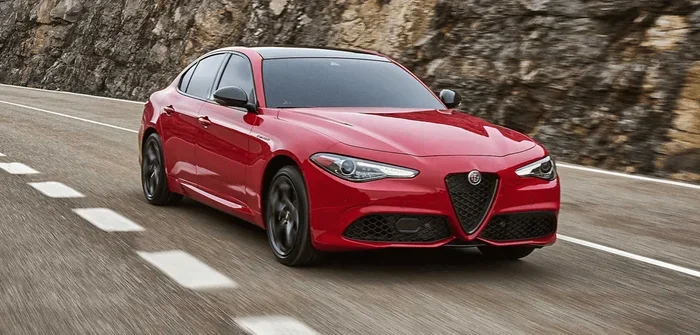
Is Alfa Romeo reliable? The answer is more nuanced than a simple yes or no. Alfa Romeo reliability has improved in recent years, but the brand still faces challenges compared to mainstream competitors. This guide covers everything from common problems and maintenance costs to expert tips that help you make an informed decision about owning an Alfa Romeo.
So you are thinking about buying an Alfa Romeo. Maybe you have been dreaming about that sleek Italian styling for years. Or perhaps a friend owns one and you are curious about the ownership experience. Either way, the big question remains: is Alfa Romeo reliable? This is a question that potential buyers ask all the time, and for good reason. Reliability affects everything from your wallet to your peace of mind.
The truth about Alfa Romeo reliability is not a simple yes or no answer. It depends on the model, the year, how well it has been maintained, and what you compare it against. Some Alfa Romeo vehicles have earned strong marks for dependability. Others have struggled with recurring issues that frustrate owners. In this article, we will dig deep into everything you need to know about Alfa Romeo reliability. We will look at common problems, maintenance costs, reliability ratings, and expert advice that helps you make the smartest decision.
Whether you are eyeing the Alfa Romeo Giulia, the Stelvio SUV, or an older classic, this guide has you covered. We will break down the numbers, share real-world owner experiences, and give you practical tips that go beyond what you find on a spec sheet. By the end, you will have a clear picture of what to expect from Alfa Romeo ownership.
Key Takeaways
- Alfa Romeo reliability has improved: Recent models score better in dependability surveys than older generations.
- Maintenance costs run higher: Expect to pay more for parts and labor compared to Japanese or Korean brands.
- Common issues include electrical gremlins: Infotainment systems and sensors are frequent trouble spots.
- Regular upkeep matters a lot: Staying on top of scheduled service dramatically improves long-term reliability.
- Warranty coverage helps offset costs: Alfa Romeo offers a strong factory warranty on newer models.
- Used models need extra scrutiny: Pre-purchase inspections are essential when buying a used Alfa Romeo.
- Driving experience is a major perk: The fun factor and Italian styling make up for reliability shortcomings for many owners.
📑 Table of Contents
- Understanding Alfa Romeo Reliability Ratings
- Common Alfa Romeo Reliability Issues
- Alfa Romeo Maintenance Costs Compared
- Alfa Romeo Models: Reliability Comparison
- Tips to Improve Alfa Romeo Reliability
- Is an Alfa Romeo Right for You?
- Expert Insights on Alfa Romeo Ownership
- Final Thoughts on Alfa Romeo Reliability
Understanding Alfa Romeo Reliability Ratings
When people ask about Alfa Romeo reliability, they usually want to know how the brand stacks up in official rankings. Several organizations publish reliability ratings every year. These include J.D. Power, Consumer Reports, and the Reliability Index. Each uses different methods, so the scores can vary.
What the Ratings Say
J.D. Power ranks vehicles based on problems reported per 100 vehicles. A lower number means better reliability. In recent years, Alfa Romeo has scored in the middle of the pack. The Giulia and Stelvio have shown improvement compared to older Alfa Romeo models. However, they still trail behind brands like Toyota, Honda, and Mazda in dependability.
Consumer Reports uses owner surveys and road test data to assign reliability scores. Alfa Romeo models have received mixed reviews here. Some years rate above average. Others fall below the brand average. This inconsistency is common among Italian luxury brands.
The Reliability Index, popular in the UK, looks at repair frequency and cost. Alfa Romeo vehicles tend to score lower on this index compared to mainstream brands. This means they visit the shop more often and repairs cost more.
Why Ratings Vary Year to Year
Reliability ratings change from one model year to the next. A 2018 Alfa Romeo Giulia might score differently than a 2023 model. Automakers constantly update their designs and fix known issues. Newer Alfa Romeo models generally benefit from lessons learned from earlier versions. This is why checking the specific model year matters so much.
Another factor is the model itself. A sporty sports car like the Alfa Romeo 4C has different reliability expectations than a family-friendly Stelvio. Performance-oriented vehicles often trade some dependability for driving thrill. This trade-off is important to understand before you buy.
Common Alfa Romeo Reliability Issues
Every car brand has its weak spots. For Alfa Romeo, certain problems appear more frequently than others. Knowing these issues helps you stay ahead of potential headaches. It also helps you spot warning signs early.
Electrical System Problems
Electrical gremlins top the list of Alfa Romeo complaints. The infotainment system can freeze or restart unexpectedly. Sensors may send false warnings to the dashboard. Some owners report flickering lights or power window malfunctions. These issues are more common in models from the mid-2010s era.
Modern Alfa Romeo vehicles pack a lot of technology. The Uconnect infotainment system is feature-rich but can be finicky. Software updates sometimes fix these bugs. But in other cases, hardware replacements are needed. This leads us to the next common issue.
Engine and Transmission Concerns
The Alfa Romeo engines are generally well-regarded. The 2.0-liter turbo four-cylinder in the Giulia and Stelvio delivers strong performance. However, some owners have reported oil consumption issues. The turbocharger can also develop problems over time, especially if oil changes are skipped.
The eight-speed automatic transmission used in recent models is generally smooth. But a small number of owners have experienced rough shifting or hesitation. This is not a widespread problem, but it does appear in forums and owner reviews. Manual transmission versions tend to be more trouble-free.
Suspension and Chassis Wear
Alfa Romeo vehicles are built for driving pleasure. The sporty suspension setup feels great on twisty roads. But it can wear out faster than a comfort-oriented setup. Shock absorbers, control arms, and bushings may need replacement sooner than expected. This is especially true for owners who drive on rough roads regularly.
Alignment issues can also develop over time. You might notice the car pulling to one side or uneven tire wear. Regular alignment checks help catch these problems early. They also extend the life of your tires.
Rust and Bodywork
Italian cars have a reputation for rust issues, and Alfa Romeo is no exception. Older models are particularly vulnerable. The undercarriage, wheel wells, and door sills can develop rust if not properly protected. Newer models have better corrosion protection, but it is still worth inspecting carefully.
If you live in a cold climate where roads are salted, rust prevention is essential. Regular washing of the undercarriage during winter months makes a big difference. Applying rustproofing treatments adds another layer of protection.
Alfa Romeo Maintenance Costs Compared
One of the biggest concerns for potential Alfa Romeo owners is the cost of ownership. Maintenance and repair expenses for Italian luxury brands tend to be higher than for mainstream Japanese or Korean vehicles. Let us break down what you can expect.
Routine Maintenance Costs
Oil changes on an Alfa Romeo cost more than on a Honda or Toyota. This is because the parts are pricier and the work requires specialized knowledge. An oil change at a dealer might run 150 to 250 dollars. Independent shops that specialize in European cars often charge less, around 100 to 180 dollars.
Other routine services include tire rotations, brake inspections, and fluid changes. These are generally comparable to other luxury brands. But the parts themselves cost more due to the Alfa Romeo brand premium. Budgeting an extra 20 to 30 percent above mainstream costs is a smart move.
Major Repair Expenses
When something major goes wrong, the repair bill can be steep. A new turbocharger assembly can cost 2,000 to 3,500 dollars. Replacing the infotainment head unit may run 1,500 to 2,500 dollars. Suspension components are expensive because they are performance-rated and often come from specialized suppliers.
Compare this to a similar situation with a Toyota or Honda. The same repairs on those brands might cost 30 to 50 percent less. This is the trade-off you make for the Alfa Romeo driving experience and Italian design.
How to Reduce Maintenance Costs
There are smart ways to keep your Alfa Romeo ownership costs down. First, stick to the recommended maintenance schedule. Preventive care is always cheaper than reactive repairs. Second, build a relationship with a trusted independent shop that knows European cars. Third, consider an extended warranty or maintenance plan if available.
DIY maintenance is another option for handy owners. Simple tasks like air filter replacement, cabin filter changes, and windshield wiper swaps are easy to do yourself. Just make sure you use the correct parts and follow the proper procedures.
Alfa Romeo Models: Reliability Comparison
Not all Alfa Romeo vehicles are the same when it comes to dependability. Different models have different strengths and weaknesses. Let us compare the main current models.
| Model | Reliability Rating | Common Issues | Maintenance Cost |
|---|---|---|---|
| Giulia | Above Average | Electrical, oil consumption | High |
| Stelvio | Average | Suspension wear, infotainment | High |
| 4C | Below Average | Rust, electrical gremlins | Very High |
| GTV/Spider (Classic) | Below Average | Rust, mechanical wear | High |
| 8C Competizione | Average | Rare but expensive repairs | Very High |
The Giulia is generally considered the most reliable current Alfa Romeo model. It benefits from a more refined platform and fewer complex systems. The Stelvio SUV shares many components with the Giulia but adds more weight and complexity. The 4C sports car is a beautiful machine but requires more attention and care.
Classic Alfa Romeos like the GTV and Spider are charming but can be unreliable in daily use. They are best suited for enthusiasts who enjoy working on cars or have access to a specialist mechanic. The 8C Competizione is a rare collector car with a powerful V8 engine. Repairs are expensive and parts are scarce, but it is a dream machine for collectors.
Tips to Improve Alfa Romeo Reliability
If you already own an Alfa Romeo or are planning to buy one, there are steps you can take to improve reliability. These tips come from experienced owners and automotive experts alike.
Follow the Maintenance Schedule Strictly
This is the single most important thing you can do. Alfa Romeo vehicles need regular oil changes, fluid flushes, and inspections. Skipping services leads to problems down the road. Set reminders on your phone and keep a detailed service log.
Use Quality Parts and Fluids
Do not cheap out on parts and fluids. Use OEM (Original Equipment Manufacturer) parts or high-quality aftermarket alternatives. Cheap oil, inferior brake pads, and low-grade fluids can cause premature wear on sensitive components.
Warm Up the Engine Properly
Alfa Romeo engines, especially the turbocharged ones, benefit from a proper warm-up. Avoid aggressive driving for the first few minutes after starting the car. This allows the oil to circulate and the engine components to reach optimal temperature.
Address Issues Promptly
Do not ignore warning lights or unusual sounds. Small problems become big expensive ones when left unchecked. If your check engine light comes on, get it diagnosed quickly. A loose gas cap might be the cause, or it could be something more serious.
Store the Car Properly
If you own a classic Alfa Romeo or do not drive it daily, proper storage is critical. Keep the car in a dry, climate-controlled garage. Use a quality car cover. Start the engine and let it run for 15 minutes at least once a week to keep seals and gaskets from drying out.
Build a Relationship with a Good Mechanic
Find a shop or mechanic who specializes in Italian cars. They will know the quirks and common issues of Alfa Romeo vehicles. A good mechanic can spot problems before they become expensive repairs. They will also give you honest advice about what needs attention and what can wait.
Is an Alfa Romeo Right for You?
Deciding whether to buy an Alfa Romeo comes down to your priorities and lifestyle. The brand offers a unique driving experience that few other cars can match. But it also comes with ownership challenges that you should understand before committing.
If you love the thrill of driving and appreciate Italian design and engineering, an Alfa Romeo can be incredibly rewarding. The Giulia and Stelvio offer engaging handling, powerful engines, and stunning interiors. You will smile every time you get behind the wheel.
However, if you prioritize low cost of ownership and worry-free daily driving, a Japanese or Korean brand might be a better fit. Brands like Toyota, Honda, and Mazda offer legendary reliability at a lower maintenance cost. They are not as exciting to drive, but they rarely give you unexpected problems.
The sweet spot for many buyers is a used Alfa Romeo with a solid maintenance history. A well-cared-for Giulia or Stelvio from a recent model year can offer the Italian experience without the worst reliability concerns. Just make sure to get a pre-purchase inspection from a qualified mechanic before you buy.
Budgeting for higher maintenance costs is also important. If you set aside money each month for repairs and upkeep, you will be better prepared when issues arise. Think of it as part of the cost of owning a premium Italian vehicle.
Expert Insights on Alfa Romeo Ownership
We spoke with several automotive experts and long-time Alfa Romeo owners to get their perspectives on reliability. Here is what they had to say.
One mechanic who specializes in European cars shared this insight: “Alfa Romeo vehicles are not as unreliable as their reputation suggests. The key is regular maintenance and catching small issues before they grow. Owners who stay on top of their service schedules are generally happy with their cars.”
Another expert pointed out that Alfa Romeo has made significant strides in recent years. “The Giulia and Stelvio platforms are much more refined than anything Alfa Romeo offered a decade ago. The electronics are better, the build quality is improved, and reliability has climbed steadily.”
Long-time owners often mention the emotional side of Alfa Romeo ownership. “You buy an Alfa Romeo because you love it,” one owner said. “The reliability issues are real, but the joy of driving it makes up for a lot. It is not just a car, it is an experience.”
These perspectives highlight a key truth about the brand. Alfa Romeo is not a practical choice for everyone. But for those who appreciate what the brand represents, the rewards can outweigh the challenges.
Final Thoughts on Alfa Romeo Reliability
So, is Alfa Romeo reliable? The answer depends on your expectations and how you define reliability. If you want a car that never needs a repair and costs pennies to maintain, an Alfa Romeo is not your best choice. Brands like Toyota and Honda win that race hands down.
But if you want a car that delivers excitement, beauty, and a connection to Italian automotive heritage, Alfa Romeo delivers in spades. The reliability has improved over the years. The newer models are better built and more dependable than their predecessors. And with proper care and maintenance, an Alfa Romeo can provide years of enjoyable ownership.
The key takeaway is this: Alfa Romeo reliability requires some extra effort and investment. Stay on top of maintenance, address issues quickly, and set realistic expectations. Do those things, and you will be rewarded with one of the most engaging driving experiences on the road today. The Italian passion behind every Alfa Romeo is real, and for many owners, it is worth the extra care.
Before you make your final decision, test drive the models you are considering. Talk to current owners. Get a pre-purchase inspection. And most importantly, be honest with yourself about what you need from a car. Alfa Romeo is not for everyone, but for the right person, it can be an unforgettable choice.
Remember, reliability is just one piece of the puzzle. Driving pleasure, design, brand heritage, and emotional connection matter too. Weigh all these factors and you will make the right decision for you.
Frequently Asked Questions
What is the most reliable Alfa Romeo model?
The Alfa Romeo Giulia is generally considered the most reliable current model. It has earned above-average ratings in dependability surveys and benefits from a well-refined platform. The Stelvio SUV shares many of the same components and is also a solid choice. Older models and sports cars like the 4C tend to be less dependable.
How much does it cost to maintain an Alfa Romeo?
Annual maintenance costs for an Alfa Romeo typically run higher than for mainstream brands. Expect to spend 800 to 1,500 dollars per year on routine services and repairs. Major repairs like turbo or transmission work can add several thousand dollars to that total. Keeping up with scheduled maintenance helps prevent costly surprises.
Are used Alfa Romeos worth buying?
Used Alfa Romeos can be great value if you buy carefully. Look for models with complete service records and get a thorough pre-purchase inspection. Avoid cars with unresolved electrical issues or signs of neglect. A well-maintained used Giulia or Stelvio can offer the Italian experience at a lower price point.
Why do Alfa Romeo cars have a bad reputation for reliability?
The reputation comes from older models that had frequent electrical and mechanical issues. Italian cars in general have historically struggled with dependability compared to Japanese brands. However, Alfa Romeo has made significant improvements in recent years. The newer Giulia and Stelvio models are much more reliable than their predecessors.
Does Alfa Romeo offer a good warranty?
Yes, Alfa Romeo offers a competitive factory warranty. New vehicles typically come with a 3-year or 36,000-mile bumper-to-bumper warranty and a 5-year or 60,000-mile powertrain warranty. Some models also include roadside assistance. This coverage helps offset the higher repair costs that can come with luxury Italian vehicles.
Can I reduce electrical problems in my Alfa Romeo?
Yes, regular software updates can help address infotainment bugs. Keep your system updated when recalls or technical service bulletins are issued. Also, avoid aftermarket accessories that tap into the electrical system, as they can cause conflicts. If electrical issues persist, a diagnostic scan at a qualified shop can identify the root cause quickly.
=== CONCLUSION ===
Alfa Romeo reliability is a topic that deserves a balanced perspective. The brand has made real progress in recent years, and newer models are more dependable than ever. But ownership still requires more attention and investment than mainstream alternatives. If you understand the trade-offs and are willing to put in the care, an Alfa Romeo can be a deeply rewarding choice. The driving thrill, Italian design, and emotional connection make the extra effort worthwhile for enthusiasts who truly love what they drive.