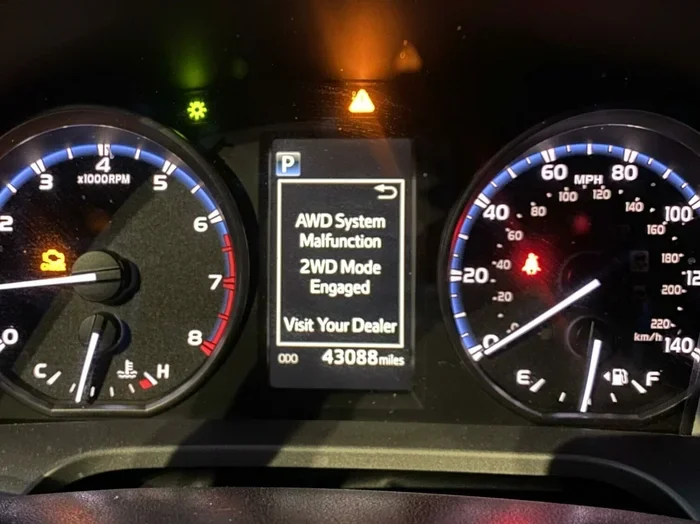
Is It OK to Drive With an AWD Malfunction Warning
Driving with an AWD Malfunction Warning is risky and can lead to serious damage to your vehicle. This article breaks down the risks, common causes, and safe steps to take when the light comes on. You’ll learn exactly when it’s okay to keep driving and when you need a tow.
Have you ever seen that little light on your dashboard that says AWD Malfunction Warning? It can be really scary. You might be driving to work or on a road trip, and suddenly that yellow or red light pops up. Your first thought is probably, “Can I keep driving?” The short answer is: it depends, but you should be very careful. This guide explains what the light means, when it is safe to keep driving, and what you must do right away. I’ll walk you through the risks, the most common causes, and the exact steps to take. By the end, you’ll know exactly how to protect your car and your wallet.
The AWD Malfunction Warning is not just a silly dashboard symbol. It is your vehicle’s way of telling you that something is wrong with the all-wheel drive system. Modern cars use complex electronics and hydraulics to send power to all four wheels. When that system fails, you can lose traction, especially on wet or icy roads. Ignoring the light can turn a small repair into a very expensive one. So, let’s dive in and learn what you should do.
Key Takeaways
- Never ignore the AWD Malfunction Warning: Driving with it can cause costly drivetrain damage.
- Short, low-speed trips may be safe: Only if the light is steady and you have no other symptoms.
- Common causes include low fluid, sensor faults, and worn components: All need professional attention.
- Immediate checks can prevent breakdowns: Check fluid levels and listen for unusual noises.
- Repair costs vary widely: From a simple fluid top-up to a full transfer case replacement.
- When in doubt, call a tow truck: It’s cheaper than a blown drivetrain.
📑 Table of Contents
What Does an AWD Malfunction Warning Mean?
The AWD Malfunction Warning light means the car’s computer has detected a problem in the all-wheel drive system. Your vehicle uses sensors to monitor wheel speed, steering angle, and yaw rate. If the system cannot distribute power correctly, it triggers the light. This is a protection mode. The car is trying to prevent further damage.
How the AWD System Works
In a normal AWD system, a center differential or transfer case sends power to both the front and rear axles. Sensors detect when one set of wheels starts to slip. The system then sends more torque to the wheels with grip. This gives you better traction control and stability. When a component fails, that balance is lost.
Why the Warning Light Activates
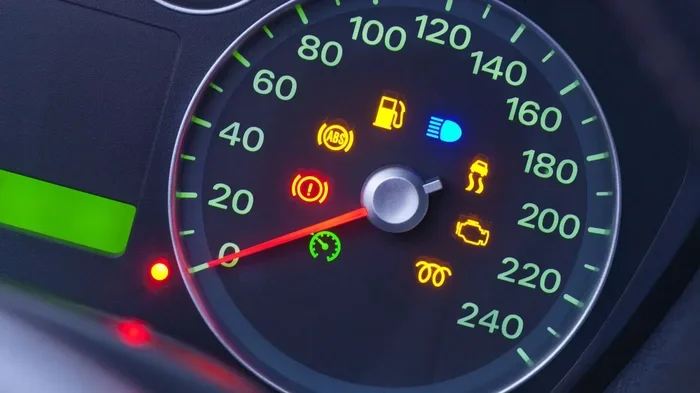
The light can come on for many reasons. Sometimes it’s a simple sensor fault. Other times, it’s a mechanical failure. The dashboard indicator will usually stay solid or flash. A flashing light often means a more urgent problem. Either way, you should not ignore it.
Quick Tip: If the AWD Malfunction Warning light flashes, pull over safely and turn off the engine. Check for any leaking fluids underneath the car.
Can You Safely Drive With the AWD Malfunction Light On?
This is the most common question. The answer is not a simple yes or no. It depends on your driving conditions and what else is happening with the car. Let’s break it down.
Short-Distance Driving: When It Might Be Okay
If the light is steady and you are on a dry, flat road, you might be able to drive a short distance to a safe spot. Keep your speed low, under 30 mph. Avoid sharp turns. The AWD system may still be partially working, but you are relying more on the front or rear wheels only. This is not ideal, but it can get you off a highway shoulder.
Highway Driving: The Real Risks
Do not drive on the highway with an active AWD Malfunction Warning. At high speeds, a sudden loss of traction can be very dangerous. The car might understeer or oversteer. You could lose control. If you are already on the highway, exit at the next safe opportunity and call for help.
Weather Conditions That Make It Dangerous
Rain, snow, and ice make the risk much higher. A working AWD system helps you accelerate and corner safely. Without it, your wheels can spin or slide. Even a short trip to the grocery store can become a hazard. Always choose a tow truck in bad weather.
Expert Insight: “I’ve seen drivers try to ‘limp’ a car with an AWD light on for miles. That almost always leads to a destroyed transfer case. It’s just not worth the gamble.” – Senior Automotive Technician
Common Causes of an AWD Malfunction Warning
Understanding the root cause helps you know what to expect. Here are the most frequent reasons the AWD Malfunction Warning appears.
Sensor and Electrical Issues
The AWD system relies on many sensors. Wheel speed sensors, steering angle sensors, and yaw rate sensors all feed data to the computer. A dirty sensor or a wiring problem can send false signals. This often triggers the light even if the mechanical parts are fine. Electrical issues are the easiest to fix, but they must be diagnosed properly.
Low Fluid Levels and Leaks
Your drivetrain needs special fluid to work. The transfer case and front and rear differentials all have their own fluid. A leak can cause low fluid pressure. When pressure drops, the AWD system cannot engage correctly. You might hear a whining noise or feel a shudder. Check the fluid levels if you see the warning light.
Worn Drivetrain Components
Over time, parts wear out. The transfer case, front differential, and rear differential all have bearings and gears. When these fail, the system can’t distribute torque. A worn viscous coupling or a damaged locking differential will also cause the light to come on. These repairs are more involved.
Software and Module Glitches
Modern cars have complex computers. Sometimes a software error or a dead control module can trigger the light. A simple reset or update might fix it. But a mechanic needs to scan the system first to rule out real problems.
Quick Tip: If you just had work done on your car and the light appeared, ask the shop to re-check their work. A loose connector or a forgotten bolt can easily cause an AWD Malfunction Warning.
Comparison Table: Common Causes and Symptoms
| Cause | Common Symptom | Urgency |
|---|---|---|
| Sensor fault | Light comes and goes | Low – get it checked soon |
| Low fluid | Whining noise, shudder | Medium – check fluid now |
| Worn differential | Vibration at speed | High – stop driving |
| Transfer case failure | Grinding, cannot shift | Critical – tow immediately |
| Module glitch | Light stays on after restart | Medium – scan for codes |
What Happens If You Ignore the AWD Warning?
Some drivers try to tough it out. They think the light will go away on its own. That is a big mistake. Ignoring the AWD Malfunction Warning can lead to a chain of problems.
Damage to the Transfer Case
The transfer case is the heart of the AWD system. It sends power to the front and rear axles. If it fails because of low fluid or a worn chain, the repair cost jumps from a few hundred dollars to over a thousand. In some cases, you need a full replacement.
Reduced Traction and Safety Hazards
Without a working AWD system, your car behaves like a two-wheel drive vehicle. On slippery roads, this can cause accidents. You might not be able to accelerate out of a snowy driveway or take a curve safely. Road safety should always be your top priority.
Escalating Repair Costs
A small problem like a $50 sensor can become a $1,500 repair if you keep driving. The drivetrain parts are all connected. When one fails, the others work harder and wear out faster. Fixing the issue early saves you a lot of money.
Common Mistake: “I’ll just reset the light with a scanner and keep driving.” Resetting the light does not fix the problem. The computer will just turn the light back on once the fault returns.
Step-by-Step: What to Do When the AWD Light Comes On
Knowing the right steps can save you time and money. Here is a simple plan to follow.
Immediate Checks You Can Do
- Pull over safely. Turn on your hazard lights.
- Check the fluid. Look under the car for any red or brown leaks. Also check the transfer case fluid level if you know how.
- Listen for noises. Do you hear grinding, whining, or clunking? These are signs of mechanical failure.
- Check the dashboard. Are there other warning lights? A check engine light or oil pressure light means you should stop completely.
When to Call a Mechanic
If the light stays on after a restart, call a trusted mechanic. Do not try to drive far. Ask them to hook up a diagnostic scanner. They can read the trouble codes and pinpoint the issue. Many shops will do this for free.
Temporary Fixes That Might Help
Sometimes the light comes on because of a temporary electrical glitch. Turning the car off and back on might reset the system. If the light goes off and stays off, you can drive carefully to a shop. But if it returns, do not ignore it again.
Expert Insight: “Keep a basic OBD2 scanner in your glove box. It costs under $30 and can tell you if the AWD Malfunction Warning is caused by a simple sensor fault or something serious.” – Automotive Engineer
How Much Does It Cost to Fix an AWD Malfunction?
Repair costs vary a lot depending on the cause. Here is a rough guide to help you budget.
Typical Repair Costs by Cause
| Cause | Average Cost | DIY or Pro |
|---|---|---|
| Sensor replacement | $100 – $300 | Pro (needs calibration) |
| Fluid change and leak repair | $150 – $400 | DIY if you have tools |
| Transfer case repair | $800 – $2,500 | Pro |
| Differential rebuild | $1,000 – $3,000 | Pro |
| Control module replacement | $500 – $1,200 | Pro |
DIY vs. Professional Repair
Simple fluid changes or sensor cleaning can be DIY jobs. But most AWD system repairs require special tools and knowledge. A professional mechanic can also update the software and test the system on a lift. For driving safety, it’s usually worth the investment.
Conclusion
So, is it okay to drive with an AWD Malfunction Warning? The safest answer is no. The light means your drivetrain needs attention. You can sometimes drive a short distance on dry roads, but it’s a risk. The best approach is to get a proper diagnosis and fix the problem quickly. Ignoring the warning can lead to dangerous situations and huge repair bills. Take care of your car, and it will take care of you on the road.
Remember, a few hundred dollars spent on a repair today can save you thousands tomorrow. Keep your AWD system healthy, and you’ll enjoy better traction control and peace of mind. Drive safe, and don’t be shy about getting help when that light comes on.
Frequently Asked Questions
What does the AWD Malfunction Warning light look like?
The light usually shows the words “AWD” or an image of a car with all wheels glowing. It can be yellow or red. A steady yellow light means a warning, while a flashing or red light means you should stop driving immediately.
Can I reset the AWD Malfunction Warning light myself?
You can use an OBD2 scanner to clear the code, but that does not fix the problem. The light will likely come back once the fault returns. Always find and repair the root cause first.
Is it safe to drive in the rain with the AWD light on?
No. Rain reduces tire grip, and a malfunctioning AWD system cannot help you maintain traction. The risk of sliding or losing control is much higher. Call a tow truck if you must move the car.
How much does it cost to diagnose an AWD warning light?
Most repair shops will read the diagnostic codes for free or for a small fee, usually under $100. This is the best first step to understand what is wrong with your drivetrain.
What is the difference between AWD and 4WD malfunction lights?
AWD stands for all-wheel drive and is always active. 4WD stands for four-wheel drive and is usually driver-activated. The lights and underlying systems are different, but both indicate a problem with power distribution to the wheels.
Can low fuel cause an AWD Malfunction Warning?
No, low fuel does not directly cause the light. However, if the fuel pump fails or the car stalls, the electrical system can glitch. The AWD system might then throw a temporary fault code. Keeping your fuel tank at least a quarter full helps avoid electrical issues.