Is My Car Equipped With Remote Start And How To Tell
Finding out if your car has a remote start system is easier than you think. You can check your key fob, look at the dashboard, or flip through your owner’s manual. Whether your vehicle came with a factory remote start or needs an aftermarket remote start setup, knowing what you have saves time and money. This guide walks you through every method to identify your car’s remote start features and what to do next.
Have you ever stood outside your car on a freezing morning and wished you could just press a button to warm it up? Or maybe you’ve seen someone else do it and thought, “I wish my car could do that.” The good news is that remote start technology has become incredibly common in modern vehicles. But here’s the thing — not every car comes with it from the factory. And even if yours does, you might not realize it.
So, is my car equipped with remote start? That’s the question we’re going to answer today. We’ll walk you through every simple method to find out. Whether you’re checking a newer sedan or an older SUV, this guide covers it all. By the end, you’ll know exactly what your car can do and how to get remote start if it doesn’t.
Let’s be honest — figuring out your car’s features can feel confusing. There are buttons, symbols, manuals, and online forums throwing conflicting advice at you. But it doesn’t have to be that way. We’ve broken everything down into clear, easy steps. No jargon. No guesswork. Just straightforward answers you can use right away.
Key Takeaways
- Check your key fob: The shape and buttons on your remote tell you a lot about remote start capability.
- Read the owner’s manual: This is the most reliable way to confirm if your car has a remote start system.
- Look at the dashboard: Certain indicators and button layouts suggest remote start compatibility.
- Factory vs. aftermarket: Some cars come with factory remote start built in, while others need a professional remote start installation.
- Check the VIN: Your vehicle identification number can reveal original equipment features.
- Aftermarket options exist: If your car lacks remote start, adding one is straightforward and affordable.
📑 Table of Contents
- What Is a Remote Start System?
- How to Tell if Your Car Has Remote Start
- Factory Remote Start vs. Aftermarket Remote Start
- Common Signs Your Car Might Not Have Remote Start
- What to Do If Your Car Doesn’t Have Remote Start
- Common Mistakes People Make When Checking for Remote Start
- Expert Insights on Remote Start Technology
- Frequently Asked Questions
- Final Thoughts
What Is a Remote Start System?
Before we dive into how to tell if your car has one, let’s quickly cover what a remote start system actually does. In simple terms, it lets you start your car’s engine from a distance using a key fob or a smartphone app. You press a button, and the engine turns on. Your climate control system kicks in too, so the car is warm or cool by the time you get inside.
Most remote start systems work within a range of about 500 to 1,000 feet. Some advanced smart key systems can even start the car from your phone, no matter where you are. This technology is especially popular in cold climates and hot regions where people want to manage their cabin temperature before driving.
How Remote Start Works
Here’s a quick look at the basic process. When you press the remote start button on your key fob, a signal goes to the car’s ignition system. The engine fires up, but the car stays locked. The doors won’t open until you insert the physical key or press the push button start inside. This safety feature keeps your vehicle secure while it idles.
Some systems also activate the heated seats, fan, or defroster automatically. This is a huge comfort feature, especially during winter months. If you’ve ever climbed into a freezing car, you know exactly why this matters.
How to Tell if Your Car Has Remote Start
Now for the part you’ve been waiting for. There are several reliable ways to find out if your car already has a remote start system. You don’t need to be a mechanic. You don’t need special tools. Just follow these steps in order, and you’ll have your answer.
Method 1: Check Your Key Fob
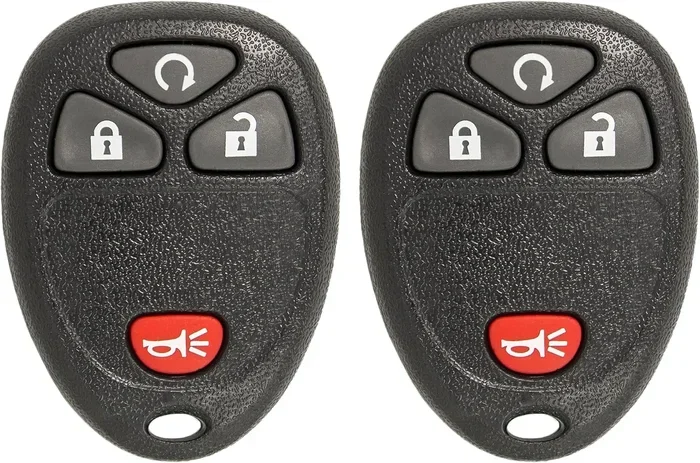
The key fob is often the biggest clue. If your car came with remote start, the remote likely has a specific button. Look for a circular arrow symbol or a button that says “Remote” or “Start.” On some models, you need to press the lock button first, then press and hold the remote start button within a few seconds.
Here’s what to look for on your fob:
- A dedicated remote start button — usually marked with a circular arrow or the word “remote.”
- A extra button beyond the standard lock, unlock, and trunk buttons.
- A different fob shape compared to basic keyless entry remotes.
If your fob only has lock, unlock, and maybe a panic button, your car might not have factory remote start. But don’t jump to conclusions yet — check the other methods below.
Method 2: Read the Owner’s Manual
This is the most foolproof method. Your owner’s manual lists every feature your car was built with. Flip to the index and look for “remote start,” “remote engine start,” or “remote starter.” If it’s there, the manual will explain exactly how to use it.
Don’t have the physical manual anymore? No problem. Most manufacturers post digital versions on their websites. Just search for your car’s year, make, and model, followed by “owner’s manual PDF.” You can also call your dealer with your vehicle identification number and ask them directly.
Method 3: Inspect the Dashboard and Steering Column
Take a close look at your dashboard and steering column. Cars with factory remote start often have a specific button or switch near the steering wheel. On some vehicles, it’s located near the engine start button or on the left side of the steering column.
You might also notice a small LED light on the dashboard that flashes when the remote start system is active. This is a subtle indicator that many people miss. Look for any symbols or lights that don’t match the standard gauges and warning lights.
Method 4: Use Your VIN to Check Factory Options
Your vehicle identification number is like a fingerprint for your car. Every digit and letter tells a story about what your car was built with. You can use your VIN to look up the original factory options.
Here’s how to do it:
- Find your VIN on the driver’s side dashboard or door jamb.
- Visit your car manufacturer’s website or a free VIN decoder online.
- Look for the “equipment” or “options” section.
- Search for “remote start” or “remote engine start.”
This method works especially well for newer vehicles. For older cars, you might need to contact the dealer directly with your VIN. They can pull up the original build sheet and tell you exactly what was included.
Method 5: Look for Aftermarket Remote Start Signs
Sometimes a car doesn’t come with remote start from the factory, but a previous owner added one. If that’s the case, you’ll notice some telltale signs. Look under the dashboard for extra wiring or a small module that doesn’t match the original factory parts. You might also see a second remote start adapter connected to the ignition system.
Another sign is a different-shaped key fob that doesn’t match the original one that came with the car. Aftermarket remote starter systems often come with their own remotes that look slightly different from the factory fob.
Factory Remote Start vs. Aftermarket Remote Start
Understanding the difference between factory remote start and aftermarket remote start is important. Each option has its own benefits and limitations. Here’s a quick comparison to help you understand what you might have or what you might want to add.
| Feature | Factory Remote Start | Aftermarket Remote Start |
|---|---|---|
| Installation | Built in at the factory | Added by a professional installer |
| Cost | Included in the car’s price | $200 to $500 for the system |
| Compatibility | Perfectly matched to your car | May require a remote start adapter |
| Smartphone Control | Available on some newer models | Available with upgraded systems |
| Warranty Impact | No effect | May void certain warranties if installed poorly |
| Reliability | Highest — designed for your car | Varies by brand and installer quality |
Factory remote start is the gold standard. It integrates seamlessly with your car’s security system and climate control. Everything works exactly as the engineers intended. If your car has it, you’re in great shape.
Aftermarket remote start systems have come a long way, though. Modern remote starter kits are much more reliable than they used to be. Many offer smartphone connectivity, two-way communication, and even GPS tracking. The key is choosing a reputable brand and having it installed by a certified professional.
Quick Tips: Choosing the Right Remote Start System
- Check vehicle compatibility before buying any system.
- Read reviews from other car owners with the same make and model.
- Ask your dealer if your car can support a factory retrofit remote start.
- Go with a trusted brand like Compustar, DroneMobile, or Viper.
- Get professional installation to avoid wiring mistakes and warranty issues.
Common Signs Your Car Might Not Have Remote Start
Sometimes the absence of remote start is obvious. But other times, it’s easy to miss the signs. Here are some common indicators that your car doesn’t have this feature built in.
Your Key Fob Only Has Basic Buttons
If your key fob has exactly four buttons — lock, unlock, trunk, and panic — there’s a good chance your car doesn’t have remote start. Most factory-equipped remotes include at least one additional button specifically for remote engine start.
The Owner’s Manual Doesn’t Mention It
If you’ve checked the manual thoroughly and there’s no mention of remote engine start, your car probably doesn’t have it. Some manuals do include information about aftermarket options, which is a clue that the feature wasn’t factory-installed.
No Dedicated Button on the Dash
Cars with factory remote start almost always have a dedicated button somewhere on the dash or steering column. If you’ve looked everywhere and found nothing, that’s a strong sign your car wasn’t built with this feature.
Your Car Has a Manual Transmission
Here’s something many people don’t know. Remote start systems are much less common on manual transmission vehicles. Most factory remote start adapters are designed for automatic transmissions. If you drive a manual, you may need a specialized system — or you might need to consider an aftermarket remote start option designed for stick shifts.
What to Do If Your Car Doesn’t Have Remote Start
Don’t worry if your car doesn’t come with remote start. Adding this feature is more accessible than ever. There are several paths you can take, and each has its own advantages.
Option 1: Install an Aftermarket Remote Start System
This is the most popular route. A professional installer can add a remote start system to almost any car. The process typically takes a few hours and involves connecting the remote starter to your car’s ignition system and security system.
Here’s what to expect during remote start installation:
- The installer will access your car’s wiring harness.
- A remote start adapter module gets connected to the ignition and starter circuits.
- The new key fob or smartphone interface gets paired with the system.
- The system gets tested to ensure everything works safely.
Cost usually ranges from $200 to $500 for the system and installation. Higher-end systems with smartphone app control may cost more, but they also offer more features and better range.
Option 2: Check for a Factory Retrofit
Some car manufacturers offer factory retrofit packages that add remote start to vehicles that didn’t originally have it. This is especially common with luxury brands like BMW, Mercedes-Benz, and Audi. Check with your dealer to see if a retrofit is available for your specific model.
The benefit of a factory retrofit is that everything integrates perfectly with your car’s existing systems. There’s no worry about warranty issues or compatibility problems. The downside is that it can be more expensive than an aftermarket option.
Option 3: Use a Smart Phone App
If your car has a smart key system or connects to a manufacturer’s app, you might already have limited remote capabilities. Some cars allow you to turn on the climate control or lock the doors through a phone app, even if they don’t offer full remote engine start.
Apps like Tesla’s mobile app, FordPass, and myChevrolet offer various levels of remote control. Check what’s available for your specific vehicle. You might be surprised at what your phone can already do.
Common Mistakes People Make When Checking for Remote Start
Avoid these common pitfalls that trip up car owners when trying to determine if their vehicle has remote start.
Assuming All Key Fobs Are the Same
Not every key fob looks the same, and not every remote start button is obvious. Some manufacturers hide the remote start function behind a sequence of button presses. Don’t assume your car lacks the feature just because you can’t find an obvious button.
Confusing Keyless Entry With Remote Start
Keyless entry and remote start are two different features. Keyless entry lets you unlock the doors without pressing a button on the fob. Remote start actually starts the engine. Just because your car has one doesn’t mean it has the other.
Overlooking the Owner’s Manual
Many people skip the manual entirely. But the owner’s manual is the single most accurate source of information about your car’s features. If you want a definitive answer, this is where you should look first.
Ignoring the VIN Decode
Your VIN holds all the information about what your car was originally built with. Skipping a VIN check means you might miss important details about your vehicle’s original equipment. Take five minutes to run a free VIN decode online — it could save you a lot of confusion.
Expert Insights on Remote Start Technology
Automotive experts agree that remote start systems have evolved dramatically over the past decade. What used to be a luxury add-on is now a standard feature on many mid-range and premium vehicles. Here’s what industry professionals want you to know.
“The biggest shift we’ve seen is the move toward smartphone-based remote start control,” says automotive technology analyst Mark Jensen. “Many newer vehicles don’t even use a traditional key fob for remote start anymore. Instead, they rely on a phone app that communicates directly with the car’s security system.”
Experts also emphasize the importance of professional remote start installation. “DIY kits are available, but they can be risky,” Jensen warns. “Improper installation can damage your ignition system or interfere with your car’s transponder key technology. Always go with a certified installer if you’re adding remote start to your vehicle.”
Another expert tip from certified automotive technician Sarah Lin: “Always check your vehicle compatibility before purchasing any remote start adapter. Not every system works with every car. Match the system to your specific year, make, model, and engine type for the best results.”
Frequently Asked Questions
Can I add remote start to any car?
Most cars can support an aftermarket remote start system, but compatibility varies. Automatic transmission vehicles are generally easier to retrofit. Manual transmission cars may need a specialized system. The best approach is to check with a professional installer who can assess your specific vehicle’s wiring harness and ignition system compatibility.
Does remote start void my car’s warranty?
It depends. If you use a factory remote start feature, it won’t affect your warranty. However, aftermarket remote start installation can potentially void parts of your warranty if it causes damage or interferes with other systems. Always have remote start installation done by a certified professional and check with your dealer about warranty implications before proceeding.
How far can I start my car with remote start?
Most factory remote start systems work within a range of 500 to 1,000 feet. Aftermarket systems vary widely, with basic models offering around 500 feet and premium systems reaching up to 3,000 feet or more. Smartphone-based remote starter systems can work from anywhere with cellular or WiFi connectivity, effectively giving you unlimited range.
Is remote start bad for my engine?
No, remote start is not bad for your engine when used properly. Modern engines are designed to handle idling, and the remote start system automatically shuts off after a set period, usually 10 to 15 minutes. In cold weather, letting the engine warm up briefly before driving can actually reduce wear on internal components. Just don’t leave your car idling for hours at a time.
How much does it cost to install a remote start system?
The cost of remote start installation typically ranges from $200 to $500 for a basic aftermarket system. Premium systems with smartphone connectivity and two-way communication can cost $500 to $1,000 or more. Factory remote start is included in the car’s purchase price, so there’s no additional installation cost. Always get quotes from multiple certified installers to find the best value.
Can I install a remote start system myself?
While DIY remote start kits are available, professional installation is strongly recommended. The installation involves working with your car’s electrical system, ignition wiring, and security system. Mistakes can lead to electrical problems, warranty issues, or even security vulnerabilities. A certified installer ensures everything is connected safely and works correctly with your car’s transponder key technology.
Final Thoughts
So, is my car equipped with remote start? Now you have all the tools to find out for yourself. Whether you check the key fob, read the owner’s manual, decode your VIN, or inspect the dashboard, you can get a definitive answer without any guesswork.
If your car already has factory remote start, you’re ahead of the game. Enjoy the comfort and convenience it provides every day. If it doesn’t, you now know exactly what your options are. Adding an aftermarket remote start system is a practical upgrade that can make your daily routine more comfortable, especially during extreme weather.
The key takeaway is this: remote start technology is widely available and easier to add than ever before. Don’t let another freezing morning catch you off guard. Take a few minutes today to check your car, and if it doesn’t have remote start, explore your options. Your future self — standing in a warm car on a cold morning — will thank you.
Remember, every vehicle is different, and the best approach depends on your specific car, budget, and needs. Use the methods in this guide to make an informed decision. And if you’re ever in doubt, your dealer or a trusted automotive professional can provide personalized guidance based on your car’s make, model, and year.