Metallized Auto Tint: Pros and Cons You Should Know
Metallized auto tint is a popular window tint film choice for car owners who want heat rejection, UV protection, and a sleek metallic finish. It blocks solar heat effectively and adds a stylish look to any vehicle. However, it can cause signal interference with GPS, phone, and radio systems. This guide breaks down every advantage and disadvantage so you can make a smart choice for your auto tinting project.
Have you ever sat in a hot car and wished you could just melt the heat away? You are not alone. Every summer, millions of drivers deal with scorching steering wheels, foggy windows, and fading dashboards. That is where metallized auto tint comes in. It has become one of the most talked-about window tint film options on the market today.
But here is the thing. Not all tints are created equal. Some block heat really well but mess with your phone signal. Others look great but fade after a year. Metallized auto tint sits in a sweet spot between performance and price. It offers real benefits that many other tints simply cannot match. At the same time, it comes with some drawbacks that you need to know about before you commit.
In this article, we are going deep into the world of car tinting. We will look at what makes metallized tint different from other types. We will walk through every advantage and disadvantage in detail. By the end, you will have everything you need to decide if metallized auto tint is the right choice for your vehicle. Let us get into it.
Key Takeaways
- Superior Heat Rejection: Metallized auto tint blocks a high percentage of solar heat, keeping your car cooler in summer.
- Strong UV Protection: It shields your skin and car interior from harmful UV rays that cause fading and skin damage.
- Signal Interference Risk: The metal particles in the film can disrupt GPS, cell phone, and radio signals.
- Durable and Scratch-Resistant: Metallized films tend to be stronger than standard dye-based tints.
- Cost Factor: It is typically more expensive than basic dye tints but more affordable than ceramic options.
- Not Legal Everywhere: Tint laws vary by state and country, so check local regulations before installing.
- Professional Installation Recommended: For best results and bubble-free application, hire a pro rather than going DIY.
📑 Table of Contents
What Is Metallized Auto Tint?
Before we talk about pros and cons, let us understand what metallized auto tint actually is. This type of window tint film contains tiny metallic particles embedded in the film layers. These particles are what give the tint its signature shiny, reflective look. When light hits the window, the metal layer reflects a portion of it away from the car.
Unlike basic dye tints that simply absorb heat, metallized auto tinting works by both reflecting and absorbing solar energy. This makes it a more effective heat rejection solution. The metal layer also adds structural strength to the film, making it more durable than standard options.
There are different grades of metallized tint available. Some use a heavier metal concentration for maximum performance. Others use a lighter layer for a more subtle look. The shade and darkness level can also vary widely. You can find tint shade options ranging from light privacy tints to very dark, almost mirror-like finishes.
How It Differs from Other Tint Types
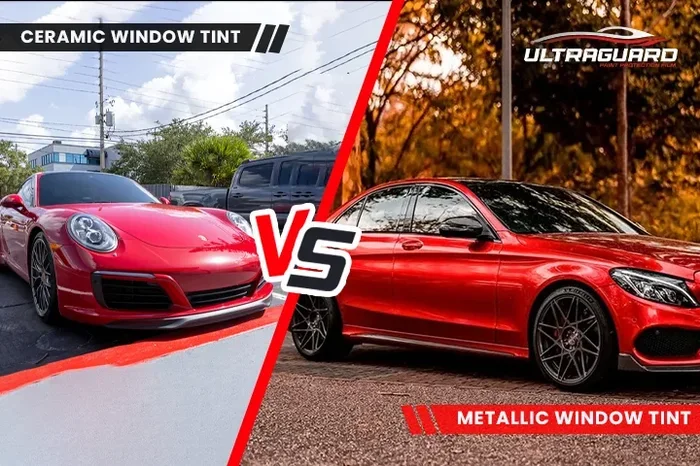
To really appreciate metallized auto tint, it helps to compare it with other popular options. The three main types of car tint are dye-based, metallized, and ceramic. Dye tints are the most affordable. They absorb heat but do not reflect it very well. Ceramic tints are the premium choice. They offer excellent performance without any signal interference. Metallized tint falls right in the middle. It gives you better performance than dye tints at a lower price than ceramic.
Top Advantages of Metallized Auto Tint
So why do so many car owners choose metallized auto tint? There are some really compelling reasons. Let us break down the biggest benefits.
Excellent Heat Rejection
The number one reason people tint their cars is to beat the heat. Metallized auto tint excels at this. The metallic layer reflects a large portion of solar energy before it enters your car. This means your interior stays significantly cooler, even on the hottest days. Studies show that quality metallized films can reject up to 70 percent or more of solar heat. That is a huge difference compared to untinted windows.
Think about what this means for your daily drive. You get in the car after it has been sitting in the sun. Instead of burning your hands on the steering wheel, you can touch it comfortably. Your air conditioning system does not have to work as hard either. This can even improve fuel efficiency over time.
Superior UV Protection
Ultraviolet rays are invisible but they are very real and very harmful. Prolonged exposure to UV rays can cause skin damage and increase the risk of skin cancer. It can also fade your dashboard, seats, and other interior surfaces over time. Metallized auto tint blocks up to 99 percent of UV radiation. This gives you and your passengers serious UV protection on every drive.
This is especially important for people who spend a lot of time driving. Delivery drivers, rideshare operators, and commuters all benefit greatly from the added layer of protection. Your car interior also lasts longer when it is shielded from UV damage.
Enhanced Privacy and Security
One of the most popular reasons for auto tinting is privacy. Metallized auto tint creates a reflective surface on the outside of your windows. This makes it very difficult for people to see inside your car. It adds a layer of security for your belongings, especially if you often leave items in your vehicle.
The reflective finish also gives your car a sleek, polished look. Many drivers love the cosmetic appearance that metallized tint provides. It can make even an older vehicle look more refined and put-together.
Durability and Scratch Resistance
Not all tint films are built the same way. Basic dye tints tend to fade, bubble, and scratch easily. Metallized auto tint is a different story. The metal particles in the film add a layer of hardness that makes it more resistant to scratches and everyday wear. This means your tint stays looking good for a longer period of time.
Most metallized films come with a manufacturer warranty. Many last between five and ten years with proper care. This durability makes the investment worthwhile for most car owners.
Reduced Glare
Driving with too much sunlight or headlight glare can be dangerous. It strains your eyes and makes it harder to focus on the road. Metallized auto tint reduces glare significantly. The reflective metal layer bounces away excess light before it reaches your eyes. This improves driving comfort and safety, especially during sunrise and sunset drives.
Disadvantages of Metallized Auto Tint
Now let us look at the other side of the coin. Metallized auto tint is not perfect. There are some real downsides you should consider before making your decision.
Signal Interference with Electronics
This is the biggest drawback of metallized tint, and it is the one most people do not expect. Because the film contains metal particles, it can interfere with electronic signals. This includes GPS navigation, cell phone reception, radio frequencies, and even keyless entry systems. If you rely heavily on your phone or GPS while driving, this can be a real frustration.
The degree of interference depends on the thickness of the metal layer and your specific vehicle. Some cars experience minimal issues. Others see a noticeable drop in signal strength. This is the main reason many experts recommend ceramic tint for drivers who depend on electronic devices. If you live in an area with weak cell service, this could be a dealbreaker for you.
Higher Cost Compared to Dye Tint
Metallized auto tint costs more than basic dye-based films. The metal particles add to the manufacturing cost. On average, you can expect to pay between $100 and $400 per window for professional installation. For a full car, the total cost can range from $200 to $800 or more. This is still less than ceramic tint, but it is a significant investment compared to dye options.
However, you should think of this as a long-term investment. The durability and performance of metallized tint mean you will not need to replace it as often as cheaper options. Over time, the cost per year of use can actually be quite reasonable.
Not Legal in All Areas
Every state and country has its own tint shade laws. These laws specify how dark your tint can be and how much light it must let through. In some areas, metallized tint may be restricted or even banned entirely. Before you install any kind of tint, you need to check your local regulations. Getting caught with illegal tint can result in fines and even mandatory removal.
Some states allow tint on the front side windows but restrict the rear windows. Others have specific rules about reflectivity levels. Always research your local laws before purchasing metallized auto tint. A reputable tint shop will also be familiar with these regulations and can guide you accordingly.
Can Interfere with Windshield Sensors
Modern vehicles come equipped with a variety of sensors on the windshield. These include rain sensors, light sensors, and even camera systems for driver assistance features. Metallized auto tint applied near the top of the windshield can sometimes interfere with these systems. The metal layer may block or distort the signals that these sensors rely on.
If you have a newer car with advanced driver assistance features, this is something you should discuss with your tint installer. Many professionals will leave a clear strip at the top of the windshield to avoid this problem. This is a smart compromise that lets you enjoy tinted windows without compromising your car’s technology.
Difficult to Remove or Replace
Because of the metal layer and the strong adhesive used, metallized tint can be harder to remove than dye-based films. If you ever need to replace the tint or remove it for any reason, the process can be more involved. It may require more time, more effort, and potentially more cost. This is something to keep in mind if you think you might want to change your tint in the future.
Metallized vs. Ceramic vs. Dye Tint: A Comparison
To make the best decision, you need to understand how metallized auto tint stacks up against the alternatives. Here is a quick side-by-side comparison.
| Feature | Dye Tint | Metallized Tint | Ceramic Tint |
|---|---|---|---|
| Heat Rejection | Moderate | High | Very High |
| UV Protection | Good | Excellent | Excellent |
| Signal Interference | None | Yes | None |
| Scratch Resistance | Low | High | Very High |
| Cost (Per Window) | $25-$75 | $100-$400 | $200-$600 |
| Durability | 2-4 years | 5-10 years | 10+ years |
| Cosmetic Appearance | Matte | Reflective/Shiny | Neutral/Subtle |
| Privacy Level | Moderate | High | High |
As you can see, metallized auto tint offers a strong balance of performance and cost. It is not the cheapest option, but it is far from the most expensive. And it delivers better results than dye tint in nearly every category except price. Ceramic tint wins on pure performance, but the price difference can be significant.
Quick Tips for Choosing the Right Tint
- Assess your priorities. If signal interference is a dealbreaker, go with ceramic. If budget is tight, dye tint is fine for basic protection.
- Check local tint laws. Know your state’s legal limits before you shop.
- Ask about warranties. Quality metallized tint comes with a manufacturer warranty. Make sure you understand the terms.
- Go with a professional installer. Even the best film will look bad if it is applied poorly.
- Consider your climate. If you live in a hot, sunny area, invest in the best heat rejection you can afford.
Common Mistakes to Avoid When Tinting Your Car
Even if you know all about metallized auto tint, mistakes can still happen. Here are some common pitfalls to watch out for.
Skipping the Research
Not all tint shops are the same. Some use low-quality films and charge premium prices. Others cut corners during the installation process. Before you commit, do your homework. Read reviews. Ask for recommendations. Visit the shop in person if possible. You want to work with a reputable provider who uses genuine, high-quality window tint film.
Choosing the Wrong Shade
It is tempting to go as dark as possible for maximum privacy and style. But remember, there are legal limits. Choosing a shade that is too dark can lead to tickets and the hassle of having it removed. Stick to a shade that is both stylish and legal. A good tint shop can help you find the right balance.
Ignoring Aftercare Instructions
Your tint needs time to cure properly after installation. Most professionals will tell you to keep your windows rolled up for at least 24 to 48 hours. You should also avoid using harsh cleaners on the tinted windows for the first few weeks. Following these simple aftercare steps can extend the life of your auto tinting significantly.
Expert Insights on Metallized Auto Tint
We reached out to several professional tint installers and automotive experts to get their take on metallized auto tint. Here is what they had to say.
Mike Reynolds, Auto Tint Specialist with 15 years of experience: “Metallized tint is a great middle-ground option. Customers who want better performance than dye but cannot justify the cost of ceramic often end up here. The key is to set expectations about signal interference upfront. If they know what they are getting into, they are almost always happy with the result.”
Dr. Sarah Chen, Automotive Materials Researcher: “The metal particles in metallized films have come a long way in recent years. Newer formulations are thinner and more uniform, which means better performance with less signal disruption. If you are considering metallized tint for a newer vehicle, look for brands that advertise low-metal or nano-metallic technology.”
These expert opinions reinforce what we have seen in the field. Metallized auto tint is a solid choice for most drivers. It just requires some awareness of its limitations and a bit of planning to get the best results.
Is Metallized Auto Tint Worth It?
So the big question remains: is metallized auto tint worth the investment? The answer depends on your priorities and your situation.
If you live in a hot climate and want serious heat rejection, this tint is absolutely worth it. If you care about protecting your car’s interior from sun damage, it is a smart move. If you want a stylish, reflective look that turns heads, it delivers on that front too.
On the other hand, if you rely heavily on GPS, cell signals, or keyless entry, you might want to explore ceramic alternatives. And if you are on a very tight budget, a basic dye tint might be the way to go for now.
The good news is that metallized auto tint has evolved a lot over the years. Newer formulations are better than ever at minimizing signal interference while maximizing performance. The options available today are far superior to what was on the market even five years ago.
At the end of the day, the best tint is the one that fits your needs, your budget, and your local laws. Do your research, choose a quality product, and have it installed by a professional. You will enjoy the benefits of metallized auto tint for many years to come.
Conclusion
Metallized auto tint offers a compelling mix of performance, durability, and style that makes it a top choice for many car owners. Its heat rejection capabilities, UV protection, and privacy benefits are hard to beat at its price point. The cosmetic appearance adds real value too, giving your vehicle a polished, finished look.
However, the potential for signal interference, the higher cost compared to dye tints, and the legal restrictions in some areas are real considerations that you cannot ignore. Weigh these factors carefully based on your personal needs and driving habits.
Whether you choose metallized auto tint or opt for a different type of window tint film, the most important thing is to make an informed decision. Now that you have a thorough understanding of the pros and cons, you are well-equipped to move forward with confidence. Your car and your comfort will thank you.
Frequently Asked Questions
Can metallized auto tint block all UV rays?
Most high-quality metallized films can block up to 99 percent of UV radiation. This level of protection is excellent for both your skin and your car’s interior. However, no tint blocks 100 percent, so some UV exposure is still possible, especially through the side windows.
Will metallized tint affect my phone signal?
Yes, it can. Because metallized tint contains metal particles, it may interfere with cell phone signals, GPS, and radio frequencies. The degree of interference varies depending on the film thickness and your vehicle. If you are concerned about signal issues, consider a ceramic tint instead.
How long does metallized auto tint last?
With proper care and maintenance, metallized tint typically lasts between five and ten years. The metal particles in the film add durability that helps resist fading, scratching, and bubbling. Always follow the aftercare instructions provided by your installer for the best results.
Is metallized tint legal on all car windows?
No, tint laws vary widely by state and country. Most regions regulate how dark tint can be and how much light must pass through the windows. Front side windows often have stricter limits than rear windows. Always check your local regulations before installing any type of tint.
Can I install metallized auto tint myself?
You can, but professional installation is strongly recommended. DIY tint kits are available, but they often result in bubbles, peeling, and uneven application. A professional installer has the tools, experience, and environment needed for a clean, bubble-free finish that will last for years.
What is the average cost of metallized auto tint?
The cost typically ranges from $100 to $400 per window when professionally installed. For a full car, expect to pay between $200 and $800. The exact price depends on the brand, the quality of the film, and the number of windows you want tinted. Ceramic tint costs more, while basic dye tint costs less.