Tinting Your Cars Tail Lights: Laws You Need to Know
Tinting your car’s tail lights can give your ride a sleek, custom look, but the laws vary by state and can lead to serious fines if you’re not careful. This guide covers legal tint percentages, state regulations, and practical tips to keep your vehicle stylish and street-legal.
There is something about a car with tinted tail lights that just looks clean. It gives your vehicle a polished, custom feel that turns heads on the road. But before you grab a roll of tail light tint film and get to work, there is one thing you need to know: the laws around tinting your car’s tail lights are not the same everywhere. In fact, they can vary wildly from state to state, and getting it wrong can cost you more than just a few dollars.
Whether you are into custom car lighting or just want to give your ride a fresh look, understanding tail light tint laws is essential. This guide breaks down everything you need to know about rear light tinting, from legal tint percentages to common violations and how to stay on the right side of the law. Let us dive in.
Key Takeaways
- Tail light tint laws differ by state: What’s legal in one state may be illegal in another.
- Light transmission rates matter: Most states require a minimum percentage of light to pass through your tinted lights.
- Brake light visibility is critical: Tinted covers that block brake lights can result in costly citations.
- Penalties add up fast: Fines, failed inspections, and even tickets for unsafe equipment can drain your wallet.
- Professional installation helps: A certified tint installer can ensure your setup complies with local laws.
- Removal is always an option: If you get cited, tint removal can resolve the issue quickly and affordably.
📑 Table of Contents
Why People Tint Their Tail Lights
Before we get into the legal side, let us talk about why so many car owners choose to tint their tail lights in the first place. There are a few reasons, and they are all pretty understandable.
Aesthetic Appeal
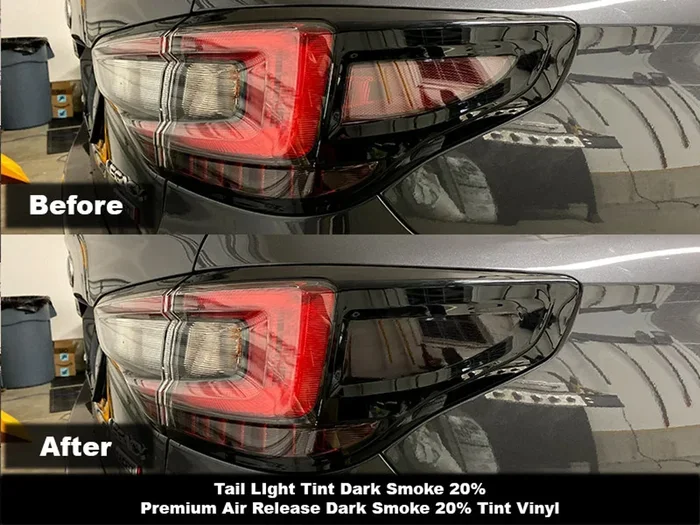
Let us be honest. Tinted tail lights look amazing. They give your car a sporty, aggressive stance that stands out on the road. Smoked tail lights have been a popular aftermarket tail lights modification for years, and for good reason. They add a subtle darkness that makes the whole rear end of the car look more refined and cohesive. If you have spent time tuning up your ride, tinted tail lights can be the perfect finishing touch.
Protection From UV Damage
Beyond looks, some car owners tint their tail lights for practical reasons. UV protection is a real benefit of quality tint film. Over time, sunlight can cause your tail light lenses to fade, crack, or turn cloudy. A good tint film acts as a shield, extending the life of your original lenses. This is especially helpful for cars that sit outside or in sunny climates. So tinting your tail lights is not just about style. It can also help protect your investment.
Understanding Tail Light Tint Laws by State
Now let us get into the part that matters most: the actual laws. Automotive tint laws are not uniform across the country. What is perfectly legal in California might get you pulled over in New York. This is why knowing your state tint laws before you make any changes is so important.
States With Strict Regulations
Some states take road safety regulations very seriously when it comes to rear light tinting. For example, states like California, Washington, and New York have strict rules about how much light must pass through your tail lights. In California, the Vehicle Code requires that all tail lights be clearly visible from a certain distance. Any tint that reduces visibility can be considered a violation. States in the Northeast tend to have tighter rules as well, focusing heavily on brake light visibility and overall light transmission rate.
States With More Lenient Rules
On the other hand, some states are more relaxed about aftermarket tail lights and tinting. States like Arizona, Texas, and Florida may allow darker tints as long as the lights meet basic visibility standards. However, even in lenient states, there are still rules you must follow. There is no state in the US where you can completely black out your tail lights and drive legally. The key is finding the right balance between style and safety.
The best approach is always to check your local Department of Motor Vehicles guidelines or consult with a certified tint installer who knows the laws in your area. Laws can also change, so what was legal last year might not be legal this year.
Legal Tint Percentages and Light Transmission
When people talk about tail light tinting, they often mention tint percentage. But what does that actually mean, and why does it matter so much for tail light tint laws?
What Is Light Transmission Rate?
The light transmission rate is the percentage of light that passes through your tail light lens and tint film combined. For example, if a tint film blocks 30% of light, the transmission rate is 70%. Most states require a minimum transmission rate for safety reasons. This ensures that other drivers can see your brake lights, turn signals, and reverse lights clearly, especially at night or in poor weather conditions.
Minimum Visibility Requirements
While the exact numbers vary, many states require that tail lights maintain at least a 50% to 70% light transmission rate. This means your tint film cannot block more than 30% to 50% of the light. Brake light visibility is often the biggest concern for law enforcement. If your tinted tail lights make it hard for the driver behind you to see you braking, that is a serious safety issue and a potential ticket.
Here are some general guidelines to keep in mind:
- Clear or very light tint: Usually legal everywhere. Minimal impact on light transmission.
- Medium tint (30-50% blockage): May be legal in some states but risky in others. Always check local laws.
- Dark tint (over 50% blockage): Likely illegal in most states. High risk of citation and failed inspection.
- Reflective tint: Almost universally illegal for tail lights. Reflective film can blind other drivers and is a major visibility concern.
Common Violations and Penalties
Getting caught with illegal rear light tinting can lead to more than just a warning. The penalties can add up quickly, and they are not worth the risk. Here is what you need to know about the most common violations and what happens if you get caught.
Fines and Citations
The most common penalty for illegal tint violations is a fine. Depending on your state, fines can range from $50 to $500 or more. In some cases, you may receive a citation that goes on your driving record. Repeat offenses can lead to higher fines and even points on your license. Nobody wants to pay extra because of a tint job that looked cool in the shop but was not road legal.
Failed Vehicle Inspection
If your state requires annual or biannual vehicle inspections, tinted tail lights can cause you to fail. A failed inspection means you cannot register your car until the issue is fixed. This can be frustrating and inconvenient, especially if you need your car for daily commuting. Some states will even place a hold on your registration until the problem is resolved.
Safety Risks on the Road
Beyond fines and inspections, there is a real safety concern with poorly tinted tail lights. If the driver behind you cannot see your brake lights clearly, your risk of being rear-ended goes up. Road safety regulations exist for a reason. They are designed to keep everyone on the road safer, and your tail lights play a big role in that. Tinting your tail lights too dark can compromise not just your safety but the safety of everyone around you.
How to Tint Tail Lights Legally
If you have decided that you want to tint your tail lights, the good news is that you can do it legally. The key is to follow the rules and make smart choices from the start. Here is how to go about it the right way.
Choosing the Right Tint Film
Not all tint film is created equal. When shopping for tail light tint film, look for products that are designed specifically for automotive use and that meet DOT regulations for light transmission. Many reputable brands clearly state the light transmission rate on their packaging. Choose a film that keeps your tail lights within the legal range for your state.
Here are some tips for choosing the right film:
- Look for films with a light transmission rate of 70% or higher to stay safe in most states.
- Avoid reflective or mirrored films. They are almost always illegal for tail lights.
- Choose a film with a tint warranty from the manufacturer. This protects you in case the film bubbles, peels, or fades.
- Consider films that are specifically designed for tail lights. These are often thinner and more flexible, making them easier to apply on curved surfaces.
Working With a Certified Tint Installer
While some car owners prefer a DIY approach, working with a certified tint installer is one of the best ways to ensure your tail light tint is legal and long-lasting. Professional installers know the local laws and can recommend the right film and tint percentage for your specific vehicle. They also have the tools and experience to apply the film without bubbles, wrinkles, or peeling edges.
A good installer will also walk you through the tint removal process if you ever need to take the tint off. This is important because laws can change, or you may want to switch to a different look. Having a professional handle the job means less risk of damage to your tail light lenses.
Keeping Records and Documentation
One step that many people overlook is keeping documentation of your tint job. Save your receipt, the tint film specifications, and any paperwork from your installer. If you ever get pulled over or questioned during a vehicle inspection, having proof that your tint meets legal standards can save you a lot of hassle. It shows that you made a good-faith effort to comply with the law.
Expert Tips for Choosing Tail Light Tint
So you have done your research and you are ready to tint your tail lights. Great! But before you pull the trigger, here are some expert tips that can help you make the best decision for your car and your wallet.
Quick Tips
- Always check your state laws first. Do not assume what is legal in one place is legal everywhere.
- Test the tint before committing. Some shops will let you hold a sample film up to your tail lights to see how it looks and how much light it blocks.
- Prioritize brake light visibility. Even if your turn signals and reverse lights are visible, if the brake lights are hard to see, you are asking for trouble.
- Consider a removable tint. Some tint films are designed to be removed easily. This gives you the look you want without a permanent commitment.
- Invest in quality film. Cheaper films may save you money upfront but can bubble, peel, or fade within months. A quality tint adhesive lasts much longer.
Common Mistakes to Avoid
Even with the best intentions, mistakes happen. Here are some common pitfalls that car owners run into when tinting their tail lights:
- Going too dark: It is easy to get carried away with how good a dark tint looks. But going too dark can put you well over the legal limit and into violation territory.
- Ignoring state-specific rules: Some states have different rules for tail lights versus front lights. Make sure you understand the specific rules for your rear lights.
- Skipping the adhesive prep: Poor surface preparation leads to bubbles and peeling. Take the time to clean and prep your tail lights properly before applying any film.
- Using non-automotive tint: Industrial or residential tint films are not designed for the heat and stress that car tail lights face. Always use automotive-grade products.
- Forgetting about turn signals: If your tail lights also house your turn signals, make sure the tint does not block the amber or red turn signal light. Signal visibility is crucial for safe driving.
Conclusion
Tinting your car’s tail lights is a great way to add style and protection to your vehicle. But the laws around tail light tint laws are real, and they vary from state to state. The key takeaway is simple: do your homework before you tint. Check your local regulations, choose a legal tint percentage, and work with a professional if you are unsure. Staying informed keeps your car looking great and keeps you off the hook for unnecessary fines.
At the end of the day, tinting your car’s tail lights should enhance your vehicle, not create headaches. Whether you go for a subtle smoked look or a more aggressive custom setup, the right approach starts with understanding the rules. Follow the guidelines in this article, and you can enjoy your new look with confidence knowing you are on the right side of the law.
So go ahead and give your car the upgrade it deserves. Just make sure you do it the smart way. Your wallet and your driving record will thank you.
Frequently Asked Questions
Is tinting your car’s tail lights illegal?
It depends on your state. Some states allow tinted tail lights as long as the light transmission rate stays above a certain percentage. Other states have very strict rules and may consider any tint on tail lights illegal. Always check your local automotive tint laws before making any changes.
What tint percentage is legal for tail lights?
Most states require a minimum light transmission rate of 50% to 70%. This means the tint film cannot block more than 30% to 50% of the light. The exact percentage varies by state, so it is best to consult your local DMV guidelines or a certified tint installer for specific numbers.
Can you get pulled over for tinted tail lights?
Yes, if your tinted tail lights do not meet your state’s road safety regulations, you can be pulled over. Officers may cite you for illegal tint violations, especially if your brake lights or turn signals are not clearly visible. Fines and penalties vary depending on the severity of the violation.
How much does it cost to tint tail lights legally?
The cost depends on the type of tint film you choose and whether you hire a professional. DIY kits can range from $20 to $60, while professional installation typically costs between $100 and $300. Choosing a certified tint installer ensures the job is done correctly and legally.
Will tinted tail lights fail a vehicle inspection?
In states that require vehicle inspections, tinted tail lights that do not meet the minimum light transmission rate will likely fail. If your tint is too dark or blocks brake light visibility, you will need to remove or replace the tint before your vehicle can pass inspection.
Can I remove tail light tint if I get a citation?
Absolutely. Tint removal is a straightforward process, especially if you used a quality tint adhesive designed for automotive use. You can do it yourself or have a professional handle it. Removing the tint resolves the issue and allows you to pass vehicle inspections and avoid further penalties.