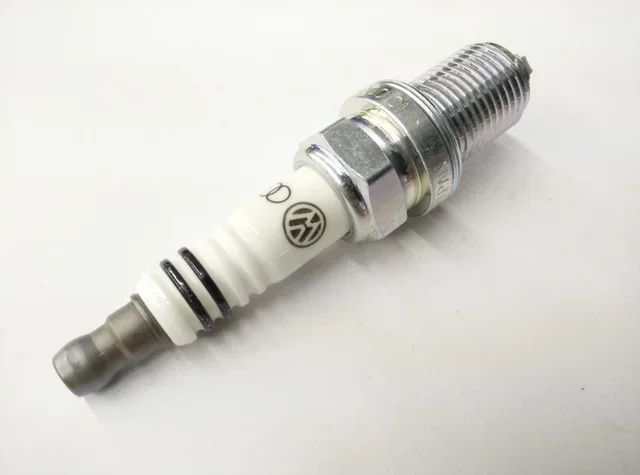
Find Out What Brand of Spark Plugs Does Volkswagen Use
Volkswagen primarily uses Bosch and NGK spark plugs across its vehicle lineup. The exact brand depends on your model, engine type, and model year. Using the right VW OEM spark plugs ensures optimal performance, fuel efficiency, and engine longevity.
If you own a Volkswagen, you have probably wondered about the right spark plugs for your VW. These small but mighty components play a huge role in how your engine runs. They ignite the air-fuel mixture in each cylinder, creating the combustion that powers your car forward.
Using the wrong spark plugs can lead to poor fuel economy, rough idling, and even engine damage. That is why knowing what brand of spark plugs does Volkswagen use is so important. In this guide, we will break it all down for you in simple terms.
We will cover the exact brands Volkswagen trusts, the differences between OEM and aftermarket plugs, and how to choose the right one for your specific model. Whether you drive a Jetta, a Golf, a Tiguan, or a Passat, this article has you covered. Let us dive in.
Key Takeaways
- Bosch and NGK are the primary brands: Volkswagen relies on these two manufacturers for most of its vehicles.
- OEM plugs matter: Using genuine Volkswagen spark plugs ensures proper fit and performance.
- Engine type determines the plug: TDI diesel engines and gasoline engines use different spark plug specifications.
- Aftermarket options exist: Brands like Denso and Champion can work if they match OE specifications.
- Replacement intervals vary: Most VW spark plugs need replacement every 30,000 to 100,000 miles depending on the type.
- Gaps and torque matter: Proper installation prevents engine misfires and damage.
- Check your owner’s manual: Always confirm the correct plug part number for your specific VW model.
📑 Table of Contents
- What Brand of Spark Plugs Does Volkswagen Use
- OEM vs Aftermarket Spark Plugs for Volkswagen
- Spark Plug Types Used in Volkswagen Engines
- Spark Plug Replacement Guide for Volkswagen
- How Often Should You Replace Volkswagen Spark Plugs
- Expert Tips for Choosing the Right Spark Plugs
- Common Volkswagen Spark Plug Problems
- Where to Buy Volkswagen Spark Plugs
- Final Thoughts
What Brand of Spark Plugs Does Volkswagen Use
Volkswagen has long-standing relationships with trusted spark plug manufacturers. The company does not make its own spark plugs. Instead, it partners with established brands that meet its strict quality standards. The two main brands you will find in most Volkswagen vehicles are Bosch and NGK.
These brands have decades of experience in automotive ignition systems. They supply parts to Volkswagen during the manufacturing process. When you buy a new VW from the dealership, those spark plugs are already installed. They are chosen specifically for each engine type and configuration.
However, the exact brand can vary. A Volkswagen Golf might use a different plug than a Volkswagen Passat. Even the same model year can have different plugs depending on the engine size. This is why checking your owner manual or consulting a VW specialist is always a smart move.
Why Brand Matters for Volkswagen Engines
Volkswagen engines are engineered with precision. They operate at high compression ratios and specific temperatures. The spark plugs must match these exact conditions. A plug that is too hot or too cold can cause pre-ignition or fouling.
Using the correct VW OEM spark plugs ensures the engine runs at its best. These plugs are tested extensively for heat range, electrode material, and thread fit. They are designed to last the intended service interval without problems.
Cheap or incompatible plugs might seem like a savings at first. But they can cause misfires, increase emissions, and reduce engine life. Over time, the cost of fixing these issues far outweighs any money saved on the plugs themselves.
Bosch Spark Plugs in Volkswagen Vehicles
Bosch is one of the most common spark plug brands found in Volkswagen cars. Many VW models from the 1990s to the present day use Bosch plugs. The company has been a supplier to Volkswagen for many years.
Bosch plugs are known for their durability and consistent performance. They use advanced electrode designs that promote clean combustion. This helps your VW engine run smoothly and efficiently.
Some popular Bosch spark plug lines used in VW vehicles include the Bosch Super, Bosch Platinum, and Bosch Iridium series. Each line offers different benefits. Platinum and iridium plugs last longer than standard copper plugs. They also provide a more stable spark over time.
NGK Spark Plugs in Volkswagen Vehicles
NGK is the other major brand used by Volkswagen. Many VW models, especially those sold in certain markets, come equipped with NGK plugs. NGK is a Japanese manufacturer with a strong reputation in the automotive industry.
NGK spark plugs are known for their precision engineering. They offer excellent thermal conductivity and corrosion resistance. This makes them a great fit for Volkswagen engines that operate under various driving conditions.
NGK offers several plug types for VW applications. The NGK V-Power line is popular for its improved ignitability. The NGK Laser Iridium plugs offer long life and consistent performance. When shopping for replacements, look for the NGK part number listed in your VW service manual.
OEM vs Aftermarket Spark Plugs for Volkswagen
When it is time to replace your spark plugs, you have two main choices: OEM (Original Equipment Manufacturer) or aftermarket. Understanding the difference can save you money and prevent engine problems.
OEM spark plugs are the exact plugs installed at the factory. They carry the Volkswagen part number and meet all engineering specifications. These plugs come in the official Volkswagen packaging and are sold through dealerships and authorized parts suppliers.
Aftermarket spark plugs are made by third-party manufacturers. Bosch and NGK are actually OEM suppliers, so their plugs can be considered both OEM and aftermarket depending on the packaging. Other brands like Denso, Champion, and Autolite also produce plugs that may fit VW engines.
The key is to match the specifications exactly. The part number, thread size, reach, gap, and heat range must all be correct. An aftermarket plug that matches the OE specifications will perform just as well as a factory plug. But a random plug from an unknown brand can cause problems.
When to Stick with OEM
For most Volkswagen owners, sticking with OEM plugs is the safest choice. This is especially true if your car is still under warranty. Using non-OEM plugs could potentially void your warranty if a problem arises.
OEM plugs also ensure the best resale value. When a buyer sees that genuine Volkswagen parts were used, it adds confidence. It shows that the previous owner took proper care of the vehicle.
When Aftermarket Can Work
Aftermarket plugs from trusted brands like Bosch and NGK are perfectly fine for most VW owners. In fact, many independent mechanics prefer these brands because they are widely available and often more affordable than dealership pricing.
If you drive a high-mileage Volkswagen and need replacement plugs frequently, aftermarket options can save you money over time. Just make sure the part number matches your engine specification exactly.
Spark Plug Types Used in Volkswagen Engines
Volkswagen uses several types of spark plugs depending on the engine. The type of plug affects performance, longevity, and cost. Let us look at the most common options you will find in VW vehicles.
Copper Core Spark Plugs
Copper core plugs are the most basic type. They offer excellent conductivity and heat dissipation. However, they wear out faster than other types. You may find copper core plugs in older Volkswagen models or base engine configurations.
These plugs typically need replacement every 30,000 to 40,000 miles. They are the most affordable option but require more frequent changes.
Platinum Spark Plugs
Platinum plugs have a platinum tip on the electrode. This makes them more durable than copper plugs. They can last up to 60,000 miles before needing replacement.
Many Volkswagen models from the late 1990s through the 2010s use platinum plugs. They offer a good balance of performance, longevity, and cost.
Iridium Spark Plugs
Iridium plugs are the most advanced option. Iridium is a rare metal that is extremely hard and durable. These plugs can last 80,000 to 100,000 miles or more.
Volkswagen uses iridium plugs in many newer models and high-performance variants. They provide the strongest spark and the best long-term reliability. The trade-off is a higher upfront cost.
Spark Plug Replacement Guide for Volkswagen
Replacing spark plugs in a Volkswagen is a manageable DIY job for most people. With the right tools and a little patience, you can save on labor costs. Here is a step-by-step guide to help you through the process.
Tools You Will Need
- Spark plug socket (usually 5/8 inch or 14mm for VW engines)
- Ratchet and extension
- Spark plug gap tool
- Anti-seize compound (optional, check your VW manual first)
- Dielectric grease for the spark plug boot
- Compressed air or compressed air can to clean the plug wells
Step-by-Step Replacement Process
- Let the engine cool completely. Never remove spark plugs from a hot engine. Wait at least 30 minutes after driving.
- Locate the ignition coils. In most VW engines, the coils sit on top of the spark plugs. Remove the electrical connectors and the bolts holding each coil in place.
- Clean the area around each plug. Use compressed air to blow out any debris from the plug wells. This prevents dirt from falling into the engine.
- Remove the old spark plugs. Fit the spark plug socket onto the ratchet and turn counterclockwise. If a plug is stuck, use penetrating oil and let it sit for a few minutes.
- Check the gap on the new plugs. Use a spark plug gap tool to verify the gap matches the specification for your VW model. The gap is usually between 0.028 and 0.044 inches.
- Install the new plugs. Hand-thread each plug first to avoid cross-threading. Then tighten with the ratchet to the proper torque specification. For most VW engines, this is around 20 to 25 foot-pounds.
- Reinstall the ignition coils. Apply a small amount of dielectric grease inside the coil boot. This makes future removal easier and improves the electrical connection.
- Start the engine and test drive. Listen for any unusual sounds. A smooth idle and responsive acceleration mean the job was done correctly.
Common Mistakes to Avoid
- Over-tightening the plugs: This can strip the threads in the aluminum cylinder head. VW engines are especially vulnerable to this.
- Forgetting to check the gap: Even new plugs may need adjustment. Always verify the gap before installation.
- Using the wrong plug type: A plug with the wrong heat range can cause engine damage over time.
- Skipping the cleaning step: Dirt in the plug well can fall into the cylinder and cause scoring.
How Often Should You Replace Volkswagen Spark Plugs
The replacement interval for Volkswagen spark plugs depends on the type of plug and your driving conditions. Here is a general guide to help you plan your maintenance schedule.
| Spark Plug Type | Typical Replacement Interval | Common VW Models |
|---|---|---|
| Copper Core | 30,000 to 40,000 miles | Older VW models, base engines |
| Platinum | 60,000 miles | VW Golf, Jetta, Passat (1990s-2010s) |
| Iridium | 80,000 to 100,000 miles | Newer VW models, TSI engines, GTI |
These intervals are general guidelines. Your actual replacement schedule may vary based on how you drive. Stop-and-go city driving puts more stress on spark plugs than steady highway cruising.
Watch for signs that your plugs need attention. Rough idling, difficulty starting the engine, decreased fuel economy, and engine misfires are all warning signs. If you notice any of these symptoms, have your plugs inspected right away.
Expert Tips for Choosing the Right Spark Plugs
Selecting the right spark plugs for your Volkswagen does not have to be confusing. Follow these expert tips to make the process easier and avoid costly mistakes.
Always check your owner manual first. The manual lists the exact part number, gap specification, and torque setting for your engine. This is your most reliable source of information.
Use a Volkswagen parts catalog or online lookup tool. Enter your VIN (Vehicle Identification Number) to find the correct plugs for your specific car. This eliminates any guesswork.
Buy from reputable suppliers. Whether you choose OEM or aftermarket, purchase from authorized dealers or trusted auto parts stores. Counterfeit plugs are a real problem and can damage your engine.
Consider your driving habits. If you drive mostly short trips, you may benefit from platinum or iridium plugs that resist fouling. If you tow or haul heavy loads, choose plugs rated for higher temperatures.
Replace all plugs at the same time. Do not mix old and new plugs. Replace all of them together to ensure even performance across all cylinders.
Keep a record of your replacements. Write down the date and mileage when you change your plugs. This helps you stay on top of maintenance and makes future service easier.
Common Volkswagen Spark Plug Problems
Even with the right plugs, Volkswagen engines can develop spark plug issues over time. Here are the most common problems and what causes them.
Spark Plug Fouling
Fouling happens when deposits build up on the plug electrode. This can be caused by oil leaks, rich fuel mixtures, or short driving trips. A fouled plug will misfire and reduce engine power.
If you notice black sooty deposits on your plugs, have your VW inspected for underlying issues. Simply replacing the plugs without fixing the root cause will not solve the problem.
Spark Plug Gap Erosion
Over time, the electrode wears down and the gap widens. A wide gap means a weaker spark. This can cause rough running and poor fuel economy.
Iridium and platinum plugs resist gap erosion better than copper plugs. If you are experiencing gap issues, consider upgrading to a longer-life plug type.
Broken Spark Plug Threads
This is a serious issue that can occur if plugs are over-tightened or cross-threaded during installation. VW aluminum heads are particularly susceptible to thread damage.
If a plug breaks off inside the head, it will need professional repair. A mechanic may need to use an easy-out tool or even replace the cylinder head in severe cases.
Where to Buy Volkswagen Spark Plugs
You have several options for purchasing spark plugs for your VW. Each has its advantages depending on your budget and timeline.
- Volkswagen dealership: The most expensive option, but you get genuine OEM plugs and expert advice.
- Online auto parts retailers: Sites like RockAuto and FCP Euro offer competitive prices and a wide selection of OEM and aftermarket plugs.
- Local auto parts stores: Stores like AutoZone or O’Reilly can order plugs for you and often have them in stock.
- Amazon and eBay: These platforms offer convenience and sometimes lower prices. Just be careful to buy from verified sellers to avoid counterfeits.
No matter where you buy, always verify the part number matches your specific VW model and engine. A plug that fits one engine may not work for another, even within the same model line.
Final Thoughts
Knowing what brand of spark plugs does Volkswagen use is essential for keeping your car running at its best. Bosch and NGK are the two main brands you will encounter, with the exact choice depending on your model and engine type.
Whether you choose OEM or high-quality aftermarket plugs, the key is to match the specifications exactly. Proper installation and regular replacement intervals will keep your Volkswagen engine running smoothly for years to come.
Take the time to care for your spark plugs. These small components have a big impact on your driving experience. A simple plug change can restore power, improve fuel economy, and prevent costly repairs down the road. Your Volkswagen will thank you for it.
Frequently Asked Questions
Can I use any brand of spark plugs in my Volkswagen?
You can use aftermarket brands, but they must match the OEM specifications exactly. The part number, thread size, gap, and heat range all need to be correct. Bosch and NGK are safe choices since they are both OEM suppliers for VW.
How do I find the correct spark plug part number for my VW?
Check your owner manual for the recommended part number. You can also look up your VIN on Volkswagen parts websites or consult a dealer. The part number will tell you the exact plug type and specifications for your engine.
Are iridium spark plugs worth it for Volkswagen engines?
Yes, iridium plugs offer the longest lifespan and best performance. They cost more upfront but last significantly longer than copper or platinum plugs. For newer VW models with iridium plugs from the factory, replacing them with the same type is the best choice.
What happens if I drive with worn-out spark plugs?
Worn spark plugs cause misfires, rough idling, poor fuel economy, and increased emissions. Over time, they can damage the ignition coils and catalytic converter. Replacing them promptly saves you from more expensive repairs.
Do Volkswagen spark plugs come pre-gapped?
Some do, but not all. Always verify the gap with a spark plug gap tool before installing new plugs. The correct gap is listed in your VW owner manual or service guide. Adjusting the gap takes only a few minutes and prevents performance issues.
Is it hard to replace spark plugs in a Volkswagen?
For most VW models, spark plug replacement is a straightforward DIY task. You need a spark plug socket, ratchet, and a few basic tools. The main challenge is removing the ignition coils, which are held in place by small bolts or clips.
=== CONCLUSION ===
What brand of spark plugs does Volkswagen use is a question with a clear answer: Bosch and NGK are the primary brands across the VW lineup. The right choice depends on your specific model, engine type, and driving needs.
By sticking with OEM specifications or trusted aftermarket alternatives, you keep your Volkswagen engine running at peak performance. Regular spark plug replacement is one of the simplest and most cost-effective ways to maintain your car.
Take action today. Check your spark plugs, replace them if needed, and enjoy a smoother, more efficient ride in your Volkswagen. Your car will reward you with better performance and fewer surprises on the road.