What Does VSC Mean on My Dashboard and Why It Matters
VSC stands for Vehicle Stability Control, a critical safety system that helps you maintain control during tricky driving conditions. When the VSC warning light appears on your dashboard, it signals that the system has detected a problem and may not be working properly. This light can come on for many reasons, from a simple loose gas cap to a more serious ABS sensor or throttle body issue. Understanding what VSC means and how to respond can keep you safe and prevent costly repairs down the road.
You are driving down the road, minding your own business, when suddenly a yellow or red light pops up on your dashboard. It says VSC. You might feel a little panic creeping in. What does that even mean? Is your car about to break down? Should you pull over right now?
Here is the good news. In most cases, the VSC light is not an immediate emergency. But it is a warning you should not ignore. Vehicle Stability Control is one of the most important safety features in modern cars. When it is not working, your ability to stay in control during slippery roads, sharp turns, or sudden stops can be seriously compromised.
This guide will walk you through everything you need to know. We will cover what VSC actually does, why the light comes on, what the most common causes are, and how to fix the problem. Whether you are a seasoned driver or someone who just started learning about car maintenance, this article has you covered.
Key Takeaways
- VSC stands for Vehicle Stability Control: It is a safety system designed to help you keep your car stable on slippery or uneven roads.
- The warning light can come on for many reasons: Common causes include a loose gas cap, faulty wheel speed sensors, or a bad yaw rate sensor.
- Driving with the VSC light on reduces safety: Your traction control and stability features may not work properly in emergency situations.
- An OBD scanner can help identify the root cause: Reading fault codes gives you a clear starting point for repairs.
- Some fixes are simple and cheap: A tightened gas cap or replaced wheel speed sensor can resolve the issue quickly.
- Professional diagnosis is recommended for complex problems: Issues involving the brake assist or electronic stability module need expert attention.
- Regular maintenance prevents VSC light triggers: Keeping sensors clean and components in good shape reduces warning light occurrences.
📑 Table of Contents
What Does VSC Mean on My Dashboard?
VSC stands for Vehicle Stability Control. It is an advanced car safety feature that helps you keep your vehicle on its intended path. The system uses a network of sensors to monitor your steering input, wheel speed, and the car’s rotation. When it detects that the car is starting to slide or lose traction, it automatically applies the brakes to individual wheels and may reduce engine power.
Think of it like a virtual co-pilot. You turn the steering wheel, and the system helps make sure the car follows your direction. This is especially helpful on rain-soaked roads, icy patches, or gravel surfaces where traction is low.
How the VSC System Works
The VSC system relies on several components working together. Each one plays a specific role in keeping your car stable. Here are the key parts involved:
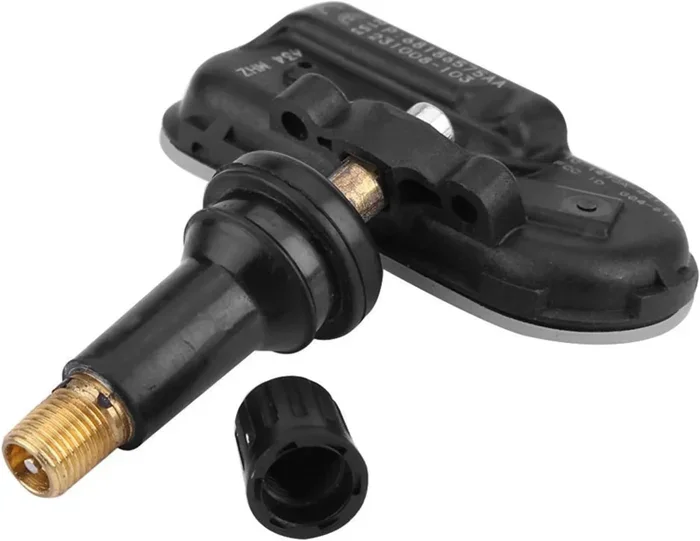
- Wheel Speed Sensors: These monitor how fast each wheel is spinning. If one wheel is spinning faster than the others, the system knows there is a traction problem.
- Yaw Rate Sensor: This measures how much your car is rotating or turning. It helps the system detect if the car is sliding sideways.
- Steering Angle Sensor: This tracks where you are turning the steering wheel. It compares your intended direction with the car’s actual direction.
- ABS Module: The Anti-lock Braking System works hand in hand with VSC. It prevents your wheels from locking up during hard braking.
- Throttle Body: The system can reduce engine power through the throttle to help you regain control.
When all of these components are functioning well, the VSC light stays off. The moment one of them sends an error signal, the warning light appears. This tells you that the stability control system has been deactivated or is operating in a limited mode.
Why Does the VSC Light Come On?
There is no single answer to this question. The VSC warning light can illuminate for dozens of different reasons. Some are minor and easy to fix. Others point to a deeper issue that needs professional attention. Let us break down the most common causes.
Loose or Faulty Gas Cap
This might sound surprising, but a loose gas cap is one of the top reasons the VSC light comes on. Your car’s evaporative emission system is connected to the fuel system. When the gas cap is not sealed properly, it creates a small leak. The OBD scanner picks up this as a fault code and triggers the warning light.
If you notice the VSC light right after filling up, try tightening the gas cap. Drive for a few miles and see if the light goes off. This is one of the simplest fixes possible.
Faulty Wheel Speed Sensors
Wheel speed sensors are exposed to road conditions every single day. They deal with dirt, mud, water, and road debris. Over time, they can wear out or get damaged. When a sensor fails, it sends incorrect data to the stability control module, causing the VSC light to turn on.
A failing wheel speed sensor can also trigger the ABS light at the same time. If both lights are on together, the sensor is a likely culprit.
Bad Yaw Rate Sensor
The yaw rate sensor measures the rotation of your car around its vertical axis. If this sensor goes bad, the VSC system cannot accurately determine whether your car is sliding or spinning. The system will shut down as a safety precaution, and the warning light will appear.
Replacing a yaw rate sensor is not cheap. It usually requires professional installation and calibration. But it is essential for the system to work correctly.
Issues with the Steering Angle Sensor
The steering angle sensor is located in the steering column. It tracks the exact position and movement of your steering wheel. If this sensor becomes misaligned or fails, the VSC system cannot compare your steering input with the car’s actual movement.
After a wheel alignment or steering repair, the sensor often needs to be recalibrated. A mechanic can do this with a diagnostic tool.
ABS Module Problems
Since VSC and ABS are closely linked, a problem with the ABS module can trigger the VSC light. The ABS module controls the brake pressure to individual wheels. If it malfunctions, both the ABS and stability control systems are affected.
Common signs of an ABS module issue include:
- The ABS light and VSC light both stay on.
- You hear a grinding or clicking noise when braking.
- Your brakes feel unresponsive or spongy.
- The car pulls to one side during hard braking.
Throttle Body or Engine Sensor Issues
The throttle body controls the amount of air that enters the engine. When the VSC system needs to reduce engine power to help you regain control, it communicates with the throttle body. If the throttle body is dirty or malfunctioning, the system cannot adjust power properly.
Similarly, faulty engine sensors like the mass airflow sensor or oxygen sensor can send wrong data to the computer. This can confuse the VSC system and cause the light to come on.
Wiring and Electrical Problems
Sometimes the issue is not a sensor at all. It could be a damaged wire or a poor electrical connection. Corrosion on connectors, frayed wires, or a blown fuse can all disrupt communication between the VSC control module and the sensors.
Electrical issues are tricky because they can come and go. You might notice the light flickers on and off, especially on bumpy roads or in wet weather.
What Happens When VSC Is Not Working?
It is tempting to ignore the VSC light, especially if the car seems to drive fine. But driving with the stability control system disabled puts you at a real risk. Here is what you need to understand.
When the VSC system is active, it intervenes the moment it detects a loss of traction. It can brake individual wheels to help you stay on course. It can also reduce engine power to prevent wheel spin. Without this system, your car relies entirely on you to correct skids and slides.
On a dry, sunny day, you might not notice much difference. But the moment conditions get tricky, the lack of electronic stability control becomes very obvious. A wet road, a sudden turn, or a patch of gravel can turn into a dangerous situation without the system’s help.
Here are the main risks of driving with the VSC light on:
- Reduced traction control: Your wheels are more likely to spin on slippery surfaces.
- Longer stopping distances: Without ABS integration, braking performance drops on wet or icy roads.
- Increased risk of skidding: The car may not correct itself when you start to slide.
- Higher chance of accidents: Studies show that stability control systems significantly reduce crash risk.
- Failed safety inspections: In many areas, a lit warning light means your car will not pass inspection.
The bottom line is simple. The VSC system exists to protect you. When it is not working, you lose a layer of protection that you may not even realize you are depending on.
How to Diagnose the VSC Light
Figuring out why your VSC light is on starts with a proper diagnosis. You do not need to be a mechanic to get started. There are tools and steps you can take right at home.
Use an OBD Scanner
An OBD scanner is one of the best tools for diagnosing dashboard warning lights. This small device plugs into your car’s diagnostic port, usually located under the steering column. It reads fault codes stored in the car’s computer memory.
When the VSC light comes on, the car stores a diagnostic trouble code that points to the specific problem. You can buy an OBD scanner for under $50, or many auto parts stores will read the codes for free.
Common fault codes related to VSC issues include:
- C0034: Wheel speed sensor circuit malfunction.
- C0040: Yaw rate sensor circuit issue.
- C0035: Steering angle sensor range/performance problem.
- C0036: ABS motor circuit failure.
- P0441: Evaporative emission system flow incorrect (often caused by a loose gas cap).
Check the Gas Cap First
Before you spend money on sensors or parts, check the simplest thing first. Remove the gas cap, inspect the seal for cracks or dirt, and reattach it firmly. Tighten it until you hear it click. Then drive for a day or two and watch the dashboard.
If the gas cap was the problem, the light should go away after a few drive cycles. This is a surprisingly common fix that many people overlook.
Inspect the Sensors Visually
You can also do a visual check of the sensors. Look at the wheel speed sensors behind each wheel. Check for dirt buildup, damaged wiring, or loose connections. Clean them gently with a cloth if they are dirty. Sometimes a simple cleaning is all it takes to restore proper function.
Visit a Professional Mechanic
If the OBD scanner shows a code you cannot interpret, or if the light stays on after simple fixes, it is time to see a professional. A certified mechanic has the tools and expertise to diagnose complex VSC system problems. They can test the sensors, check the wiring, and inspect the control module.
Do not wait too long to get it checked. The longer you drive with the system disabled, the more you are exposed to unnecessary risk.
Common Mistakes People Make With the VSC Light
There are a few mistakes drivers make when the VSC light comes on. Avoiding these can save you time, money, and frustration.
Ignoring the Light Completely
The biggest mistake is simply ignoring the warning. Some people assume the light will go away on its own. While it sometimes does, leaving it unchecked can lead to bigger problems. A small sensor issue can turn into a major repair if the underlying cause is not addressed.
Assuming It Is Always Serious
On the other hand, some people panic at the first sight of the light. Remember that not every VSC warning points to a catastrophic failure. A loose gas cap or a dirty sensor can trigger it. Stay calm, investigate, and take action based on facts, not fear.
Resetting the Light Without Fixing the Problem
Some drivers disconnect the battery or use a scanner to clear the fault code. The light goes off, and they feel relieved. But if the actual problem is not fixed, the light will come back. Worse, you will be driving without a functioning stability control system the entire time.
Delaying Repairs
Procrastination is another common mistake. You tell yourself you will get it fixed next week. Then next month. Then never. Each day you drive with the VSC light on, you are taking an unnecessary risk on the road.
Tips to Prevent VSC Light Issues
Prevention is always better than repair. Here are some practical tips to keep your VSC system in good shape and avoid warning lights.
- Check your gas cap regularly: Make sure it is tight and the seal is intact. Replace it if it looks worn or cracked.
- Keep sensors clean: During car washes, pay attention to the areas around the wheel speed sensors and the wiring harnesses.
- Address warning lights promptly: Do not wait for multiple lights to come on. The earlier you diagnose a problem, the simpler and cheaper the fix.
- Follow your maintenance schedule: Regular service appointments help catch small issues before they become big problems.
- Drive carefully on rough roads: Potholes and debris can damage sensors and wiring. Slow down on rough terrain to protect your car’s systems.
- Use quality replacement parts: If a sensor needs replacing, choose OEM or high-quality aftermarket parts. Cheap sensors fail faster and can cause the same problem to return.
Expert Insights on VSC Systems
We spoke with automotive technicians who work with stability control systems every day. Here is what they want car owners to know.
Tip 1: The VSC system is designed to be invisible. You should never notice it working in normal driving. If the light comes on, it means something is disrupting its normal operation. That is your cue to investigate.
Tip 2: Many VSC issues start with the ABS wheel speed sensors. These are the most exposed sensors on your car and the most prone to damage. Checking them first can save a lot of diagnostic time and money.
Tip 3: After replacing any sensor in the VSC system, the drive cycle matters. You need to drive the car through a specific pattern of speeds and braking for the computer to relearn the sensor values. Skipping this step can leave the light on even after a successful repair.
Tip 4: If the VSC light comes on along with the red brake warning light, stop driving immediately. This combination can indicate a serious brake system problem that affects your ability to stop safely.
When Should You Seek Immediate Help?
Not every VSC light situation is urgent. But there are specific scenarios where you should seek help right away. If the VSC light comes on and is accompanied by any of the following, pull over safely and get professional assistance:
- The brake warning light is also on.
- You notice a significant change in braking performance.
- The car is pulling to one side consistently.
- You hear unusual noises from the wheels or brakes.
- The steering feels unusually heavy or unresponsive.
These symptoms suggest a problem that goes beyond a simple sensor fault. They could indicate an issue with the braking system itself, which is a critical safety concern.
Conclusion
The VSC light on your dashboard is there to protect you. It is not something to fear, but it is definitely something to take seriously. Vehicle Stability Control is one of the most effective safety systems in modern cars, and when it is not working, you lose a valuable layer of protection.
The most important thing to remember is that most VSC issues are fixable. Whether it is a loose gas cap, a dirty sensor, or a more complex electrical problem, the root cause can almost always be found and resolved. The key is to act quickly and not let the warning light sit ignored on your dashboard.
Use an OBD scanner to check for fault codes. Inspect the simple things first. And when in doubt, consult a trusted mechanic. Your safety and the safety of everyone on the road depend on your car’s systems working as they should.
Now that you know what VSC means and why it matters, you are better equipped to handle this warning light if it ever appears. Do not let it catch you off guard. Stay informed, stay proactive, and keep your car in the best shape possible.
Frequently Asked Questions
Can I drive my car with the VSC light on?
You can drive short distances, but it is not recommended for extended trips. Without a functioning Vehicle Stability Control system, your car has reduced traction and stability. This is especially dangerous on wet, icy, or uneven roads. Get the issue diagnosed as soon as possible.
How much does it cost to fix the VSC light?
The cost varies widely depending on the root cause. A loose gas cap costs nothing to fix. A wheel speed sensor replacement typically ranges from $100 to $300. More complex issues like a faulty ABS module or yaw rate sensor can cost $500 or more. Always get a proper diagnosis before committing to repairs.
Will the VSC light turn off by itself?
Sometimes yes, especially if the cause was temporary, like a loose gas cap. Once the issue is resolved and the car completes a few drive cycles, the computer clears the fault code and the light goes off. If the light stays on, there is an ongoing problem that needs attention.
What is the difference between VSC and traction control?
VSC (Vehicle Stability Control) and traction control are closely related but not the same. Traction control prevents wheel spin during acceleration. VSC is broader and helps you maintain control during both acceleration and braking, especially in turns and on slippery surfaces. They share sensors and often trigger the same warning light.
Can a bad battery cause the VSC light to come on?
Yes, a weak or dying battery can cause voltage fluctuations that confuse the car’s computer. This can trigger the VSC warning light even if no physical component is broken. If the light appeared after you noticed other electrical issues like dimming headlights or slow cranking, the battery may be the culprit.
Do I need to reset the VSC system after a repair?
In most cases, yes. After fixing the problem, a mechanic or DIYer can use an OBD scanner to clear the fault codes. Then you need to complete a drive cycle for the car’s computer to relearn the system. The VSC light should stay off once the system confirms everything is working correctly.
=== CONCLUSION ===
Understanding what VSC means on your dashboard empowers you as a driver. The Vehicle Stability Control system is a guardian that works silently in the background, keeping you safe when road conditions get tough. When the light comes on, it is not a reason to panic, but it is a reason to pay attention.
Start with the simple checks. Tighten the gas cap, inspect the sensors, and use an OBD scanner to read the fault codes. If the problem is beyond a quick fix, do not hesitate to visit a professional. Every minute you spend addressing the VSC light is a minute you invest in your safety and the longevity of your car.
Stay curious, stay proactive, and never ignore the signals your car gives you. A well-maintained vehicle is a safer vehicle, and that benefits everyone on the road.