What Is a Power Trunk Release and How It Works for You
A power trunk release lets you open your car’s trunk without lifting a finger. It uses a sensor or button to unlock and lift the hatch automatically, making loading easier. This guide covers how it works, benefits, installation, and common issues.
A power trunk release is one of those small car features that changes your daily routine in a big way. Imagine walking toward your car with two heavy grocery bags, a diaper bag, and a coffee. You need to open the trunk, but your hands are completely full. A power trunk release solves this problem instantly. With a simple foot wave under the bumper or a press of a button, the hatch pops open and stays ready for you. It feels like magic, but it is just smart engineering.
Many modern vehicles come with this system from the factory. If your car does not have one, you can often add it through an aftermarket kit. Either way, understanding how a power trunk release works helps you use it safely and get the most out of it. In this article, we will break down the technology, the benefits, common problems, and installation options. By the end, you will know exactly whether a power trunk release is right for you.
Key Takeaways
- Hands-free convenience: Open your trunk with a foot kick or button, even when your hands are full.
- Works with keyless entry: Most systems pair with your remote fob or smart key for seamless access.
- Easy to install: Aftermarket kits are available for many vehicles, and professional installation is straightforward.
- Solves common pain points: No more juggling keys, bags, and a stubborn trunk latch at once.
- Safety features built in: Sensors stop the hatch if an object is in the way, protecting people and cargo.
- Boosts resale value: A power trunk release is a desirable convenience feature for used car buyers.
📑 Table of Contents
What Is a Power Trunk Release?
A power trunk release is an electric system that opens and closes your car’s trunk or hatch automatically. Instead of pulling a lever or pressing a physical button inside the cabin, you can trigger the release with a remote, a key fob, or a motion sensor. The system uses a motor, a latch mechanism, and a control module to lift the hatch smoothly. Some cars call this a power liftgate or a hands-free trunk. The core idea is the same: convenience without physical effort.
The most common types include:
- Sensor-activated systems: You wave your foot under the rear bumper to open the hatch.
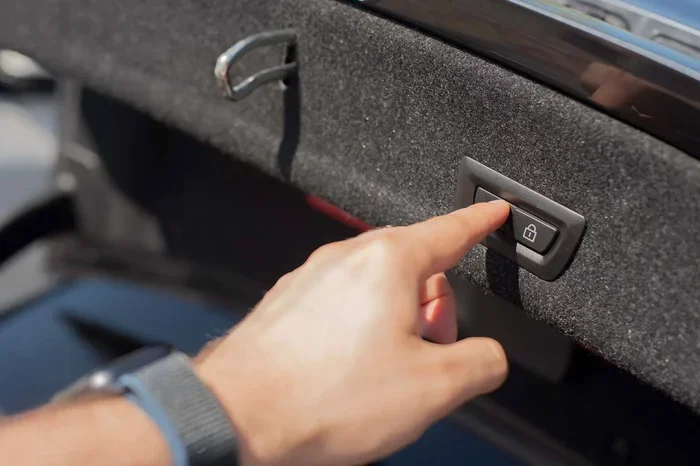
- Button-activated systems: A dedicated trunk open button on the remote or dashboard triggers the motor.
- Smartphone-integrated systems: Newer cars let you open the trunk through a mobile app.
All of these fall under the umbrella of a power trunk release. They share the same goal: making it easier to load and unload your vehicle. Whether you are a parent with a stroller, a delivery driver, or just someone who hates wrestling with a sticky trunk latch, this feature adds real value to your daily drive.
How the System Connects to Your Car
A power trunk release ties into your car’s existing electrical system. It draws power from the vehicle battery and communicates with the body control module. When you send the open command, the module checks if the car is locked or unlocked. If the conditions are met, it sends a signal to the trunk actuator. The actuator then releases the latch and the motor lifts the hatch. Closing works in reverse, with the motor lowering the hatch gently until the latch clicks shut. Many systems include a soft-close feature, so the hatch never slams.
How Does a Power Trunk Release Work?
Understanding the inner workings of a power trunk release helps you troubleshoot issues and appreciate the engineering. The system has three main parts: the control unit, the actuator, and the sensor or trigger. Let us look at each one closely.
The Control Unit
The control unit is the brain of the operation. It receives signals from your remote fob, the foot sensor, or the dashboard button. It then checks safety conditions, like whether a door is open or if the car is moving. If everything is safe, it sends power to the actuator. Modern control units are small computers that can learn your habits. For example, some systems remember how high you want the hatch to open—full lift or a half-open position for low ceilings.
The Actuator Motor
The actuator is the muscle. It is a small electric motor connected to the trunk latch. When the control unit gives the go signal, the motor turns a gear that releases the latch pin. In power-lift systems, the motor also drives a linkage that raises the hatch. The speed and torque of the motor determine how smoothly the trunk opens. Higher-quality actuators operate quietly and stop automatically if they sense resistance.
The Trigger Mechanism
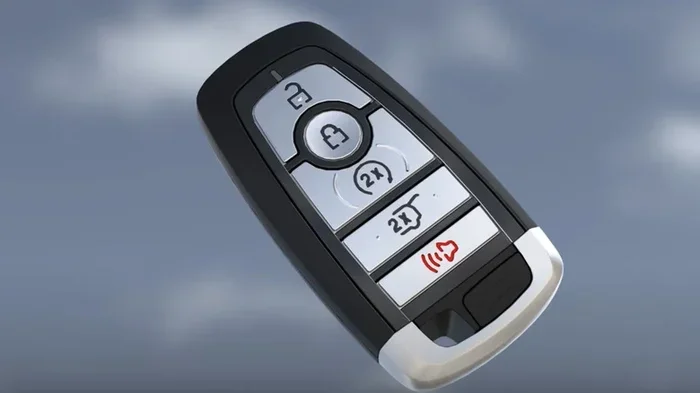
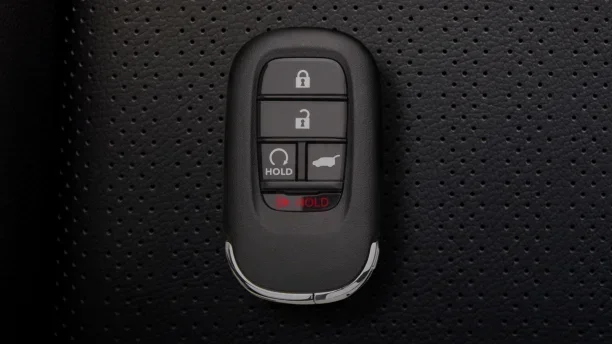
Triggers come in different forms. The most popular is the hands-free sensor, which uses an infrared or ultrasonic sensor mounted near the rear license plate. When you wave your foot in front of it, the sensor sends a signal to the control unit. Another common trigger is the remote key fob. Pressing the trunk button on the fob sends a coded radio signal to the car. Some vehicles also support a voice command through their infotainment system. No matter the trigger, the path to opening the trunk is the same: signal → control unit → actuator → hatch opens.
A Quick Look at the Process
Here is the step-by-step flow when you use a foot sensor to open your power trunk release:
- You walk toward the rear of the car with your key fob in your pocket.
- The car’s proximity sensor detects the fob and wakes up the trunk sensor.
- You wave your foot under the bumper sensor.
- The sensor sends a request to the control module.
- The module verifies the car is stationary and the doors are locked.
- The actuator releases the latch and the motor lifts the hatch.
- The hatch stops at the preset height or fully opens, depending on your settings.
This entire process takes about two seconds. It is fast, clean, and requires zero physical effort.
Key Benefits of a Power Trunk Release
A power trunk release offers more than just cool factor. It brings real, everyday advantages that make car ownership smoother. Here are the top benefits you can expect.
Hands-Free Convenience
The biggest advantage is hands-free access. You can carry suitcases, pet food, or a newborn car seat right up to the trunk and open it with a quick foot swipe. No need to dig for keys or fumble with a tiny button on the trunk handle. This is especially helpful in bad weather, when you are carrying an umbrella and a bag at the same time.
Time Savings
Think about how often you load or unload your car each week. A power trunk release shaves seconds off every trip. Over a year, those seconds add up. For delivery drivers, rideshare operators, or families with busy schedules, this time savings translates into less frustration and more efficiency.
Improved Safety
Wrestling with a heavy trunk lid can strain your back or cause you to drop fragile items. A power trunk release eliminates that risk. The motor controls the movement, so the hatch opens and closes smoothly. Many systems also include a anti-pinch sensor. If the sensor detects an object in the hatch’s path, it stops and reverses automatically. This protects your fingers, your cargo, and anyone standing behind the car.
Customizable Height Settings
Not everyone needs the trunk to open fully. If you have a low garage ceiling, a full lift might hit the roof. Most power trunk release systems let you set the opening height in three or four stages. You can program a low position for tight spaces and a full position for moving large items like furniture or coolers. This small detail makes a big difference in tight parking garages.
Enhanced Vehicle Value
When it is time to sell or trade in your car, a power trunk release is a selling point. Buyers see it as a premium convenience feature. It signals that the vehicle is well-equipped and modern. Even if you bought the car used, adding a power liftgate can increase its resale appeal and marketability.
Common Power Trunk Release Problems and Fixes
Like any electronic system, a power trunk release can develop issues over time. Most problems are simple to diagnose and fix. Here are the most common ones and what you can do about them.
The Trunk Won’t Open
If the hatch does not respond to your foot wave or remote button, the first thing to check is the key fob battery. A weak fob battery often causes a power trunk release to fail. Replace the battery and try again. Next, check the car’s battery voltage. A low 12-volt battery can prevent the system from powering up. If both are fine, the issue might be a blown fuse in the trunk release circuit. Consult your owner’s manual to locate the fuse box and check the relevant fuse.
The Trunk Opens Partially or Stops Midway
This usually happens when the anti-pinch sensor detects an obstruction. Even a small piece of debris on the hatch seal can trick the sensor. Clean the sensor area and the hatch edges thoroughly. If the problem persists, the actuator motor might be weak or the track system could be misaligned. Lubricating the hinge points with a silicone-based spray often fixes a sticky movement. If the motor still struggles, a professional can test the actuator and replace it if needed.
The Trunk Won’t Close Completely
A power trunk release that fails to latch fully can drain your battery and let rainwater into the cargo area. Often, this is caused by a misaligned hatch or a worn latch striker. Check if the hatch sits evenly when closed. If it is tilted, you may need to adjust the hinge or striker plate. Some systems have a manual override latch inside the trunk; make sure it is fully engaged before relying on the power close function.
Unresponsive Foot Sensor
The foot sensor can get dirty or blocked by mud, snow, or ice. Wipe the sensor area with a soft cloth. In winter, clear any ice buildup before using the sensor. If the sensor still does not work, the wiring harness behind the bumper might have a loose connector. A quick inspection with the car turned off can reveal a disconnected plug. Reconnecting it often restores full function.
Weird Noises During Operation
A power trunk release should operate quietly. If you hear grinding, clicking, or whining, do not ignore it. Grinding noises often mean the track or hinge needs lubrication. Clicking sounds can point to a failing actuator motor. Whining might indicate a worn gear inside the actuator. Addressing noise early can prevent a full motor failure and keep the system running smoothly.
Quick Tips for Troubleshooting
- Always start with the simplest fix: check the fob battery and the car battery voltage.
- Keep the sensor area clean and free of ice, mud, and debris.
- Lubricate moving parts every six months with a silicone spray.
- Refer to your owner’s manual for fuse locations and reset procedures.
- If a warning light appears on the dashboard, scan for error codes with an OBD-II reader.
Installing a Power Trunk Release: Is It Worth It?
If your car does not have a power trunk release from the factory, you can add one. Aftermarket kits are available for most models and years. Before you decide, it helps to understand the installation options, costs, and what to expect.
Aftermarket Kit Options
Most kits include a motor, a control module, a sensor or remote button, and all necessary wiring. Some kits are designed for DIY installation, while others require a professional. The best approach depends on your comfort level with car electronics. If you have basic tools and can follow a wiring diagram, a DIY kit can save you hundreds of dollars. However, if you are not confident with electrical work, paying a mechanic ensures a clean, safe installation.
Cost Breakdown
Aftermarket power trunk release kits range from about $150 to $500 for parts alone. Professional installation adds $100 to $300, depending on your location and the complexity of the job. Total cost typically falls between $250 and $800. This is a fraction of what a dealership would charge for a factory-style upgrade. Keep in mind that the price varies based on your vehicle’s make and model. Luxury or rare vehicles may require more specialized kits.
What the Installation Involves
A typical installation includes mounting the motor to the trunk hinge or latch, wiring the control module to the car’s electrical system, and placing the foot sensor or button. Most kits come with detailed instructions and plug-and-play connectors. You will need to run a wire from the trunk area into the cabin to connect the control module. The process usually takes a few hours and does not require cutting or welding. Many kits are reversible, meaning you can remove them and return your trunk to its original state if you ever sell the car.
Expert Insight
When installing a power trunk release, always choose a kit that is compatible with your vehicle’s year and model. Universal kits work but may require more wiring. Model-specific kits plug in directly and are much easier to install. Also, ask the installer to test the anti-pinch sensor thoroughly before you drive away. A properly calibrated sensor is essential for safety.
Power Trunk Release vs. Manual Trunk: Which Is Better?
A power trunk release and a manual trunk each have their strengths. The right choice depends on your lifestyle, budget, and how you use your car. Here is a side-by-side comparison to help you decide.
| Feature | Power Trunk Release | Manual Trunk |
|---|---|---|
| Convenience | Opens with a foot wave or button; no hand needed | Requires pulling a lever or pressing a button inside the car |
| Hands-Free Access | Yes | No |
| Cost | Higher upfront cost (factory or aftermarket) | Lower cost; simple mechanism |
| Maintenance | More components to maintain; motor and sensors can fail | Fewer parts; rarely breaks |
| Safety Features | Anti-pinch sensor, soft-close, adjustable height | Basic latch; no smart features |
| Resale Value | Boosts appeal | Standard feature; no added premium |
| Best For | Busy families, delivery drivers, frequent loaders | Budget-conscious drivers, simple needs |
For most people, a power trunk release is the clear winner. The convenience factor is hard to beat once you get used to it. However, if you drive an older car with low mileage and want to keep things simple, a manual trunk works just fine. There is no shame in a manual system. It is reliable and requires almost no maintenance.
Common Mistakes to Avoid
- Ignoring warning lights: If your dashboard shows a trunk or hatch warning, do not ignore it. It often signals a sensor fault or a weak motor.
- Overloading the trunk while closing: Placing heavy items on the hatch while the power close function runs can strain the motor. Remove items from the hatch before closing.
- Using the power close in rain: Water on the sensor or track can cause the hatch to stop or reverse. Dry the area first if possible.
- Skipping lubrication: Even a power trunk release relies on hinges and tracks. Without regular lubrication, the motor works harder and wears out faster.
Frequently Asked Questions
Can I add a power trunk release to any car?
Most cars can accept an aftermarket power trunk release kit, but compatibility varies. Newer vehicles with a manual trunk often have the wiring harness and mounting points needed. Older cars or models with unusual hatch designs may require custom fabrication. Always check the kit’s compatibility list before purchasing.
Is a power trunk release safe in a crash?
Yes, manufacturers design these systems with safety in mind. The hatch is engineered to remain secure during a collision. In a rollover or impact, the latch and hinges are tested to withstand significant force. The power motor and control module are also protected by sealed housings to prevent damage in a crash.
Will a power trunk release drain my car battery?
A properly functioning power trunk release uses very little power. Opening and closing the trunk draws less energy than leaving the interior lights on. However, a faulty system that keeps the motor engaged can drain the battery over time. If you notice your battery is weak, have the trunk system inspected immediately.
Can I still open the trunk manually if the power system fails?
Yes, almost all power trunk release systems include a mechanical override. There is usually a small release lever or key slot on the trunk handle or inside the trunk area. In a power failure, you can use this to unlatch the hatch manually. It is a simple but important backup feature.
How long does a power trunk release motor last?
With proper care, a power trunk release motor can last the life of the vehicle. Most manufacturers estimate a lifespan of 10,000 to 20,000 cycles, which is more than enough for daily use. Keeping the tracks lubricated and the sensor clean will help the motor reach its full lifespan.
Does a power trunk release work when the car is off?
Most systems work when the car is off but the key fob is inside. The proximity sensor detects the fob and allows the trunk to open for a short window, usually 30 to 60 seconds after you approach. This is designed for convenience, but some vehicles require the ignition to be in accessory mode. Check your owner’s manual for the exact behavior.
Final Thoughts
A power trunk release is more than a luxury. It is a practical tool that makes your car work harder for you. Whether you are loading a week’s worth of groceries, hauling sports gear, or simply trying to keep your hands free, this feature delivers real value every day. The technology is reliable, the safety features are smart, and the convenience is undeniable.
If your car already has one, take a moment to explore all its settings and features. Adjust the opening height, clean the sensor regularly, and lubricate the hinges. If your car does not have a power trunk release, consider adding one. The upfront cost is modest, and the payoff in daily convenience is enormous. Once you experience the ease of a hands-free trunk, you will wonder how you ever managed without it. Embrace the simple upgrade and make every trip to your car a little smoother.