What Is the Maximum Amount of Gas Your Car Can Hold
The maximum amount of gas your car can hold depends on the vehicle type, make, and model. Most compact cars hold 12 to 15 gallons, while large SUVs and trucks can carry 20 to 30 gallons or more. Understanding your fuel tank capacity helps you plan trips, save money, and avoid running out of gas.
Have you ever wondered about the maximum amount of gas your car can hold? Maybe you are planning a long road trip and want to know how far you can go before stopping for fuel. Or perhaps you just bought a new car and want to understand its fuel tank capacity. Either way, you are in the right place.
Knowing how much gas your car can hold is more important than most people think. It affects your driving range, your fuel economy, and even your wallet. In this guide, we will walk you through everything you need to know about gas tank size across different vehicle types. We will also share practical tips to help you get the most out of every tank.
Key Takeaways
- Average sedan tank: Most sedans hold 12 to 16 gallons of fuel.
- SUV and truck tanks: Larger vehicles can hold 18 to 30+ gallons.
- Driving range matters: A full tank can take you 300 to 600+ miles depending on fuel economy.
- Check your manual: The owner’s manual always lists the exact fuel tank size.
- Reserve fuel exists: Most cars have a small reserve beyond the gauge empty light.
- Tank shape affects capacity: Some vehicles use oddly shaped tanks that hold more than expected.
📑 Table of Contents
- What Is the Maximum Amount of Gas Your Car Can Hold?
- How Much Gas Do Different Cars Hold?
- Fuel Tank Size Comparison by Vehicle Type
- How Far Can You Drive on a Full Tank?
- Quick Tips to Maximize Your Fuel Tank
- Common Mistakes Car Owners Make About Gas Tanks
- Expert Insights on Fuel Tank Capacity
- How to Find Your Car’s Exact Fuel Tank Capacity
- Key Takeaways
- Conclusion
What Is the Maximum Amount of Gas Your Car Can Hold?
The maximum amount of gas your car can hold is called the fuel tank capacity. It is measured in gallons in the United States. Different vehicles have different sizes. A small sedan might hold 12 gallons. A large truck could hold 30 gallons or more. There is no single answer because every car is built differently.
Automakers design fuel tanks based on the vehicle’s size, weight, and intended use. A compact car needs a smaller tank to save space and weight. A full-size SUV fuel tank is bigger because the vehicle is heavier and needs more range. The fuel tank capacity is usually listed in the owner’s manual or on the manufacturer’s website.
Why Does Fuel Tank Size Matter?
Fuel tank size directly impacts your driving range. Driving range means how far you can go on a full tank. A car with a 15-gallon tank and 30 miles per gallon can travel 450 miles. A car with a 12-gallon tank and the same fuel economy can only go 360 miles. That is a big difference on a long trip.
Tank size also affects how often you need to fill up. If you have a small tank, you will visit the gas station more often. This costs more time and more money over the long run. On the other hand, a very large tank adds weight to the vehicle. Extra weight can reduce fuel efficiency slightly. So there is a balance automakers try to hit.
How Much Gas Do Different Cars Hold?
The maximum amount of gas in a car varies widely. Let us break it down by vehicle type. This will give you a clear picture of what to expect.
Compact and Sedan Cars
Most compact cars and sedans have fuel tanks between 12 and 16 gallons. Popular models like the Honda Civic and Toyota Corolla usually hold around 12 to 14 gallons. Mid-size sedans like the Toyota Camry often have tanks of 15 to 16 gallons. These gas tank sizes are designed for daily commuting and city driving.
With an average fuel economy of 30 miles per gallon, a sedan with a 15-gallon tank can travel about 450 miles on a full tank. That is a solid range for most drivers.
SUVs and Crossovers
SUVs generally have bigger tanks than sedans. A mid-size SUV like the Ford Explorer might hold 18 to 20 gallons. Larger SUVs like the Chevrolet Tahoe can carry 24 to 26 gallons. The maximum amount of gas in these vehicles is much higher because they are bigger and heavier.
However, SUVs also tend to use more fuel. So even with a large tank, your driving range might not be as impressive as you would think. A 24-gallon tank in a truck-based SUV that gets 15 miles per gallon gives you about 360 miles of range.
Trucks and Heavy-Duty Vehicles
Pickup trucks often have the largest fuel tank capacity among regular consumer vehicles. A Ford F-150 can hold anywhere from 18 to 36 gallons depending on the configuration. The Ram 2500 and Chevrolet Silverado can also carry 24 to 36 gallons. These truck gas tanks are built for hauling, towing, and long hauls.
If you have ever wondered what the maximum amount of gas in a car can be in a production vehicle, some heavy-duty trucks and large SUVs push past 30 gallons easily. Specialized vehicles like RVs and motorhomes can hold even more, sometimes 50 to 100 gallons or more.
Electric and Hybrid Vehicles
Hybrid vehicles use a combination of gas and electric power. Their gas tanks are usually smaller because the electric motor helps with propulsion. A Toyota Prius holds about 11 to 13 gallons. This smaller fuel tank capacity works well because the hybrid system boosts overall fuel economy to 50 miles per gallon or more.
Fully electric vehicles do not have gas tanks at all. They run on batteries. So the concept of maximum gas capacity does not apply to them. But their range is measured in miles per charge instead.
Fuel Tank Size Comparison by Vehicle Type
Here is a quick look at typical gas tank sizes across popular vehicle categories. This table gives you a general idea of what to expect.
- Compact Car: 12 to 14 gallons
- Sedan: 14 to 17 gallons
- Mid-Size SUV: 16 to 22 gallons
- Full-Size SUV: 22 to 30 gallons
- Pickup Truck: 18 to 36 gallons
- Hybrid Car: 10 to 14 gallons
- Minivan: 15 to 20 gallons
Keep in mind that these numbers are averages. Always check your specific vehicle for the exact fuel tank capacity. The tank capacity chart in your owner’s manual is the most reliable source.
How Far Can You Drive on a Full Tank?
Your driving range depends on two things: tank size and fuel economy. The formula is simple. Multiply your tank capacity in gallons by your miles per gallon rating. That gives you the total miles you can drive on a full tank.
For example, if your car holds 15 gallons and gets 28 miles per gallon, your range is 420 miles. If you drive a truck with a 26-gallon tank at 18 miles per gallon, your range is 468 miles. The numbers can surprise you.
What Affects Your Actual Driving Range?
Several factors change how far you can go on a full tank. Let us look at the biggest ones.
- Driving habits: Aggressive speeding and hard braking waste fuel.
- Speed: Driving over 65 mph reduces fuel efficiency significantly.
- Terrain: Hilly or mountainous roads use more gas than flat highways.
- Weather: Cold weather lowers gas mileage and reduces range.
- Payload: Carrying heavy loads makes the engine work harder.
- Tire pressure: Under-inflated tires create more rolling resistance.
All of these factors mean your actual range will differ from the number on paper. Always plan extra stops for long trips, especially in bad weather or when carrying heavy cargo.
Quick Tips to Maximize Your Fuel Tank
You cannot make your tank physically bigger without modifying the vehicle. But you can make every gallon count. Here are some practical tips to help you squeeze more miles out of your fuel capacity.
- Keep your tires properly inflated: This alone can improve fuel economy by up to 3 percent.
- Remove extra weight: Clear out heavy items you do not need from the trunk.
- Use cruise control: It helps maintain a steady speed and saves fuel on highways.
- Avoid idling: Turn off the engine if you are stopped for more than a minute.
- Fill up early in the morning: Gas is denser when it is cool, so you get slightly more fuel per gallon.
- Keep up with maintenance: Regular oil changes and air filter replacements improve engine efficiency.
- Drive at moderate speeds: 55 to 65 mph is the sweet spot for most vehicles.
These small changes add up over time. You will visit the gas pump less often and save real money at the checkout.
Common Mistakes Car Owners Make About Gas Tanks
Even experienced drivers make mistakes when it comes to fuel. Here are the most common ones you should avoid.
Running the Tank Down to Empty
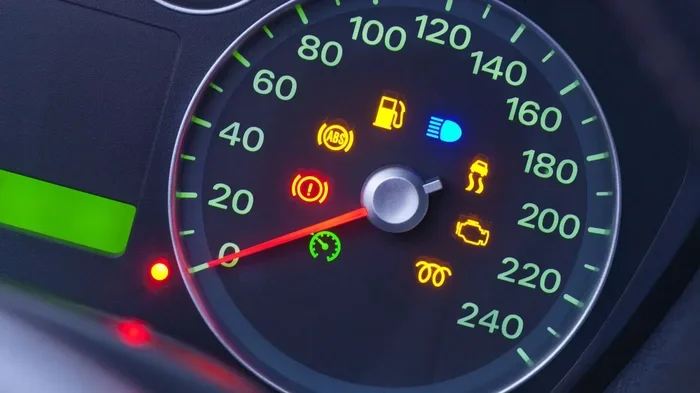
Many drivers wait until the gas tank warning light comes on before they fill up. This is a bad habit. Running low on fuel can damage the fuel pump. The pump relies on fuel to stay cool. When the level drops too low, the pump overheats and wears out faster.
Most cars have a reserve of 1 to 3 gallons beyond the warning light. But you should not rely on it. Try to keep your tank at least a quarter full at all times.
Overfilling the Tank
Some people top off the tank after the pump clicks off. This seems harmless. But it can actually cause problems. Overfilling can flood the charcoal canister, which is part of the vehicle fuel system. This part captures fuel vapors and prevents pollution. When it gets saturated, it can cause engine problems and failed emissions tests.
Let the pump do its job. When it stops, stop. Do not try to squeeze in every last drop.
Ignoring the Fuel Gauge
Your fuel gauge is there for a reason. Many drivers ignore it until the numbers get low. By then, you might be stuck in traffic or far from a gas station. Make it a habit to check your fuel level regularly. Plan your fill up stops ahead of time, especially on road trips.
Assuming All Tanks Are the Same
Not all cars hold the same amount of fuel. A compact car and a full-size truck can have wildly different maximum gas capacities. Always know your specific vehicle’s tank size. This knowledge helps you plan trips and budget for fuel costs accurately.
Expert Insights on Fuel Tank Capacity
We spoke with automotive experts about fuel tank design and capacity. They shared some valuable insights that every car owner should know.
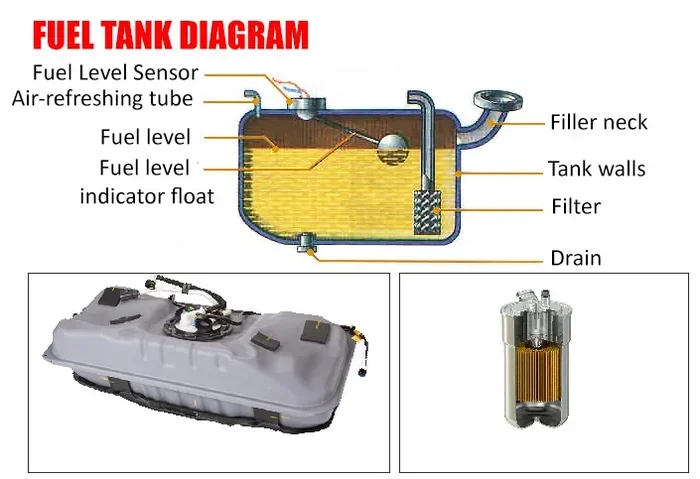
Engineers design tanks for balance. They consider weight distribution, crash safety, and available space under the vehicle. The shape of the tank is often irregular to fit around the spare tire, exhaust system, and suspension components. This is why two cars of the same size can have different fuel tank capacities.
Fuel economy regulations matter too. Government standards push automakers to make vehicles more efficient. Smaller tanks help reduce weight, which improves fuel economy. But automakers also want to give buyers enough range to feel confident. That is why many modern cars have larger tanks than they did 20 years ago, even though they are more efficient.
Hybrid technology changes the game. With a hybrid or electric assist, you need less gas to go the same distance. This allows automakers to use smaller tanks without sacrificing range. The maximum amount of gas your car can hold is not just about size anymore. It is about how the entire vehicle system works together.
How to Find Your Car’s Exact Fuel Tank Capacity
Want to know the exact fuel tank size for your specific vehicle? There are several easy ways to find out.
- Check the owner’s manual: This is the most accurate source. Look in the specifications section.
- Visit the manufacturer’s website: Search for your vehicle model and year. The specs page will list tank capacity.
- Use online resources: Websites like FuelEconomy.gov and Edmunds provide detailed vehicle specifications.
- Check the fuel door: Some manufacturers stamp the tank size on the inside of the fuel door.
- Ask your dealer: A local dealership can look up the exact fuel capacity for your VIN number.
Once you know your tank size, you can calculate your driving range and plan trips with confidence. This simple step makes a big difference for anyone who drives regularly.
Key Takeaways
- Fuel tank capacity varies by vehicle: Compact cars hold 12 to 14 gallons, while large trucks can hold 30 or more.
- Tank size affects driving range: A bigger tank means more miles between fill-ups.
- Fuel economy matters just as much: A small tank with great mileage can outperform a big tank with poor mileage.
- Check your owner’s manual: It always lists the exact fuel tank capacity for your vehicle.
- Avoid running on empty: This habit damages the fuel pump and leaves you stranded.
- Small habits save fuel: Proper tire pressure, steady speeds, and regular maintenance all boost fuel efficiency.
Conclusion
The maximum amount of gas your car can hold is a simple number with big implications. It shapes your daily routine, your road trip plans, and your monthly fuel budget. Whether you drive a compact sedan with a 12-gallon tank or a heavy-duty truck with a 36-gallon tank, understanding your fuel tank capacity empowers you as a driver.
Use the tips in this guide to get the most out of every tank. Check your fuel gauge regularly. Avoid common mistakes like running on empty or overfilling. And remember that fuel efficiency habits can stretch your range far beyond what the numbers suggest.
Now that you know more about gas tank size and driving range, you are better equipped to make smart decisions at the pump. Apply what you have learned here today, and you will save time, money, and stress every time you hit the road.
Frequently Asked Questions
What is the average fuel tank size for a regular sedan?
Most regular sedans have fuel tanks between 14 and 17 gallons. This range gives drivers a good balance between range and vehicle weight. Always check your specific model for the exact number.
How many miles can you drive on a full tank of gas?
It depends on your tank size and fuel economy. A car with a 15-gallon tank and 30 miles per gallon can travel about 450 miles. Your actual range will vary based on driving conditions and habits.
Is it bad to drive with the gas tank low?
Yes, it can be harmful. Driving on low fuel can damage the fuel pump because it relies on fuel for cooling. Try to keep your tank at least a quarter full to protect your vehicle.
Can you increase your car’s fuel tank capacity?
Yes, but it requires aftermarket modifications. Extended range fuel tanks are available for some vehicles. However, modifications can void your warranty and may not be legal in all areas. Always consult a professional before making changes.
Why do some cars have different tank sizes than others?
Automakers design fuel tanks based on vehicle size, weight, intended use, and available space. A compact car needs a smaller tank, while a truck needs a larger one for towing and hauling. Crash safety and weight distribution also play a role.
What happens if you overfill your gas tank?
Overfilling can flood the charcoal canister in the vehicle fuel system. This part captures fuel vapors and prevents pollution. A flooded canister can cause engine problems, rough idling, and failed emissions tests.
=== SEO TITLE ===
What Is the Maximum Amount of Gas Your Car Can Hold
=== META TITLE ===
Max Gas Your Car Can Hold | Fuel Tank Capacity Guide
=== URL SLUG ===
/maximum-amount-of-gas-your-car-can-hold