Why Was the Celica Banned And What Made It So Dangerous
The Toyota Celica was banned in several markets due to its powerful rally-derived engineering, AWD turbo capabilities, and involvement in World Rally Championship racing. The Celica GT-Four became the most controversial trim because its performance modifications made it too fast and too dangerous for regular roads. Understanding why the Celica was banned reveals a fascinating story of speed, safety, and the fine line between road cars and race machines.
Key Takeaways
- The Celica GT-Four was banned in several countries because its AWD turbo setup was built for rally racing, not daily driving.
- Rally-derived performance made the Celica dangerously powerful for public roads and hard to control.
- Emissions and safety regulations in key markets like the US and Europe pushed the Celica off sale.
- Homologation rules meant Toyota built street versions of the rally car, blurring the line between road and track.
- Import bans still affect many Celica models today, especially the high-performance GT-Four trims.
- Car enthusiasts still love the Celica, but the ban shaped how JDM cars are regulated worldwide.
📑 Table of Contents
- The Rise of the Toyota Celica: A Legendary Sports Car
- What Led to the Celica Being Banned
- The GT-Four: The Most Controversial Trim
- Safety and Performance Concerns: The Real Danger
- How the Ban Affected Car Enthusiasts
- Lessons Learned and the Legacy of the Ban
- Quick Tips for Celica Enthusiasts
- Common Mistakes People Make About the Celica Ban
- Expert Insights: Why the Celica Still Matters
- Key Takeaways
- FAQ: Your Questions About the Celica Ban Answered
- Conclusion
The Rise of the Toyota Celica: A Legendary Sports Car
The Toyota Celica first hit the streets in 1970. It was Toyota’s answer to the growing demand for affordable, stylish sports cars. The name “Celica” comes from the Latin word for “heavenly” or “celestial.” And honestly, the car lived up to that name for decades.
Over the years, the Celica evolved from a simple rear-wheel drive coupe into a full-blown performance machine. Early models were modest. They had small engines and basic features. But Toyota had bigger plans. The company saw an opportunity in motorsport. And that decision changed everything.
By the 1980s and 1990s, the Celica had become a staple of JDM cars culture. Enthusiasts around the world fell in love with its sleek design and sharp handling. But with that love came controversy. The higher-performance versions of the Celica pushed boundaries. They pushed them too far for some governments. And that is how the Celica ended up on banned cars lists in multiple countries.
Why the Celica Became So Popular
The original Celica was a hit because it was affordable and fun to drive. Regular car buyers could enjoy a sporty coupe without breaking the bank. Toyota offered different trim levels, so buyers could choose how much performance they wanted.
As the years passed, the Celica gained a reputation for reliability. It was a daily driver that could also handle weekend canyon runs. That versatility made it a favorite among young car enthusiasts. The Celica became a symbol of import car culture in the 1980s and 1990s.
But the real magic happened when Toyota took the Celica racing. The World Rally Championship became the stage where the Celica proved its worth. And the road versions that followed were something else entirely.
What Led to the Celica Being Banned
The question “why was the Celica banned” has several answers. No single reason explains the full picture. Instead, a combination of factors led to the ban. Understanding each one helps us see why this beloved car faced restrictions.
Rally Racing and Homologation Rules
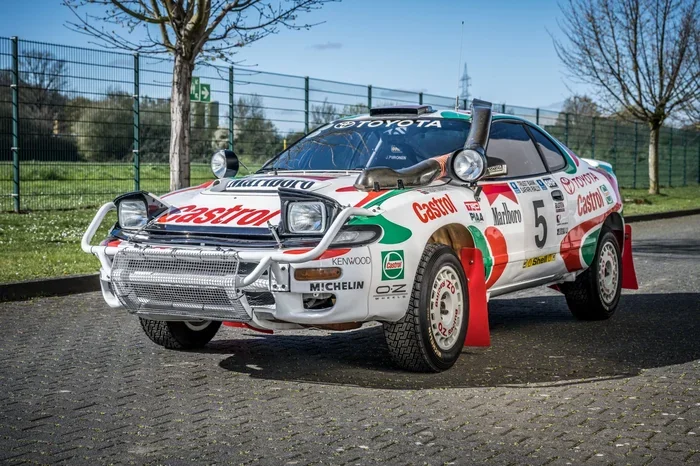
Toyota entered the Celica into the World Rally Championship in the early 1970s. The car dominated rallies for years. But to compete, Toyota had to follow homologation rules. These rules require manufacturers to build a certain number of street versions of a race car. This ensures that race cars are based on real production vehicles.
So Toyota built street versions of the rally Celica. These road cars came with performance modifications that made them far more powerful than standard models. The result was a car that was technically a “street car” but behaved like a rally car. And that is where the trouble began.
Emissions Regulations Tightened
In the 1980s and 1990s, governments around the world started tightening emissions regulations. The Celica’s high-performance engines did not always meet these new standards. The turbo versions in particular produced more pollutants than regulators were comfortable with.
In the United States, the Environmental Protection Agency set strict limits. The Celica GT-Four struggled to meet these requirements. Eventually, Toyota could not justify the cost of making the car compliant for the US market. That meant the most powerful Celica trims were never officially sold in America.
Safety Concerns with AWD Turbo Models
The biggest reason the Celica was banned comes down to safety. The AWD turbo versions of the Celica were incredibly powerful. They produced over 250 horsepower in some trims. That is a lot of power for a compact coupe.
These cars were built for rally stages, not public roads. The all-wheel drive system gave them incredible traction. But on wet or unpaved roads, they could become dangerous very quickly. Many accidents involved inexperienced drivers who underestimated the car’s capabilities.
Regulators in several countries decided the risk was too high. They banned the import and sale of certain Celica trims. The Celica GT-Four was at the center of this decision.
The GT-Four: The Most Controversial Trim
If there is one Celica that people associate with the ban, it is the GT-Four. This was the ultimate version of the Celica. It was a road-legal rally car that could destroy almost any car on the street.
What Made the GT-Four So Special
The Celica GT-Four came in several generations. The ST165, ST185, and ST205 are the most famous. Each one was more powerful and more advanced than the last.
The ST185, for example, featured a 2.0-liter turbo engine with all-wheel drive. It produced around 240 horsepower. It had a turbocharger, intercooler, and a sophisticated center differential. This was not a car for beginners. It required skill and respect.
The ST205 took things even further. It had a 3S-GTE engine with sequential turbocharging. Power output climbed to nearly 260 horsepower. The car was a beast on both tarmac and gravel. And that is exactly what made regulators nervous.
Why the GT-Four Was Banned
The GT-Four was banned in several markets for clear reasons:
- Too much power for a compact car on public roads.
- AWD turbo drivetrain made it unpredictable in wet conditions.
- Rally DNA meant the car was tuned for aggressive driving, not commuting.
- Emissions output exceeded legal limits in strict markets.
- Safety record showed higher accident rates among inexperienced drivers.
Toyota built the GT-Four to win rallies. But the street version carried the same DNA. That made it a dangerous car in the wrong hands. And that is why many countries drew the line.
Safety and Performance Concerns: The Real Danger
The Celica ban was not just about politics or regulations. It was also about real-world danger. The high-performance Celica trims posed genuine risks on public roads.
Power-to-Weight Ratio Problems
The Celica GT-Four had a power-to-weight ratio that rivaled supercars. With around 250 horsepower and a curb weight of just 1,400 kilograms, the car could accelerate brutally. That kind of performance is thrilling on a track. But on a city street? It is a recipe for disaster.
Many street racing incidents involved modified Celicas. Young drivers would push these cars beyond their limits. The results were often tragic. Rear-wheel-drive Celica models were especially prone to oversteer. The AWD turbo versions could snap into understeer without warning.
Handling Characteristics That Surprised Drivers
One of the biggest dangers of the Celica was how it handled. The rally-tuned suspension gave it incredible grip. But that grip could disappear in an instant. On a wet road, the all-wheel drive Celica could suddenly lose traction and spin.
Many drivers did not understand how to manage AWD turbo power. They treated the car like a normal daily driver. But the Celica GT-Four demanded respect. It rewarded skilled drivers and punished careless ones.
The Role of Aftermarket Modifications
Another factor that made the Celica dangerous was aftermarket modifications. Enthusiasts would boost the already impressive power output even higher. Some GT-Fours made over 400 horsepower with simple bolt-ons. That level of power in a lightweight coupe is extremely dangerous.
Regulators saw this trend and became more aggressive with restrictions. The performance modifications culture around the Celica made it even harder to justify allowing these cars on public roads.
How the Ban Affected Car Enthusiasts
The Celica ban hit car enthusiasts hard. For years, the GT-Four had been a dream car for JDM fans. Suddenly, the most exciting version of the car was off-limits in many countries.
The Import Ban and Its Impact
In the United States, the import ban meant that GT-Four models could not be legally brought in. The 25-year import rule eventually allowed some models to enter the market legally. But for decades, enthusiasts had to rely on gray market imports or wait for the law to catch up.
In Australia and Europe, similar restrictions applied. Some countries allowed earlier models but banned the turbo AWD versions. This created a confusing patchwork of car ban rules that frustrated enthusiasts worldwide.
What Enthusiasts Did Instead
Despite the ban, Celica fans found ways to keep the dream alive. Some turned to earlier rear-wheel drive models that were still legal. Others waited patiently for the right import window. And some accepted that certain cars are simply meant to stay on the right side of the law.
The ban also sparked conversations about car regulation in general. Should governments ban cars based on their potential for misuse? Where is the line between freedom and safety? These are questions that still resonate today.
Lessons Learned and the Legacy of the Ban
The Celica ban taught the automotive world some important lessons. It showed that performance cars need to be balanced with safety and emissions standards. It also highlighted the challenges of regulating rally-derived road cars.
How the Ban Changed Car Regulation
After the Celica ban, governments became more careful about import bans and performance car regulations. The lessons learned helped shape how countries handle high-powered vehicles today. The banned cars list concept became more refined and more consistent.
Toyota itself learned from the experience. Later models of the Celica were more focused on daily driving comfort rather than outright rally performance. The company shifted its motorsport efforts to other platforms.
The Celica’s Lasting Legacy
Despite the ban, the Celica remains one of the most beloved sports cars of all time. Its World Rally Championship legacy lives on. Car enthusiasts still celebrate the Celica as a symbol of JDM culture and import car history.
The ban may have kept certain models off the market. But it also cemented the Celica’s legend. The story of why the Celica was banned is a reminder of the thin line between fun and danger on the road.
Quick Tips for Celica Enthusiasts
If you love the Celica and want to stay on the right side of the law, here are some quick tips:
- Know your local laws before importing any Celica model.
- Stick to legal trim levels that meet emissions and safety standards.
- Avoid extreme modifications that push power beyond safe limits.
- Drive responsibly and never treat a high-performance car like a toy.
- Join car communities to stay informed about import and registration rules.
- Consider rear-wheel drive models if you live in a market with strict AWD turbo bans.
Common Mistakes People Make About the Celica Ban
There are several misconceptions about why the Celica was banned. Let us clear up a few of them.
Mistake 1: Thinking the entire Celica line was banned. Only specific high-performance trims were restricted. The standard Celica models were never banned in most markets.
Mistake 2: Believing the ban was only about speed. Emissions and safety concerns played just as big a role as raw performance numbers.
Mistake 3: Assuming the ban is permanent. Some banned models become legal after the 25-year import rule kicks in. Patience can pay off for enthusiasts.
Mistake 4: Ignoring the role of rally racing. The Celica was banned because of its World Rally Championship success. The road cars were simply the street-legal versions of proven race machines.
Mistake 5: Overlooking the safety data. The ban was not arbitrary. Real-world accident data showed that the GT-Four was involved in more incidents than average sports cars.
Expert Insights: Why the Celica Still Matters
Even though the Celica is no longer in production, its impact on the automotive world is undeniable. JDM experts agree that the Celica GT-Four represents one of the most exciting periods in sports car history.
The AWD turbo technology in the GT-Four was ahead of its time. It paved the way for modern all-wheel drive performance cars. Many of today’s sports cars owe a debt to the engineering Toyota pioneered with the Celica.
But the ban also serves as a cautionary tale. When a car is built primarily for racing, its road-legal version will always walk a fine line. The Celica pushed that line too far in some markets. And the consequences were a car ban that lasted for decades.
What This Means for Future Performance Cars
The lessons from the Celica ban continue to shape how automakers build performance cars today. Companies now design street versions with emissions and safety in mind from the start. The gap between race cars and road cars is wider than ever.
For enthusiasts, this means fewer truly extreme JDM cars on the market. But it also means safer roads and cleaner air. The Celica ban was painful for fans. But it was part of a larger shift toward responsible car regulation.
Key Takeaways
- The Celica GT-Four was banned in several countries because its AWD turbo setup was built for rally racing, not daily driving.
- Rally-derived performance made the Celica dangerously powerful for public roads and hard to control.
- Emissions and safety regulations in key markets like the US and Europe pushed the Celica off sale.
- Homologation rules meant Toyota built street versions of the rally car, blurring the line between road and track.
- Import bans still affect many Celica models today, especially the high-performance GT-Four trims.
- Car enthusiasts still love the Celica, but the ban shaped how JDM cars are regulated worldwide.
FAQ: Your Questions About the Celica Ban Answered
Was the entire Toyota Celica line banned, or just certain models?
Only specific high-performance trims were banned or restricted. The standard Celica models with smaller engines were generally legal in most markets. The GT-Four and other AWD turbo versions faced the most restrictions because of their rally-derived power and performance.
Can I still import a banned Celica model today?
It depends on your country and the car’s age. The 25-year import rule in the United States allows vehicles older than 25 years to be imported without meeting modern emissions standards. Some banned Celica models are now legal to import simply because they are old enough. But always check your local import ban regulations first.
What made the Celica GT-Four so dangerous on public roads?
The GT-Four had over 250 horsepower in a lightweight coupe body. Its AWD turbo drivetrain provided massive traction that could catch inexperienced drivers off guard. The rally-tuned suspension and aggressive power delivery made the car unpredictable on wet or unpaved roads. Many accidents happened because drivers underestimated what the car could do.
Did the Celica ban affect Toyota’s sales of other models?
The ban did not significantly hurt Toyota’s overall sales. The Celica was always a niche sports car. But the ban did affect the brand’s image among JDM enthusiasts. Toyota learned from the experience and shifted its focus toward more street-friendly performance cars in later years.
Are there any Celica models that are still banned today?
Yes, some early GT-Four models remain restricted or banned in certain countries. The ST185 and ST205 generations are the most commonly affected. These cars fall into a gray area where emissions and safety rules still apply, even decades after production ended.
What can I do if I want to own a Celica GT-Four legally?
Your best option is to wait for the 25-year import window or purchase a model that was already compliant when new. Work with a reputable import specialist who understands the regulations. Keep the car in stock condition to avoid running afoul of performance modification laws in your area.
Conclusion
The story of why the Celica was banned is a compelling chapter in automotive history. The Toyota Celica was never just a car. It was a symbol of speed, innovation, and the thrill of rally racing. But that same spirit of performance led to its downfall in several markets.
The Celica GT-Four was the most dangerous and the most exciting version of the car. Its AWD turbo engine, rally-bred engineering, and raw power made it too much for public roads in many countries. Emissions regulations, safety concerns, and homologation rules all played a role in the ban.
Today, the Celica remains a legend among JDM cars and import car enthusiasts. The ban may have kept certain models out of certain markets. But it also preserved the mystique of the Celica. If you ever get the chance to drive one, you will understand why this car was worth fighting for. Just remember to respect the power. Because that is exactly what made the Celica banned in the first place.
The legacy of the Toyota Celica lives on. And the lessons from its car ban continue to shape how we think about performance, safety, and the joy of driving.