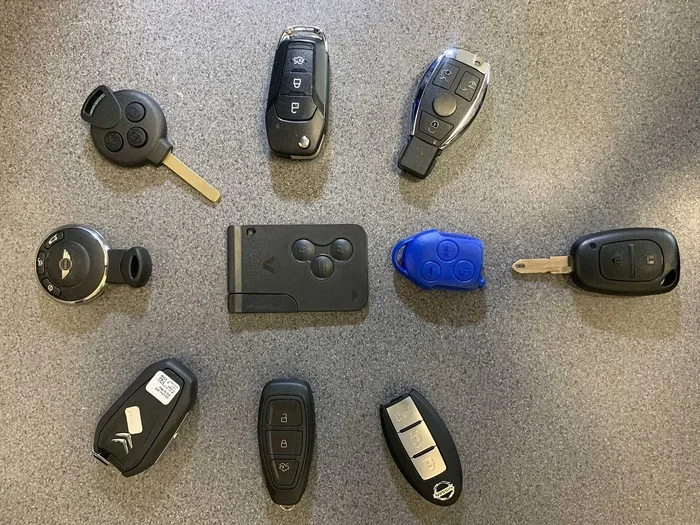
Will the Key in My Fob Start My Car When You Need It
Will the key in my fob start my car? Yes, in most cases it will. Your key fob contains a built-in key and a transponder chip that communicates with your car’s ignition system. However, a dead battery, signal interference, or a damaged fob can prevent it from working. Understanding how your key fob ignition system works helps you stay prepared and avoid getting stranded.
Have you ever stood next to your car, key fob in hand, wondering whether the key in my fob will actually start my car when I need it most? Will the key in my fob start my car is a question more drivers ask than you might expect. Whether you are dealing with a dead battery, a broken fob, or simply curiosity, understanding how your key fob ignition system works can save you time, money, and a lot of stress.
The good news is that most modern car keys and fobs are built to work reliably every single day. But “most” does not mean “all the time.” There are real situations where your electronic key might fail, leaving you standing outside your vehicle wondering what went wrong. Knowing what causes these failures and how to prevent them puts you miles ahead of the average driver. This guide covers everything you need to know about your key fob and whether it will get your car started when it counts.
We will walk through how the system works, why it sometimes fails, what you can do about it, and how to keep your remote keyless entry system running smoothly for years to come. Let us get into it.
Key Takeaways
- Your key fob has a physical key inside it: Most modern fobs include a hidden key blade you can use in emergencies.
- A dead fob battery is the #1 cause of failure: Replacing the battery is simple and inexpensive.
- Signal interference can block your fob: Electronics, metal objects, and distance can disrupt the signal between your fob and car.
- The immobilizer system must recognize your fob: If the car’s computer does not detect the transponder chip, it will not start.
- Regular maintenance prevents most problems: Swap out the battery every 1-2 years and keep your fob clean and dry.
- Push-button start vehicles use the same technology: The key fob still sends a signal even though there is no physical key turn.
- Know your backup options: Always carry the hidden key blade and know where your spare fob is located.
📑 Table of Contents
How Does a Key Fob Ignition System Work?
Before we answer whether your key fob will start your car, it helps to understand what is actually happening under the hood. Modern vehicles use a sophisticated ignition system that relies on wireless communication between your fob and the car’s computer. This is not magic, but it can feel like it when it works seamlessly every time you turn the car starter on.
The Role of the Transponder Chip
Every transponder key and smart key contains a small chip inside the fob. This chip sends a unique identification code to your car’s immobilizer system. The immobilizer is a security feature designed to prevent theft. When the car’s computer receives the correct code, it unlocks the ignition and allows the engine to start. If the code does not match, the car will not start, no matter how hard you try.
This vehicle recognition process happens in milliseconds. You press a button or turn the ignition, the fob sends its signal, the car checks the code, and if everything matches, you are good to go. The entire process is invisible to the driver, which is why most people never think about it until something goes wrong.
How Your Car Recognizes the Fob
Your car has a proximity sensor that detects when your key fob is nearby. In vehicles with push button start, the sensor looks for the fob inside the cabin. If the fob is within range, you can press the start button and the engine fires up. If the fob is not detected, the car will usually display a warning message on the dashboard.
The range varies by vehicle, but most fobs work within 30 to 50 feet. Some newer models can detect the fob even if it is in your pocket or bag. The car electronics inside the fob send a low-frequency signal that the car’s antenna picks up and verifies against its stored codes.
Quick Tip: If your car has a push button start system, always know where you placed your fob before you try to start the car. Placing it on the center console or in the designated tray ensures the strongest signal.
Will the Key in My Fob Start My Car Every Time?
The short answer is yes, but with some important caveats. Your key fob is designed to start your car reliably under normal conditions. However, several factors can interfere with that reliability. Understanding these factors helps you troubleshoot quickly when things do not go as planned.
When Everything Works as It Should
When your key fob battery is fresh, the fob is undamaged, and there is no signal interference, starting your car is effortless. You walk up to the vehicle, the doors unlock automatically, you step inside, press the start button, and the engine turns over. This seamless experience is what automotive key manufacturers work so hard to perfect.
Most drivers never experience problems because the system is designed with redundancy. The hidden key blade inside the fob can be used as a backup, and many cars allow you to place the fob directly on the start button or a designated sensor area if the battery is weak.
When the Fob Fails to Start the Car
So, will the key in my fob start my car when the battery dies? Not reliably. A low or dead key fob battery is the most common reason a fob fails to start the engine. Other causes include signal interference from nearby electronics, a damaged fob, a faulty ignition switch, or a problem with the car’s immobilizer system.
Cold weather also plays a role. In freezing temperatures, key fob batteries lose power faster, and the signal strength drops. This is why you might notice your fob working fine in summer but struggling in winter. The good news is that most of these issues have simple fixes, which we will cover below.
Expert Insight: Automotive locksmiths report that over 60% of “car won’t start” calls involving key fobs are caused by a dead battery in the fob itself. Always check the fob battery first before assuming something is seriously wrong with your vehicle.
Common Reasons Your Key Fob Will Not Start the Car
When your key fob fails, knowing the likely causes helps you fix the problem faster. Here are the most common reasons your car key fob might not start your vehicle.
Dead Key Fob Battery
This is the number one culprit. A key fob battery typically lasts between one and two years, depending on usage. When the battery gets low, you may notice the remote keyless entry range shrinking. Eventually, the fob will not have enough power to send the signal your car needs to start.
Replacing the battery is easy and cheap. Most fobs use a CR2025 or CR2032 coin cell battery. You can swap it out in seconds with a small flathead screwdriver. Just pop open the fob, remove the old battery, insert the new one, and snap the case back together.
Fob Signal Interference
Sometimes the problem is not your fob at all, but interference from other devices. Electronics, metal surfaces, and even other key fobs nearby can disrupt the signal between your fob and car. If you keep your fob in the same pocket as your phone or wallet, the signals can clash.
Common Mistakes: Placing your fob near large metal objects, stacking multiple fobs together, or keeping it in a bag lined with metal mesh can all weaken the signal. Try moving to a different location and holding the fob closer to the start button.
Immobilizer Issues
The immobilizer is your car’s built-in theft prevention system. If the immobilizer does not recognize the transponder code from your fob, it will not allow the engine to start. This can happen if the fob’s chip is damaged, if the car’s computer needs a reset, or if the key fob programming has been lost.
Immobilizer problems are less common than dead batteries, but they can be more serious. If your fob battery is new and the fob is close to the car, but the engine still will not turn over, the immobilizer might be the issue. A professional mechanic or locksmith can reprogram the system in most cases.
Worn-Out Key Blade
Even though most people use the electronic side of the fob, the hidden key blade inside can wear out over time. If you have ever used the physical key to unlock your door, you know that the metal can bend, chip, or wear down. A worn key blade may not turn the lock properly, which means you cannot even get inside the car to use the electronic start.
Quick Tip: Inspect your hidden key blade every few months. If you notice any bending or dullness, have a locksmith cut a replacement key. It is a small investment that prevents big headaches.
Comparison Table: Traditional Key vs. Key Fob Ignition
| Feature | Traditional Key | Key Fob |
|---|---|---|
| Starting Method | Physical key turn in ignition | Button press or push-button start |
| Battery Required | No | Yes (CR2025 or CR2032) |
| Signal Range | N/A | 30 to 50 feet |
| Theft Protection | Basic lock | Immobilizer with transponder chip |
| Common Failure Cause | Worn key blade | Dead battery or signal interference |
| Backup Option | Spare key | Hidden key blade or spare fob |
| Replacement Cost | Low ($5 to $20) | Moderate ($50 to $200+) |
What to Do When Your Key Fob Won’t Start the Car
So you are standing by your car and will the key in my fob start my car just became a real problem. What do you do? Stay calm. Most fob-related starting issues can be resolved with a few simple steps. Here is what to try.
Quick Troubleshooting Steps
- Check the fob battery. If the fob lights are dim or the remote does not unlock the doors, the battery is likely the issue. Replace it with a fresh CR2025 or CR2032 battery.
- Move closer to the car. Stand right next to the driver’s door or the start button. The closer the fob is, the stronger the signal.
- Remove other electronics. Take the fob out of your pocket away from your phone, wallet, or other devices. Try starting the car again.
- Use the hidden key blade. Most fobs have a physical key hidden inside. Use it to manually unlock the door, then place the fob directly on the start button (many cars have a backup sensor for this exact scenario).
- Try the spare fob. If you have a second fob, use it to rule out whether the problem is with the fob or the car.
These steps resolve the majority of key fob starting problems. If none of them work, the issue may be with the car itself rather than the fob.
Using the Backup Key Blade
Every key fob comes with a hidden metal key blade tucked inside the plastic casing. To access it, look for a small button or sliding latch on the fob. Press or slide it, and the blade pops out. You can use this blade to manually unlock your driver’s door in an emergency.
Once inside, some vehicles allow you to place the fob directly on the start button or a specific spot on the steering column. Check your owner’s manual for the exact location. This backup method works even when the fob battery is completely dead.
When to Call a Professional
If you have tried all the troubleshooting steps and your car still will not start, it is time to call in the experts. A qualified automotive locksmith can diagnose immobilizer issues, reprogram your key fob, and even replace the fob if necessary. A mechanic can check the ignition switch and car starter to rule out mechanical problems.
Common Mistakes: Do not try to force the key or press the start button repeatedly. This can drain what little battery power remains and sometimes trigger additional error codes. Also, avoid buying a cheap aftermarket fob online without checking compatibility. An improperly programmed fob can cause more problems than it solves.
How to Prevent Key Fob Starting Problems
The best way to deal with a key fob that will not start your car is to prevent the problem in the first place. A little regular maintenance goes a long way toward keeping your remote keyless entry and ignition system working flawlessly.
Regular Battery Replacement
Set a reminder to replace your key fob battery every 12 to 18 months. You do not need to wait for the fob to die. Proactive replacement prevents the surprise of a dead fob on a cold morning or when you are rushing out the door. Keep a spare battery in your glove box so you can swap it on the spot if needed.
Quick Tip: When you replace the battery, clean the battery contacts inside the fob with a dry cloth. Corrosion on the contacts can cause intermittent signal problems even with a new battery.
Keeping Your Fob in Good Shape
Treat your key fob with care. Avoid dropping it, exposing it to water, or leaving it in extreme heat. Fobs are designed to be durable, but they are not indestructible. A damaged fob can have a weakened signal or a broken transponder chip, both of which prevent the car from starting.
Store your fob away from other electronic devices when possible. A dedicated pocket or pouch for your fob reduces signal interference and keeps the fob in good condition. Also, if you live in an area with extreme cold, keep the fob close to your body. Your body heat helps maintain the battery’s charge in freezing temperatures.
Expert Insight: Many car dealerships and locksmiths recommend keeping a spare key fob programmed and stored in a safe place at home. If your primary fob fails, having a backup means you are never stranded. It also saves you from costly emergency locksmith calls.
The Future of Key Fob Ignition Technology
Key fob technology is evolving rapidly. Automakers are constantly finding new ways to make the ignition system more secure, more convenient, and more reliable. Understanding where the technology is headed gives you a glimpse into the future of driving.
Smart Key Systems
Modern smart key systems go far beyond simple remote entry. These systems use advanced proximity sensors and vehicle recognition software to detect your fob from multiple angles. Some cars can even detect whether you are sitting in the driver’s seat and will only start if the correct fob is present. This level of vehicle security makes car theft much harder and gives drivers real peace of mind.
Future smart keys may use Bluetooth Low Energy and ultra-wideband technology for even more precise detection. These advancements mean your car will know exactly where your fob is, reducing the chances of signal confusion or false negatives.
Push-Button Start Innovations
Push-button start systems are becoming standard across all vehicle segments, from economy cars to luxury SUVs. The technology behind push button start continues to improve, with faster signal processing and more reliable car electronics. Some manufacturers are experimenting with digital keys stored directly in your smartphone, eliminating the need for a physical fob altogether.
While smartphone-based keys are still in their early stages, they represent the next logical step in automotive key evolution. Until that becomes mainstream, your current key fob remains the most reliable way to start your car at the push of a button.
Key Takeaways:
- Your key fob uses a transponder chip to communicate with your car’s immobilizer.
- A dead battery is the most common reason a fob will not start the car.
- Signal interference, worn key blades, and immobilizer faults are other common causes.
- Regular battery replacement and proper storage prevent most problems.
- Always carry your hidden key blade and know where your spare fob is located.
- The future of key fob technology includes smartphone integration and smarter proximity sensors.
So, will the key in my fob start my car? Yes, it almost certainly will, as long as you take care of it. Treat your key fob well, replace the battery on schedule, and keep the backup key blade accessible. You will never have to worry about being stranded by a fob that will not start your engine. The system is designed to be reliable, and with a little basic maintenance, it will serve you faithfully for years to come.
Now that you understand how your key fob ignition works and what to do when things go wrong, you are better prepared than most drivers. Keep this guide handy, share it with friends who drive similar vehicles, and remember that a little knowledge goes a long way toward keeping your car running smoothly.
Frequently Asked Questions
Can I start my car with a completely dead key fob battery?
In most vehicles, yes. You can place the dead fob directly against the start button or a designated sensor area on the steering column or center console. The car’s backup antenna can still pick up a weak signal from the fob’s transponder chip. Check your owner’s manual for the exact procedure for your specific vehicle model.
How often should I replace my key fob battery?
Most key fob batteries last between 12 and 18 months. If you use your fob frequently for remote entry or remote start, the battery may drain faster. Replacing the battery once a year is a good habit that prevents unexpected failures.
What type of battery does my key fob use?
The most common batteries are CR2025 and CR2032 coin cell batteries. Check your vehicle’s owner manual or look at the old battery inside the fob to confirm the correct type. These batteries are available at most drugstores, grocery stores, and online retailers for just a few dollars.
Can a locksmith reprogram my key fob if it stops working?
Yes, a professional locksmith can reprogram most key fobs and resolve immobilizer issues. They can also cut a new key blade and program a replacement fob if the original is damaged beyond repair. This is usually much cheaper than going through a dealership.
Does cold weather affect key fob performance?
Yes, cold weather can reduce the effectiveness of your key fob battery. Low temperatures cause the battery voltage to drop, which weakens the signal. Keep your fob close to your body in winter to maintain warmth and signal strength. If your fob struggles in cold weather, replacing the battery often solves the problem.
Is it safe to buy a replacement key fob online?
It can be safe if you purchase from a reputable seller and ensure the fob is compatible with your vehicle. However, some aftermarket fobs require key fob programming that may need special equipment. For the best results, consider buying from an authorized dealer or having a locksmith handle the programming for you.