12 Percent Window Tint Explained What You Should Know
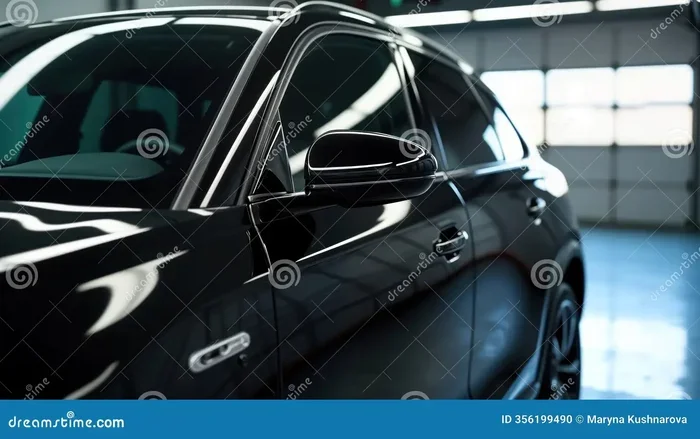
12 percent window tint is a deeply dark tint that allows only 12% of visible light to pass through your car windows. It offers excellent UV protection, heat rejection, and privacy but comes with strict legal restrictions in many states. This guide covers everything from tint darkness and VLT ratings to costs, benefits, and common mistakes to avoid.
Have you been looking into 12 percent window tint for your car? Maybe you saw it on a vehicle driving down the street and thought it looked incredibly sleek. Or perhaps you want more privacy, better heat control, and stronger UV protection for your daily commute. Whatever your reason, window tinting at this darkness level is a popular choice among car enthusiasts and everyday drivers alike.
But here is the thing. 12 percent window tint is not just about looks. There is a lot to understand before you commit. From VLT ratings and legal tint limits to installation costs and film types, there are many factors to consider. This guide breaks down everything you need to know in plain, simple language. By the end, you will feel confident making the right decision for your vehicle.
Let us start with the basics and work our way through the details. Whether you are a first-timer or looking to replace an old tint, this article has you covered.
Key Takeaways
- 12% VLT means very dark tint: Only 12% of light passes through, giving maximum privacy and heat reduction.
- Legal restrictions vary by state: Many states prohibit 12% tint on front side windows, so always check local laws.
- Multiple tint film types are available: Ceramic, carbon, and dyed films each offer different performance levels at different price points.
- Professional installation is recommended: DIY kits often lead to bubbles, peeling, and uneven application.
- Cost ranges from $200 to $600: Prices depend on vehicle size, film type, and whether you choose professional or DIY application.
- 12% tint provides strong UV protection: It blocks up to 99% of harmful UV rays that cause skin damage and interior fading.
- Check your state’s tint laws carefully: Violating window tint regulations can result in fines and failed inspections.
📑 Table of Contents
- What Is 12 Percent Window Tint?
- Benefits of 12 Percent Window Tint
- Types of Tint Film for 12 Percent Darkness
- Legal Restrictions and State Tint Laws
- Cost of 12 Percent Window Tint
- Installation Tips and Common Mistakes
- 12 Percent Window Tint vs. Other Darkness Levels
- Frequently Asked Questions
- Final Thoughts
What Is 12 Percent Window Tint?
Understanding VLT and Tint Darkness
The term 12 percent window tint refers to the Visible Light Transmission (VLT) percentage. VLT measures how much light the tint film allows to pass through your glass. A 12% VLT tint means only 12% of outside light enters the vehicle. The remaining 88% gets blocked by the film.
To put this in perspective, a clear window has a VLT of around 90% or higher. A factory tint on many new cars sits between 15% and 20%. So 12 percent window tint is darker than most factory options. It falls into what many people call a “deep tint” or “privacy tint.”
Here is a quick breakdown of common tint darkness levels for comparison:
- 50% VLT: Light tint. Good for glare reduction and mild UV protection.
- 35% VLT: Medium tint. Popular for a balanced look and decent heat rejection.
- 20% VLT: Dark tint. Offers strong privacy and significant heat reduction.
- 12% VLT: Very dark tint. Maximum privacy, heat rejection, and UV protection.
- 5% VLT (limo tint): Extremely dark. Often illegal for front side windows.
As you can see, 12% tint sits on the darker end of the spectrum. It is not as extreme as limo tint, but it is still one of the darkest options available for passenger vehicles.
How Tint Darkness Is Measured
Tint darkness is measured using a VLT meter. This device shines a light through the window and calculates the percentage of light that passes through. Professional installers use these meters to verify that your tint matches the advertised VLT level.
It is important to know that VLT is measured on the installed film, not the glass alone. So when you buy 12 percent window tint, the film itself should read at or very close to 12% on a VLT meter. Some lower-quality films may not perform as advertised, which is why choosing a reputable brand matters.
Benefits of 12 Percent Window Tint
Superior Heat Rejection
One of the biggest reasons people choose 12% window tint is heat rejection. When sunlight hits your car, it converts into thermal energy that heats up the interior. Darker tints block more solar energy than lighter tints, keeping your cabin cooler.
On a hot summer day, a car with 12% tint can be significantly cooler than one with no tint at all. Many drivers report a temperature difference of 10 to 15 degrees Fahrenheit inside the vehicle. This means less reliance on air conditioning, which can improve fuel efficiency over time.
Excellent UV Protection
Harmful ultraviolet rays from the sun can cause serious skin damage over time. They also fade your dashboard, seats, and trim. 12 percent window tint blocks up to 99% of UVA and UVB rays. This level of protection is especially valuable for people who spend long hours driving.
Think about it. You probably wear sunscreen when you go to the beach, but you sit in a car baking in the sun every day without protection. UV-blocking tint changes that. It acts like a shield for your skin and your car’s interior.
Enhanced Privacy and Security
Let us be honest. One of the main reasons people choose dark tint is privacy. With 12% VLT tint, people outside your car cannot easily see in. This is especially helpful if you carry valuables in your vehicle or park in public areas frequently.
Privacy also adds a layer of security. Potential thieves are less likely to target a vehicle they cannot see into. Whether you are parked at the mall or at a rest stop on a road trip, 12 percent window tint gives you peace of mind.
Reduced Glare
Driving with glare from the sun or headlights can be dangerous and uncomfortable. 12% tint significantly reduces glare, making your driving experience more comfortable. This is especially helpful during early morning and late afternoon drives when the sun is low.
Less glare also means less eye strain. If you drive long distances regularly, this benefit alone might be worth the investment.
Types of Tint Film for 12 Percent Darkness
Ceramic Tint Film
Ceramic tint is the premium option in the window tinting world. It uses nano-ceramic particles to block heat and UV rays without interfering with electronic signals. This means your GPS, phone connectivity, and radio signals will not be affected.
Ceramic films that achieve a 12% VLT are among the best available. They offer superior performance and durability. However, they also come at a higher price point. If you want the best of the best, ceramic 12% tint is the way to go.
Carbon Tint Film
Carbon tint film is a strong mid-range option. It provides excellent heat rejection and a matte finish that does not fade over time. Carbon films at 12% darkness look sleek and professional.
One advantage of carbon tint is that it does not contain metal, so it generally does not interfere with electronics. It is also more affordable than ceramic while still delivering excellent performance.
Dyed Tint Film
Dyed tint film is the most budget-friendly option. It uses dye layers to absorb heat and reduce light transmission. However, dyed films tend to fade and bubble over time, especially in hot climates.
If you are looking for a temporary or low-cost solution, dyed 12% tint can work. But for long-term performance, ceramic or carbon films are better choices.
Metalized Tint Film
Metalized tint contains tiny metal particles that reflect heat and strengthen the window. It is durable and offers good heat rejection at a moderate price. The downside is that metalized films can interfere with cell phone signals and GPS reception.
For 12% window tint, metalized options are available but less common than ceramic or carbon alternatives.
Legal Restrictions and State Tint Laws
Why Tint Laws Exist
Every state in the US has window tint laws. These regulations exist primarily for safety reasons. Law enforcement officers need to see through vehicle windows during traffic stops. Too-dark tint can create a safety hazard for both police officers and drivers.
Legal tint limits vary widely from state to state. Some states allow very dark tint on all windows, while others are much stricter. This is why it is crucial to research your specific state’s rules before installing 12% tint.
Common Legal Limits for Front Side Windows
In most states, the front side windows must allow at least 50% of light to pass through. This means 12% tint on front side windows would be illegal in those states. However, some states allow darker tints on front windows, and a few have no specific restrictions.
Here are some general guidelines by region:
- Northern states: Often allow darker tint on front side windows, sometimes as low as 35% VLT.
- Southern states: Tend to have stricter front window tint laws, often requiring 50% or higher VLT.
- Western states: Laws vary significantly. Some are lenient, others are very strict.
- Midwestern states: Generally fall in the middle range of tint law strictness.
Rear Windows and Windshield Rules
Most states are more lenient with rear side windows and rear windows. 12% tint on the rear windows is legal in many states. The front windshield usually has the strictest rules. Most states only allow a tint strip along the top of the windshield, typically no more than 4 to 6 inches down.
Some states also require dual side mirrors if the rear windows are tinted darker than a certain percentage. Always check your local regulations to avoid fines and failed inspections.
Medical Exemptions for Dark Tint
Some states offer medical exemptions for darker tint. If you have a medical condition that makes you sensitive to sunlight, you may be eligible for an exemption that allows darker tint than the standard legal limit. These exemptions typically require documentation from a licensed physician.
If you are considering 12% window tint and your state has strict laws, look into whether a medical exemption might apply to your situation.
Cost of 12 Percent Window Tint
Factors That Affect Tint Cost
The cost of 12% window tint varies based on several factors. The type of film you choose is the biggest variable. Ceramic films cost more than carbon, which costs more than dyed films. The number of windows you tint also affects the total price.
Vehicle size matters too. A compact car will cost less to tint than a full-size SUV or truck. Additionally, professional installation costs more than DIY kits, but the results are usually far superior.
Average Price Ranges
Here is a general cost breakdown for 12% tint installation:
- Dyed film: $100 to $250 for a full vehicle.
- Carbon film: $200 to $450 for a full vehicle.
- Ceramic film: $350 to $600+ for a full vehicle.
- DIY kit: $50 to $200, depending on film quality.
Remember, these are average prices. Your actual cost may vary based on your location, the installer’s expertise, and the specific film brand.
Is 12% Tint Worth the Cost?
For most drivers, 12% window tint is absolutely worth the investment. The benefits in heat reduction, UV protection, and privacy are significant. Plus, quality tint can extend the life of your car’s interior by preventing sun damage to seats and dashboards.
Think of it as a long-term investment in comfort and protection. A good tint job can last 10 to 15 years with proper care.
Installation Tips and Common Mistakes
Professional vs. DIY Installation
You can install 12% tint yourself using a DIY kit, or you can hire a professional. Both options have pros and cons.
Professional installation offers the best results. Trained technicians use high-quality equipment and have the experience to apply the film without bubbles, creases, or peeling. They also know how to handle curved glass and complex window shapes.
DIY installation saves money but comes with risks. Beginners often struggle with alignment, air bubble removal, and trimming the film correctly. If you go the DIY route, practice on a single window first and watch plenty of tutorial videos.
Common Mistakes to Avoid
Here are some frequent mistakes people make when installing or choosing 12% window tint:
- Choosing the wrong film type: Not all films perform equally at 12% VLT. Cheap dyed films fade quickly.
- Ignoring state laws: Getting fined for illegal tint is an expensive mistake. Always verify your state’s legal limits first.
- Skipping the curing process: Tint needs time to cure properly. Avoid rolling down your windows for at least 3 to 5 days after installation.
- Using harsh cleaners: Ammonia-based cleaners can damage tint film. Use ammonia-free products on tinted windows.
- Choosing the cheapest option: Budget tint often leads to bubbling, fading, and poor heat rejection. Invest in quality.
How to Care for Your 12% Tint
Proper care extends the life of your window tint significantly. Wait at least a week before cleaning your tinted windows. Use a soft microfiber cloth and a gentle, ammonia-free cleaner.
Avoid using abrasive sponges or rough towels on tinted glass. These can scratch the film and create cloudy spots over time. With proper care, your 12% tint can look great for many years.
12 Percent Window Tint vs. Other Darkness Levels
Choosing the right tint darkness depends on your priorities. Here is how 12% window tint compares to other popular darkness levels:
- 50% tint: Lightest option. Best for glare reduction and subtle appearance. Legal almost everywhere.
- 35% tint: Medium darkness. Popular balance of style, function, and legality.
- 20% tint: Dark and stylish. Good heat rejection. May be legal on all windows in some states.
- 12% tint: Very dark. Maximum privacy and heat rejection. Legal restrictions apply in most states.
- 5% tint: Limo tint. Maximum darkness. Often illegal on front windows.
For most people who want a truly dark look with maximum performance, 12% tint hits the sweet spot. It is darker than 20% or 35% but not as extreme as 5% limo tint. The result is a sleek, sophisticated appearance with serious functional benefits.
Frequently Asked Questions
Is 12 percent window tint legal in all states?
No, 12% tint is not legal on all windows in every state. Most states require front side windows to have a VLT of 50% or higher. Rear windows and rear side windows often have more relaxed limits. Always check your specific state’s tint laws before installation to avoid fines.
How much does 12 percent window tint cost?
The cost of 12% window tint typically ranges from $200 to $600 for a full vehicle when professionally installed. DIY kits can cost as little as $50 to $200. The final price depends on the film type, vehicle size, and whether you choose ceramic, carbon, or dyed film.
Can I tint my windshield with 12 percent film?
In most states, tinting the windshield with 12% film is not legal. Most states only allow a tinted strip along the top of the windshield, usually no more than 4 to 6 inches. The rest of the windshield must remain clear for safety and visibility reasons.
How long does 12 percent window tint last?
Quality 12% tint can last 10 to 15 years with proper care. Ceramic and carbon films tend to last longer than dyed films. Factors like climate, cleaning products, and installation quality all affect the lifespan of your tint.
Does 12 percent window tint block phone signals?
It depends on the film type. Metalized tint films can interfere with cell phone and GPS signals. Ceramic and carbon films, however, do not block electronic signals. If signal interference is a concern, choose ceramic or carbon 12% tint for the best results.
What is the difference between 12% tint and 5% limo tint?
The main difference is light transmission. 12% tint allows 12% of light through, while 5% limo tint allows only 5%. This makes limo tint significantly darker and more private. However, 5% tint is almost always illegal on front windows and is generally too dark for safe daytime driving.
Final Thoughts
12 percent window tint is an excellent choice for drivers who want maximum privacy, heat rejection, and UV protection. It gives your vehicle a sleek, dark appearance that turns heads on the road. With the right film type and professional installation, you can enjoy these benefits for over a decade.
However, the key to a successful tint experience is doing your homework. Understand your state’s legal tint limits. Choose a quality film that suits your needs and budget. And invest in proper installation, whether professional or carefully done DIY.
Whether you are tinting for comfort, style, or protection, 12% window tint delivers on all fronts. Take the time to research, pick the right installer, and enjoy the ride with a cooler, darker, more private cabin. Your car and your skin will thank you.