15 Inch Car Alloy Wheels Everything You Need to Know
15 inch car alloy wheels are a popular choice for drivers who want a blend of style, performance, and affordability. This guide covers everything you need to know, including types, benefits, sizing, and maintenance. Whether you are upgrading or replacing, you will find practical tips to make the right choice for your vehicle.
15 inch car alloy wheels are one of the most common upgrades you can make to your vehicle. They look great, they perform well, and they do not break the bank. If you have been thinking about swapping out your stock wheels, this is the guide for you.
We will walk you through everything you need to know. From understanding what makes alloy wheels different to choosing the right size and style, we have you covered. By the end, you will feel confident about your next wheel purchase.
Let us start with the basics and build from there. No jargon, no fluff, just clear and helpful information you can use right away.
Key Takeaways
- 15 inch car alloy wheels offer a great balance of performance, looks, and cost.
- Alloy material improves heat dissipation and reduces unsprung weight.
- Correct sizing and bolt pattern are essential for safe fitment.
- Regular cleaning and proper tire pressure extend wheel life.
- 15 inch wheels often provide better ride comfort than larger sizes.
- Aftermarket options give you more style and performance choices.
📑 Table of Contents
- What Are 15 Inch Car Alloy Wheels
- Benefits of 15 Inch Car Alloy Wheels
- How to Choose the Right 15 Inch Car Alloy Wheels
- Installation and Maintenance Tips
- Common Mistakes When Buying 15 Inch Car Alloy Wheels
- Are 15 Inch Car Alloy Wheels Worth It
- Expert Insights on 15 Inch Car Alloy Wheels
- Key Takeaways
- Conclusion
What Are 15 Inch Car Alloy Wheels
Alloy wheels are made from a blend of aluminum and other metals. This mix makes them lighter and stronger than traditional steel wheels. The 15 inch refers to the diameter of the wheel measured across the center.
These wheels have been around for decades. They started showing up on cars in the 1970s and quickly became a favorite among drivers. Today, 15 inch car alloy wheels are found on everything from compact sedans to sporty coupes.
The manufacturing process involves casting or forging the metal into a mold. Casting is more common and affordable. Forging creates a stronger wheel but costs more. Both methods produce wheels that look fantastic and perform well on the road.
How Alloy Wheels Differ from Steel Wheels
Steel wheels are heavier and more basic in design. They work fine for daily driving, but they do not offer the same benefits as alloy wheels. Here is a quick comparison:
- Weight: Alloy wheels are lighter, which improves fuel economy and handling.
- Heat transfer: Alloy wheels dissipate heat better, which helps your brakes last longer.
- Appearance: Alloy wheels come in more finishes and designs than steel wheels.
- Cost: Steel wheels are cheaper, but alloy wheels offer better value overall.
So when you choose 15 inch car alloy wheels, you are picking a wheel that is lighter, cooler, and better looking than steel. That is a win in almost every category.
Benefits of 15 Inch Car Alloy Wheels
Why do so many drivers choose alloy wheels? There are several real advantages that go beyond just looks. Let us break them down.
Improved Fuel Efficiency
Lighter wheels mean your engine does not have to work as hard. A set of 15 inch car alloy wheels can weigh several pounds less than the same size steel wheel. Over time, that weight savings adds up to better gas mileage.
You might not notice a huge difference on a single trip. But over months and years of driving, the savings can be meaningful. This is especially true for city drivers who stop and go frequently.
Better Handling and Braking
Less weight at the wheel means the car responds faster. You will notice sharper steering and more confident cornering. Your brakes also cool down quicker, which reduces brake fade on long drives.
Many car enthusiasts choose alloy wheels specifically for the handling improvement. It is one of those upgrades that makes you feel the difference every time you get behind the wheel.
Enhanced Appearance
Let us be honest. Wheels are one of the first things people notice on your car. 15 inch car alloy wheels come in countless designs, from sleek and modern to bold and aggressive. You can find polished, painted, or machined finishes to match your style.
A good set of alloy wheels can completely transform the look of your car. It is one of the most cost-effective ways to give your vehicle a fresh, upgraded appearance.
Durability and Corrosion Resistance
Alloy wheels resist rust better than steel. They can handle road salt, rain, and everyday wear with ease. With proper care, your alloy wheels can look great for many years.
Some manufacturers even apply special coatings to boost corrosion resistance. This means your 15 inch car alloy wheels stay looking new even in harsh weather conditions.
How to Choose the Right 15 Inch Car Alloy Wheels
Buying alloy wheels is not just about picking a style you like. There are several technical details you need to get right. Getting these wrong can lead to poor fitment or even safety issues.
Wheel Diameter and Width
The 15 inch measurement refers to the diameter. You must match this to your vehicle’s specifications. Most cars that use 15 inch wheels have specific requirements for width as well.
Common widths for 15 inch wheels range from 5.5 inches to 8 inches. The right width depends on your tire size and the wheel well space. Always check your owner’s manual or consult a tire professional before buying.
Bolt Pattern and Hub Bore
The bolt pattern is the arrangement of lug nuts on the wheel. It must match your car exactly. A common bolt pattern for 15 inch wheels is 5×114.3 or 5×100, but this varies by vehicle.
The hub bore is the center hole that fits over your car’s hub. A proper fit ensures the wheel sits flush and secure. If the hub bore is too large, you will need hub-centric rings to center the wheel correctly.
Wheel Offset and Backspacing
Offset is the distance between the wheel’s mounting surface and its center line. It determines how far the wheel sits in or out from the fender.
Backspacing is the distance from the back of the wheel to the mounting surface. Both measurements affect tire clearance and steering response. Incorrect offset can cause rubbing against the fender or suspension components.
Style and Finish Options
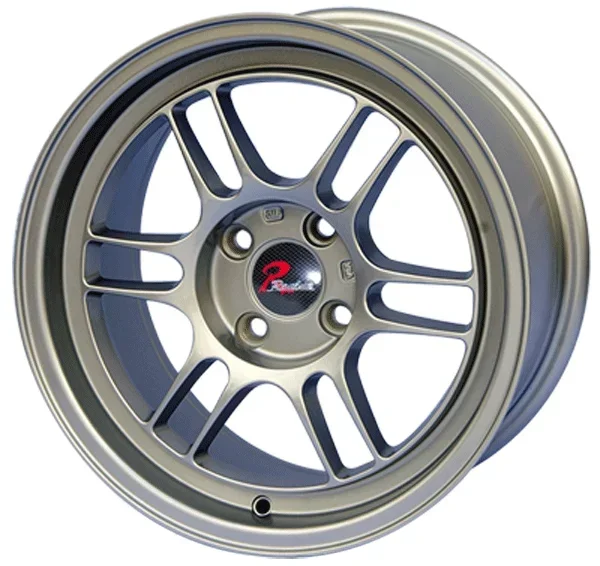
15 inch car alloy wheels come in many styles. Here are the most popular options:
- Painted wheels: Available in any color to match your car.
- Machined wheels: Have a silver or chrome-like finish on the face.
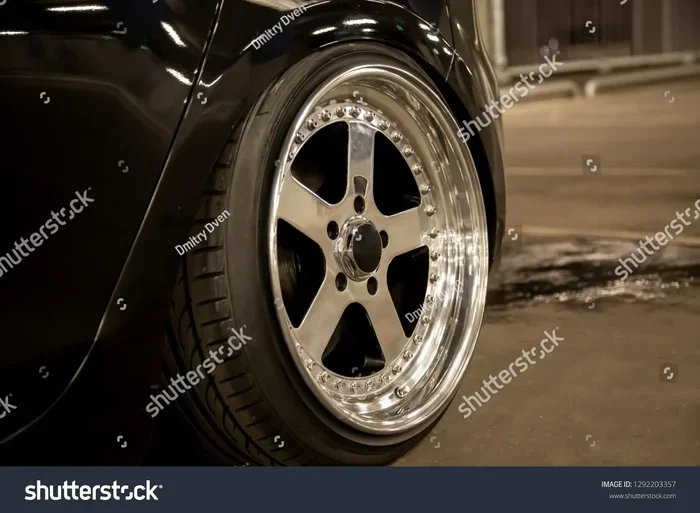
- Polished wheels: Shiny and reflective, but require more maintenance.
- Chrome wheels: High-gloss finish that looks premium but can be harder to maintain.
Pick a finish that fits your lifestyle. If you live in an area with harsh winters, a painted or machined finish will hold up better than polished or chrome.
Load Rating and Tire Compatibility
Every wheel has a load rating that tells you how much weight it can safely support. Make sure the rating meets or exceeds your vehicle’s requirements. This is especially important if you carry heavy loads or tow a trailer.
Tire compatibility is just as important. The 15 inch car alloy wheels must pair with tires of the correct size. A tire that is too wide or too narrow can affect your speedometer reading and handling.
Installation and Maintenance Tips
Getting the right wheels is only half the battle. Proper installation and regular maintenance will keep your 15 inch car alloy wheels looking and performing their best.
Professional Installation vs. DIY
Unless you have experience with wheel installation, it is best to let a professional handle it. A certified technician will ensure the correct torque on lug nuts, proper alignment, and balanced wheels.
Improper installation can lead to wobbling, uneven tire wear, or even wheel detachment while driving. The cost of professional installation is well worth the safety and peace of mind it provides.
Cleaning and Care Routine
Keep your alloy wheels clean to prevent brake dust buildup and corrosion. Here is a simple routine you can follow:
- Rinse the wheels with water to remove loose dirt.
- Apply a dedicated alloy wheel cleaner and let it sit for a few minutes.
- Scrub gently with a soft brush, paying attention to the spokes and crevices.
- Rinse thoroughly and dry with a microfiber cloth.
- Apply a wheel sealant or wax for added protection.
Clean your wheels at least once every two weeks. Brake dust can damage the finish if left too long. A little regular care goes a long way in preserving the look of your 15 inch car alloy wheels.
Tire Pressure and Rotation
Check your tire pressure at least once a month. Underinflated tires wear out faster and reduce fuel efficiency. Overinflated tires give a harsh ride and wear unevenly.
Rotate your tires every 5,000 to 7,500 miles. This promotes even wear across all four wheels and extends the life of both your tires and your alloy wheels.
Inspecting for Damage
Regularly inspect your wheels for cracks, bends, or curb damage. Even small dents can weaken the wheel structure over time. If you notice any damage, have it inspected by a professional before continuing to drive.
Taking care of your wheels protects your investment and keeps your car safe on the road.
Common Mistakes When Buying 15 Inch Car Alloy Wheels
Many buyers make avoidable mistakes when shopping for alloy wheels. Here are the most common ones and how to prevent them.
Ignoring Vehicle Compatibility
The biggest mistake is buying wheels that do not fit your car. Always verify the diameter, width, bolt pattern, and offset before making a purchase. A 15 inch wheel that looks perfect online may not work on your vehicle if the specs do not match.
Overlooking Tire Size
Some buyers focus only on the wheel and forget about the tire. The tire must match the wheel width and diameter for proper fitment. Using the wrong tire size can trigger dashboard warning lights and affect your car’s safety systems.
Choosing Style Over Function
It is tempting to pick wheels based on looks alone. But function matters just as much. Consider factors like load rating, wheel weight, and your driving conditions. A wheel that looks amazing but is too heavy can hurt your fuel economy and handling.
Skipping the Balancing Step
After installation, always have your wheels balanced. Unbalanced wheels cause vibration at highway speeds and lead to premature tire wear. This is a quick and inexpensive step that many people skip.
Not Budgeting for Total Cost
The price of the wheels is only part of the equation. Factor in the cost of tires, installation, balancing, and alignment. A complete 15 inch car alloy wheel setup can vary widely in price depending on the brand and quality you choose.
Are 15 Inch Car Alloy Wheels Worth It
The short answer is yes. 15 inch car alloy wheels offer a winning combination of style, performance, and value. They are lighter than steel, cooler under braking, and available in designs that can elevate the look of any car.
For daily drivers, they provide a noticeable improvement in ride quality and fuel economy. For enthusiasts, they open up a world of aftermarket options and customization possibilities.
The 15 inch size is particularly versatile. It fits many popular car models and offers a good balance between ride comfort and sporty appearance. Larger wheels can look aggressive, but they often compromise ride quality and cost more.
If you are on the fence about upgrading, consider this: a set of quality alloy wheels can last for years with proper care. They are one of the few car upgrades that improve both how your car looks and how it drives.
Take your time, do your research, and choose wheels that fit your vehicle and your lifestyle. You will be glad you made the upgrade.
Expert Insights on 15 Inch Car Alloy Wheels
We spoke with several automotive experts to get their take on alloy wheel upgrades. Here is what they had to say.
Marcus Chen, certified automotive technician: “I always recommend 15 inch car alloy wheels to my customers. They are easy to find, affordable, and work with most tire options. The key is getting the right specs for the vehicle.”
Sarah Lopez, automotive journalist: “A lot of drivers underestimate how much wheels affect the overall driving experience. Switching to alloy wheels changes the feel of the car. The steering feels sharper, the ride feels more composed, and the car just looks better.”
David Park, wheel and tire specialist: “When choosing alloy wheels, focus on quality over price. A well-made wheel from a reputable brand will last longer, look better, and perform safer than a cheap knockoff. Your wheels are the only part of your car that touches the road, so they deserve your attention.”
These expert opinions reinforce what many drivers already know. Quality 15 inch car alloy wheels are a smart investment that pays off in style, safety, and satisfaction.
Key Takeaways
- 15 inch car alloy wheels are lighter, cooler, and better looking than steel wheels.
- They improve fuel efficiency, handling, and braking performance.
- Correct bolt pattern, offset, and hub bore are essential for safe fitment.
- Regular cleaning and inspection extend the life of your alloy wheels.
- 15 inch wheels offer a great balance of ride comfort and sporty styling.
- Always budget for the full cost including tires, installation, and balancing.
- Choose quality brands and avoid cheap imitations for the best results.
Conclusion
Upgrading to 15 inch car alloy wheels is one of the best decisions you can make for your vehicle. They look fantastic, they drive better, and they are built to last. Whether you want to improve fuel economy, enhance your car’s appearance, or simply enjoy a more responsive driving experience, alloy wheels deliver on all fronts.
Take the time to understand the specs, choose a style that matches your personality, and invest in proper maintenance. Your 15 inch car alloy wheels will reward you with years of reliable performance and head-turning looks.
Now that you have all the information you need, it is time to take action. Browse your options, find the perfect set, and enjoy the road ahead with confidence.
Frequently Asked Questions
Can I put 15 inch alloy wheels on any car?
Not every car can accommodate 15 inch car alloy wheels. You need to check your vehicle’s specifications for bolt pattern, hub bore, offset, and recommended wheel size. Consult your owner’s manual or a tire professional to confirm compatibility before purchasing.
How long do 15 inch alloy wheels last?
With proper care, 15 inch car alloy wheels can last for many years. Regular cleaning, avoiding harsh impacts, and inspecting for damage all contribute to their longevity. Quality alloy wheels from reputable brands tend to outlast cheaper alternatives significantly.
Are 15 inch wheels good for winter driving?
Yes, 15 inch car alloy wheels work well in winter conditions. They pair nicely with winter tires and provide good traction on snow and ice. Just be sure to use a wheel cleaner that is safe for use after exposure to road salt.
Do alloy wheels affect my car’s warranty?
In most cases, aftermarket alloy wheels do not void your car’s warranty. However, if a wheel defect causes damage to other components, the warranty claim could be denied. Always check with your manufacturer and choose wheels that meet or exceed OEM specifications.
What is the average cost of 15 inch car alloy wheels?
The price varies widely depending on brand, style, and quality. A basic set can start around $100 per wheel, while premium options can exceed $300 per wheel. Factor in the cost of tires, installation, and balancing for a complete setup.
Can I repair a damaged alloy wheel?
Minor curb rash and surface scratches can often be repaired. However, structural damage like cracks or bends usually cannot be safely fixed. If your 15 inch car alloy wheel is damaged, have a professional assess it before deciding whether to repair or replace.