Are Tesla Tires Run-Flat Discover What You Need to Know
Are Tesla tires run-flat? The answer is no. Tesla vehicles do not come equipped with traditional run-flat tires. Instead, Tesla uses low rolling resistance tires paired with a Tesla tire repair kit rather than a spare tire. This design choice helps maximize interior space, improve energy efficiency, and deliver a smoother ride for Tesla owners.
If you own or are considering a Tesla, you have probably wondered about the tires. One question comes up a lot: are Tesla tires run-flat? The short answer is no. Tesla does not use traditional run-flat tires on any of its models. Instead, the company uses standard low rolling resistance tires that are designed for comfort, efficiency, and long-lasting performance. In this article, we will explore everything you need to know about Tesla tires, why they are not run-flat, what Tesla provides instead of a spare tire, and how to handle a flat if it ever happens to you.
Understanding your Tesla tires is important. Tires are the only part of your car that touches the road. They affect your range, your ride quality, your safety, and your overall driving experience. Whether you drive a Model 3, Model Y, Model S, or Model X, knowing what kind of tires you have and how to care for them will save you time, money, and stress in the long run.
Many EV owners assume that because Teslas are high-tech vehicles, their tires must be equally advanced in a specific way. The truth is that Tesla takes a practical approach to tire selection. They prioritize energy efficiency, ride comfort, and noise reduction over the run-flat technology that some other automakers use. Let us dive into the details and clear up any confusion you might have about Tesla tires and run-flat technology.
Key Takeaways
- Tesla tires are not run-flat tires: Tesla uses standard low rolling resistance tires, not the self-supporting run-flat kind.
- No spare tire is included: Tesla provides a tire repair kit instead of a traditional spare to save space and weight.
- Tesla Roadside Assistance covers flat tires: Owners can get help quickly through the Tesla app or by calling service.
- Low rolling resistance tires improve range: These tires are designed to reduce energy consumption and extend driving distance.
- Regular tire maintenance matters: Proper tire pressure, rotation, and monitoring help Tesla tires last longer and perform better.
- Run-flat tires are an aftermarket option: Some owners choose aftermarket run-flat tires, but Tesla does not recommend or install them by default.
📑 Table of Contents
- What Are Run-Flat Tires and How Do They Work?
- Are Tesla Tires Run-Flat? The Truth Revealed
- Why Tesla Chooses Not to Use Run-Flat Tires
- What Tesla Uses Instead of Run-Flat Tires
- Handling a Flat Tire on Your Tesla
- Tesla Tire Maintenance and Care Tips
- Can You Aftermarket Install Run-Flat Tires on a Tesla?
- Final Thoughts
What Are Run-Flat Tires and How Do They Work?
Before we answer the main question, it helps to understand what run-flat tires actually are. A run-flat tire is designed to keep working even after a puncture or loss of air pressure. You can typically drive on a flat run-flat tire for about 50 to 100 miles at reduced speed. This gives you time to reach a safe location or a service center without needing a roadside change.
How Run-Flat Technology Works
Run-flat tires have reinforced sidewalls. These thicker sidewalls support the weight of the vehicle even when there is no air inside the tire. The rubber and internal structure are built to handle the load. Some run-flat tires also have a support ring made of rubber or polymer that holds the car up when pressure is lost.
The big advantage is safety and convenience. You do not have to pull over to change a tire on the side of a busy highway. You can keep driving to your destination or a repair shop. However, run-flat tires come with trade-offs that we will look at below.
Pros and Cons of Run-Flat Tires
Run-flat tires have clear benefits, but they also have downsides that matter to many drivers.
- Pros: You can keep driving after a puncture. No need for a spare tire, which saves space and weight. Enhanced safety because you are less likely to have a sudden blowout.
- Cons: Run-flat tires are more expensive. They often provide a harsher ride because of the stiff sidewalls. They are harder to repair once punctured. Replacement costs can be significantly higher than standard tires.
Not every car manufacturer uses run-flat tires. Some brands, like BMW and Mercedes-Benz, have used them in the past, but many have moved away from them in recent years. Tesla is one of the manufacturers that chose a different path entirely. Understanding why requires looking at the unique needs of electric vehicles.
Are Tesla Tires Run-Flat? The Truth Revealed
Now let us get to the heart of the matter. Are Tesla tires run-flat? No, they are not. Tesla does not equip any of its vehicles with run-flat tires from the factory. Every Tesla comes standard with regular tires that have normal sidewalls. These tires are specifically chosen by Tesla engineers to match the performance needs of each model.
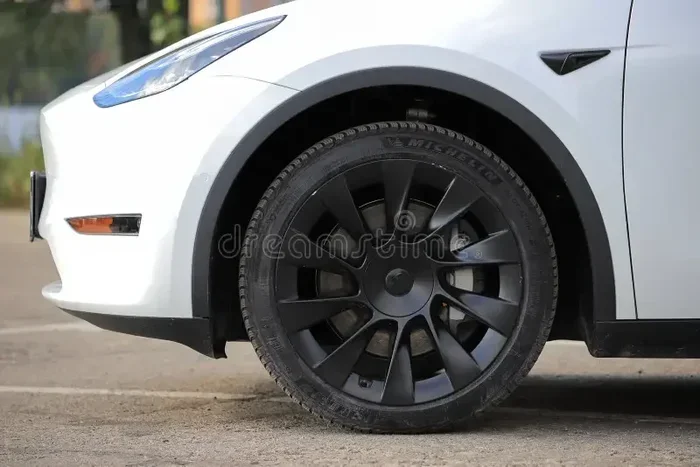
The tires used on Tesla vehicles are typically all-season tires designed for low rolling resistance. This means they create less friction with the road, which helps the electric motor use less energy. The result is better range and efficiency. Tesla works closely with tire manufacturers like Michelin, Continental, and Pirelli to develop tires that meet their strict standards for grip, durability, and noise levels.
Some people confuse the tire repair kit that Tesla includes with run-flat technology. That is a common mistake. The repair kit is simply a sealant and compressor that can temporarily fix a small puncture. It is not the same as a run-flat tire, which has a completely different internal structure and design. A run-flat tire has reinforced sidewalls and a special internal support system. The Tesla repair kit is just a canister of sealant and a small air compressor.
If you are shopping for Tesla tires or thinking about replacements, you will notice that the options are standard all-season or performance tires. You will not find run-flat tires listed as OEM equipment for any Tesla model. This is a deliberate choice by the company, and it has reasons we will explore next.
Why Tesla Chooses Not to Use Run-Flat Tires
Tesla has thought carefully about its tire strategy. The decision to skip run-flat tires is not an oversight. It is based on engineering priorities, customer experience, and the unique needs of electric vehicles. Here are the main reasons Tesla does not use run-flat tires.
Ride Comfort and Noise Levels
One of the biggest complaints about run-flat tires is ride quality. Because the sidewalls are stiffer and reinforced, run-flat tires tend to transmit more road noise and harshness into the cabin. Tesla places a high value on a quiet, smooth ride. The company has invested heavily in noise reduction, from acoustic glass to sound-deadening materials throughout the body. Using run-flat tires would work against that effort.
Tesla owners often praise the serene cabin experience. The tires play a big role in that. Standard tires with normal sidewalls absorb road imperfections better than run-flat tires. This means a more comfortable ride, especially on rough or uneven roads. For a car that is meant to feel luxurious and refined, the softer ride of standard tires makes perfect sense.
Cost and Replacement Considerations
Run-flat tires cost more than standard tires. For a company like Tesla that sells vehicles at various price points, keeping costs down matters. Run-flat tires can be 20 to 40 percent more expensive than their standard counterparts. That cost adds up, especially since Tesla tires may need replacement more frequently due to the instant torque and heavier battery weight.
Tesla also wants to keep maintenance affordable. By using standard tires, owners have more options for replacement. They can choose from a wider range of brands and price points. This gives Tesla owners more flexibility and control over their tire budget. It also means finding replacement tires is easier, since standard sizes are widely available at almost every tire shop.
Weight and Efficiency Impact
Electric vehicles already carry heavy battery packs. Tesla engineers work hard to offset that weight with lightweight components wherever possible. Run-flat tires are heavier than standard tires because of the reinforced sidewalls and additional materials. Adding more weight would reduce the range that Tesla owners expect from their vehicles.
Every extra pound matters in an EV. Tesla focuses on maximizing range, and choosing lighter standard tires is one way to achieve that goal. The low rolling resistance design of Tesla tires further supports this efficiency target. Together, these choices help Tesla deliver the impressive range figures that owners love.
Tire Pressure Monitoring System
Tesla vehicles come equipped with a tire pressure monitoring system, or TPMS. This system alerts you when tire pressure drops below the recommended level. Because Tesla relies on this technology rather than run-flat capability, staying on top of tire pressure becomes even more important. A slow leak will trigger a warning, giving you time to address it before it becomes a full flat.
You can check your tire pressure directly on the touchscreen in the vehicle. Tesla displays real-time pressure readings for each tire. This makes it easy to spot problems early. Simply keeping your tires at the correct pressure can prevent flats and extend the life of your tires significantly.
What Tesla Uses Instead of Run-Flat Tires
So if Tesla does not use run-flat tires, what does it provide? Let us look at the alternatives Tesla offers to keep you safe and mobile.
Low Rolling Resistance Tires Explained
Tesla uses low rolling resistance tires as the standard option across its lineup. These tires are engineered to minimize the energy lost as the tire rolls on the road. Less energy lost means more range for your electric vehicle.
These tires use special rubber compounds and tread patterns. The goal is to reduce friction without sacrificing grip or handling. Tesla tires are also designed to handle the instant torque that electric motors deliver. The tires need to transfer power to the road efficiently while maintaining stability and control. The tire sidewall construction is optimized for a balance of comfort and responsiveness.
Different Tesla models use different tire sizes and types. For example, the Tesla Model 3 may use 18-inch or 19-inch wheels depending on the trim. The Tesla Model Y offers similar options. The Tesla Model S and Model X use larger wheels, sometimes up to 22 inches on performance variants. Each size is paired with a tire specifically chosen for that model’s performance needs. Tesla also offers performance wheel and tire packages for owners who want a sportier look and sharper handling.
The Tesla Tire Repair Kit
Instead of a spare tire, Tesla provides a tire repair kit. This kit typically includes a sealant canister and a 12-volt compressor. If you get a small puncture, you can inject the sealant into the tire and use the compressor to reinflate it. This allows you to drive to a repair shop or a safe location.
The tire repair kit is lightweight and takes up very little trunk space. This is one reason Tesla can maximize the interior and cargo area of its vehicles. However, the kit is not a permanent fix. It is designed as a temporary solution to get you to a service center or tire shop.
It is important to note that the repair kit only works for small punctures in the tread area. It will not help with a sidewall damage, a large gash, or a completely flat tire. In those cases, you will need professional assistance. Always check the instructions that come with your kit so you know exactly what it can and cannot do.
Comparison: Run-Flat Tires vs. Tesla Standard Tires
Here is a side-by-side comparison to help you understand the differences between run-flat tires and the standard tires Tesla uses.
| Feature | Run-Flat Tires | Tesla Standard Tires |
|---|---|---|
| Run after puncture | Yes (50 to 100 miles) | No |
| Spare tire needed | No | No (repair kit instead) |
| Ride comfort | Harsher | Smoother |
| Noise level | Higher | Lower |
| Cost | Higher | More affordable |
| Repairability | Often not repairable | Usually repairable |
| Weight | Heavier | Lighter |
| Range impact on EV | Negative | Minimal |
| Replacement availability | Limited options | Wide range of brands |
| Tire warranty coverage | Varies by brand |
This table shows why Tesla’s approach makes a lot of sense for electric vehicles. The standard tires offer better comfort, lower cost, and less impact on range. For most Tesla owners, this is the better choice. The company’s engineers have clearly weighed the options and chosen the path that best serves the majority of drivers.
Handling a Flat Tire on Your Tesla
Even with the best tires, flats can happen. Road hazards like nails, screws, and sharp debris can cause punctures. Knowing what to do when a tire goes flat on your Tesla will help you stay calm and handle the situation effectively.
Tesla Roadside Assistance
Every Tesla comes with Tesla Roadside Assistance. This service is included with your vehicle and covers flat tires, towing, and other emergencies. If you get a flat, you can call for help directly through the Tesla app.
The process is simple. Open the app, go to Service, and select Roadside Assistance. You can request help for a flat tire, and a service van will be dispatched. In many cases, the roadside team can patch or seal the tire on the spot. If the tire cannot be repaired, they will arrange for a replacement tire or towing to a Tesla service center.
Roadside Assistance is available 24/7 in most areas. This is a huge benefit for Tesla owners. You do not need to worry about changing a tire on the side of the road, especially at night or in bad weather. This is one of the many perks of owning a Tesla, and it is especially valuable because Tesla does not include a spare tire.
Mobile Tire Service Options
In addition to Tesla Roadside Assistance, there are mobile tire service companies that can come to you. These services will come to your location and either repair or replace your tire on the spot. Many of them can even bring the exact Tesla tire model to match your existing set.
Mobile tire services are convenient, but they may cost more than a traditional tire shop. It is worth checking if your tire warranty or road hazard protection plan covers mobile service. Some Tesla insurance policies and third-party warranty plans include this coverage. Always verify what is included before you need the service.
Common Mistakes to Avoid
There are a few common mistakes Tesla owners should avoid when dealing with a flat tire. First, do not try to drive long distances on a completely flat tire. Tesla tires are not run-flat tires, so driving on a flat can damage the rim and the tire beyond repair. Second, do not use the tire repair kit for a large puncture or a sidewall injury. The sealant is only effective for small holes in the tread. Third, do not ignore the TPMS warning. If your dashboard shows a tire pressure alert, check the tire as soon as possible.
Fourth, do not attempt to change a Tesla tire on an uneven or soft surface. Teslas are heavy due to the battery pack, and jacking them up on an unstable surface can be dangerous. Always use a flat, hard surface and follow the instructions in your owner’s manual. Fifth, do not mix tire types on your Tesla. Using different brands or sizes on the same axle can cause handling problems and trigger warning messages on your dashboard.
Tesla Tire Maintenance and Care Tips
Taking care of your Tesla tires will help them last longer and perform better. Here are some practical maintenance tips every Tesla owner should follow.
Tire Pressure Monitoring System Best Practices
Your Tesla has a tire pressure monitoring system that displays the pressure for each tire on the touchscreen. You should check your tire pressure at least once a month. The recommended pressure is listed on the driver’s door jamb, not on the tire sidewall. The tire sidewall shows the maximum pressure, which is different from the recommended pressure for your vehicle.
Keeping your tires at the correct pressure improves range, handling, and tire wear. Underinflated tires create more rolling resistance, which reduces your range. Overinflated tires wear unevenly and provide a harsher ride. A simple habit of checking pressure monthly can save you from costly replacements and keep your EV tires performing at their best.
Tire Rotation and Wear Patterns
Tesla recommends rotating your tires every 6,000 to 8,000 miles. Regular rotation helps ensure even wear across all four tires. Because electric vehicles put different demands on tires compared to gas cars, rotation is especially important. The front tires on a Tesla often wear faster due to the combination of steering and torque delivery.
Watch for uneven wear patterns. If you notice that one side of the tire is wearing faster than the other, it could indicate an alignment issue. Getting your alignment checked regularly can prevent premature tire wear and improve your driving experience. Proper rotation also helps maintain balanced handling and extends the overall life of your Tesla tires.
Seasonal Tire Considerations
Tesla’s standard all-season tires work well in most conditions. However, if you live in an area with heavy snow or ice, you may want to consider winter tires. Tesla does not sell winter tires directly, but many aftermarket options are compatible with Tesla models. Just make sure to choose tires with the correct size and load rating for your specific model.
In warmer climates, all-season tires are usually sufficient. Just be aware that tire performance can change in extreme heat. Hot pavement can increase tire wear and affect pressure, so keep an eye on your TPMS readings during summer months. Storing your Tesla in a garage when possible can also help protect your tires from UV damage and temperature extremes.
Road Hazard Protection
Consider adding road hazard protection to your Tesla tire coverage. This type of protection can cover the cost of repairs or replacements due to punctures, road debris, and other hazards. Many Tesla owners find this worthwhile because EV tires can be expensive to replace, and road hazards are unpredictable.
You can purchase road hazard protection through Tesla or through third-party providers. Check the terms carefully to understand what is covered and for how long. This protection can give you peace of mind and save you money in the long run. It is especially valuable if you frequently drive on rough roads or construction zones where the risk of punctures is higher.
Can You Aftermarket Install Run-Flat Tires on a Tesla?
Some Tesla owners wonder if they can switch to run-flat tires after purchase. The short answer is yes, you can. Tesla does not prevent you from using run-flat tires. However, there are things to consider before making the switch.
First, run-flat tires may not fit properly on all Tesla wheel sizes. You need to match the tire size and load rating to your specific model. Second, the stiffer ride of run-flat tires may not suit everyone. Tesla owners who value comfort may find run-flat tires too harsh. Third, run-flat tires can affect the accuracy of the tire pressure monitoring system. The TPMS sensors are calibrated for the original tire specifications.
If you are considering run-flat tires for your Tesla, consult with a tire professional first. They can help you find the right fit and explain any potential impacts on your vehicle’s performance and warranty. Keep in mind that using aftermarket tires that differ from Tesla’s recommended specifications could affect your tire warranty. Always check with your Tesla service center before making any changes to your tire setup.
The expert consensus among Tesla mechanics and tire specialists is that standard Tesla tires are the best choice for most owners. They offer the best balance of comfort, efficiency, cost, and performance. Run-flat tires are a niche option that only makes sense for a small number of drivers in specific situations. For the vast majority of Tesla owners, the standard setup works perfectly well.
Final Thoughts
So, are Tesla tires run-flat? No, they are not. Tesla uses standard low rolling resistance tires that are designed for comfort, efficiency, and long-lasting performance. The company provides a tire repair kit instead of a spare tire, and Tesla Roadside Assistance is there to help if you ever get a flat.
This approach makes sense for electric vehicles. It keeps the car lighter, improves range, provides a smoother ride, and reduces costs for the owner. While run-flat tires have their place in the automotive world, they are not the right choice for Tesla’s philosophy of engineering. Tesla has made a deliberate decision to prioritize the driving experience and efficiency over the run-flat convenience.
If you are a Tesla owner or thinking about becoming one, understanding your tires is an important part of ownership. Keep your tire pressure in check, rotate your tires regularly, and know how to get help if you need it. With proper care, your Tesla tires will serve you well for thousands of miles.
Take the time to learn about your specific Tesla model’s tire requirements. Check with your Tesla service center if you have any questions about tire care, replacement, or warranty coverage. Being an informed owner means you can enjoy your Tesla with confidence, knowing that you have taken care of every detail, right down to the tires on the road.
Frequently Asked Questions
Can I put run-flat tires on my Tesla?
Yes, you can install run-flat tires on a Tesla as an aftermarket upgrade. However, Tesla does not recommend or endorse this change. Run-flat tires may affect ride comfort, TPMS accuracy, and your tire warranty. Always consult a tire professional before switching.
Why does Tesla not include a spare tire?
Tesla omits the spare tire to save space, reduce weight, and improve range. Instead, Tesla provides a tire repair kit with sealant and a compressor. This also frees up valuable trunk space for cargo.
How long do Tesla tires last?
Tesla tires typically last between 30,000 and 50,000 miles depending on driving habits, road conditions, and maintenance. Regular tire rotation and proper pressure monitoring can help extend their lifespan significantly.
What should I do if I get a flat tire in a remote area?
Use the Tesla app to contact Roadside Assistance. Tesla can dispatch help to most locations. In the meantime, pull over safely and turn on your hazard lights. Do not attempt to drive far on a completely flat tire.
Are Tesla tires covered under warranty?
Tesla tires are typically covered under the vehicle’s basic warranty for defects. Road hazard damage like punctures may not be covered unless you have additional road hazard protection. Check your specific warranty terms for details.
Do Tesla tires need special maintenance?
Tesla tires do not require special maintenance beyond what any car needs. Check tire pressure monthly, rotate tires every 6,000 to 8,000 miles, and inspect for uneven wear. Following these simple steps will keep your tires in great shape.