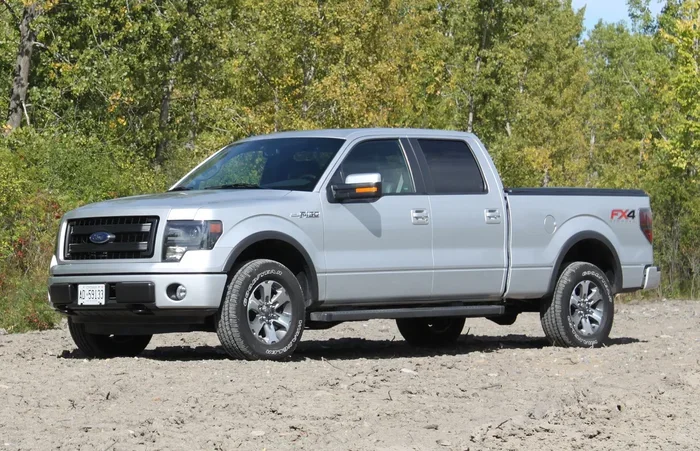
Are There Recalls on the 2013 Ford F150 You Should Know
Are there recalls on the 2013 Ford F150? Yes, several important recalls have been issued for this model year. This guide covers the most common recall issues, how to check if your truck is affected, and what steps to take to get your vehicle repaired at no cost. Stay informed and keep your F150 safe on the road.
Key Takeaways
- Multiple recalls exist: The 2013 Ford F150 has had several recalls covering brakes, powertrain, electrical systems, and safety components.
- Free repairs are available: All recall repairs are performed at no cost to the owner through authorized Ford dealers.
- Check your VIN: Using the NHTSA recall lookup tool or visiting your dealer is the fastest way to see if your specific truck is affected.
- Safety is the priority: Many recalls address critical safety systems like brakes, airbags, and fuel delivery that directly affect crash protection.
- Act quickly: Delaying recall repairs can put you and your family at risk, and may void certain warranty coverage.
- Stay updated: New recalls can be issued at any time, so regularly checking for updates is a smart habit for any F150 owner.
📑 Table of Contents
What Are the 2013 Ford F150 Recalls?
If you own a 2013 Ford F150, you have probably wondered about recalls at some point. The short answer is yes. 2013 Ford F150 recalls have been issued over the years, covering a range of components from brakes to the powertrain. Understanding these recalls is important for your safety and the long-term health of your truck.
The National Highway Traffic Safety Administration, or NHTSA, is the federal agency that tracks all vehicle recalls in the United States. When a safety defect is found, manufacturers like Ford are required by law to notify owners and offer free repairs. The 2013 F150 is no exception. Several recall campaigns have targeted specific issues that could affect performance or safety.
Not all recalls are created equal. Some address minor convenience features, while others involve critical safety systems. The key is knowing what affects your truck and taking action quickly. This article breaks down everything you need to know about 2013 Ford F150 recalls, from the most common issues to the steps you should take right now.
Let us dive into the details so you can keep your F150 running safely and confidently.
Understanding NHTSA Recall Notices
Every recall starts with an investigation. The NHTSA receives complaints from vehicle owners, monitors crash data, and works with manufacturers to identify defects. When a problem is confirmed, a recall notice is issued. This notice includes the specific component affected, the risk involved, and the repair solution.
For the 2013 Ford F150, recall notices have covered several areas. Ford recall notices are publicly available on the NHTSA website, and you can search by your vehicle identification number, or VIN, to see if your specific truck is affected. This is the single most reliable way to check for open recalls.
Common Recall Categories for the 2013 F150
The recalls issued for the 2013 Ford F150 generally fall into a few broad categories. Understanding these helps you prioritize which issues matter most.
- Brake system recalls: These address issues with the brake booster, brake lights, and overall stopping power.
- Powertrain and engine recalls: Problems with the fuel pump, transmission control module, and ignition system fall into this category.
- Safety system recalls: Airbag malfunctions, seat belt defects, and other crash-related components are covered here.
- Electrical system recalls: Wiring harnesses, dashboard warning lights, and ignition switches are common electrical issues.
Each of these categories can impact your daily driving experience. Some are more urgent than others. Let us look at the specific recalls in more detail.
Brake and Safety System Recalls
Brake-related recalls are among the most serious for any vehicle. When your brakes are not working correctly, the risk of a collision increases significantly. The 2013 Ford F150 has been subject to several brake and safety system recalls that every owner should know about.
Brake Booster and Brake Light Issues
One of the more notable recalls for the 2013 F150 involved the brake booster. The brake booster helps you apply force to the brakes with less effort. When this component fails, stopping your truck becomes much harder, especially in emergency situations.
Common symptoms of a failing brake booster include:
- A harder-than-normal brake pedal
- Increased stopping distance
- A hissing sound when you press the brake
- The brake warning light illuminating on the dashboard
If you experience any of these signs, do not wait. Visit your Ford dealer immediately. Brake repairs are not something you should delay, and if your truck is part of a recall campaign, the fix will be completely free.
Airbag and Seat Belt Concerns
Airbags and seat belts are your first line of defense in a crash. Recalls involving these systems are always taken very seriously. The 2013 Ford F150 has had recalls related to airbag deployment and seat belt pretensioner functionality.
These recalls address the risk that airbags may not deploy properly during a collision, or that seat belts may not tighten correctly to secure occupants. Both issues significantly increase the chance of injury in an accident.
Expert Insight: Always take airbag and seat belt recalls seriously. These are life-saving systems, and even a small defect can have serious consequences in a crash. If your 2013 F150 has an active recall in this category, schedule the repair as soon as possible.
Engine, Transmission, and Powertrain Recalls
The 2013 Ford F150 is a workhorse, and its powertrain takes a lot of abuse. Unfortunately, several powertrain-related recalls have been issued over the years. These recalls can affect your truck’s performance, reliability, and safety on the road.
Fuel Pump and Ignition Concerns
One of the more common issues reported by 2013 F150 owners involves the fuel pump. A failing fuel pump can cause the engine to stall unexpectedly or make it difficult to start the truck. In some cases, the fuel pump recall was linked to premature wear that could lead to a complete failure while driving.
The ignition system has also been a focus of recall campaigns. Issues with the ignition switch can cause the engine to stall while driving, which is obviously a serious safety concern. The key may also get stuck in the ignition position, preventing you from turning off the engine.
Transmission Control Module Problems
The transmission control module, or TCM, manages the shifting of gears in your F150. When this component has a defect, you may experience rough shifting, the truck entering limp mode, or difficulty accelerating. A 2013 Ford F150 recall targeting the TCM was issued to address software and hardware flaws that could cause these problems.
Transmission issues are not just inconvenient. They can also be dangerous if your truck unexpectedly shifts into the wrong gear or loses power while driving on the highway.
Powertrain Recall Comparison
Here is a quick comparison of the major powertrain-related recalls for the 2013 Ford F150:
| Recall Type | Severity | Common Symptoms | Typical Repair Time |
|---|---|---|---|
| Fuel Pump Failure | High | Engine stalling, no-start condition, loss of power | 2-3 hours |
| Ignition Switch Defect | High | Engine stalling while driving, key stuck in ignition | 1-2 hours |
| Transmission Control Module | Medium | Rough shifting, limp mode, delayed engagement | 2-4 hours |
| Brake Booster Malfunction | High | Hard brake pedal, increased stopping distance | 1-2 hours |
| Airbag Non-Deployment Risk | Critical | Airbag warning light, crash deployment failure | 2-3 hours |
This table gives you a clear picture of which recalls are most urgent. Critical and high-severity recalls should be addressed immediately. Medium-severity recalls are still important but can often be scheduled within a few weeks.
Quick Tip: Keep a copy of your recall notice in the glove box. When you visit the dealer, having the recall number handy speeds up the process and ensures you get the correct repair part the first time.
Electrical and Wiring Recalls
The 2013 Ford F150 relies on a complex network of electrical components to operate everything from the headlights to the infotainment system. Electrical recalls have been a notable concern for this model year, and understanding them can save you from unexpected breakdowns.
Ignition Switch and Electrical Failures
Electrical failures in the 2013 F150 can manifest in many ways. The ignition switch is one of the most common culprits. When the switch wears out or develops a defect, it can cause the truck to stall, the accessories to stop working, or the key to become stuck.
Wiring harness issues are another concern. Over time, wires can corrode or become damaged, leading to intermittent electrical problems. These issues can be frustrating to diagnose, which is why Ford issued specific recalls to address known wiring problems in certain production batches.
Dashboard and Warning Light Malfunctions
Dashboard warning lights are your truck’s way of communicating potential problems. When electrical recalls affect the dashboard, warning lights may illuminate incorrectly or fail to come on when they should. This can mask serious issues and leave you unaware of a problem until it becomes severe.
If you notice warning lights behaving erratically, do not ignore them. Have your truck checked by a professional, and verify whether any 2013 Ford F150 recalls apply to your specific vehicle.
Common Mistakes: Many F150 owners dismiss dashboard warning lights as minor glitches. This is a mistake. Even if the light turns off on its own, the underlying issue may still be present. Always get warning lights diagnosed promptly, especially if your truck has an active recall.
How to Check if Your F150 Is Affected
Knowing about recalls is one thing. Finding out if your specific truck is affected is another. Fortunately, Ford and the NHTSA make this process straightforward. You do not need to be a mechanic or a car expert to check for open recalls on your 2013 Ford F150.
Using the NHTSA Recall Lookup Tool
The NHTSA website offers a free recall lookup tool that anyone can use. Here is how it works:
- Go to the NHTSA recall lookup page on their official website.
- Enter your 17-digit vehicle identification number, or VIN.
- Click search and review the results.
Your VIN is located on the driver’s side dashboard, visible through the windshield. It is also listed on your vehicle registration and insurance documents. Using your VIN ensures you get results specific to your truck, not just general recall information for the 2013 F150 model.
Visiting Your Ford Dealer
Another reliable method is to visit your local Ford dealership. The service department can look up your VIN in their system and tell you immediately if any recalls are open. Most dealers can also perform the recall repair on the spot, often while you wait.
Many owners prefer this approach because it combines the check and the repair into one visit. You do not need to schedule a separate appointment for the recall fix.
Expert Insight: Do not rely solely on recall notices that may have been mailed to you. Address changes, lost mail, and dealership record-keeping errors can cause notices to go missing. Always verify your recall status using the NHTSA tool or by contacting your dealer directly.
What to Do When Your F150 Has an Active Recall
Finding out that your 2013 Ford F150 has an active recall can feel stressful. The good news is that the process is simple and the repair is free. Here is exactly what you need to do step by step.
Scheduling a Free Repair
Once you confirm that your truck has an open recall, contact your nearest Ford dealership to schedule the repair. Recall repairs are covered by the manufacturer at no cost to you, regardless of whether your warranty is still active. This is a federal requirement, and Ford dealers are obligated to honor it.
When you call, have your VIN ready. The service advisor will verify the recall and book the repair. Most recall repairs are completed within a few hours, though some may require parts that need to be ordered.
Can You Drive Your Truck While Waiting for the Repair?
This depends on the severity of the recall. For non-safety-related recalls, you can usually continue driving your truck while waiting for the appointment. However, for safety-related recalls, especially those involving brakes, airbags, or the fuel system, you should exercise caution.
If the recall affects a critical safety system, the dealer may advise you not to drive the truck until the repair is completed. Always follow the guidance provided in the recall notice and by the service advisor.
Common Mistakes: The biggest mistake truck owners make is ignoring recall notices. Some people assume the issue is minor or that they will get it fixed eventually. Delaying a recall repair can put your safety at risk and may complicate future warranty claims if the unresolved recall contributes to further damage.
What If the Dealer Says They Cannot Fix It?
In rare cases, a dealer may not have the necessary parts or training to complete a recall repair. If this happens, contact Ford customer service directly. They can escalate the issue and ensure the repair gets done at no cost to you. You can also reach out to the NHTSA if you feel your recall is not being handled properly.
Preventing Future Problems with Your F150
Recalls are a great tool for addressing known issues, but they are not a substitute for regular maintenance. Keeping your 2013 Ford F150 in top shape requires ongoing attention and care. Here are some practical steps you can take to prevent problems and stay ahead of any future recalls.
Regular Maintenance Tips
Routine maintenance is the foundation of a reliable truck. Follow the maintenance schedule outlined in your owner’s manual, and keep detailed records of all service visits. Here are some key maintenance tasks for the 2013 F150:
- Change the engine oil and filter every 5,000 to 7,500 miles
- Inspect the brake system at every oil change
- Check the transmission fluid level and condition regularly
- Replace spark plugs according to the maintenance schedule
- Monitor the fuel pump and fuel filter for signs of wear
- Keep the battery terminals clean and corrosion-free
Regular maintenance not only keeps your truck running smoothly but also helps you catch potential problems before they become serious enough to trigger a recall or cause a breakdown.
Staying Updated on New Recalls
Recalls can be issued months or even years after a vehicle is purchased. To stay informed, sign up for NHTSA email alerts and check the recall lookup tool periodically. You can also register your vehicle with Ford to receive direct recall notifications.
Making it a habit to check for recalls every few months is a simple but effective way to protect yourself and your investment. It takes just a few minutes and can save you from costly repairs or, more importantly, keep you safe on the road.
The Cost of Ignoring Recalls
Some owners worry about the cost of recall repairs, but there is no cost. Recall repairs are always free. The real cost of ignoring a recall is the risk to your safety and the potential for more expensive repairs down the road. A small brake issue that is addressed through a recall can become a major repair if left unattended.
Think of recalls as free maintenance that the manufacturer provides to fix known issues. Taking advantage of them is one of the smartest things you can do as a truck owner.
Quick Tip: Set a calendar reminder every six months to check for new recalls on your 2013 Ford F150. It only takes a couple of minutes and gives you peace of mind knowing your truck is up to date on all safety fixes.
Conclusion
The question of whether there are recalls on the 2013 Ford F150 has a clear answer. Yes, multiple recalls have been issued for this model year, covering important safety and performance components. From brake system defects to powertrain issues and electrical failures, these recalls address real problems that can affect your daily driving experience and your safety on the road.
The most important takeaway is that all recall repairs are free. You have nothing to lose by checking your truck’s status and scheduling any needed fixes. Ignoring a recall does not make the problem go away. In most cases, it only makes things worse and puts you and your passengers at greater risk.
Take a few minutes today to look up your VIN on the NHTSA website or visit your local Ford dealer. Knowing the status of 2013 Ford F150 recalls on your truck gives you the confidence that comes from knowing your vehicle is safe, reliable, and up to date. Your F150 has served you well. Give it the care and attention it deserves by staying on top of recalls and maintenance.
Do not wait for a problem to appear. Be proactive, stay informed, and keep your 2013 Ford F150 running strong for miles to come.
Frequently Asked Questions
How do I know if my 2013 Ford F150 has an open recall?
The fastest way is to enter your VIN on the NHTSA recall lookup website. You can also call your local Ford dealer and provide your VIN. The service advisor will check their system and let you know if any recalls apply to your specific truck.
Are recall repairs really free for the 2013 Ford F150?
Yes, all recall repairs are completely free. Federal law requires manufacturers to cover the cost of recall repairs, including parts and labor, regardless of the age of the vehicle or the status of the warranty. You should never pay for a recall repair.
What happens if I ignore a recall on my 2013 F150?
Ignoring a recall can be dangerous, especially if the recall affects safety systems like brakes, airbags, or the fuel system. Beyond the safety risk, unresolved recalls can also complicate future warranty claims and may reduce the resale value of your truck.
Can a recall be issued years after I bought the 2013 Ford F150?
Absolutely. Recalls can be issued at any time, even a decade after a vehicle is sold. This is why it is important to check for recalls regularly, not just when you first buy the truck. New defects are discovered through ongoing investigations and owner complaints.
How long does a typical recall repair take on the 2013 F150?
Most recall repairs take between one and four hours, depending on the complexity of the issue. Simple electrical recalls may be completed in under an hour, while powertrain or fuel system repairs may take longer. Your Ford dealer can give you an estimated time frame when you schedule the appointment.
What should I do if my Ford dealer cannot fix the recall right away?
If the dealer does not have the parts or expertise to complete the repair, ask them to escalate the issue to Ford customer service. You can also contact the NHTSA directly to report the problem. Ford is obligated to ensure the recall repair is completed, and they will work with the dealer to make it happen.
=== END ===