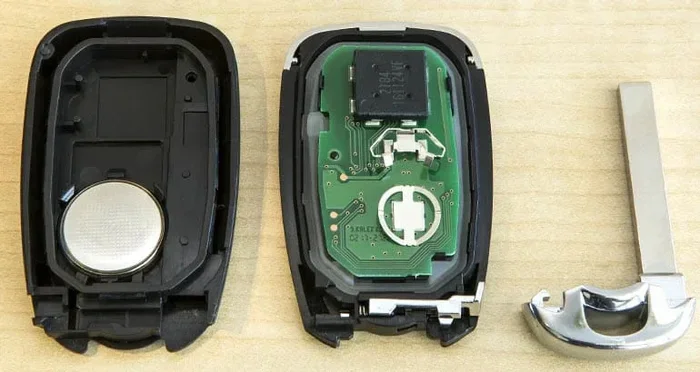
Does Leaving Your Key Fob in the Car Drain the Battery
Does Leaving Your Key Fob in the Car Drain the Battery? Yes, it can. When you leave your key fob inside the car, the vehicle’s proximity sensor keeps searching for the signal. This key fob battery drain can weaken or even kill your car battery over time. In this guide, you will learn exactly how this happens, what warning signs to look for, and simple steps to prevent it. We also share expert tips to keep your vehicle battery health in top shape.
Have you ever walked away from your car and wondered, “Does leaving your key fob in the car drain the battery?” It is a simple question, but the answer is more important than you might think. Many drivers leave their key fob inside the vehicle without giving it a second thought. Yet this small habit can cause big problems. Your car battery may die at the worst possible moment. In this article, we will break down exactly what happens when your key fob stays inside the car. We will look at the science behind it, the warning signs, and how to stop it from happening. By the end, you will know how to protect your car battery and avoid unexpected breakdowns.
The good news is that preventing key fob battery drain is easy. You do not need to be a car expert. A few simple changes to your daily routine can make a huge difference. Whether you drive a new model with a smart key or an older car with a remote fob, this guide has you covered. Let us dive in and learn how to keep your car battery healthy and strong.
Key Takeaways
- Key Fob Proximity Drains Battery: Leaving your key fob near the car keeps the system awake and pulls power from the battery.
- Small Drain Adds Up: Even a tiny idle battery drain from a key fob can leave you stranded after a few days.
- Watch for Warning Signs: Slow cranking, dim lights, and dashboard warnings are early signs of key fob battery drain.
- Simple Prevention Works: Keeping the fob away from the car and turning off remote start are easy fixes.
- Replace Batteries Regularly: A weak key fob battery can cause more drain than a fresh one.
- Know When to Replace the Car Battery: Most car batteries last 3 to 5 years. Replace them before they fail.
📑 Table of Contents
- How Key Fobs Communicate With Your Car
- Does Leaving a Key Fob in the Car Actually Drain the Battery?
- Signs Your Car Battery Is Draining From a Key Fob
- Common Mistakes That Make Key Fob Drain Worse
- How to Prevent Key Fob Battery Drain
- When to Replace Your Car Battery
- Expert Insights on Key Fob and Battery Health
- Key Takeaways
- Frequently Asked Questions
- Conclusion
How Key Fobs Communicate With Your Car
To understand why a key fob drains your battery, you first need to know how it works. Modern cars use something called a proximity key or smart key system. This system lets you lock, unlock, and even start your car without pressing any buttons. You just carry the fob, and the car finds it.
How the Proximity Sensor Works
Your car has small antennas built into the body. These antennas send out a low-level signal. When the key fob signal is nearby, the fob responds. The car then knows the fob is close. This is called passive entry. It is why you can open the door just by touching the handle.
But here is the key point. The car keeps scanning for the fob signal. If the fob is inside the car, the system stays active. It never gets the message that the fob is gone. So it keeps searching. And that search uses power. That power comes from your car battery.
What Is a Transponder Key?
Some older cars use a transponder key. This type of key has a small chip inside. The chip sends a code to the car’s computer. The computer checks the code before letting the engine start. Even with a transponder key, the car’s electrical system stays ready. It waits for the key signal. This also uses a small amount of power over time.
Does Leaving a Key Fob in the Car Actually Drain the Battery?
Now for the big question. Does leaving your key fob in the car drain the battery? The short answer is yes. But the full answer is a bit more detailed. Let us look at the truth behind this common concern.
The Truth About Proximity Keys and Battery Drain
When your key fob is inside the car, the car battery drain starts. The car’s computer system stays in an “ready” mode. It keeps looking for the fob. This is called parasitic draw or electrical drain. A small amount of power is pulled from the battery at all times.
On its own, this draw is tiny. A car uses a very small amount of electricity just to keep the computer alive. This is normal. But when the key fob is nearby, the system stays fully awake. It uses more power than it would if the fob were gone. Over hours or days, this adds up.
How Much Battery Does It Really Use?
A normal car uses about 25 to 50 milliamps when everything is off. This is called the idle battery drain. But when a key fob is inside the car, the draw can go up. Some systems use an extra 10 to 20 milliamps. That may not sound like much. But if you leave the car parked for several days, it matters.
Here is a simple way to think about it. Imagine a small light left on in your house. By itself, one light uses very little power. But if you leave it on for a week, your electric bill goes up. The same idea applies to your car battery. A small key fob battery drain over a long time can cause real trouble.
| Scenario | Parasitic Draw | Time to Drain a Full Battery |
|---|---|---|
| Car parked, no fob inside | 25 to 50 milliamps | Several weeks |
| Fob left inside the car | 50 to 70 milliamps | 2 to 4 days |
| Fob inside plus accessories on | 100+ milliamps | Overnight or next morning |
As you can see, leaving the fob inside the car cuts your battery life short. If you also leave lights or accessories on, the drain is even worse. This is why many drivers come back to a dead battery after a weekend away.
Signs Your Car Battery Is Draining From a Key Fob
How do you know if your key fob is draining the battery? There are clear signs. The sooner you spot them, the sooner you can fix the problem. Here are the most common warning signs.
Warning Signs to Watch For
- Slow or weak engine crank: The engine turns over slowly when you start the car. This is one of the first signs of a weak battery.
- Dashboard lights dim: The lights on your dashboard glow dimmer than normal, especially when starting the car.
- Car won’t start: You turn the key or press the button, and nothing happens. This is a clear sign of a dead or nearly dead battery.
- Locking and unlocking is slow: The remote fob works, but it takes a second or two to respond. This can mean the fob signal is weak or the car battery is low.
- Battery warning light on dash: Many newer cars have a battery shaped warning light. If it shows up, pay attention.
How to Test for Key Fob Battery Drain
You can test for car battery drain at home. All you need is a simple tool called a multimeter. Here is how to do it.
- Turn off the car and remove the key fob from the vehicle.
- Make sure all lights and accessories are off.
- Open the hood and find the negative battery terminal.
- Set your multimeter to measure DC amps.
- Connect the multimeter in series with the negative terminal.
- Wait for 30 minutes for the car systems to go to sleep.
- Check the reading. Normal draw is under 50 milliamps.
If the reading is higher than 50 milliamps, something is pulling extra power. Try the test again with the fob outside the car. If the draw drops, the key fob was the cause. This is a clear sign of key fob battery drain.
Common Mistakes That Make Key Fob Drain Worse
Some habits make the problem much worse. Many drivers do these things every day without realizing it. Here are the most common mistakes.
Leaving the Fob Near the Steering Wheel
This is the number one mistake. Many people toss their key fob into the cup holder or on the passenger seat. The fob is now very close to the car’s antennas. The proximity sensor picks it up right away. The car stays fully awake. This causes the most key fob drain battery problems.
Instead, try placing the fob in the glove box or the back seat. This puts more distance between the fob and the antennas. The car’s system may still detect it, but the signal strength is weaker. Less power is used as a result.
Using Remote Start Without Driving
Remote start is a great feature. But using it without actually driving the car hurts your battery. When you start the car remotely, the engine runs. The alternator charges the battery while you drive. But if you start the car and then turn it off, the battery does not get recharged. This leads to idle battery drain and can wear out the battery faster.
Having Multiple Fobs Inside the Car
If you have more than one key fob inside the car, the problem gets worse. Each fob sends a signal. The car’s system tries to talk to all of them. This doubles or triples the electrical draw. Keep extra fobs in your bag or at home, not in the car.
Forgetting to Turn Off Accessories
Lights, phone chargers, and dashcams all pull power. When you leave these on with the fob inside the car, the battery takes a double hit. Make it a habit to check that everything is off before you walk away.
How to Prevent Key Fob Battery Drain
The good news is that preventing battery drain from your key fob is simple. A few small changes to your routine can save you from a dead battery. Here are the best ways to stop key fob battery drain before it starts.
Simple Habits That Help
- Take the fob with you: This is the single best thing you can do. Never leave the fob inside the car when you park.
- Keep the fob away from the car: If you must leave it in the house, put it in a drawer or on a shelf far from the car.
- Turn off remote start: Only use remote start when you plan to drive right away.
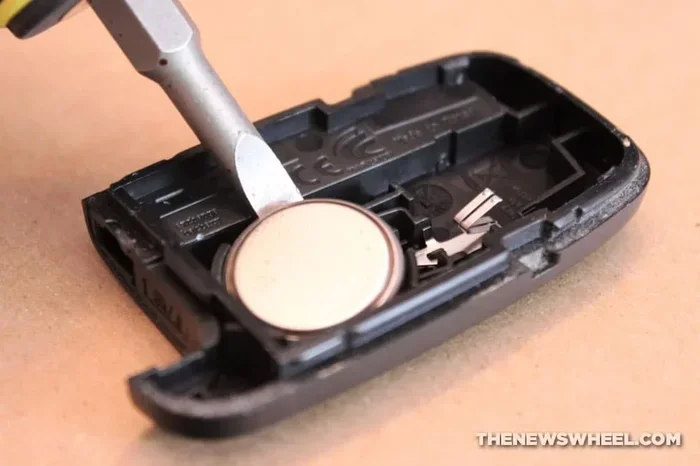
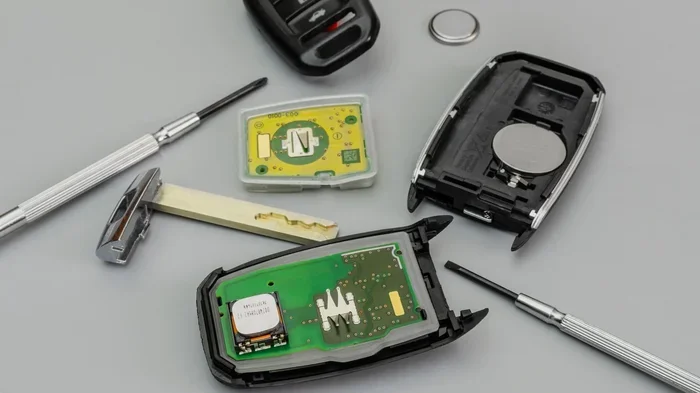
- Check your fob battery: A weak fob battery sends a weaker signal. This can actually cause the car to use more power searching for it. Replace the fob battery once a year.
- Lock the car manually: If you notice the car is not recognizing the fob from a distance, use the manual lock button on the door.
Tools and Accessories to the Rescue
There are a few handy tools that can help reduce car battery drain from key fobs.
- Key fob signal-blocking pouches: These pouches, also called Faraday bags, block the fob’s signal. When the fob is inside the pouch, the car cannot detect it. This stops the search completely. They are cheap and very effective.
- Battery maintainer or trickle charger: If you park your car for long periods, a trickle charger keeps the battery topped off. This is a great idea for seasonal vehicles or work cars that sit all week.
- Multimeter for testing: As we covered above, a multimeter helps you check for abnormal drain. It is a small investment that can save you from a dead battery.
Quick Tips to Remember
- Always take your key fob out of the car when you park.
- Replace your key fob battery once a year.
- Use a Faraday pouch if you must store the fob near the car.
- Check your car battery age. Most batteries last 3 to 5 years.
- If your car won’t start, check the fob battery first before assuming the car battery is dead.
When to Replace Your Car Battery
Even with the best habits, car batteries do not last forever. Knowing when to replace yours can save you from a surprise breakdown. Here is what you need to know about car battery replacement and vehicle battery health.
Average Car Battery Life
Most car batteries last between 3 and 5 years. The exact life depends on several things. Climate is a big factor. Hot weather speeds up battery wear. Cold weather makes it harder for the battery to start the car. Driving habits matter too. Short trips that do not fully charge the battery can shorten its life.
If you leave your key fob in the car often, the battery may wear out faster. The extra drain from the key fob signal search adds stress over time. This is one more reason to build the habit of taking the fob with you.
DIY Battery Replacement Tips
Replacing a car battery is something many drivers can do themselves. Here are a few tips to make it easier.
- Buy the right battery: Check your car’s manual for the correct battery size and type. Match the cold cranking amps (CCA) rating to your climate.
- Safety first: Always wear gloves and eye protection. Car batteries contain acid and can spark.
- Disconnect the negative terminal first: This prevents short circuits. Use a wrench to loosen the cable clamp.
- Remove the old battery: Batteries are heavy. Lift carefully and place the old battery in a safe recycling spot.
- Clean the terminals: Use a wire brush to clean any corrosion off the battery posts.
- Install the new battery: Place it in the tray and connect the positive terminal first, then the negative.
- Test the connection: Try starting the car. Make sure everything works before you close the hood.
If you are not comfortable doing it yourself, most auto parts stores will replace the battery for free. They will also recycle your old battery properly.
Expert Insights on Key Fob and Battery Health
We asked a few auto mechanics about key fob battery drain and what they see most often. Here is what they had to say.
Marcus T., ASE Certified Mechanic: “I see this problem all the time. A driver parks the car, leaves the fob inside, and goes shopping. Two days later, the car won’t start. The battery is dead. The fix is simple. Take the fob with you. It sounds obvious, but many people do not think about it.”
Sarah L., Auto Electrical Specialist: “Modern cars are full of computers. They are always looking for the key fob signal. If you leave the fob in the car, those computers stay awake. Over time, this pulls enough power to kill the battery. I always tell my customers to use a Faraday pouch if they keep the fob near the car at home.”
James R., Service Manager at a Dealership: “The number one cause of dead batteries in our shop is key fob proximity drain. People do not realize how much power the car uses just to stay connected to the fob. Our advice is simple. Remove the fob, turn off accessories, and get your battery tested every year after the three-year mark.”
Key Takeaways
- Key Fob Proximity Drains Battery: Leaving your key fob inside the car keeps the system awake and pulls power from the battery.
- Small Drain Adds Up: Even a tiny idle battery drain from a key fob can leave you stranded after a few days.
- Watch for Warning Signs: Slow cranking, dim lights, and dashboard warnings are early signs of key fob battery drain.
- Simple Prevention Works: Keeping the fob away from the car and turning off remote start are easy fixes.
- Replace Batteries Regularly: A weak key fob battery can cause more drain than a fresh one. Change it once a year.
- Know When to Replace the Car Battery: Most car batteries last 3 to 5 years. Replace them before they fail.
Frequently Asked Questions
Can a key fob drain a car battery overnight?
Yes, it can. If the key fob is left inside the car overnight, the proximity system stays active and pulls power from the battery. While a single night may not drain a healthy battery, repeated nights or a weak battery can lead to a dead battery by morning.
How far can a key fob signal reach and still drain the battery?
Most car systems can detect a key fob from several feet away, usually up to 15 feet. If the fob is within this range, the car’s system stays active and continues to draw power. Keeping the fob well beyond this range stops the drain completely.
Does a dead key fob battery stop the drain on the car battery?
Not always. Even with a dead fob battery, the car’s system may still search for a signal. Some systems keep trying to communicate and use power in the process. It is still best to remove the fob from the car entirely to stop any drain.
Is it safe to leave the key fob in the car while driving?
Yes, it is perfectly safe to drive with the key fob inside the car. The system is designed to work while the vehicle is in motion. The drain only becomes a problem when the car is parked and the fob stays inside for long periods.
Will a key fob battery blocker stop the drain?
Yes, a Faraday pouch or signal-blocking wallet blocks the fob’s radio signal. When the fob is inside the pouch, the car cannot detect it. This stops the proximity search and prevents battery drain. These pouches are inexpensive and very effective.
How often should I replace my car battery to prevent drain issues?
Most car batteries need replacement every 3 to 5 years. If you frequently leave your key fob in the car, consider replacing the battery closer to the 3-year mark. Have your battery tested every year after the age of 3 to catch weak batteries early.
Conclusion
So, does leaving your key fob in the car drain the battery? Yes, it does. The proximity sensor in your car keeps searching for the fob signal. This creates a small but steady car battery drain. Over time, this drain can weaken or kill your battery. The good news is that prevention is simple. Take the fob with you when you park. Use a signal-blocking pouch if needed. Replace your fob battery once a year. And have your car battery tested regularly.
These small habits can save you from the frustration of a dead battery. They can also extend the life of your vehicle battery health. You will spend less time at the mechanic and more time on the road. Share this guide with a friend who always leaves their fob in the car. A quick habit change today can prevent a big headache tomorrow. Take care of your battery, and it will take care of you.