Are All Toyota TPMS Sensors the Same for Every Model
Not all Toyota TPMS sensors are the same. Different Toyota models use varying tire pressure monitoring system technology, which means a sensor for a Toyota Corolla might not fit a Toyota Tundra. Understanding whether your vehicle uses a direct or indirect system is crucial for proper tire pressure light functionality and safe driving.
If you own a Toyota, you know how important it is to keep your car running right. One part that often gets overlooked is the tire pressure monitoring system. Many drivers ask a simple question. They ask, “Are all Toyota TPMS sensors the same?” The short answer is no. They are not the same.
Different Toyota models use different sensors. What works for a Toyota Camry might not work for a Toyota RAV4. This is a common mistake many car owners make. They buy a sensor, install it, and wonder why the tire pressure light stays on. Understanding your Toyota TPMS sensors is the first step to avoiding this headache. It saves you time. It also saves you money.
Let us look at why these sensors are different and how to pick the right one for your ride.
Key Takeaways
- Different Models, Different Sensors: Toyota TPMS sensors vary by make, model, and year.
- Direct vs. Indirect Matters: Know which system your Toyota uses before buying a replacement.
- OEM vs. Aftermarket: Original equipment manufacturer sensors ensure perfect fit, but aftermarket options exist.
- Battery Life is Key: TPMS sensor batteries eventually die and need replacement.
- Relearn Procedures Vary: Resetting the system differs across Toyota vehicles.
📑 Table of Contents
- Understanding Toyota TPMS Sensors and How They Work
- Why Toyota TPMS Sensors Differ Across Models
- The Importance of Using the Right TPMS Sensor for Safety
- Can You Swap TPMS Sensors Between Toyota Models?
- How TPMS Sensors are Programmed
- Common Mistakes When Replacing Toyota TPMS Sensors
- How to Find the Right Sensor for Your Toyota
- Conclusion
Understanding Toyota TPMS Sensors and How They Work
Your tire pressure monitoring system is a safety feature. It tells you when your air pressure is too low. Low tire pressure can cause accidents or flat tires. The system keeps you safe on the road. It also helps you save gas. Proper tire maintenance starts with knowing how your system works.
When you drive with low air pressure, your tires wear out fast. You might get a blowout. A blowout is very dangerous. The TPMS helps prevent this. It watches the air pressure in each tire. It sends a warning if the pressure drops. This gives you time to fix the problem. You should never ignore the tire pressure light.
There are two main types of this system in Toyota vehicles. One type uses a physical sensor. The other type uses a math trick. Both types have one goal. They want to warn you about low air in your tires. Let us look at each type closely.
Direct TPMS vs Indirect TPMS
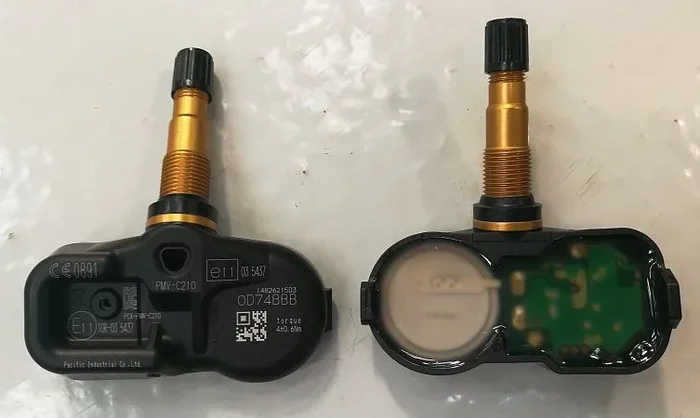
Direct TPMS uses a sensor inside each wheel. This sensor measures the exact air pressure. It sends the data to your car’s computer. When the pressure drops, the dashboard light turns on. The sensor sits inside the tire. It is attached to the valve stem. A small battery powers the sensor. This battery lasts for years. But it does die eventually. When it dies, you must replace the whole sensor.
Indirect TPMS works differently. It does not have a physical sensor inside the tire. Instead, it uses the wheel speed sensor. This sensor is part of your anti-lock braking system. If a tire is low on air, it rolls at a different speed. The car’s computer notices this difference. It then triggers the warning light on your dash.
Direct systems are more accurate. They give you the exact air pressure number. Indirect systems only tell you that one tire is different. They do not tell you the exact number. Most new Toyota models use direct TPMS. It is the safer and smarter choice. Toyota uses direct TPMS in cars like the Camry and the RAV4.
- Direct TPMS: Has a physical tire pressure sensor inside the wheel.
- Indirect TPMS: Uses the anti-lock braking system’s wheel speed sensor.
- Battery Life: Direct sensors have a battery that lasts about 5 to 10 years.
- Accuracy: Direct TPMS gives exact numbers. Indirect TPMS gives a general warning.
- Cost: Direct sensors cost more to replace than indirect systems.
Why Toyota TPMS Sensors Differ Across Models
Toyota makes many cars, trucks, and SUVs. Each vehicle has unique needs. That is why a Toyota Corolla sensor is not the same as a Toyota Tundra sensor. The design of the wheel and the rim size matter a lot. A small car needs a small sensor. A big truck needs a big sensor. The shape of the wheel changes from model to model.
The Role of Model Specifics
Older Toyota models often use different frequencies than newer ones. For example, a 2010 Toyota Camry might use a 433 MHz sensor. A 2020 Toyota Camry might use a 315 MHz sensor. Mixing these up will cause the tire pressure light to flash. It will not work right. The car will not read the sensor.
The valve stem type is another big difference. Some sensors use a rubber valve. Others use a metal valve. You must match the sensor to the wheel hole perfectly. If the hole is too big, the sensor will rattle. If it is too small, it will not fit. You must check both the hole and the sensor size. A loose sensor can fall off. This is very dangerous while you are driving.
Matching Sensors to Your Toyota
Here is a quick look at how sensors vary across popular Toyota models. Each model has its own needs. Always double-check before you buy. The right sensor keeps your car safe.
| Toyota Model | Typical TPMS Type | Sensor Frequency |
|---|---|---|
| Toyota Corolla | Direct TPMS | 433 MHz |
| Toyota Camry | Direct TPMS | 315 MHz or 433 MHz |
| Toyota RAV4 | Direct TPMS | 433 MHz |
| Toyota Tundra | Direct TPMS | 315 MHz |
Always check your owner’s manual. It will tell you exactly what kind of tire pressure sensor your car needs. You can also look at the old sensor. It will have a part number on it. Write that number down before you go shopping. This simple step saves a lot of trouble.
The Importance of Using the Right TPMS Sensor for Safety
Using the wrong sensor is not just an inconvenience. It can be a safety risk. The tire pressure monitoring system is there to protect you. If it does not work right, you might not know you have a flat. Driving on a flat tire is very bad. It can ruin the rim. It can also cause a crash.
Toyota engineers design the sensors for each model. They test them for the exact wheel size. They also test them for the right air pressure range. A sensor made for a small car might not handle the weight of a truck. The sensor could break. This is why you must use the right part for your specific Toyota.
Always follow the guidelines in your owner’s manual. Do not guess. If you are not sure, ask a dealer. They know the Toyota TPMS sensors inside and out. They can match the part to your car perfectly.
Can You Swap TPMS Sensors Between Toyota Models?
Sometimes you can, but it is risky. Swapping sensors between wheels might work if they are the exact same model year. But crossing over to different Toyota models is a bad idea. The computer might not talk to the new sensor. You will get an error code. The tire pressure light will stay on.
OEM vs Aftermarket Options
OEM parts are made by Toyota. They are designed specifically for your car. OEM parts ensure perfect fit and easy programming. Aftermarket TPMS parts are made by other companies. They are often cheaper, but they may not work the same way. Some aftermarket sensors are universal. You have to program them yourself. This requires a TPMS tool. If you do not have the right tool, you cannot reset the system.
Universal sensors sound like a good deal. They cost less money. But they take more time to install. You must program them with a TPMS tool. You must also match the frequency. If you do not match the frequency, the system will fail. The tire pressure light will stay on. You will have to try again.
- OEM Parts: Perfect fit, easy programming, higher cost.
- Aftermarket TPMS: Cheaper, requires a TPMS tool, might not fit perfectly.
The Relearn Procedure Challenge
When you install a new sensor, you must teach the car about it. This is called the relearn procedure. Every Toyota model has a different relearn process. You cannot use one method for all cars. The steps are very specific to each model.
For some Toyotas, you press a button under the steering wheel. For others, you need a scan tool. The process is different for the Toyota Camry than it is for the Toyota RAV4. If you use the wrong sensor, the relearn procedure will fail. The tire pressure light will stay on. You will have to try again.
Always follow the steps in your owner’s manual. Do not skip any steps. The relearn procedure is very important. It tells the car’s computer about the new tire pressure sensor. Without it, the system does not know the sensor is there. You will keep getting warning lights.
How TPMS Sensors are Programmed
Programming a tire pressure sensor is not like changing a light bulb. You need the right equipment. A TPMS tool is required for most sensors. This tool talks to the car’s computer. It sends the sensor ID to the computer. The computer then recognizes the new part.
The TPMS tool reads the sensor ID. It then sends that ID to the car. This is called registration. You must do this for each sensor. If you have four new sensors, you must register all four. Skipping one will cause an error. The tire pressure light will flash instead of staying solid.
Without programming, the car will not see the sensor. The light will stay on. You will not get any readings. This is a common problem for people who buy universal sensors. They forget the programming step. Always use a TPMS tool to program the sensor. It takes just a few minutes.
Tools You Will Need
- TPMS Tool: This device programs the sensor. It costs about 50 to 200 dollars.
- Valve Core Tool: This removes the old valve core. It helps with installation.
- Torque Wrench: This ensures the sensor is tight. It prevents damage to the wheel.
- Owner’s Manual: This has the relearn steps for your car.
Common Mistakes When Replacing Toyota TPMS Sensors
Replacing a tire pressure sensor is not too hard. But many people make simple mistakes. Avoiding these will save you time and money. It will also save you from a trip to the auto parts store. Many people think it is easy. But it takes the right part and the right tools.
Quick Tips for Success
- Always check the part number before you buy.
- Make sure the sensor matches the frequency of your car.
- Do not mix rubber and metal valve stems unless they fit.
- Reset the system after installing new sensors.
- Check the air pressure with a gauge after you finish.
- Clean the wheel threads before you install the sensor.
- Use a torque wrench to tighten the sensor. Do not over tighten it.
- Check the battery life of the old sensor before buying a new one.
Common Mistakes to Avoid
The biggest mistake is assuming all sensors are the same. Another mistake is ignoring the battery. The sensor battery dies after a few years. When it dies, you must replace the whole sensor. You cannot just change the battery on most Toyota tire pressure sensors. The battery is built into the sensor.
Also, some people forget to check the air pressure after replacing the sensor. Proper tire maintenance means checking your air pressure monthly. This keeps your tires wearing evenly. It also keeps you safe on the road. A new sensor will not fix a tire that is already flat.
Another common error is forcing the sensor in. If it does not fit easily, stop. You might be using the wrong part. Forcing it can break the valve stem. Then you will have a slow leak. This causes the tire pressure light to come on again. You will have to start over.
Some people try to replace only one sensor. This is a bad idea. If one sensor died, the others are close to dying too. They have the same age. It is better to replace all four sensors at once. This saves you from coming back next month with another dead sensor. It is a smart move for long term tire maintenance.
How to Find the Right Sensor for Your Toyota
Finding the right part does not have to be hard. You just need the right information. Start with your vehicle identification number. This number tells the store exactly what you need. It is the best way to find the correct Toyota TPMS sensors. You can find the VIN on the driver side door frame.
Expert Insights on Toyota TPMS
Experts say you should always use a TPMS tool for programming. It ensures the sensor is paired correctly. This is especially true for newer Toyota models. The technology changes fast. Old tools might not work on new cars. You need a tool that supports your year and model.
If you are unsure, ask a professional mechanic. They know the wheel speed sensor and TPMS details for your specific Toyota. They can help you avoid buying the wrong part. A mechanic can also do the relearn procedure for you. This saves you a lot of hassle. It is worth the extra cost if you are not sure.
Some people try to save money by buying used sensors. This is a risky move. You do not know the battery life of a used sensor. It might fail in a few months. It is better to buy a new OEM sensor or a new aftermarket sensor. You will have peace of mind. Your car will run right.
Always keep your tire pressure at the right level. Check the sticker inside your driver door. It tells you the right air pressure for your car. Keeping the right pressure makes your tires last longer. It also makes your car safer to drive. Good tire maintenance is easy when you know what to do.
Conclusion
So, are all Toyota TPMS sensors the same? No, they are not. Each Toyota model needs a specific sensor to work right. Whether you drive a Toyota Corolla or a Toyota Tundra, you must match the sensor to your car. The frequency, the valve type, and the model year all matter.
Take your time when buying a replacement. Check the frequency, the valve type, and the model year. Proper tire maintenance keeps you safe on the road. It also makes sure your tire pressure light stays off. Now you know exactly what to look for when it is time to replace your Toyota TPMS sensors. Keep your tires full and your car running smooth. Safe driving starts with the right parts.
Frequently Asked Questions
Do all Toyota models use the same TPMS frequency?
No, Toyota models use different frequencies like 315 MHz or 433 MHz. You must match the frequency to your specific vehicle. Using the wrong frequency will cause the tire pressure light to malfunction.
Can I use an aftermarket TPMS sensor on my Toyota?
Yes, you can use aftermarket parts, but they must be programmed correctly. You will need a TPMS tool to reset the system. Always make sure the aftermarket sensor matches your model year.
How do I know if my Toyota has a direct or indirect TPMS?
Check your owner’s manual for the tire pressure monitoring system details. Direct TPMS has a valve stem visible inside the wheel. Indirect TPMS uses the wheel speed sensor and has no valve inside the tire.
How often do Toyota TPMS sensor batteries need replacement?
The sensor battery usually lasts between 5 and 10 years. When the battery dies, you must replace the entire sensor. You cannot just swap out the battery on most Toyota tire pressure sensors.
What is the relearn procedure for Toyota TPMS?
The relearn procedure teaches the car about the new tire pressure sensor. The process varies by model, like the Toyota Camry or Toyota RAV4. Some models require a button under the steering wheel, while others need a scan tool.
Why is my tire pressure light still on after replacing the sensor?
This usually happens if the relearn procedure was not completed. It can also mean the sensor battery is dead or the air pressure is still low. Double-check your tire maintenance and ensure the OEM sensor or aftermarket part is properly seated.