Are Toyota Batteries Good for Long Lasting Performance
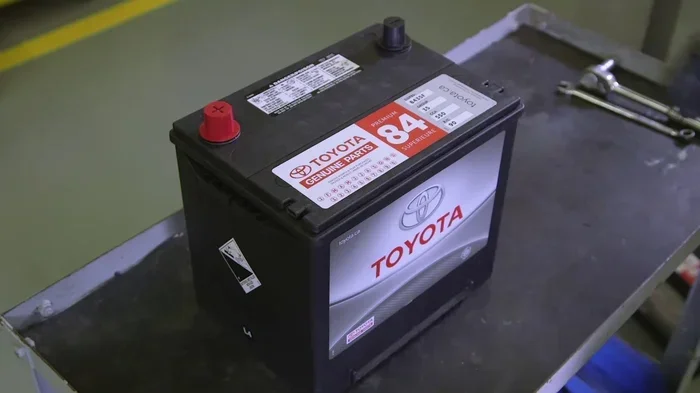
Are Toyota batteries good? Absolutely. Toyota batteries are built with advanced technology and rigorous quality standards that deliver reliable performance for years. Whether you drive a Camry, RAV4, or hybrid model, understanding your Toyota battery helps you avoid unexpected breakdowns and costly surprises. This guide covers everything from battery lifespan and warranty to replacement tips and maintenance best practices.
Are Toyota batteries good for long lasting performance? This is a question many Toyota owners ask, especially when they notice their car struggling to start or when they see the battery light flicker on the dashboard. Toyota has built a reputation for reliability across its entire lineup, and the batteries are no exception. But what really goes into making a Toyota battery dependable, and how can you get the most out of yours?
In this guide, we will explore everything you need to know about Toyota battery quality, lifespan, maintenance, and replacement. Whether you own a brand new Toyota or a used model with thousands of miles, understanding your battery is essential. Let us dive into the details and answer the big question once and for all.
## What Makes Toyota Batteries Stand Out
Toyota has spent decades engineering vehicles that last. The battery is one of the most critical components in any car, and Toyota takes this seriously. So, what sets Toyota batteries apart from the competition?
### Engineering and Quality Control
Every Toyota battery goes through extensive testing before it reaches your vehicle. Toyota uses strict quality control measures to ensure each battery meets their high standards. The manufacturing process includes stress testing for extreme temperatures, vibration resistance, and long term durability checks.
Toyota partners with trusted battery manufacturers like Panasonic and East Penn to source reliable cells. These partnerships ensure that the battery cells inside your Toyota are of the highest quality. The result is a battery that starts your car consistently, even in harsh weather conditions.
### Design for Toyota Vehicles
Toyota does not use a one size fits all approach. Each Toyota model has a battery specifically designed for its electrical system. The battery size, cold cranking amps, and reserve capacity are all matched to the vehicle’s needs. This means your Toyota battery is optimized for the exact demands of your car.
For example, a Toyota Camry requires a different battery than a Toyota Tundra. The engineering team considers factors like engine type, electrical load, and climate when designing the battery specification. This level of customization helps ensure peak performance and long battery life.
### Materials and Construction
Toyota batteries use high quality lead acid technology with advanced plate designs. The plates inside the battery are made from durable materials that resist corrosion and sulfation. Corrosion is one of the biggest enemies of any car battery, and Toyota addresses this with specially coated terminals and sealed construction.
The internal components are also designed to minimize water loss, which is a common cause of battery failure over time. This means your Toyota battery retains its charge better and lasts longer between maintenance checks.
## Toyota Battery Types and Technology
Toyota uses different types of batteries depending on the vehicle model and year. Understanding these types can help you choose the right replacement battery when the time comes.
### Standard Lead Acid Batteries
Most Toyota models use standard lead acid batteries. These are the traditional batteries found in the majority of cars on the road today. They are reliable, affordable, and widely available.
Standard Toyota batteries typically have a cold cranking amp rating between 600 and 1000 CCA. This rating measures how well the battery can start your engine in cold weather. Higher CCA ratings mean better performance in winter conditions.
### Toyota Hybrid Battery Technology
Toyota is a leader in hybrid technology, and their hybrid batteries are a key part of that success. The Toyota hybrid battery uses nickel metal hydride or lithium ion technology, depending on the model and year.
These batteries are designed for longevity. Many Toyota hybrid battery systems last well beyond 100,000 miles. The hybrid battery works alongside the gasoline engine to maximize fuel efficiency and reduce emissions. It also uses regenerative braking to recharge itself during normal driving.
### Stop Start Battery Technology
Some newer Toyota models feature stop start technology. This system shuts off the engine when you are stopped at a traffic light and restarts it when you release the brake. This technology requires a special battery that can handle frequent cycling.
Toyota stop start batteries are built with enhanced cycling capability. They can handle thousands of start stop cycles without significant degradation. If you drive a Toyota with this feature, it is important to use the correct battery type.
## How Long Do Toyota Batteries Last
Battery life is one of the most common concerns for Toyota owners. The good news is that Toyota batteries are built to last. But how long can you really expect yours to perform well?
### Average Battery Lifespan
Most Toyota batteries last between 3 and 5 years. Some batteries can last up to 6 years with ideal driving conditions and proper maintenance. The actual lifespan depends on several factors, including driving habits, climate, and electrical usage.
If you live in a hot climate, your battery may degrade faster. Heat causes the internal components of the battery to break down more quickly. On the other hand, extremely cold weather can reduce battery performance and make starting your car harder.
### Factors That Affect Battery Life
Several factors influence how long your Toyota battery will last:
- Driving frequency: Cars that are driven regularly tend to have healthier batteries. The alternator keeps the battery charged during driving.
- Short trips: Frequent short trips do not give the battery enough time to fully recharge. This can lead to a shortened battery life.
- Climate: Extreme heat and cold both accelerate battery degradation.
- Electrical accessories: Using lights, audio systems, and other accessories with the engine off drains the battery faster.
- Age of the battery: As a battery ages, its capacity decreases. After 4 years, it is wise to have your battery tested regularly.
- Maintenance habits: Clean terminals and proper charge levels help extend battery life significantly.
### How to Test Your Battery Health
You can test your Toyota battery health in several ways. Many auto parts stores offer free battery testing. They use a device that measures the battery’s voltage and cold cranking amps.
You can also use a multimeter to check the voltage yourself. A fully charged battery should read around 12.6 volts. If the voltage drops below 12.4 volts, your battery may be losing its charge. A reading below 12.0 volts usually indicates a weak or failing battery.
## Toyota Battery Warranty and Coverage
Toyota provides warranty coverage for their batteries, which adds another layer of protection for owners. Understanding your warranty can save you money and headaches.
### Standard Battery Warranty
Most new Toyota vehicles come with a battery warranty that covers defects for 3 years or 36,000 miles, whichever comes first. This warranty covers manufacturing defects and premature battery failure under normal use.
If your Toyota battery fails within the warranty period, you can get it replaced at a Toyota dealer. The dealer will test the battery to confirm it is defective and then provide a replacement at no cost to you.
### Hybrid Battery Warranty
Toyota hybrid batteries come with an even longer warranty. In the United States, Toyota covers hybrid batteries for 8 years or 100,000 miles. Some states have even longer coverage requirements, such as 10 years or 150,000 miles.
This extended warranty reflects Toyota’s confidence in their hybrid battery technology. Even if your hybrid battery fails after the warranty period, the cost of replacement has come down significantly over the years.
### What Is Not Covered
Toyota warranty does not cover normal wear and tear. Damage caused by improper maintenance, extreme conditions, or aftermarket modifications is typically not covered. It is important to follow the recommended maintenance schedule to keep your warranty valid.
## Signs Your Toyota Battery Needs Replacement
Knowing the warning signs of a failing battery can help you avoid being stranded. Toyota batteries usually give clear signals before they completely die.
### Slow Engine Crank
One of the most common signs of a weak battery is a slow engine crank. When you turn the key, the engine takes longer than usual to start. This is a clear indication that the battery is losing its ability to deliver power.
If you notice this symptom, have your battery tested as soon as possible. A simple test at a Toyota dealer or auto parts store can tell you if the battery needs replacement.
### Dashboard Warning Lights
The battery warning light on your dashboard is a direct signal that something is wrong with your charging system. This light can indicate a failing battery, a problem with the alternator, or an issue with the electrical system.
Do not ignore this warning. Continuing to drive with a malfunctioning charging system can leave you stranded with a dead battery.
### Corrosion on Battery Terminals
White or blueish buildup on your battery terminals is a sign of corrosion. Corrosion creates resistance between the battery and the electrical system, which can prevent your car from starting.
You can clean minor corrosion with a mixture of baking soda and water. However, if the corrosion is heavy or keeps coming back, it may be time to replace the battery.
### Swollen or Bloated Battery Case
If the battery case appears swollen or bloated, this is a serious sign of internal damage. Extreme heat causes the battery fluid to expand, which can warp the case. A swollen battery is unsafe and should be replaced immediately.
### Frequent Jump Starts
If you find yourself needing jump starts regularly, your battery is not holding a charge properly. Even a new battery can fail prematurely if there is an underlying electrical issue in the vehicle.
## Tips to Extend Your Toyota Battery Life
Taking care of your Toyota battery can help you get the most miles out of it. Simple maintenance habits make a big difference over time.
### Keep the Terminals Clean
Clean battery terminals ensure a strong electrical connection. Use a wire brush and a baking soda solution to remove any corrosion. After cleaning, apply a thin layer of petroleum jelly to protect the terminals from future buildup.
### Avoid Short Trips When Possible
Short trips do not allow the alternator enough time to fully recharge the battery. If you can, combine errands into longer trips. This gives the battery time to charge fully and maintain its capacity.
### Turn Off Electrical Accessories When the Engine Is Off
Using your lights, radio, or phone charger with the engine off puts extra strain on the battery. Make it a habit to turn off all accessories before shutting down the engine.
### Park in a Garage When Possible
Extreme temperatures are tough on batteries. Parking in a garage or covered area helps protect the battery from intense heat and freezing cold. If you live in a very hot climate, consider using a battery insulator or shade cover.
### Have the Battery Tested Regularly
Get your Toyota battery tested at least once a year after the 3 year mark. Many Toyota dealers and auto parts stores offer free testing. Catching a weak battery early gives you time to plan for replacement.
### Use a Battery Tender for Long Periods of Inactivity
If you do not drive your Toyota frequently, a battery tender can keep the battery charged. This small device connects to your battery and provides a low level charge to maintain optimal health. It is especially useful for seasonal vehicles or cars stored for extended periods.
## Toyota Battery Replacement Cost
When it is time to replace your Toyota battery, you want to know what to expect cost wise. The replacement cost varies depending on the battery type and model.
### Standard Battery Replacement Cost
A standard Toyota battery replacement typically costs between $150 and $350. This includes the price of the battery and the cost of installation. Some Toyota dealers may offer a discount on the battery if you purchase it from them and have them install it.
### Hybrid Battery Replacement Cost
Toyota hybrid battery replacement is more expensive. The cost can range from $2,000 to $4,000 or more, depending on the model. However, many hybrid batteries last well beyond the warranty period, so this cost may not apply to most owners.
Toyota has also made significant strides in reducing hybrid battery costs over the years. Used and refurbished hybrid batteries are also available, which can save you a substantial amount of money.
### DIY vs. Professional Installation
Some Toyota owners choose to replace the battery themselves. This is possible for standard lead acid batteries and can save on labor costs. However, hybrid battery replacement should always be handled by a trained professional due to the high voltage system.
If you are not comfortable working with car batteries, it is best to let a Toyota dealer or qualified mechanic handle the replacement. Proper installation ensures the battery works correctly and safely.
## Aftermarket vs. OEM Toyota Batteries
When it is time for a replacement, you have options. You can choose an OEM Toyota battery or an aftermarket alternative. Both have their pros and cons.
### OEM Toyota Batteries
OEM batteries are made specifically for Toyota vehicles. They meet the exact specifications required by Toyota and come with the manufacturer warranty. OEM batteries are the safest choice for most owners.
The main downside of OEM batteries is the higher price. However, the reliability and compatibility make them worth the investment for most Toyota owners.
### Aftermarket Batteries
Aftermarket batteries are made by third party manufacturers. They can be more affordable than OEM options, but quality varies widely. Some aftermarket batteries are excellent, while others may not meet the same standards.
If you choose an aftermarket battery, look for one that matches the original specifications for your Toyota model. Check the cold cramping amps, group size, and reserve capacity before purchasing.
## Toyota Battery Performance in Extreme Weather
Toyota batteries are tested to perform in a wide range of weather conditions. But extreme weather can still challenge any battery.
### Cold Weather Performance
Cold weather reduces battery capacity. The chemical reactions inside the battery slow down in low temperatures, which reduces the available power. Toyota batteries are rated for cold cranking amps that help them start engines even in freezing temperatures.
To improve cold weather performance, keep your battery fully charged and clean. A battery blanket or heater can also help in extremely cold climates.
### Hot Weather Performance
Heat is actually more damaging to batteries than cold. High temperatures cause the battery fluid to evaporate faster and accelerate internal corrosion. This leads to a shorter overall battery life.
In hot climates, it is especially important to check your battery regularly. Keeping the terminals clean and ensuring proper fluid levels can help counteract the effects of heat.
## Common Toyota Battery Mistakes to Avoid
Many Toyota owners make mistakes that shorten their battery life. Avoiding these common errors can help you get more years out of your battery.
- Ignoring warning signs: Do not wait until your battery dies completely. Address slow starts and warning lights immediately.
- Using the wrong battery size: Always match the replacement battery to your Toyota model specifications.
- Neglecting terminal maintenance: Dirty terminals cause poor connections and can mimic battery failure.
- Leaving accessories on: This is one of the fastest ways to drain your battery.
- Skipping regular testing: After year three, regular testing can catch problems early.
- Choosing the cheapest option: A low price often means lower quality. Invest in a reliable battery.
## Final Thoughts
So, are Toyota batteries good? The answer is a resounding yes. Toyota batteries are built with quality materials, advanced technology, and rigorous testing. They deliver reliable performance for most drivers and come with strong warranty coverage.
Whether you drive a gasoline Toyota or a hybrid model, taking care of your battery is the key to long lasting performance. Regular maintenance, smart driving habits, and timely replacement when needed will keep your Toyota running strong for years to come.
Investing in a quality Toyota battery and treating it well pays off in the long run. You will enjoy fewer breakdowns, better fuel efficiency, and the peace of mind that comes with knowing your vehicle is ready to go whenever you are.
Key Takeaways
- Toyota batteries are known for reliability: They are engineered to meet high-quality standards and deliver consistent performance across all Toyota models.
- Most Toyota batteries last 3 to 5 years: With proper maintenance, some batteries can last even longer depending on driving conditions.
- Toyota offers strong battery warranty coverage: Most Toyota batteries come with a 3-year or 36,000-mile warranty, giving owners peace of mind.
- Hybrid Toyota batteries are exceptionally durable: Toyota hybrid battery systems are designed to last the life of the vehicle in many cases.
- Regular maintenance extends battery life: Simple habits like cleaning terminals and checking charge levels can significantly improve battery health.
- Replacement costs are reasonable: Toyota battery replacement typically ranges from $150 to $350 for standard models.
- Aftermarket options are available: You can choose OEM or third-party batteries, but OEM Toyota batteries offer the best compatibility.
Frequently Asked Questions
How long does a Toyota battery typically last?
Most Toyota batteries last between 3 and 5 years. With proper maintenance and ideal driving conditions, some batteries can last up to 6 years. Hybrid batteries often last even longer, sometimes exceeding 100,000 miles.
Can I replace my Toyota battery myself?
Yes, you can replace a standard Toyota battery yourself if you have basic mechanical skills. However, hybrid battery replacement should always be done by a professional due to the high voltage system. Always disconnect the negative terminal first and follow proper safety procedures.
How much does a Toyota battery replacement cost?
A standard Toyota battery replacement costs between $150 and $350 including installation. Hybrid battery replacement is more expensive, typically ranging from $2,000 to $4,000. Prices vary depending on the Toyota model and the battery type required.
What is the Toyota battery warranty?
Most Toyota vehicles come with a battery warranty of 3 years or 36,000 miles. Hybrid batteries are covered for 8 years or 100,000 miles in the United States. The warranty covers manufacturing defects but not normal wear and tear.
How do I know if my Toyota battery is dying?
Common signs include slow engine cranking, dashboard warning lights, corrosion on terminals, a swollen battery case, and frequent need for jump starts. If you notice any of these symptoms, have your battery tested right away.
Are aftermarket batteries good for Toyota vehicles?
Aftermarket batteries can be a good option if they match the original specifications for your Toyota model. However, OEM Toyota batteries are generally the safest choice because they are designed specifically for your vehicle and come with manufacturer warranty coverage.
=== CONCLUSION ===
Toyota batteries are a reliable and trustworthy choice for any Toyota owner. From their advanced construction and quality control to their strong warranty coverage, Toyota has designed batteries that deliver consistent performance over the years. By understanding your battery type, following proper maintenance practices, and recognizing the warning signs of a failing battery, you can keep your Toyota running smoothly and avoid unexpected breakdowns.
Whether you are dealing with a standard lead acid battery or a sophisticated hybrid system, the key to long lasting performance is simple: take care of your battery, and it will take care of you. Invest in quality, stay proactive with maintenance, and enjoy the peace of mind that comes with knowing your Toyota battery is up to the task.