Are Toyota V6 Engines Reliable For Long Lasting Performance
Toyota V6 engine reliability is one of the best in the automotive industry. These engines are known for their durability, smooth power delivery, and long lifespan. With proper care, a Toyota V6 can easily surpass 250,000 miles. This guide covers everything you need to know about keeping your Toyota V6 running strong for years to come.
When it comes to choosing a reliable engine, few names carry the trust that Toyota does. Car owners around the world count on Toyota engines to deliver consistent performance year after year. Among the lineup, the Toyota V6 engine stands out as a favorite for those who want power and dependability in one package. But the real question is: how reliable are these engines really?
The answer is reassuring. Toyota V6 engine reliability has been proven over decades of real-world use. From the Tacoma to the Highlander, Toyota’s V6 engines have earned a reputation for lasting well beyond 200,000 miles with basic care. In this article, we will explore everything you need to know about Toyota V6 engine reliability, from common issues to maintenance tips that keep your engine running strong.
Whether you already own a Toyota V6 or are considering one, this guide will give you the confidence to make informed decisions. We will cover what makes these engines tick, what problems to watch for, and how to get the most miles out of your investment. Let us dive in.
Key Takeaways
- Toyota V6 engines are among the most reliable V6 options on the market, with many lasting well over 250,000 miles.
- Regular maintenance is the key to maximizing Toyota V6 engine reliability, especially oil changes and timing chain care.
- Common issues are few and manageable, with most V6 Toyota engines sharing proven design features that reduce failure rates.
- Driving habits matter — gentle warm-ups and avoiding excessive load extend V6 engine longevity significantly.
- Toyota V6 models like the Tacoma, 4Runner, and Highlander have strong track records for durability and performance.
- Timely repairs prevent small problems from becoming expensive V6 engine rebuilds down the road.
📑 Table of Contents
Understanding Toyota V6 Engines
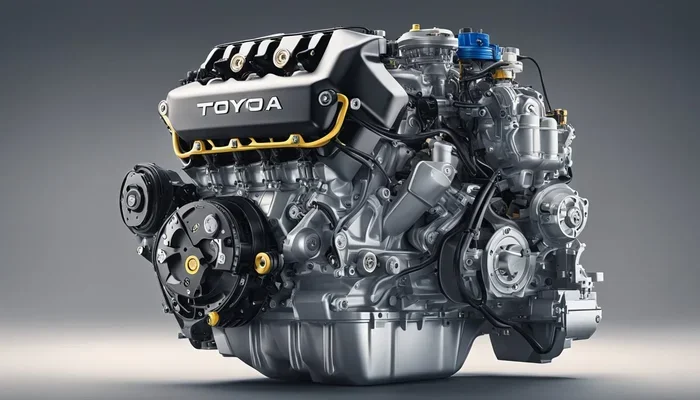
Before we talk about reliability, it helps to understand what makes a Toyota V6 different from other engines. A V6 engine has six cylinders arranged in a V shape. This design offers a great balance of power, smoothness, and efficiency. Toyota has refined its V6 engines over many years, and the results show in the numbers.
What Makes a V6 Engine Different
A V6 engine sits between a four-cylinder and a V8 in terms of power output. It delivers more torque and horsepower than a four-cylinder while being lighter and more fuel-efficient than a V8. Toyota uses V6 engines in trucks, SUVs, and some sedans because they offer a versatile power band that suits many driving needs.
The V6 configuration also produces less vibration than a straight-six or V8. This means smoother acceleration and a more refined driving experience. For families who need towing capacity or for drivers who enjoy spirited road trips, the Toyota V6 engine is a natural choice.
Popular Toyota V6 Models
Toyota has used V6 engines across many popular models. Here are some of the most well-known:
- Toyota Tacoma V6: A favorite among truck fans, the Tacoma V6 offers excellent Toyota V6 towing capacity and off-road capability.
- Toyota 4Runner V6: Known for its rugged durability, the 4Runner V6 is a go-to for adventure seekers.
- Toyota Highlander V6: A family-friendly SUV with smooth V6 performance and spacious interior room.
- Toyota Camry V6: A sedan that blends comfort with a surprisingly sporty V6 engine feel.
- Toyota Avalon V6: A full-size sedan with a quiet cabin and refined V6 power delivery.
- Toyota Sienna V6: A minivan that prioritizes family hauling with dependable V6 reliability.
Each of these models uses Toyota V6 variants that have been tested and proven over many generations. The engines share common design principles that contribute to their strong Toyota V6 engine reliability record.
Toyota V6 Engine Reliability: What the Data Shows
Toyota V6 engine reliability is not just a marketing claim. It is backed by real-world data, owner surveys, and long-term durability tests. Toyota consistently ranks at or near the top of reliability studies conducted by organizations like J.D. Power and Consumer Reports. The V6 engines in Toyota vehicles are no exception.
Expected Lifespan of a Toyota V6
A well-maintained Toyota V6 engine can last between 250,000 and 300,000 miles. Some owners have reported pushing their engines past 350,000 miles with consistent care. This is significantly longer than the average lifespan of most V6 engines from other manufacturers.
The key factor is maintenance. Toyota V6 lifespan depends heavily on how well you follow the recommended service schedule. Regular oil changes, timely fluid replacements, and prompt attention to warning signs all contribute to reaching those high mileage milestones.
Compared to many competitors, Toyota V6 engines also tend to hold their value better. This is partly because buyers know that a Toyota V6 with 150,000 miles still has plenty of life left in it. The Toyota V6 durability reputation precedes itself in the used car market.
Common V6 Engine Problems to Watch For
No engine is perfect, and even Toyota V6 engines can develop issues over time. Here are some of the most commonly reported Toyota V6 common issues:
- Timing chain wear: Some Toyota V6 models experience timing chain stretch after high mileage. This is more common in earlier generations of the 1GR-FE and 2GR-FE engines.
- Valve cover gasket leaks: These can cause oil seepage around the top of the engine. They are usually not expensive to fix but should be addressed promptly.
- Water pump failures: Some V6 Toyota engines use a belt-driven water pump that can fail over time, leading to overheating risks.
- Knock sensor issues: A faulty knock sensor can cause rough idling or reduced V6 engine performance.
- Exhaust manifold cracks: Less common but worth noting, some older Toyota V6 models develop hairline cracks in the exhaust manifold.
The good news is that most of these problems are manageable and preventable with regular inspections. Toyota V6 engine reliability remains strong because these issues tend to appear late in the engine’s life and are generally straightforward to repair.
Quick Tips for V6 Maintenance
- Change your oil every 5,000 to 7,500 miles with quality synthetic oil.
- Check your coolant level monthly and flush the system every 60,000 miles.
- Listen for unusual ticking or rattling sounds from the engine bay.
- Replace the timing chain tensioner at the first sign of noise.
- Keep up with your scheduled service appointments at a trusted Toyota dealership.
Maintenance Tips for Toyota V6 Engine Reliability
Toyota V6 engine reliability does not happen by accident. It is the result of consistent, proactive maintenance. Following a solid maintenance routine is the single best thing you can do to protect your investment and extend your engine’s life.
Oil Change Schedule and Best Practices
Oil is the lifeblood of any engine, and your Toyota V6 is no different. Clean oil lubricates moving parts, reduces friction, and carries heat away from critical components. For Toyota V6 oil change best practices, stick to these guidelines:
- Use Toyota-recommended synthetic or semi-synthetic oil with the correct viscosity rating.
- Replace the oil filter every time you change the oil.
- Follow the maintenance reminder system in your vehicle, but do not exceed 7,500-mile intervals.
- Check your oil level weekly, especially in older models.
Skipping oil changes is one of the fastest ways to shorten your Toyota V6 lifespan. Dirty oil creates sludge that clogs passages and accelerates wear on internal components. It is a small cost that pays big dividends in engine longevity.
Timing Chain and Cooling System Care
The timing chain is one of the most important components in your Toyota V6 engine. It synchronizes the rotation of the crankshaft and camshaft, ensuring that valves open and close at the right time. Over time, the chain can stretch, which leads to timing issues and poor V6 engine performance.
To keep your timing chain in good shape:
- Use high-quality engine oil and change it regularly.
- Address any rattling noises from the front of the engine immediately.
- Have a mechanic inspect the timing chain tensioner during major service intervals.
The cooling system is equally important. Toyota V6 engines generate a fair amount of heat, and the cooling system is designed to keep temperatures in the safe operating range. Flush your coolant every 60,000 miles and inspect hoses and clamps for cracks or leaks. A well-maintained cooling system is one of the best V6 maintenance tips for long-term reliability.
Common Mistakes V6 Owners Make
- Ignoring small leaks: A small oil seep today can become a major repair tomorrow.
- Using the wrong oil: Always use the grade recommended by Toyota for your specific V6 model.
- Skipping coolant flushes: Old coolant loses its protective properties and can cause corrosion inside the engine.
- Hard acceleration when cold: Letting your engine warm up for 30 to 60 seconds before driving gently reduces wear.
- Neglecting belt inspections: Serpentine belts drive the water pump and alternator. A broken belt can cause engine overheating.
Toyota V6 vs Other Engine Types
It is helpful to compare Toyota V6 engines with other engine configurations to understand where they stand. Different engine types offer different trade-offs in terms of power, efficiency, complexity, and reliability.
V6 vs Inline-6
Toyota is famous for its inline-6 engines, which are known for silky smoothness and excellent balance. The inline-6 design has fewer moving parts than a V6, which can mean fewer things to go wrong. However, the V6 configuration takes up less longitudinal space, making it ideal for front-wheel-drive platforms and smaller engine bays.
In terms of Toyota V6 engine reliability versus inline-6 reliability, both are excellent. The choice between them often comes down to vehicle packaging and driving preferences rather than reliability concerns.
V6 vs V8
V8 engines offer more raw power and towing capacity, but they also consume more fuel and have more components that can wear out. A Toyota V6 engine provides about 80 to 90 percent of the V8’s capability with better fuel economy and lower maintenance costs. For most drivers, the Toyota V6 is the smarter choice for daily driving and moderate towing.
| Feature | Toyota V6 | Toyota Inline-6 | Toyota V8 |
|---|---|---|---|
| Horsepower Range | 270-400 hp | 280-380 hp | 380-475 hp |
| Fuel Efficiency | Good | Very Good | Moderate |
| Towing Capacity | Up to 6,500 lbs | Up to 6,000 lbs | Up to 10,000 lbs |
| Maintenance Cost | Moderate | Moderate | Higher |
| Expected Lifespan | 250k-300k miles | 250k-300k+ miles | 200k-250k miles |
| Common Issues | Timing chain, gaskets | Valve adjustments | Coolant leaks, intake gaskets |
As the table shows, the Toyota V6 engine offers a strong balance of power, efficiency, and Toyota V6 durability. It is a versatile engine that serves most drivers better than a V8 while delivering more capability than a four-cylinder.
Real-World Toyota V6 Reliability Stories
The best way to understand Toyota V6 engine reliability is to hear from actual owners. Across online forums, owner surveys, and long-term reviews, the story is consistent: Toyota V6 engines are dependable workhorses that keep on ticking.
Many Tacoma owners report crossing the 250,000-mile mark with their original V6 engines still running strong. 4Runner owners frequently share stories of engines that have never needed a major rebuild. Highlander V6 owners praise the engine for its smooth operation and trouble-free ownership experience over 15+ years.
These real-world examples reinforce what the data shows. Toyota V6 engine reliability is not just about lab tests. It is about thousands of real drivers putting real miles on real engines every day. The results speak for themselves.
Of course, individual experiences vary based on driving conditions, maintenance habits, and climate. But the overall trend is clear: Toyota V6 engines are built to last, and they deliver on that promise for the vast majority of owners.
How to Extend Your Toyota V6 Engine Life
Want to push your Toyota V6 engine past the 300,000-mile mark? It is possible with the right approach. Here are some proven strategies for maximizing V6 engine longevity.
Driving Habits That Protect Your Engine
How you drive has a direct impact on how long your engine lasts. Consider adopting these habits:
- Warm up gently: Allow your engine to reach operating temperature before pushing it hard. This is especially important in cold weather.
- Avoid excessive idling: Extended idling can cause fuel to wash off cylinder walls, increasing wear.
- Accelerate smoothly: Jackrabbit starts put unnecessary stress on engine components.
- Do not overload the vehicle: Exceeding the Toyota V6 towing capacity puts extra strain on the engine, transmission, and cooling system.
- Shift properly: If you drive a manual transmission, avoid holding the clutch partially engaged for long periods.
These small changes in driving behavior add up over hundreds of thousands of miles. They reduce wear and help your Toyota V6 engine reliability stay strong well into the high-mileage range.
When to Seek Professional Help
While many maintenance tasks can be done at home, some repairs require a professional touch. You should consult a qualified mechanic if you notice:
- Persistent check engine lights or warning gauges.
- Unusual noises such as knocking, ticking, or grinding.
- Visible fluid leaks under your vehicle.
- Loss of power or rough idling.
- Overheating warnings on the temperature gauge.
Addressing these signs early can prevent minor issues from escalating into costly V6 engine rebuilds. A qualified Toyota technician has the training and diagnostic tools to identify problems before they cause serious damage.
Expert Insights
According to experienced Toyota mechanics, the most important factor in Toyota V6 engine reliability is consistency. “Toyota V6 engines are designed to be forgiving, but they still need regular care,” says one veteran technician with over 20 years of experience. “The owners who get 300,000 miles out of their V6 are the ones who never skip an oil change and address small issues before they become big ones.”
Another expert adds that using genuine Toyota parts for repairs and maintenance makes a measurable difference in long-term engine health. “Aftermarket parts vary widely in quality. Sticking with OEM Toyota components ensures that every repair meets the original engineering standards.”
Conclusion
Toyota V6 engine reliability is well-earned and well-documented. These engines deliver a compelling combination of power, efficiency, and longevity that few competitors can match. With proper maintenance and sensible driving habits, a Toyota V6 engine can provide reliable service for 250,000 miles or more.
The key to unlocking that level of performance is straightforward: follow the maintenance schedule, address issues promptly, and treat your engine with respect. Whether you drive a Tacoma, 4Runner, Highlander, or any other Toyota V6 model, the principles are the same. Take care of your engine, and it will take care of you.
If you are considering a Toyota V6 vehicle, you can feel confident in your choice. Toyota V6 engine reliability is one of the strongest selling points of these vehicles, and it is backed by decades of real-world evidence. Invest in regular maintenance, drive responsibly, and enjoy the smooth, dependable power that a Toyota V6 engine has to offer for many years to come.
Frequently Asked Questions
How long do Toyota V6 engines typically last?
A well-maintained Toyota V6 engine can last between 250,000 and 300,000 miles. Some owners have reported exceeding 350,000 miles with consistent care. The Toyota V6 lifespan depends heavily on following the recommended maintenance schedule and addressing issues early.
What are the most common problems with Toyota V6 engines?
The most common Toyota V6 common issues include timing chain wear, valve cover gasket leaks, water pump failures, and knock sensor problems. Most of these issues appear after high mileage and are generally straightforward and affordable to repair.
Is the Toyota V6 better than the inline-6 for reliability?
Both Toyota V6 and inline-6 engines are highly reliable. The inline-6 has fewer moving parts, but the V6 offers better packaging for modern vehicle designs. Toyota V6 engine reliability and inline-6 reliability are both excellent, and the choice depends on your specific vehicle and driving needs.
How often should I change the oil in my Toyota V6?
Toyota recommends changing the oil every 5,000 to 7,500 miles for V6 engines. Using synthetic oil and following the recommended schedule is one of the most important V6 maintenance tips for ensuring long-term Toyota V6 engine reliability.
Can a Toyota V6 engine be rebuilt?
Yes, a Toyota V6 engine rebuild is possible and often more cost-effective than replacing the entire vehicle. Rebuilds typically involve replacing worn bearings, gaskets, and seals. A well-done rebuild can restore the engine to like-new condition and extend its life by another 100,000 miles or more.
Does towing affect Toyota V6 engine reliability?
Towing within the recommended Toyota V6 towing capacity does not significantly impact engine reliability. However, consistently exceeding the towing limit or towing in extreme conditions can accelerate wear. Always follow Toyota’s guidelines for safe towing to protect your V6 engine.